
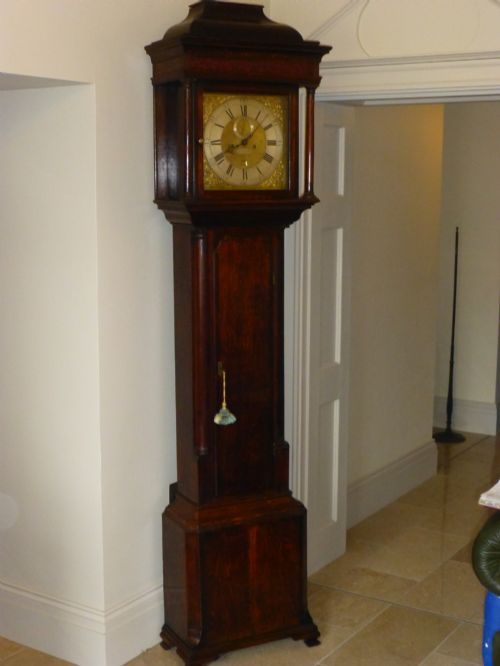
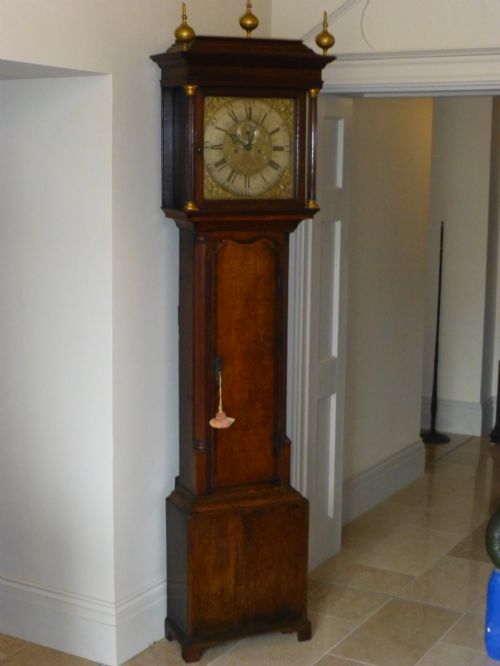
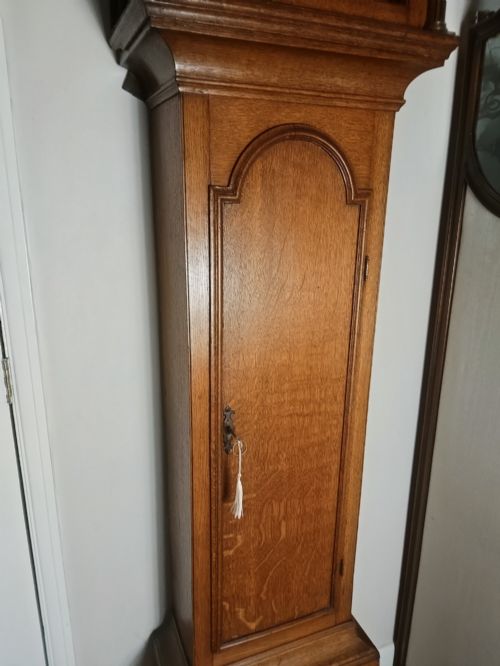
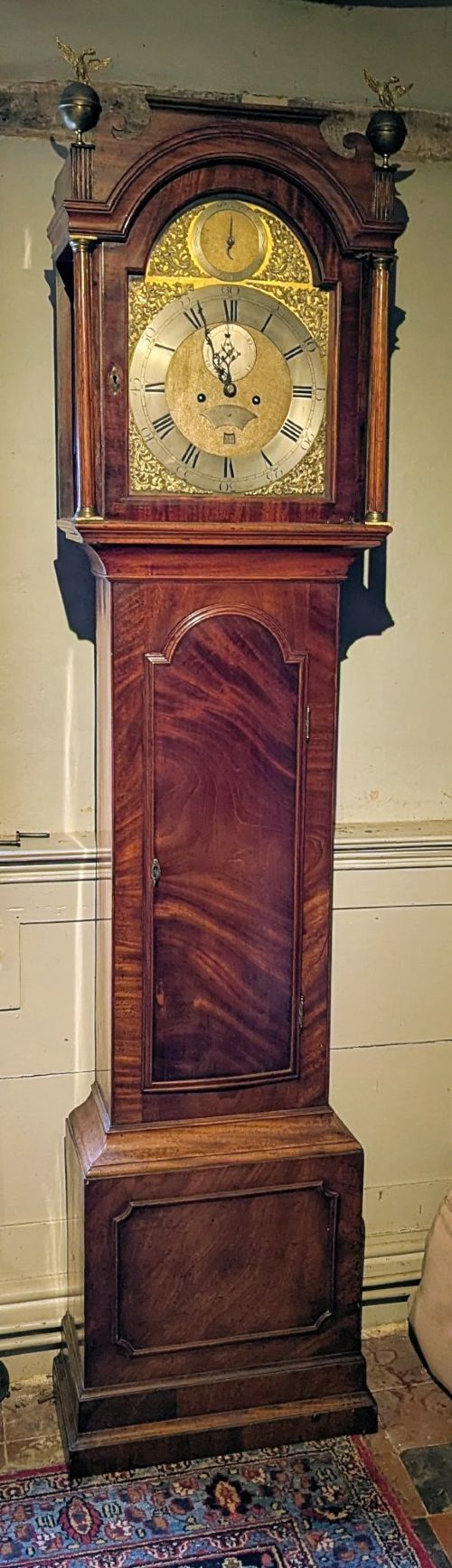

18th Century Pendulum Clock
These 18th century pendulum clock examples bring mechanical precision and architectural presence into a room, offering a direct link to historical timekeeping.
18th Century Pendulum Clock
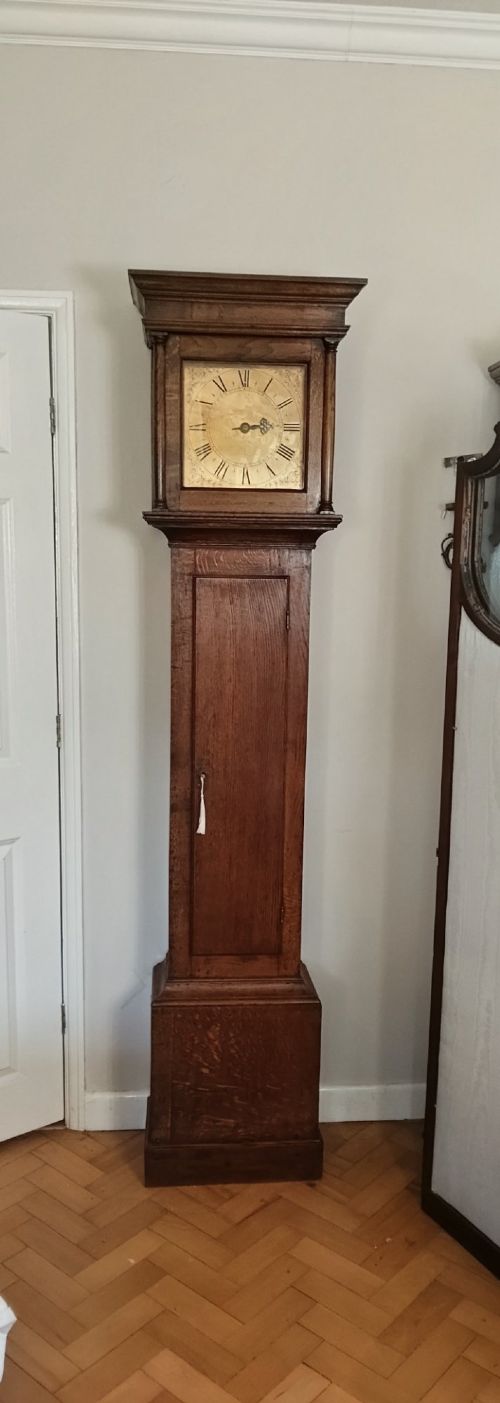
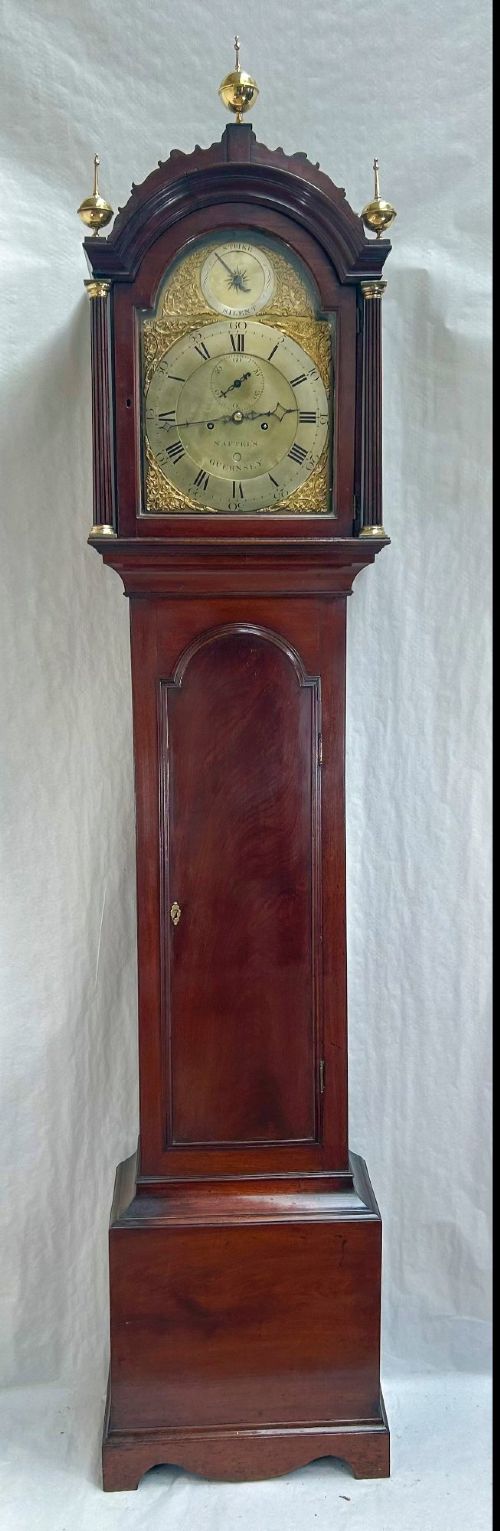
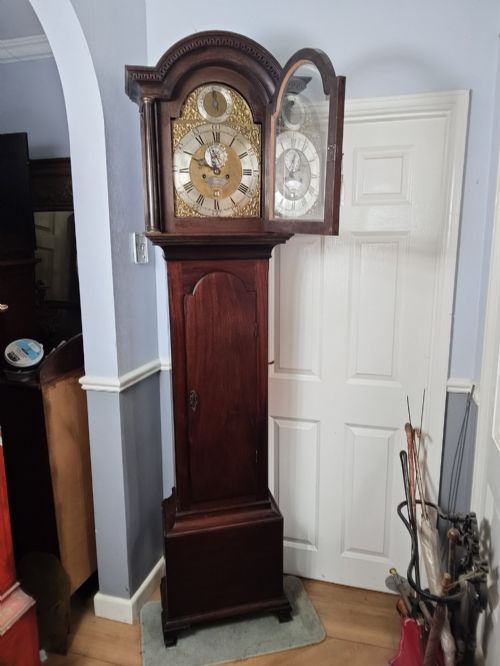
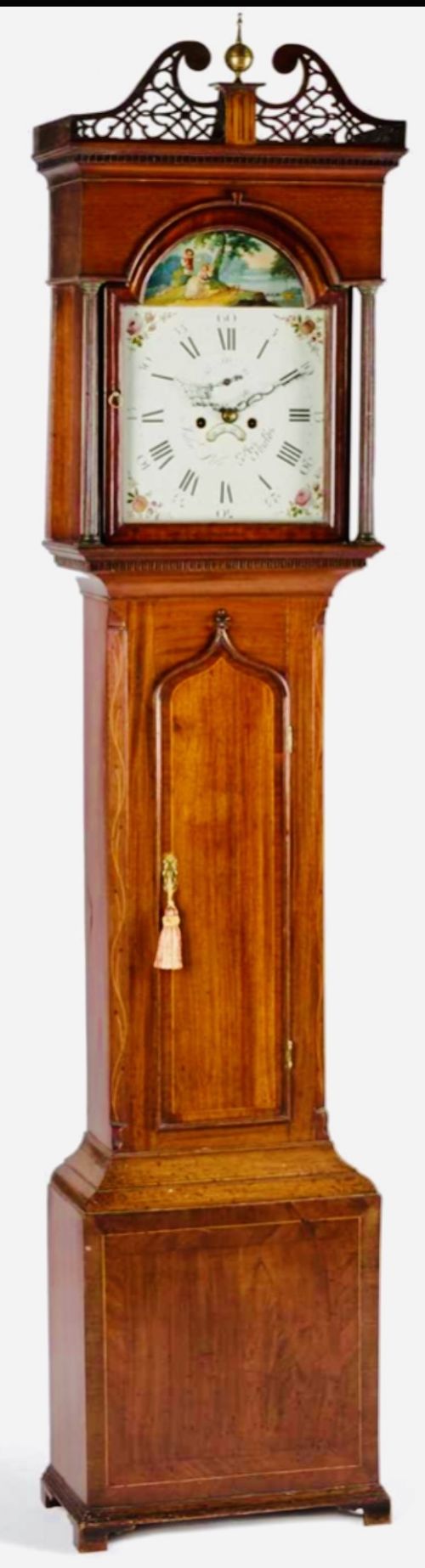
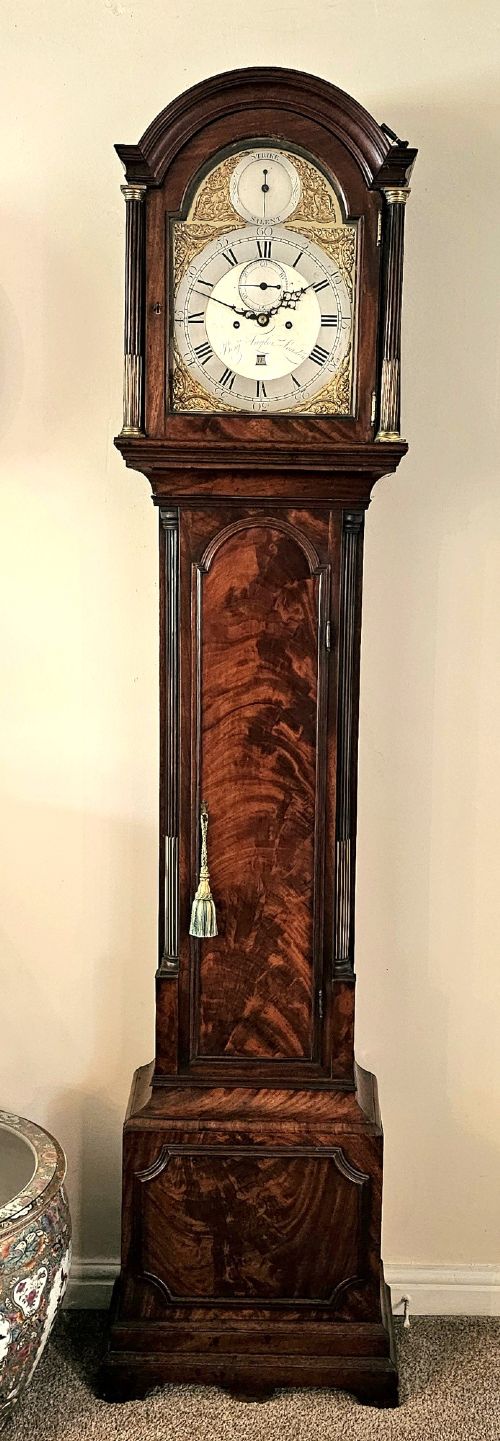
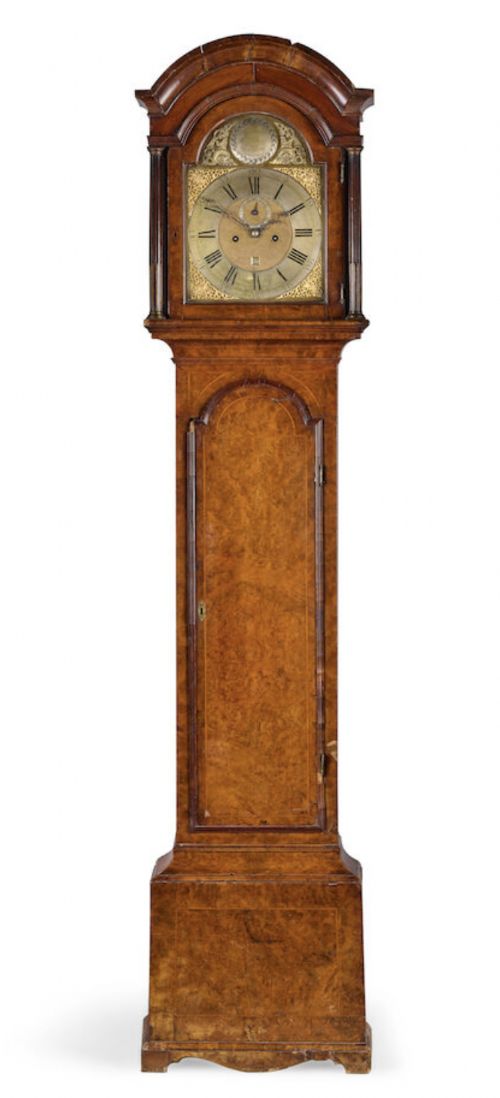
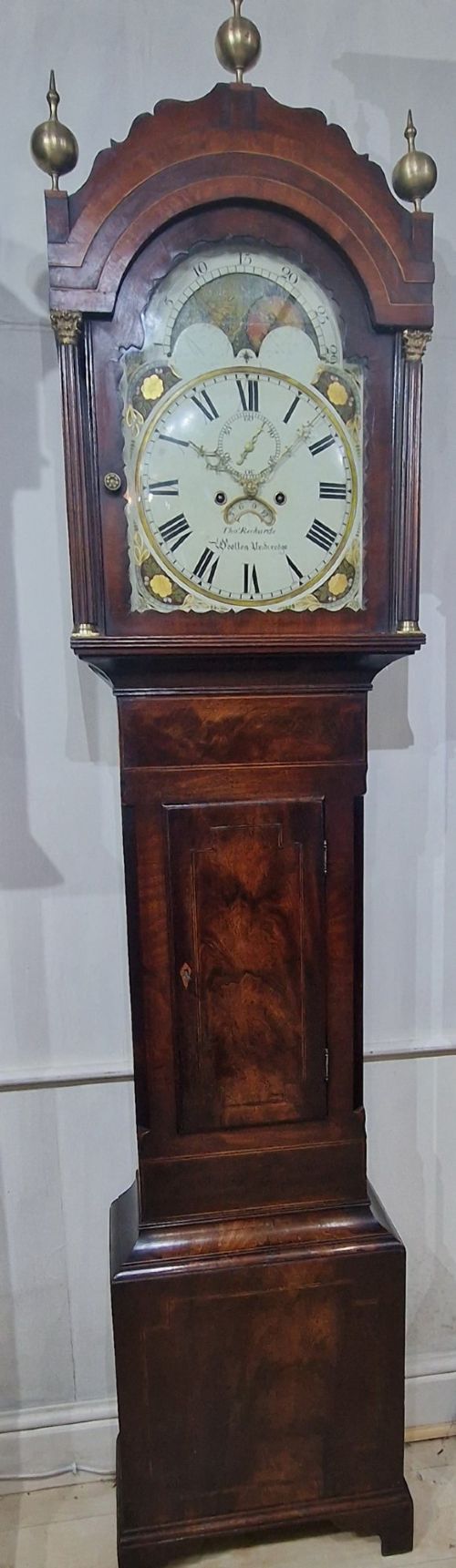
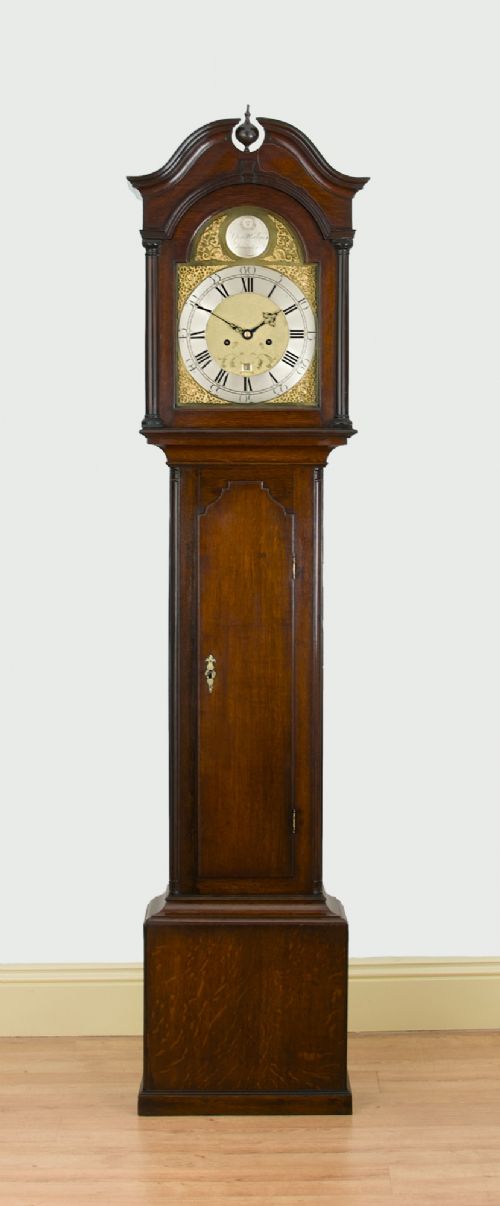
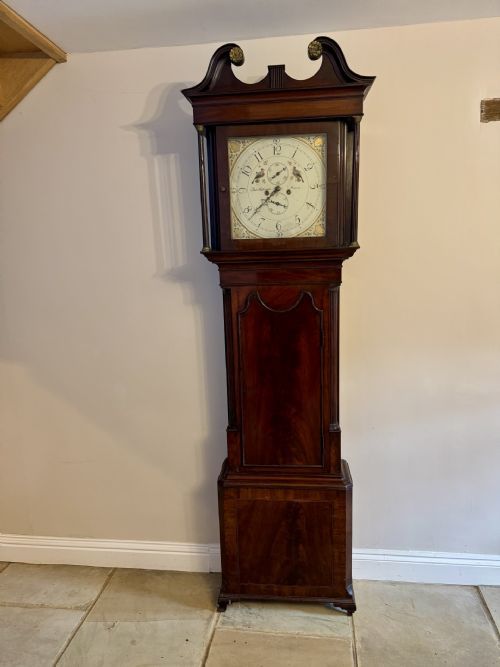
An 18th century pendulum clock primarily takes the form of a longcase or grandfather clock, designed to stand upright in hallways and living spaces. These tall wooden floor-standing pieces house heavy weights and swinging pendulums that regulate the gear trains to measure hours and minutes with steady rhythm.
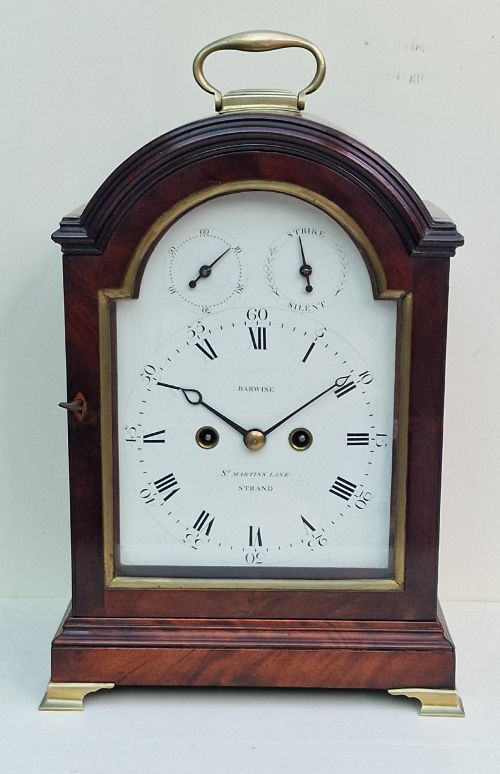
Beyond tall cases, this category includes smaller wall-mounted items, bracket clocks for tables, and specialised dial variations. The versions most commonly found here date from the Georgian and George III eras, constructed in regional British workshops or London establishments.
Makers housed these movements in robust timber housings that range from simple provincial oak builds to refined metropolitan mahogany and walnut designs. Each variation reflects the prevailing tastes of 18th century interior styling, incorporating brass dials and arched faces.
How they were made
Cabinetmakers constructed the tall cases using solid timbers like oak, walnut, and mahogany, frequently applying veneers, crossbanding, and flame mahogany panels to exterior surfaces. The wood was selected for grain pattern and structural stability, protecting the delicate internal gears from environmental shifts.
Clockmakers cast and finished brass for the circular or arched dials, engraving numerals, maker signatures, and decorative subsidiary rings by hand. Steel components inside the movement were forged and filed to tight tolerances, interacting with brass wheels to drive the gear train and strike mechanisms.
Regional workshops in Chester, Manchester, and Colchester produced notable longcase and dial variations alongside London makers.
What varies in quality
The refinement of the cabinetwork separates standard regional pieces from high-end London examples, particularly in the selection of figured veneers and the crispness of carved mouldings. Superior cases show tight joint work and harmonious proportions that retain their original architectural integrity.
Movement execution and dial engraving dictate the upper tier of the market, where skilled hands produced intricate moon roller displays, strike-silent functions, and finely matted brass faces. The clarity of the maker signature and the complexity of the internal gear train mark the difference between workshop output.
Richard Corless of Stockport·Smith of Chester·Benjamin Taylor·Windmills and Wightman·George Hallifax Of Doncaster·Edward Shepley of Manchester·Thomas Hedge Of Colchester·Matt Wylie Paisley·Charles Dowsett Of Canterbury·Langley Bradley·Handley & Moore·Henry Deykin·Benjamin Peers
The 18th Century Pendulum Clock Glossary
- Longcase clock
- A tall freestanding weight-driven timekeeper enclosed in a wooden case, commonly called a grandfather clock. These housing units protect the pendulum and hanging weights from ambient air currents.
- Brass dial
- The metal face plate mounted to the front of the movement, typically engraved with hour markers and minute tracks. Many 18th-century examples feature silvered chapter rings and decorative corner spandrels.
- Moonphase
- A specialised dial mechanism that tracks the lunar cycle through a rotating disk behind an arched aperture. This complication appears on more ambitious longcase movements.
- Bracket clock
- A portable table clock designed to sit on a bracket or furniture surface, usually fitted with a carrying handle on top. These housing units often employ spring-driven movements rather than falling weights.
- Crossbanding
- A decorative cabinetmaking technique where thin strips of wood veneer are laid perpendicular to the grain of the surrounding panel. This creates a contrasting border frame on door fronts and hoods.
18th Century Pendulum Clock: Frequently Asked Questions
How do I wind an 18th century pendulum clock?
Winding involves using a specialised key to raise the internal weights via winding arbors on the dial face, or pulling up chains depending on the specific mechanism. Care must be taken not to overwind the springs or pull the weights beyond their upper limit.
Ensuring the weights reach the correct height allows the pendulum to maintain an even beat without placing undue strain on the brass gear teeth or historical gut lines.
Where should I place a longcase clock?
Longcase clocks require a stable, dry interior wall away from direct sunlight, heating vents, and exterior doors where vibrations might disrupt the pendulum. Placing the case on a level floor ensures the beat sounds evenly.
Securing the tall hood to the wall using discreet brackets prevents accidental tipping, protecting both the wooden casework and the hanging movement from structural shock.
How do I tell if a clock dial is original?
Original brass dials show hand-engraved lines with natural tool micro-variations and fit snugly within the wooden hood frame without awkward gaps. The mounting feet on the rear of the dial plate should align with the historical pillars of the movement.
Signatures engraved by the original maker match the style of the period, whereas later replacements often display uniform machine stamping or incorrect naming conventions for the recorded era.
What is the difference between an eight day and thirty hour movement?
Thirty-hour movements use a single cord or chain setup that requires winding once a day, typically driven by simpler gear trains found in provincial pieces. These setups often lack secondary complications.
Eight-day movements incorporate heavier double-train designs that store enough energy for over a week of continuous operation, allowing for strike mechanisms, calendar apertures, and moon roller displays.