



18th Century Patch Box
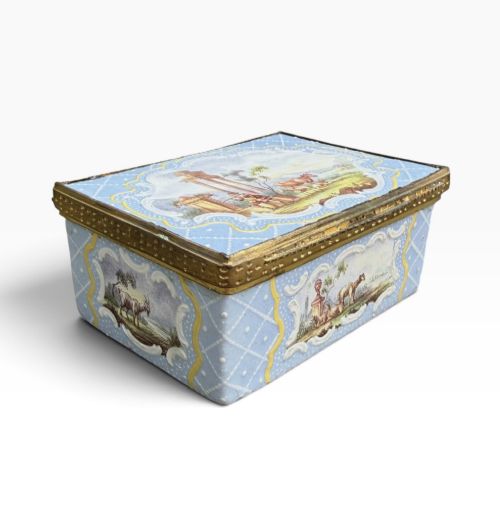
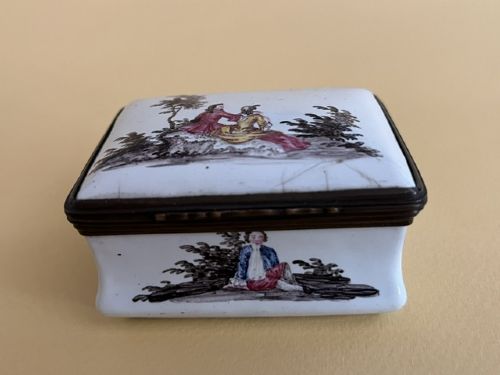
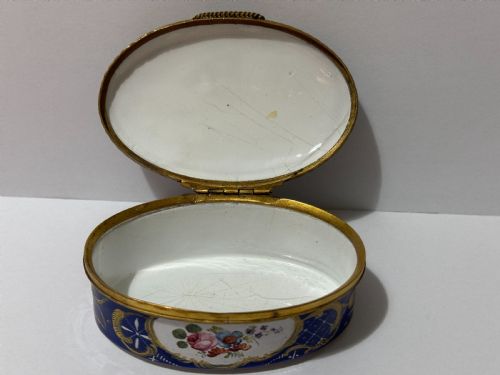
An 18th century patch box is a small, hinged container designed to hold cosmetic face patches, combining practicality with miniature art.
18th Century Patch Box
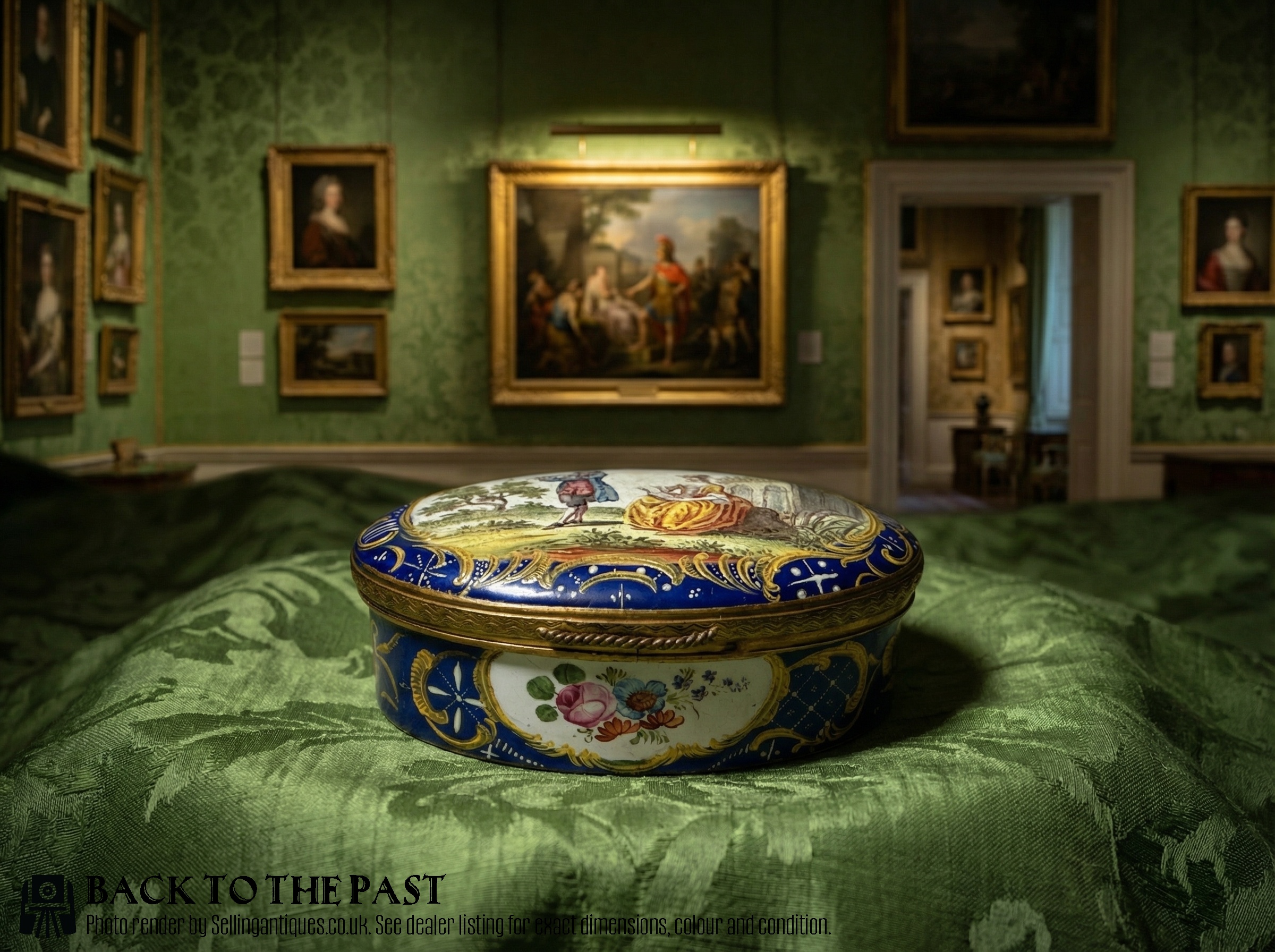
An 18th century patch box is a pocket-sized container originally created to hold the small silk or velvet patches used to decorate the face and conceal blemishes. These pieces span the 18th Century, Georgian, and 1800 periods, reflecting the refined personal accessories of the era.
Forms vary from oval and rectangular shapes to novelty designs, including bird and heart shapes, as well as boxes equipped with interior mirrors. Many feature hand-painted scenes or inscriptions on the lid, such as 'Cheltenham Wells' or 'a token of esteem'.
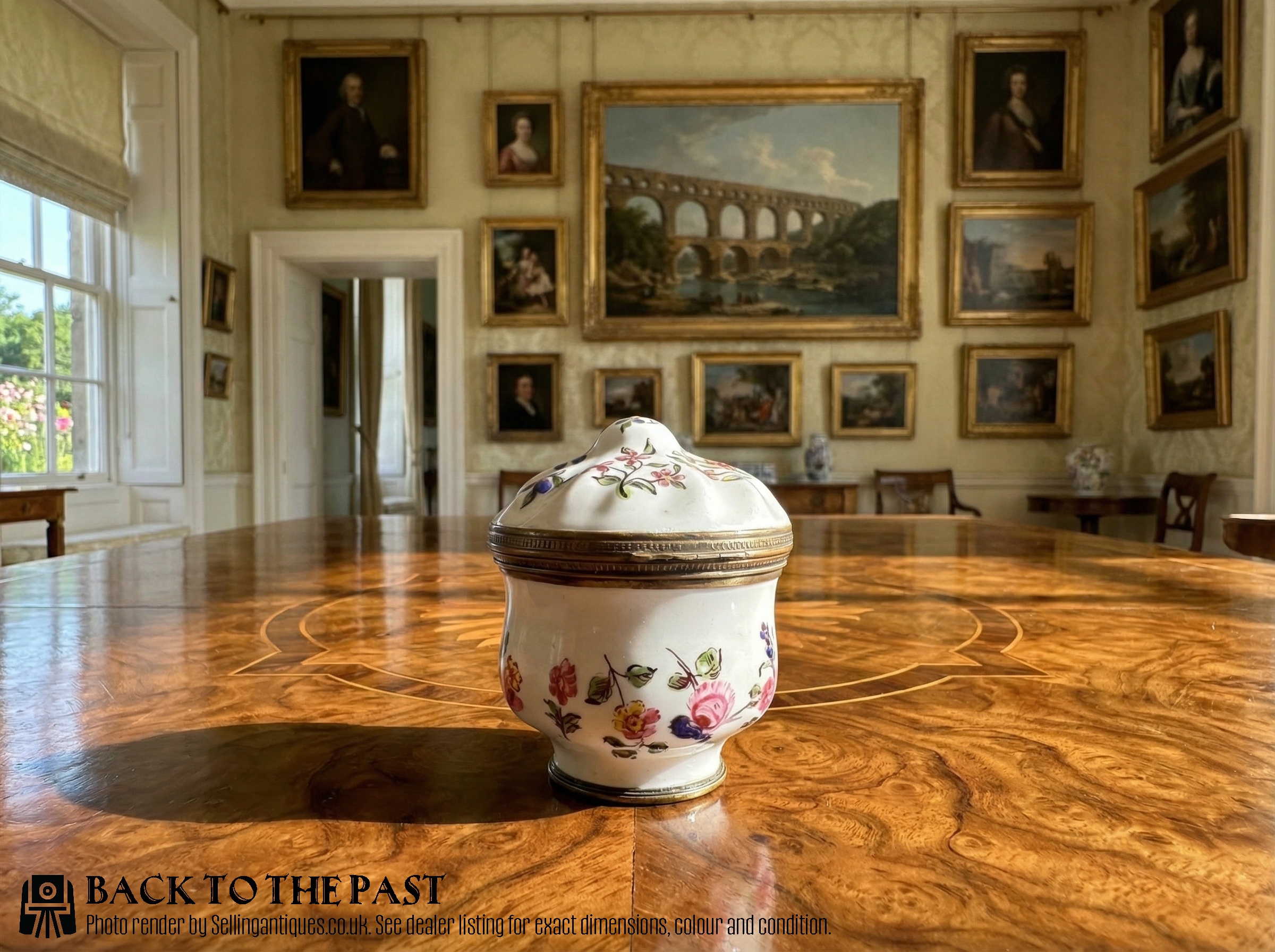
How they were made
Enamel patch boxes were produced by fusing vitreous enamel onto copper bases, often utilising gilded metal mounts and hinges to frame the composition. Artisans applied pigments by hand, firing the pieces multiple times to achieve the smooth, glossy polychrome surfaces seen on Bilston and Staffordshire examples.
Silver and gold boxes relied on metalsmithing techniques such as bright-cut engraving and casting to shape the precious metals. Artisans also incorporated natural stones, setting agate into gold frames or turning coquilla nut into detailed, compact trinket containers.
18th Century Patch Box Retail Price Guide 2026
Typical asking prices for 18th century patch box among the pieces listed under this phrase on Sellingantiques today, from the lower quarter to the upper quarter. They describe what is for sale here now, not the wider market.
Listings feature materials including copper, gilt metal, coquilla nut, and vitreous enamel.
What varies in quality
The finesse of the hand-painted decoration on the enamel lid distinguishes finer examples from simpler production. Crisp lines in the miniature scenes and carefully lettered inscriptions indicate superior workshop skill.
The precision of the metal hinge work and the quality of the gilt mounts contribute to the integrity of the piece. Well-fitted lids that close flush against the copper or silver body show a higher standard of original craftsmanship.
Samuel Pemberton
The 18th Century Patch Box Glossary
- Bilston enamel
- A term for enamel items produced in the Staffordshire town of Bilston during the 18th century. These pieces typically feature copper bases coated in white enamel and decorated with hand-painted top scenes.
- Patch box
- A small container made to hold cosmetic silk or velvet patches used in the 18th century. They frequently include an internal mirror inside the lid.
- Vinaigrette
- A small hinged box containing a perforated inner grille, designed to hold a sponge soaked in aromatic vinegar. They are often rendered in silver or gold during the late 18th century.
- Bright-cut
- An engraving technique utilising faceted cuts to create a geometric design that reflects light. This method is commonly found on silver patch boxes of the period.
- Cartouche
- An ornamental frame or panel, often shield-shaped or scroll-bordered, used to enclose an inscription or monogram on the lid of a box.
18th Century Patch Box: Frequently Asked Questions
How do I tell Bilston enamel from other boxes?
Bilston enamel pieces typically feature a smooth white enamel coating fused over a copper base, often paired with gilded metal mounts. They frequently display hand-painted topographical views, floral motifs, or sentimental inscriptions on the lid.
While Staffordshire generally was a major hub for this work, Bilston pieces are distinguished by their specific palette and enamel quality. Comparing the interior finish and hinge construction helps identify the regional origin.
Are all enamel boxes from the 18th century?
The majority of English enamel patch boxes found on the market date from the mid-to-late 18th century, particularly the Georgian era. Stylistic indicators like Rococo or Neoclassical painted borders help anchor them to this period.
One must examine the copper gauge, the tone of the enamel, and the style of the hand painting to differentiate period originals from later reproductions. The presence of period inscriptions often aids in dating.
How should I clean an antique enamel box?
Enamel surfaces require gentle care, using only a soft, dry cloth to remove dust. Moisture can seep into hairline cracks in the enamel or cause corrosion on the exposed copper base beneath.
Avoid chemical cleaners, commercial polishes, or immersion in water. Treating the hinge and metal mounts with minimal handling preserves the original gilding and fragile glass surface.