

18th Century Occasional Table
An 18th century occasional table is a versatile small surface built for domestic utility, prized for period character and compact proportions.
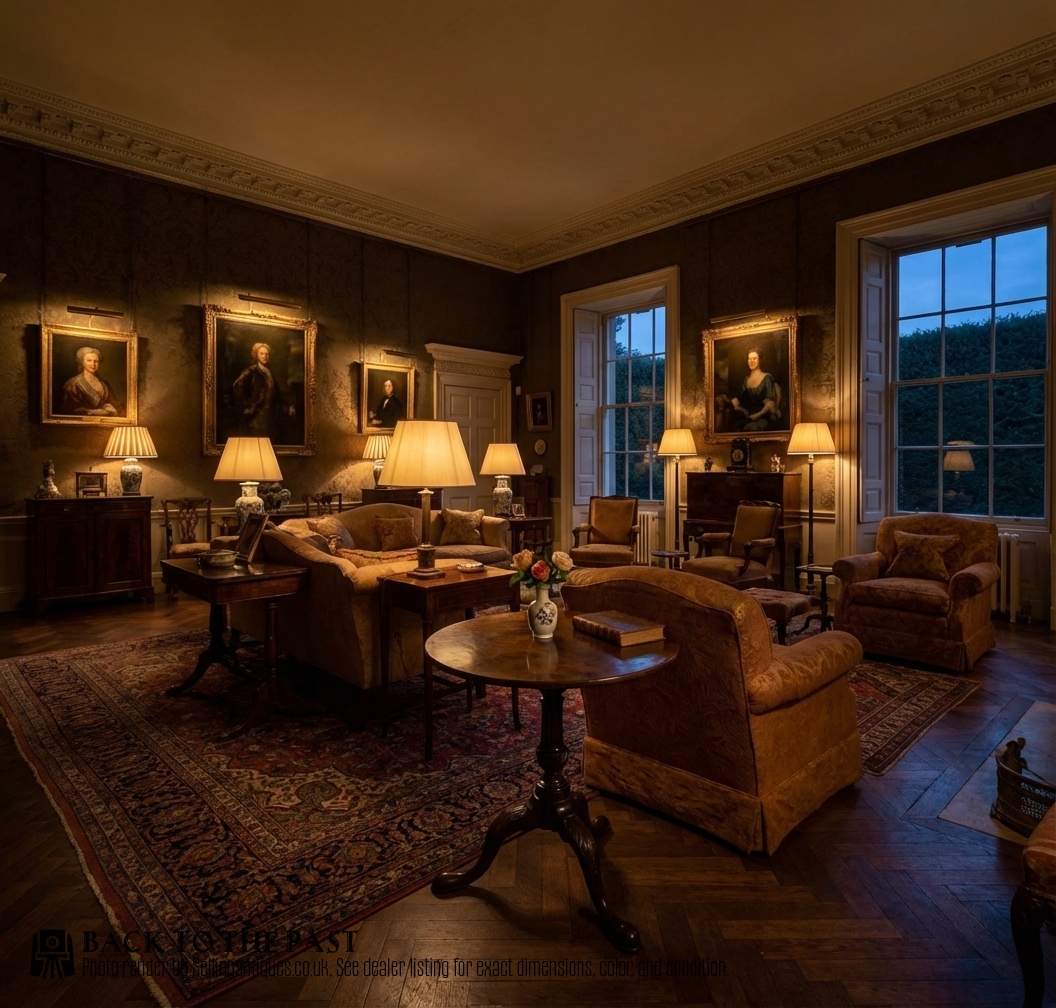
18th Century Occasional Table
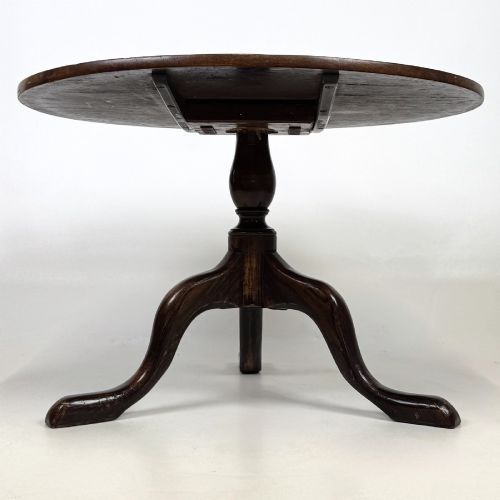
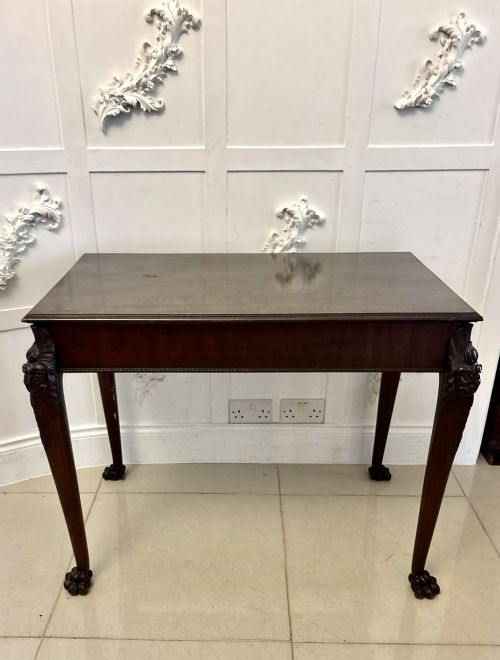
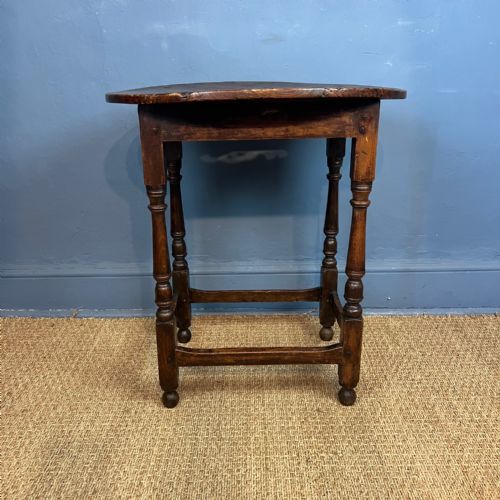
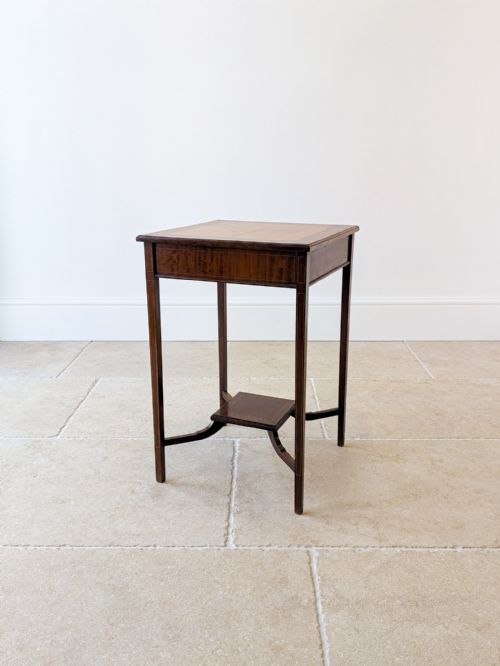
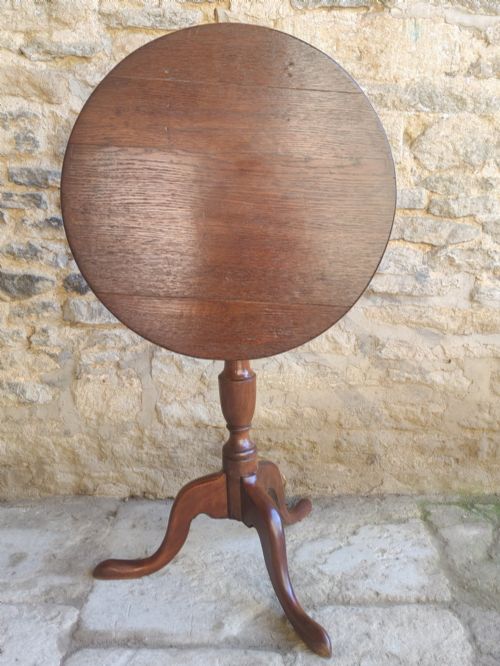
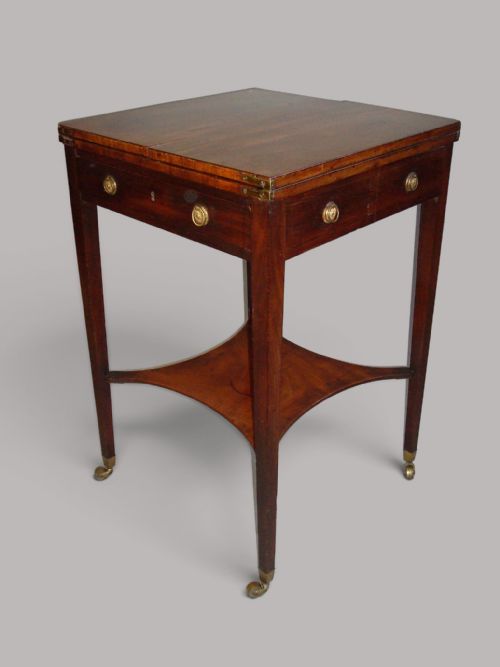
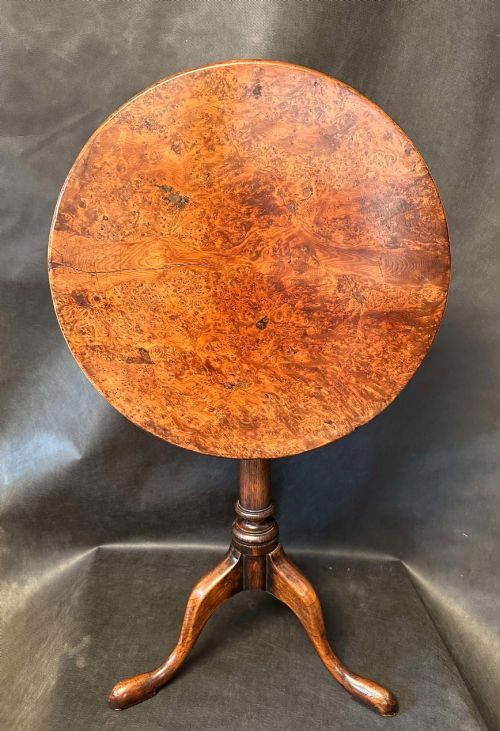
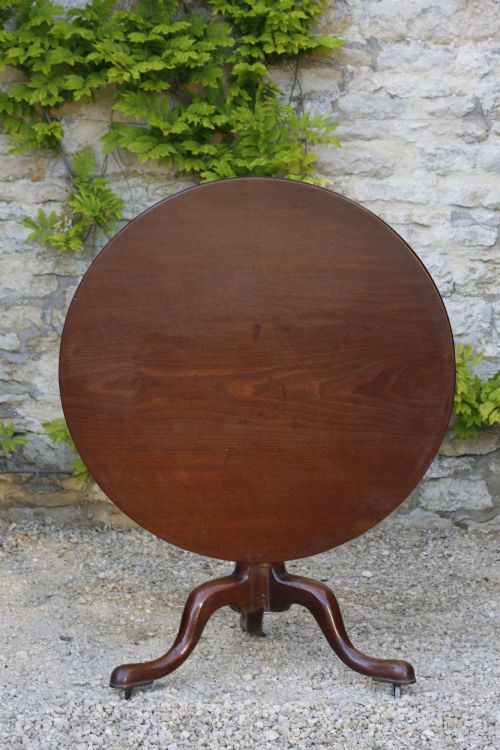
An 18th century occasional table encompasses diverse small forms designed for specific domestic tasks, from holding lamps to serving tea. The selection frequently includes tripod tables, drop-leaf gatelegs, and lowboys spanning Early Georgian, George III, and French Provincial styles.
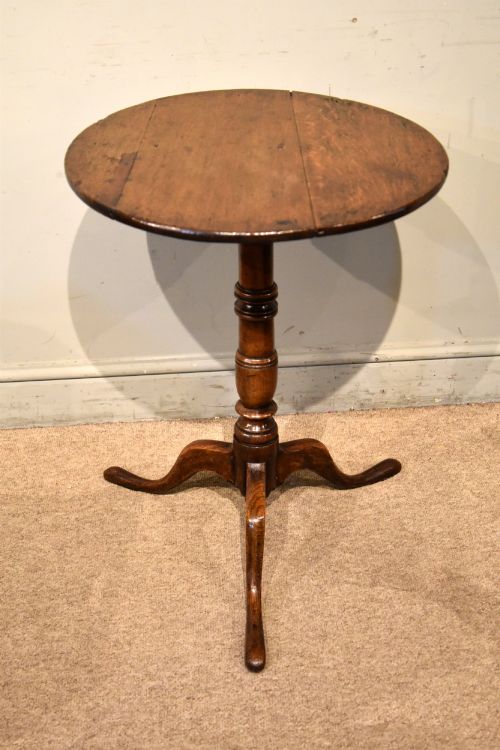
Buyers encounter sturdy oak and elm country pieces alongside sophisticated mahogany, walnut, and rosewood specimens. These tables originated to serve movable functions in the parlor, bedchamber, or dining hall.
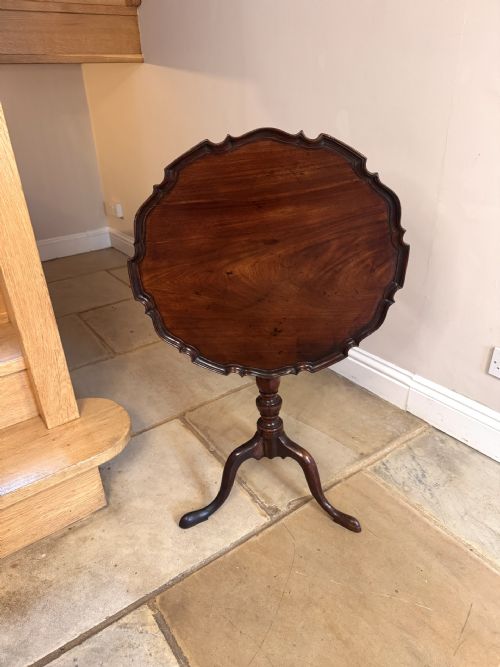
Forms range from plain circular dish tops to galleried edges and carved tilt-top supper tables. Each piece reflects the architectural tastes and social habits of the seventeen hundreds.
Materials and Construction
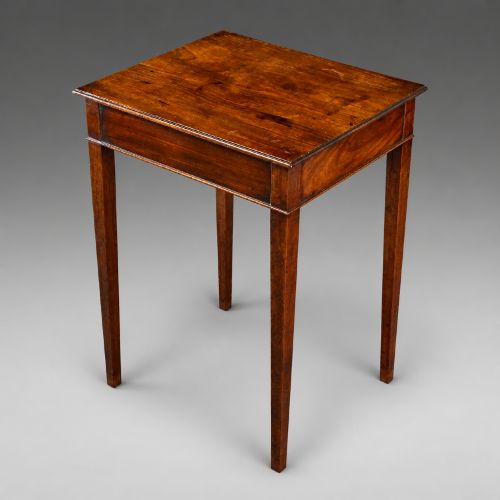
Cabinetmakers utilised native timbers such as oak, elm, pine, and cherry alongside imported hardwoods including mahogany, gonçalo alves, and walnut. Surfaces often display paint or brass hardware as functional accents.
Joinery techniques combined pegged mortise and tenon frames in earlier oak examples with sophisticated turning, dovetailing, and pivoting mechanisms found in later mahogany tripod and drop-leaf designs.
18th Century Occasional Table Retail Price Guide 2026
Typical asking prices for 18th century occasional table among the pieces listed under this phrase on Sellingantiques today, from the lower quarter to the upper quarter. They describe what is for sale here now, not the wider market.
Listings demonstrate forms in paint, brass, mahogany, oak, elm, wood, and pine across Early Georgian and George III styles.
The Spectrum of Quality
Quality rests upon the selection of timber grain, the crispness of carved details like piecrust edges and tripod legs, and the structural integrity of joints. Regional country pieces rely on robust simplicity, whereas metropolitan workshop pieces demonstrate refined proportions and decorative brass elements.
The sophistication of the mechanism, such as a smooth-tilting birdcage top or finely turned gatelegs, distinguishes standard utilitarian items from ambitious cabinet work.
The 18th Century Occasional Table Glossary
- Tripod table
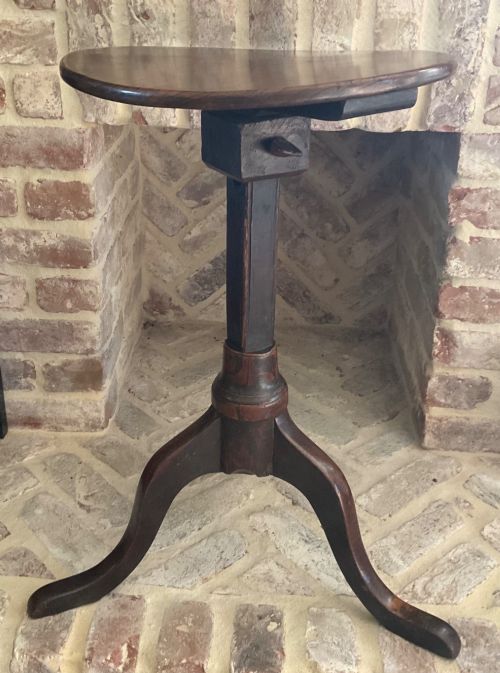
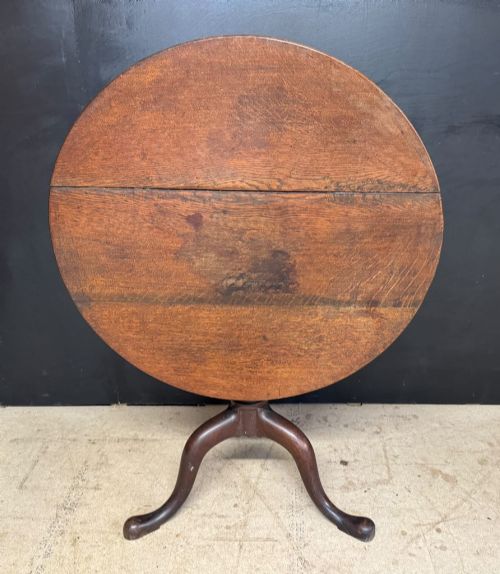
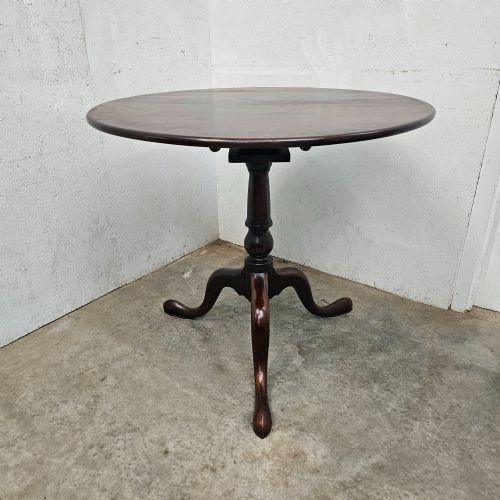
- A small circular table supported by a pillar on three spreading legs. This form gained immense popularity during the Georgian period for tea or candle display.
- Tilt-top
- A table mechanism featuring a hinged top that folds vertically when not in use. It allowed the furniture to stand flat against a wall to save domestic floor space.
- Lowboy
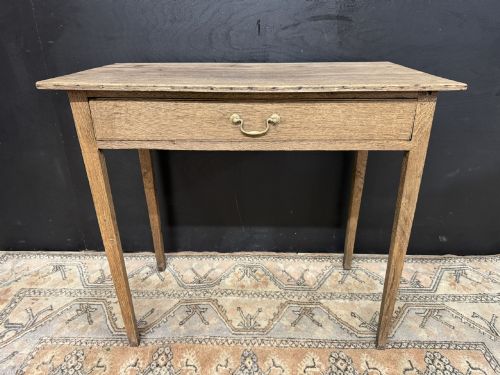
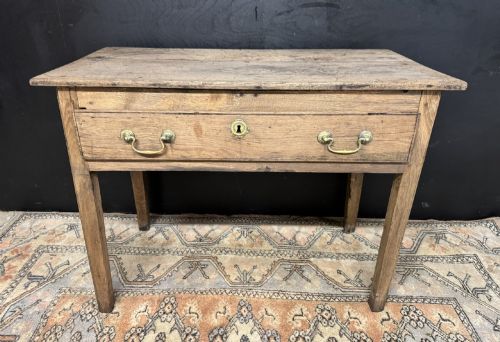
- A small side table or dressing table equipped with drawers. These low forms typically feature cabriole or straight legs and served writing or storage roles in hallways and chambers.
- Gateleg table
- A drop-leaf table with hinged flaps supported by hinged legs that swing out like a gate. This design permitted surfaces to expand for dining or contract for occasional use.
- Piecrust table
- A round table top with a raised, carved, undulating rim resembling pastry work. This decorative edge prevented items from sliding off during use.
18th Century Occasional Table: Frequently Asked Questions
How were occasional tables used?
These movable pieces served flexible domestic roles rather than fixed positions in the home. They supported lamps, tea services, writing materials, and wine decanters.
Occupants shifted them around rooms as social habits and lighting needs dictated throughout the day.
What woods were commonly used?
Cabinetmakers worked with both native and imported timber depending on the region and workshop. Oak, elm, pine, and cherry appeared frequently in country vernacular furniture.
Mahogany, walnut, and rosewood dominated refined urban pieces, particularly during the Georgian era.
How do I identify a tilt-top mechanism?
A tilt-top design includes a pivoting catch beneath the surface that allows the horizontal board to lock flat or swing upright. This clever engineering saved valuable floor space in 18th-century interiors.
Early versions often incorporated a revolving block known as a birdcage beneath the top.
What distinguishes a lowboy?
A lowboy functions as a compact table featuring one or more rows of drawers beneath the main surface. They typically stood in halls or bedchambers for dressing or writing.
Their proportions remain low to the ground, supported by slender cabriole or straight legs.