



18th Century Oak Shelves
These 18th century oak shelves bring honest, tactile grain and enduring practical utility to any room.
18th Century Oak Shelves
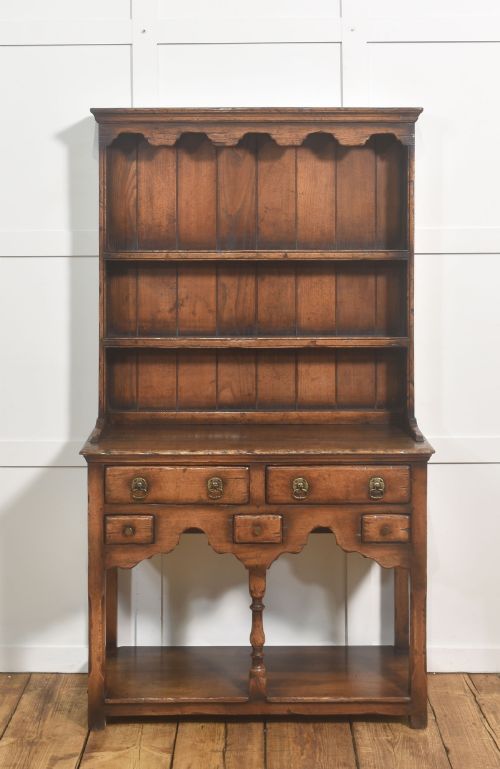
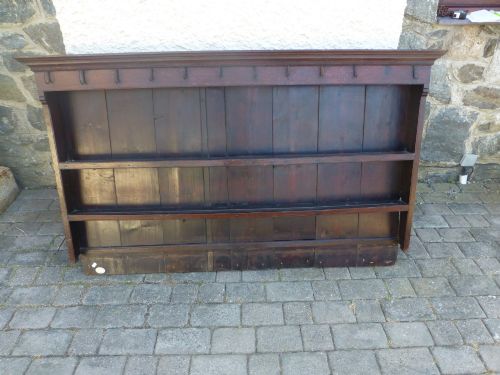
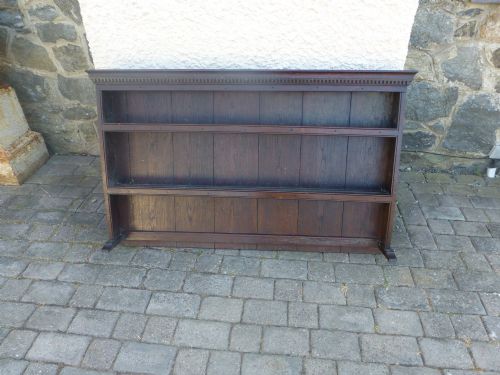
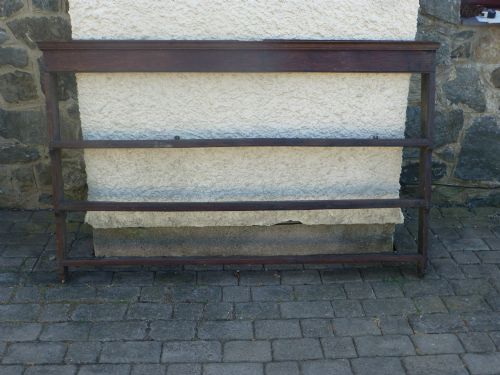
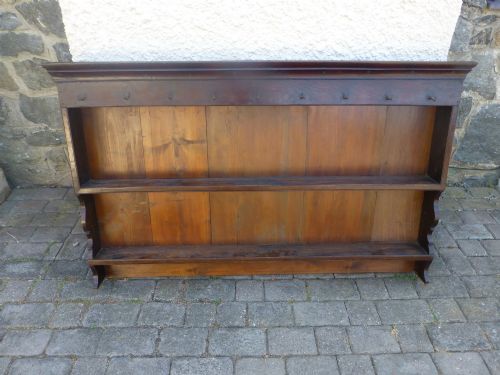
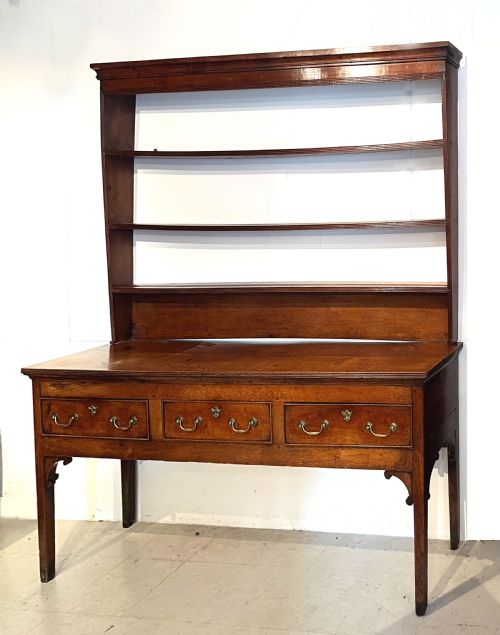
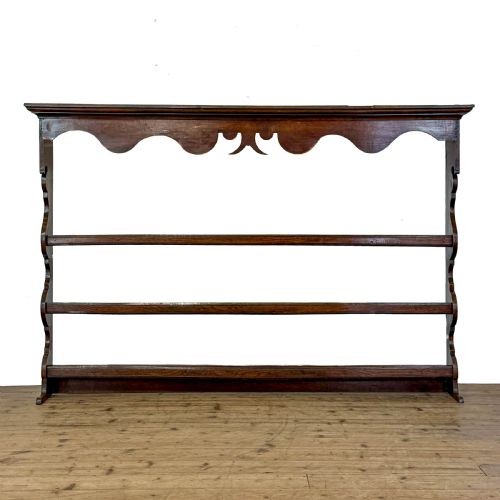
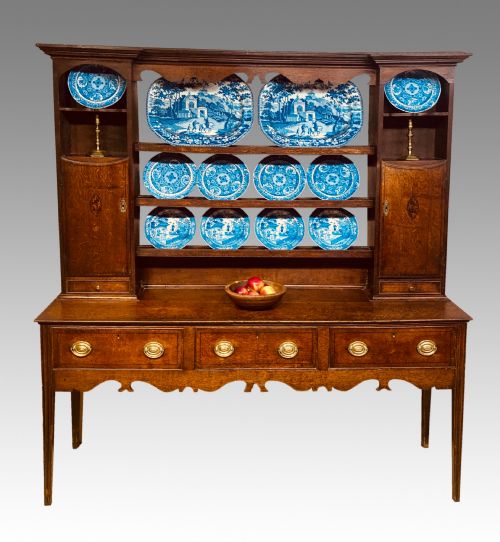
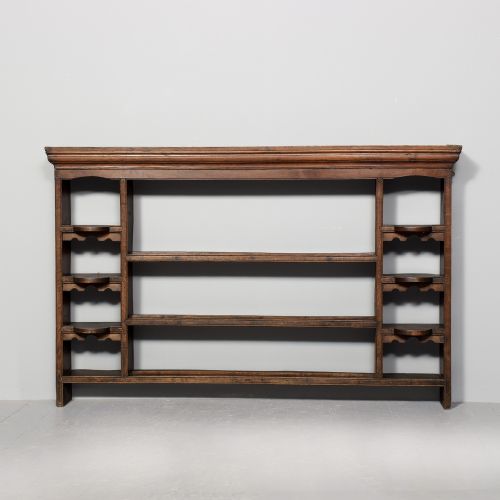
When you search for 18th century oak shelves, you encounter sturdy domestic storage pieces built primarily for functional use in kitchens and living spaces. These items span wall-mounted plate racks, hanging racks, and larger dresser bases paired with upper display shelves.
The examples found here range from English country and Welsh vernacular pieces to French provincial forms. You will frequently meet wall shelves, hanging racks, and complete dressers with integrated shelving designed to display ceramics and household goods.
Origins in the evidence stretch across regional workshops in England, Wales, and continental Europe. Each piece reflects the everyday needs of rural households through straightforward construction and robust proportions.
How they were made
The primary material across these pieces is solid oak, sometimes accompanied by secondary timbers such as pine or mahogany in internal or backing sections. Workshops utilised traditional joinery and sturdy boards to support heavy ceramic plates and provisions.
Metal components typically involve wrought iron or brass hinges, hooks, and hanging brackets. Surface decoration remains minimal, though certain pieces incorporate carved details, shaped sideboards, or classical columns.
Finishes develop naturally through decades of domestic use and polishing, ranging from deep brown patinas to lighter bleached surfaces.
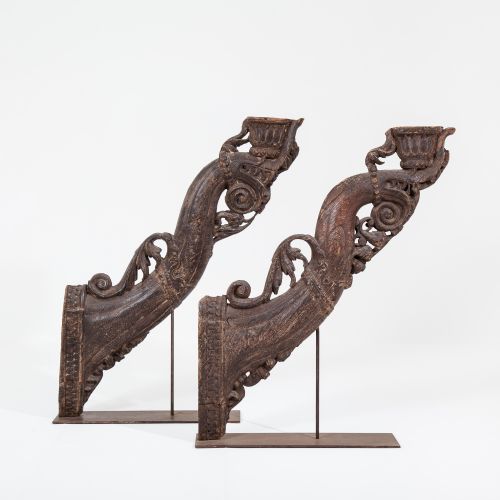
Regional variations span English country, Welsh vernacular, and French provincial styles featuring architectural brackets and Corinthian columns.
What varies in quality
Quality in these items is defined by the integrity of the timber and the architectural proportion of the shelving layout. Pieces retaining their original hanging brackets, backboards, and undisturbed surfaces stand apart from heavily restored examples.
Regional detailing also distinguishes the range, where crisp carving, well-turned columns, or balanced cornices elevate vernacular forms into finer examples of country furniture. The harmony between the base furniture and upper racks determines the overall coherence of a dresser.
The 18th Century Oak Shelves Glossary
- Plate rack
- A wall-mounted or dresser-integrated shelving unit featuring narrow ledges and wooden uprights specifically designed to hold ceramic plates upright. This form keeps everyday tableware accessible and dry.
- Delft rack
- A traditional open shelving tier used to display tin-glazed earthenware and porcelain plates. These racks form the upper section of many country dressers.
- Welsh dresser
- A large two-part kitchen storage item combining lower cupboards or potboards with an open plate rack above. These pieces anchor traditional rustic interiors.
- Cricket table
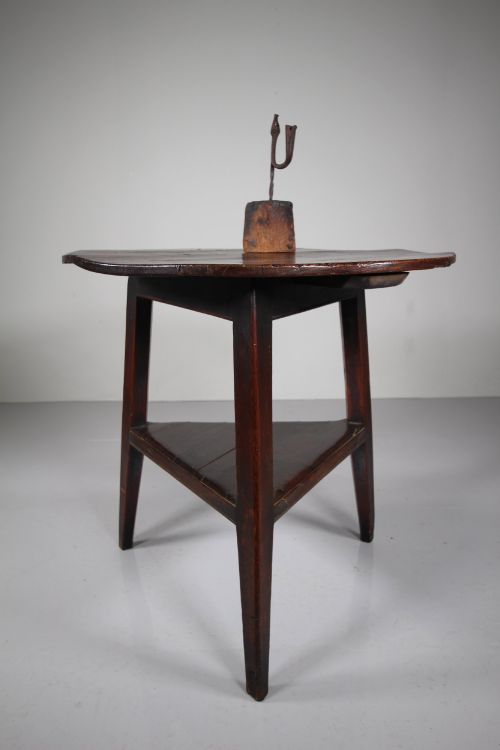
- A small, lightweight occasional table featuring three splayed legs and a round wooden top. They appear alongside shelving within country furniture categories.
- Cornice
- The decorative moulded projection running along the top edge of a cupboard or shelving unit. It provides a finished architectural cap to wall furniture.
18th Century Oak Shelves: Frequently Asked Questions
How do I hang heavy oak wall shelves safely?
Secure the shelves directly into structural wall studs or masonry using appropriate heavy-duty fixings matched to the weight of the solid timber.
Verify that the original hanging points or brackets are sound before transferring any load to the wall.
Where were these shelves typically used in the home?
Kitchens and sculleries housed the majority of these racks for holding everyday plates, platters, and mugs.
Dining spaces and pantries also utilised them to display earthenware and store provisions.
How do I care for antique oak furniture?
Maintain the timber by applying natural beeswax sparingly and buffing with a soft cloth to nourish the dry grain.
Keep the wood away from direct heat sources and rapid humidity fluctuations to prevent warping.
What is the difference between a wall rack and a dresser?
A wall rack is a self-contained shelving unit designed to mount directly onto a wall surface.
A dresser combines an upper shelving rack with a lower cabinet, sideboard, or potboard base.