

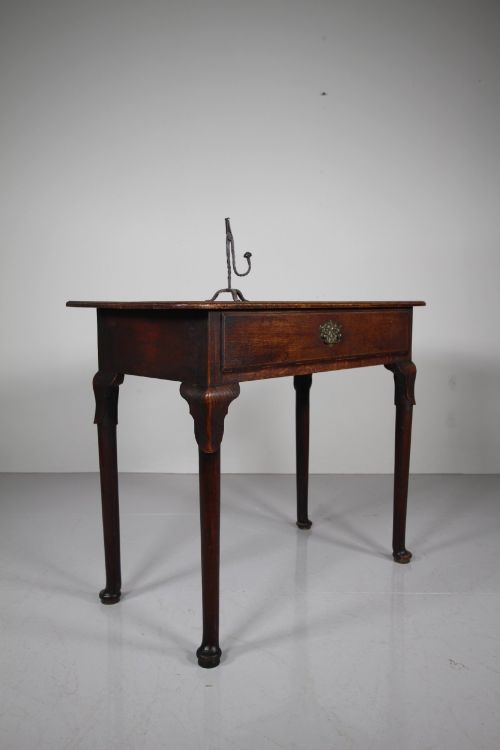
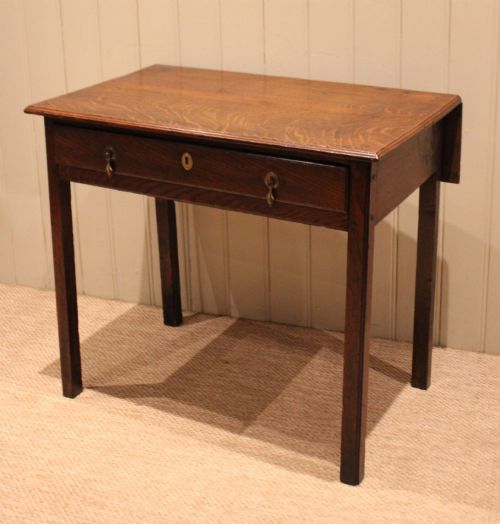
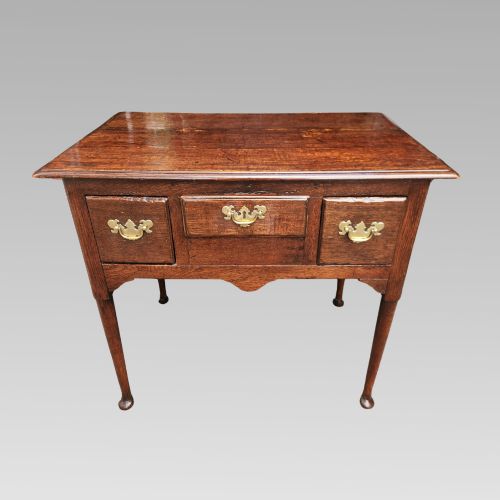
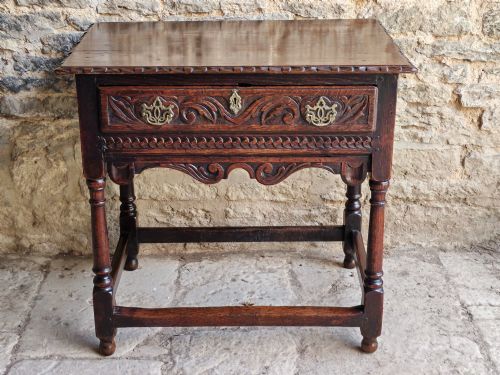
18th Century Oak Lowboy
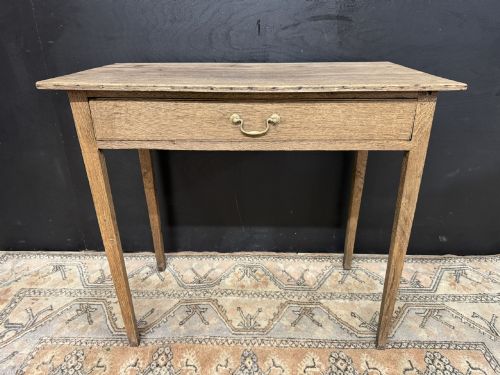
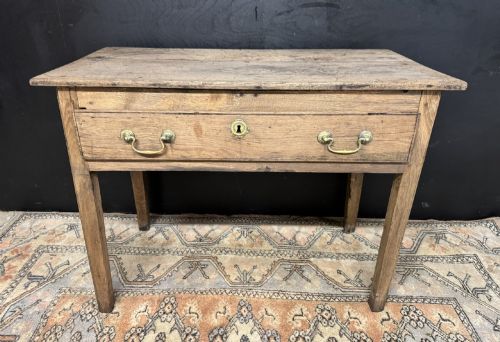
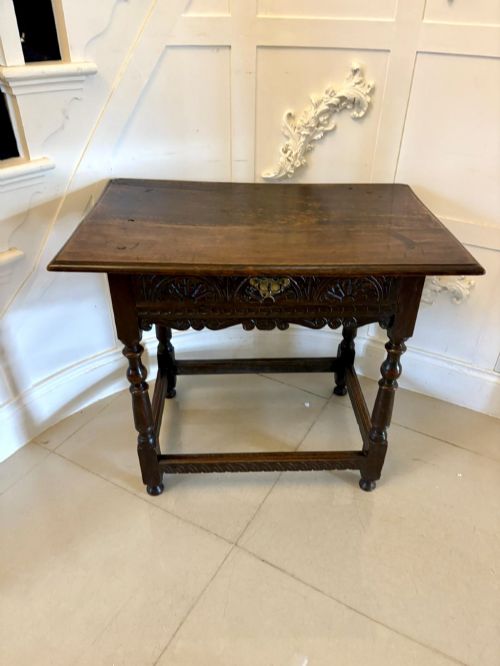
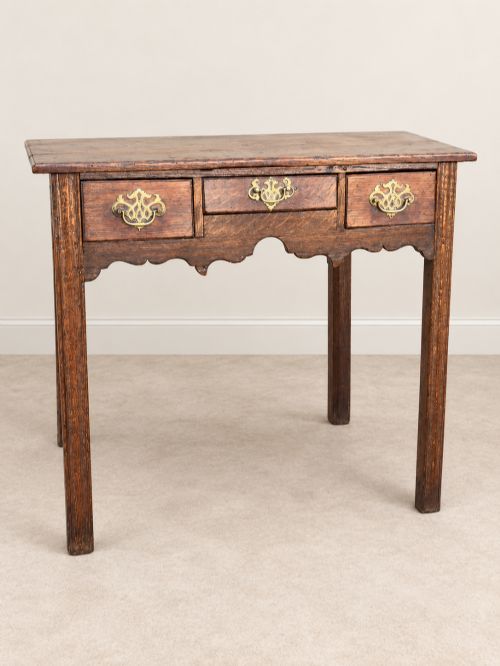
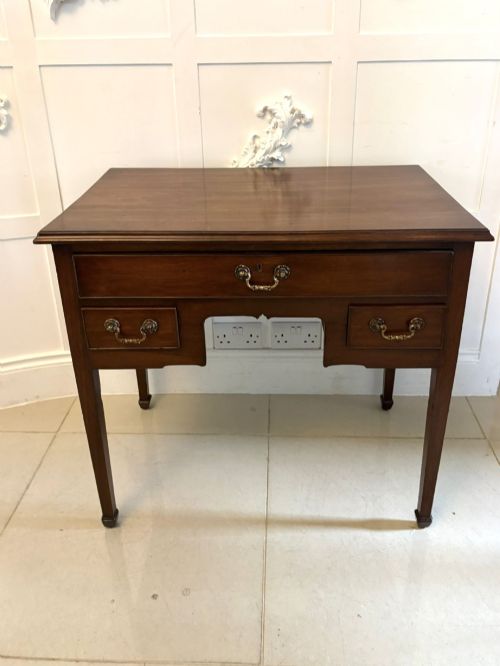
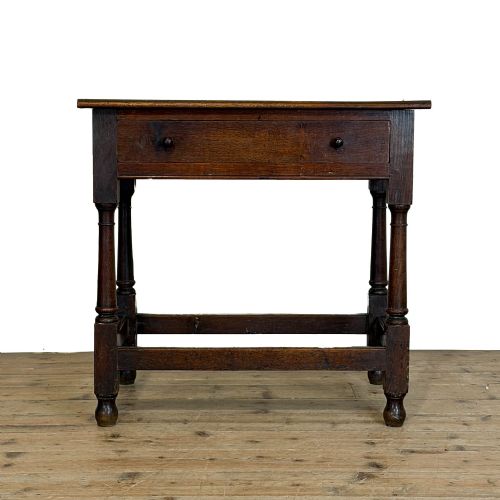
An 18th century oak lowboy provides a compact serving or dressing surface with practical drawers beneath.
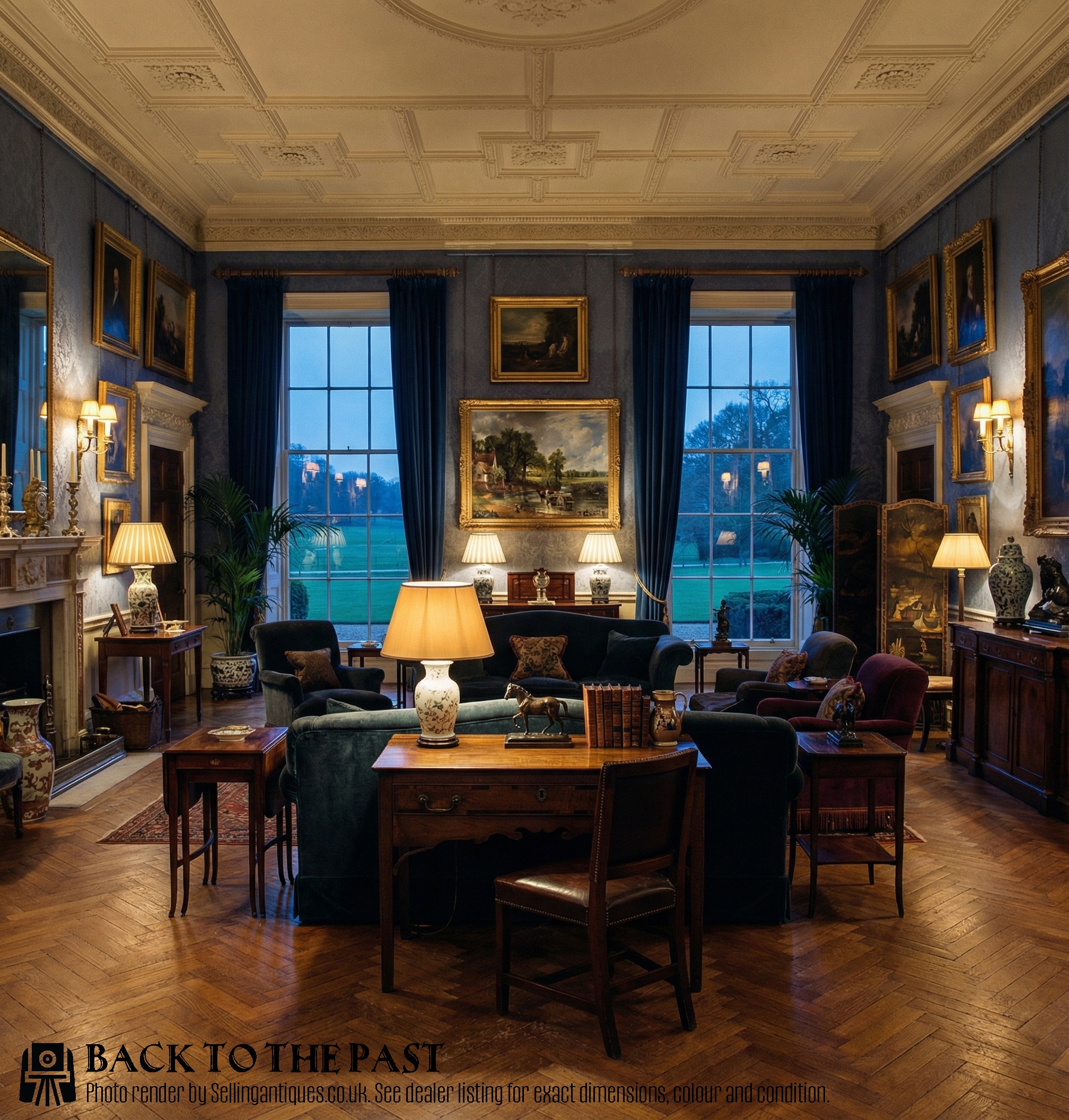
18th Century Oak Lowboy
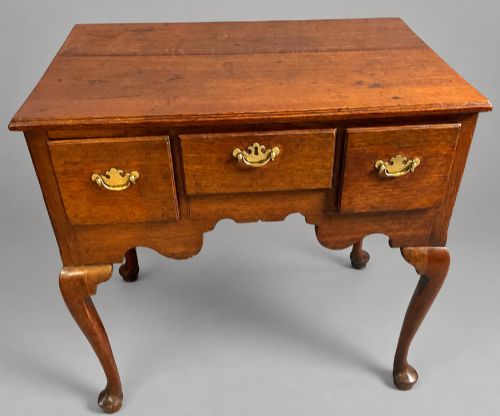
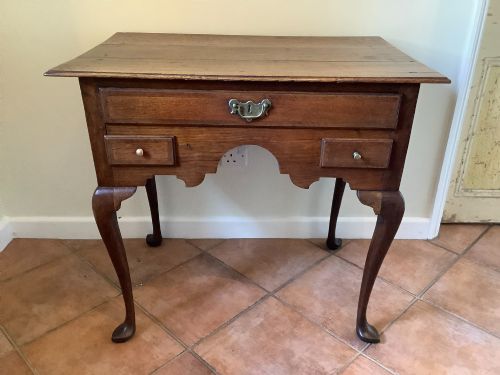
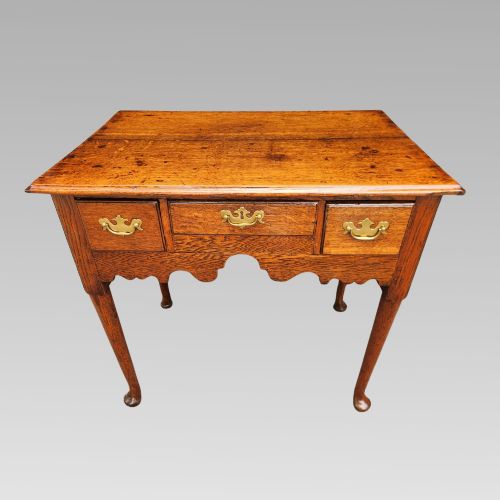
An 18th century oak lowboy is a small table designed with drawers, commonly associated with the Georgian era and country styles. These tables function as dressing surfaces, side tables or compact servers in traditional interiors.
Most examples found in these records belong to the 18th century or the Georgian period, often showcasing regional English or Welsh craftsmanship. Makers frequently combined oak with secondary timbers like elm, yew or mahogany for drawer linings and internal framing.
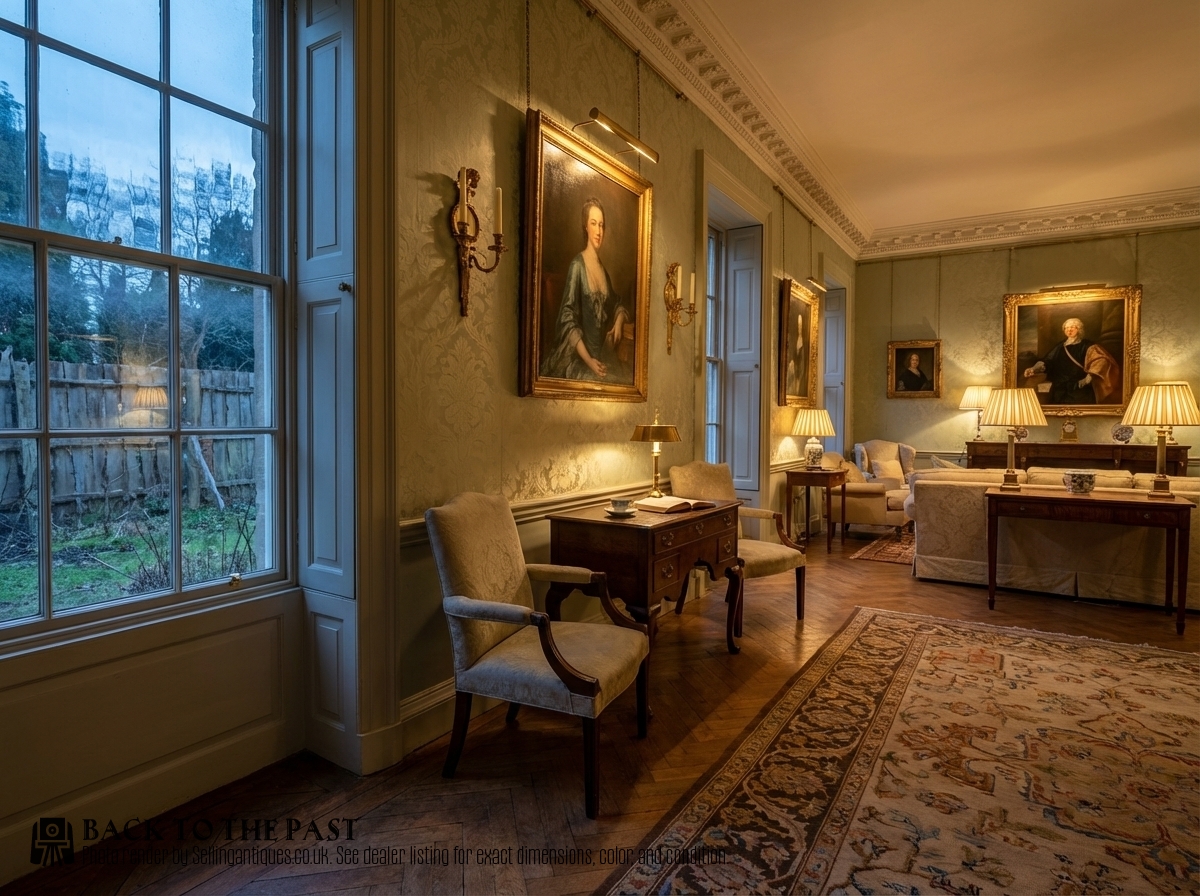
Materials and Construction Techniques
Carpenters built these lowboys primarily using solid oak, frequently augmented with secondary woods such as elm, yew and walnut. Brass hardware, including drop handles and escutcheons, secures the drawer fronts on many specimens.
Construction methods involve traditional joinery, with timber boards joined to form the tabletop, frame and drawer boxes. Surfaces often display natural patination, bleaching or geometric moulding depending on the specific period and region of origin.
18th Century Oak Lowboy Retail Price Guide 2026
Typical asking prices for 18th century oak lowboy among the pieces listed under this phrase on Sellingantiques today, from the lower quarter to the upper quarter. They describe what is for sale here now, not the wider market.
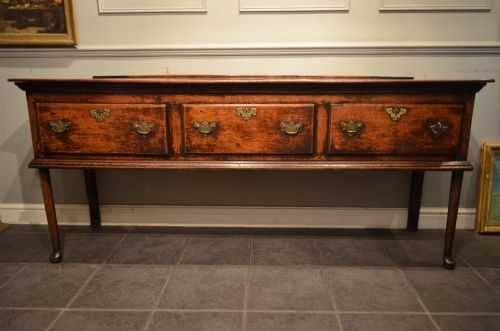
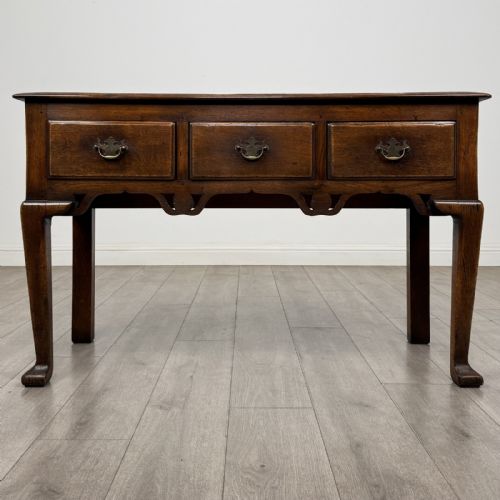
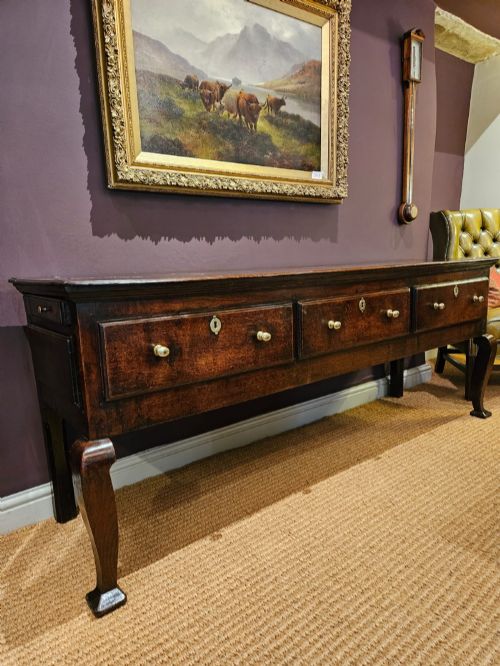
Table forms span simple side tables, lowboys, cabriole leg dressers and geometric moulded dresser bases.
Factors Distinguishing Quality
Quality in these tables depends heavily on the crispness of the timber grain, the selection of secondary woods like yew or walnut, and the sophistication of the leg design. Elaborate elements such as cabriole legs, geometric mouldings and crossbanding elevate certain examples above plain country pieces.
The integrity of the original construction, including the survival of brass hardware and the smoothness of drawer operation, separates finer examples from heavily altered ones. Proportion and timber colour also influence the standing of an individual lowboy within the range.
The 18th Century Oak Lowboy Glossary
- Lowboy
- A small side table or dressing table fitted with one or more drawers. This form became widely popular during the early 18th century.
- Cabriole Leg
- A furniture leg that curves outward at the knee and tapers inward toward the ankle, often ending in a pad foot.
- Crossbanding
- A decorative border of veneer laid with the grain running perpendicular to the surrounding wood. This technique appears on selected Georgian pieces.
- Dresser Base
- A low sideboard or table base with drawers, closely related in form and function to larger lowboys. These pieces frequently share the same oak construction.
- Geometric Moulding
- Raised rectangular or panelled ornamentation applied to drawer fronts or frames, characteristic of early 18th century joinery.
18th Century Oak Lowboy: Frequently Asked Questions
What is a lowboy used for?
These tables served primarily as dressing tables in bedrooms or as small side tables in halls and living spaces. The integrated drawers provided convenient storage for personal items or linens.
In contemporary settings, they function effectively as compact desks, hallway tables or accent pieces beneath mirrors.
How can I tell a George II lowboy?
George II examples often feature characteristic design details such as cabriole legs and shaped aprons beneath the drawers. These pieces generally date from the mid 18th century.
Finer versions may incorporate walnut veneers or crossbanding alongside the primary oak structure.
Are all lowboys made of oak?
While oak serves as the predominant primary timber, makers frequently utilised other woods in their construction. Elm, yew, walnut and mahogany appear alongside oak in various combinations.
Secondary timbers were commonly used for drawer linings, internal framing or decorative banding.
What distinguishes Welsh lowboys?
Welsh lowboys often reflect robust country-made traditions using local oak and straightforward joinery. These regional pieces can display distinctive proportions or leg treatments.
They offer a variation from formal London-made furniture of the same Georgian period.