

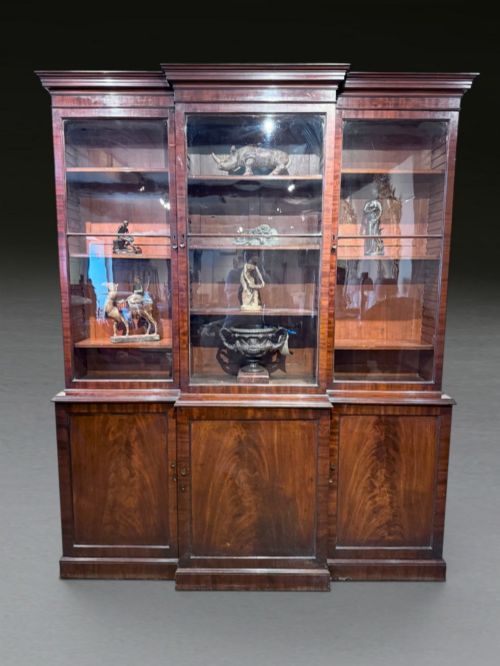
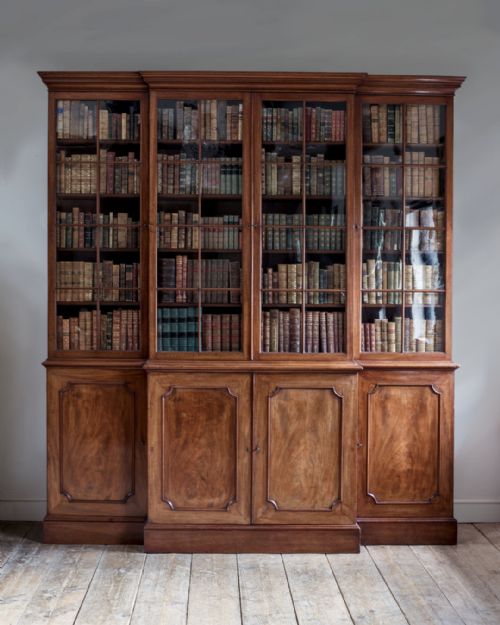
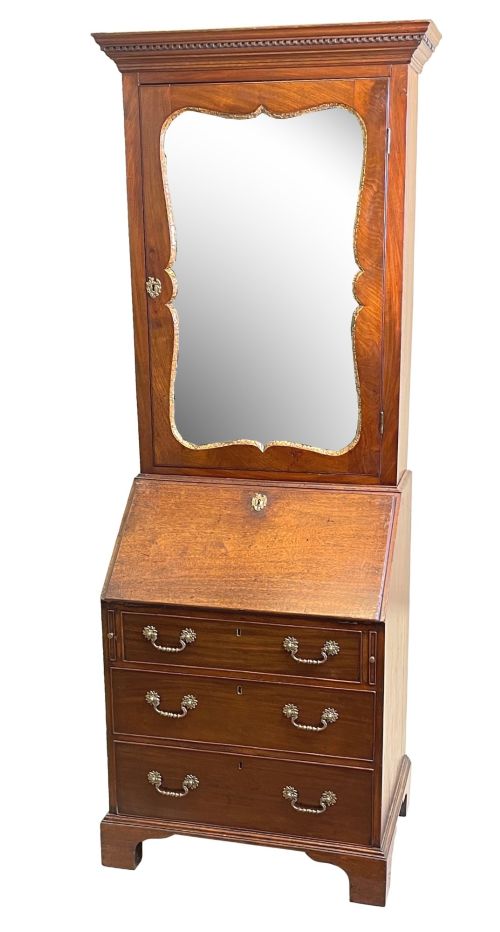
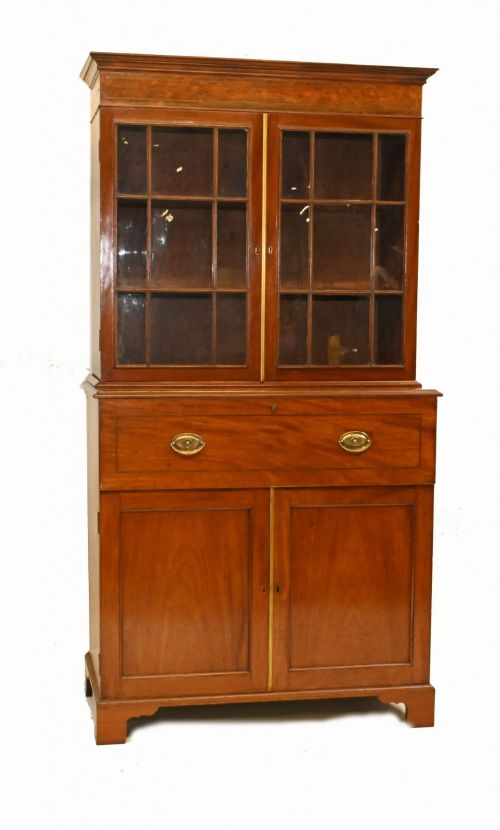
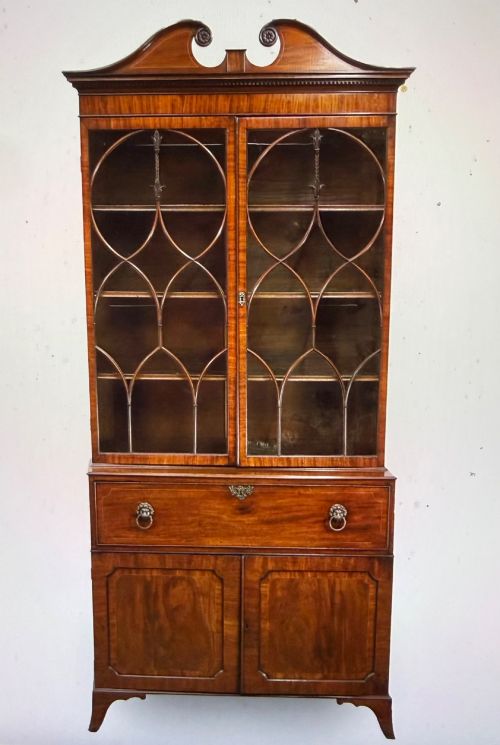
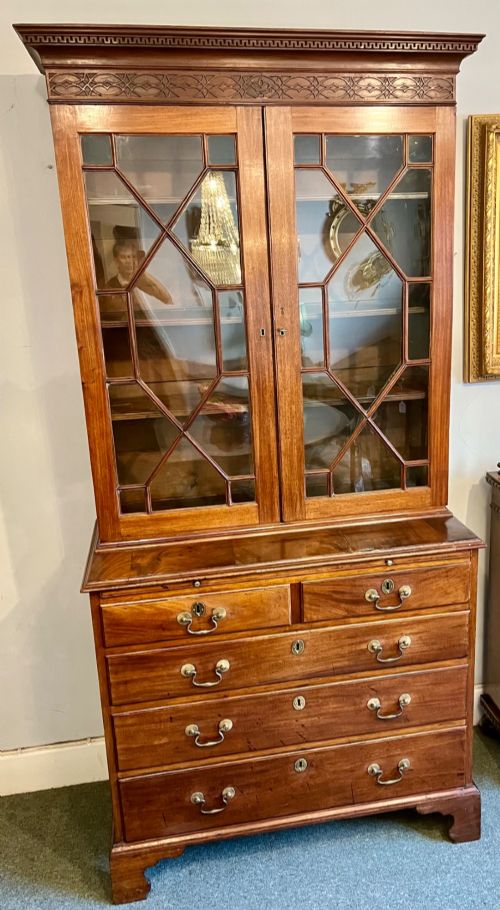
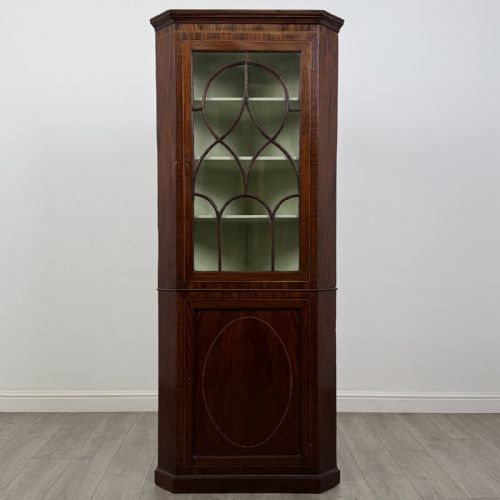
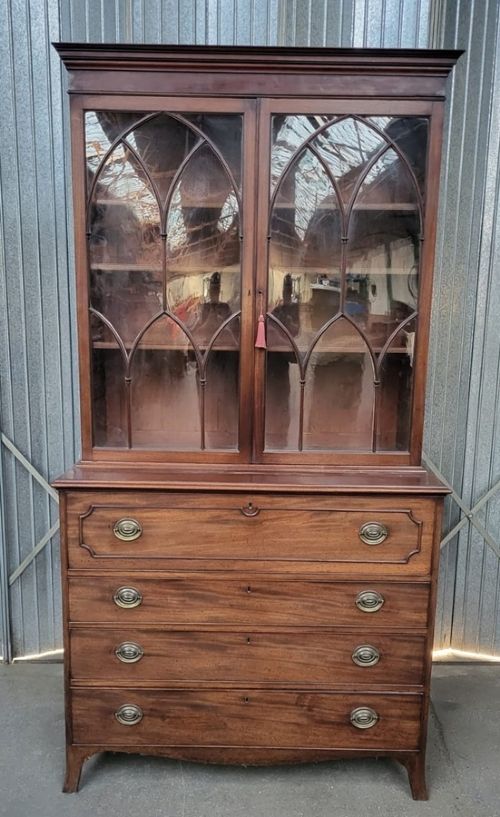


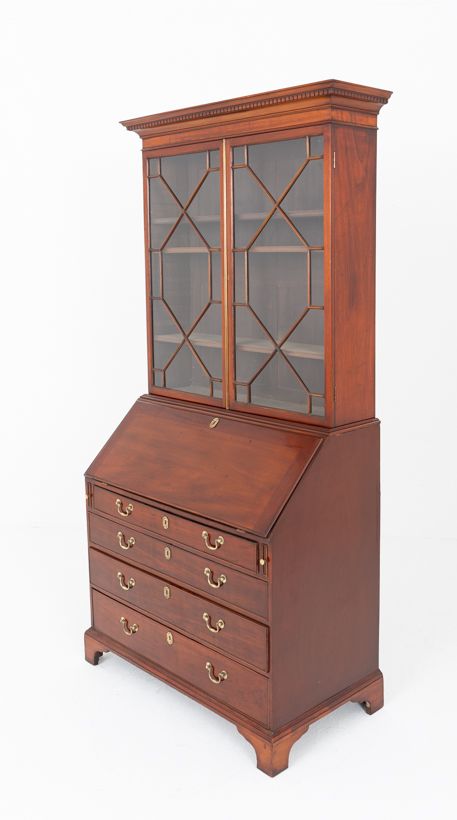
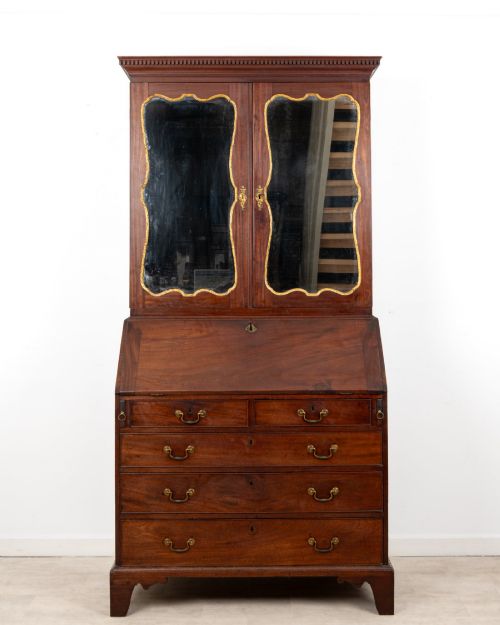
18th Century Mahogany Bookcase
An 18th century mahogany bookcase brings enduring craftsmanship and warmth to a room, offering both display and concealed writing space.
18th Century Mahogany Bookcase
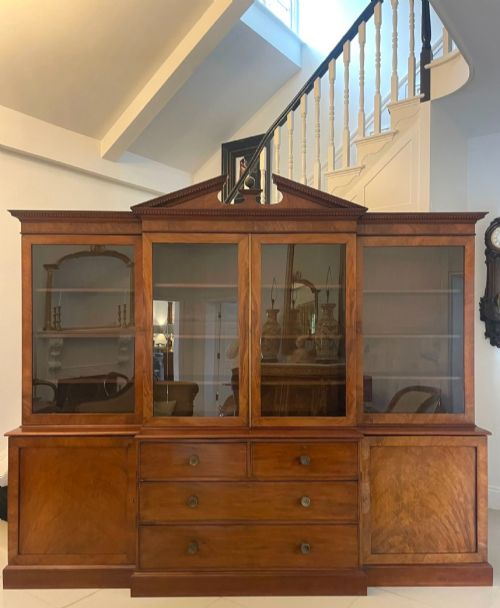
When searching for an 18th century mahogany bookcase, buyers encounter tall library pieces, breakfronts, and corner cabinets alongside practical bureau bookcases.
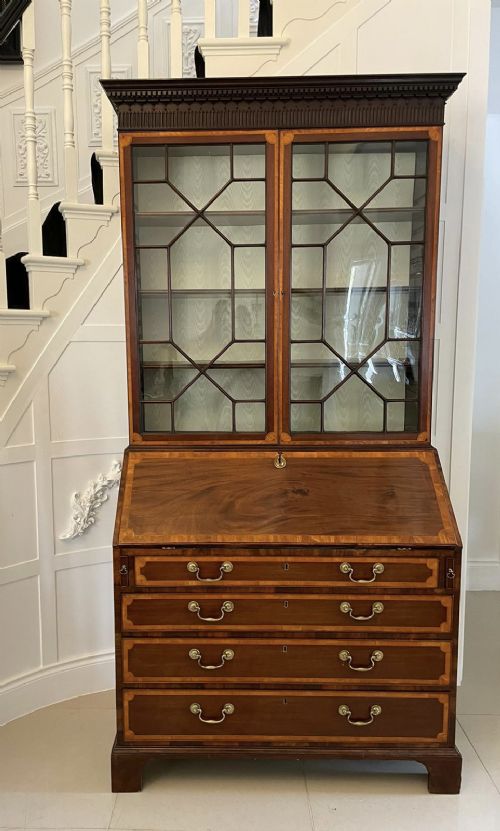
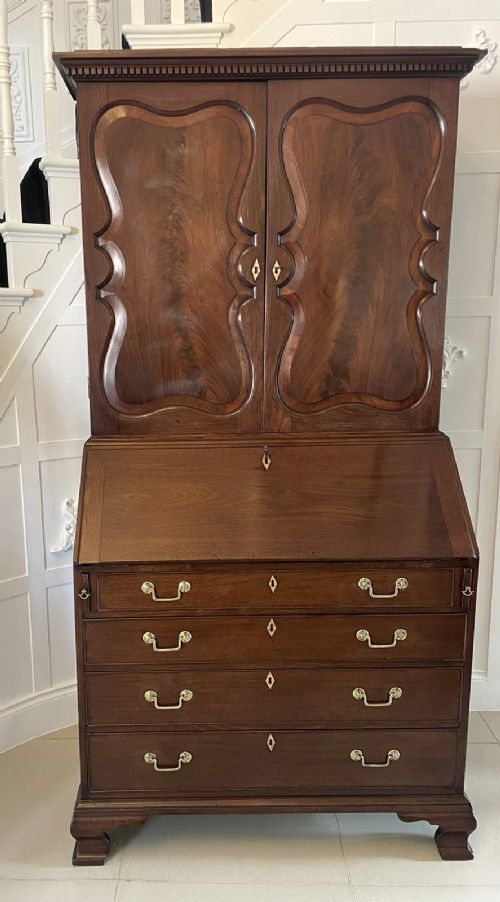
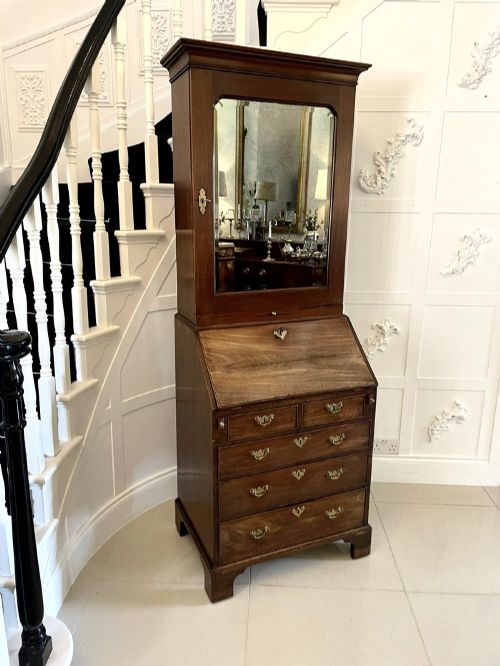
Bureau bookcases and secretaire variants dominate the selections, combining a fitted desk drawer with upper glazed shelving for books and papers.
The prevailing styles span the Georgian era, including George II and George III designs, frequently reflecting Chippendale influences in their proportions.
What varies in quality
Quality rests on the selection of figured mahogany timber, the crispness of carved details, and the preservation of original brass hardware and glass.
Proportion and internal cabinet architecture distinguish standard examples from exceptional library pieces attributed to master workshops.
18th Century Mahogany Bookcase Retail Price Guide 2026
Typical asking prices for 18th century mahogany bookcase among the pieces listed under this phrase on Sellingantiques today, from the lower quarter to the upper quarter. They describe what is for sale here now, not the wider market.
Listings demonstrate that mahogany is frequently paired with oak and satinwood inlay across Georgian bureau bookcases.
Thomas Chippendale·William Kent·Thomas Shearer
The 18th Century Mahogany Bookcase Glossary
- Secretaire
- A desk drawer featuring a drop-front that conceals small pigeonholes and letter drawers. It turns a bookcase into a functional writing cabinet.
- Astragal
- The wooden moulding strips that divide the glass panes in glazed bookcase doors. They form geometric or Gothic patterns typical of the period.
- Breakfront
- A large piece of furniture where the central section projects forward from the flanking wings. This architectural layout creates depth and grandeur.
- Pediment
- The decorative crown at the top of a bookcase, often built in a broken arch or swan-neck design. It frames the upper silhouette of tall cabinets.
- Marquetry
- Decorative veneer work arranged in intricate patterns using contrasting timbers such as satinwood. It adds ornamental detail to door panels and drawer fronts.
18th Century Mahogany Bookcase: Frequently Asked Questions
How do I distinguish a George II from a George III bookcase?
George II pieces often display heavier proportions, rich carving, and architectural elements influenced by designers like William Kent.
George III examples generally lean towards lighter lines, refined astragal glazing, and delicate satinwood inlay work.
How should I care for an 18th century mahogany bookcase?
Keep the wood away from direct sunlight and steady heat sources to prevent the timber from drying and cracking.
Apply traditional beeswax polish sparingly to maintain the natural patina without building up greasy layers.
Are the glass panes in these bookcases usually original?
Many bookcases retain their original hand-blown window glass, which shows subtle ripples and minor surface imperfections.
Replacement panes often appear too flat and clear by comparison under reflected light.