
Antique Cabinet on Cupboard
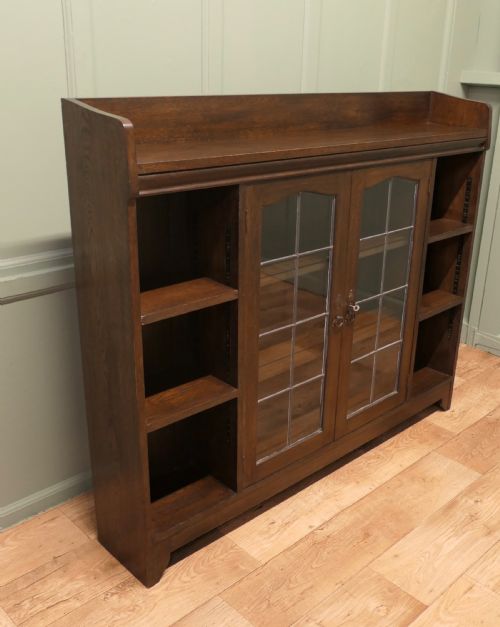
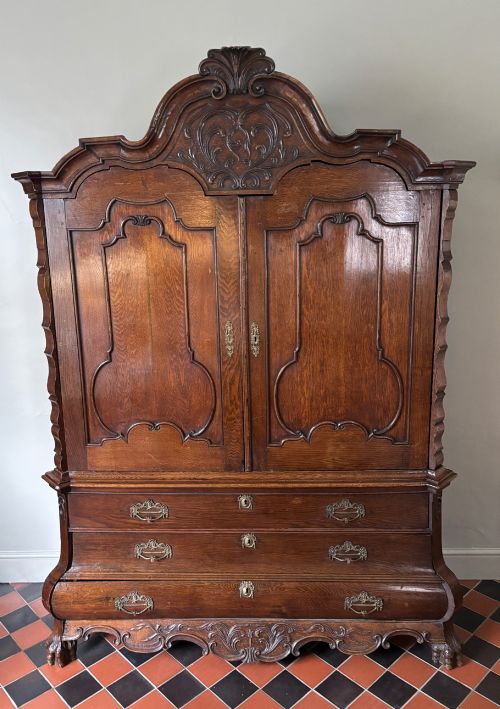
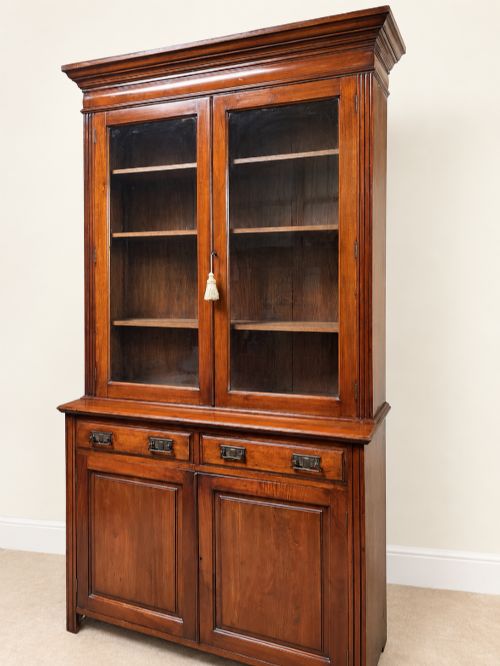
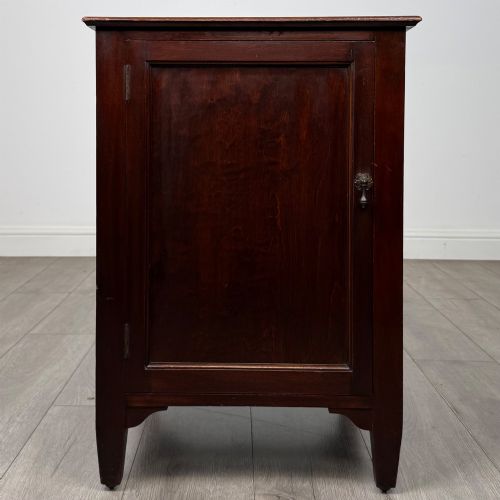
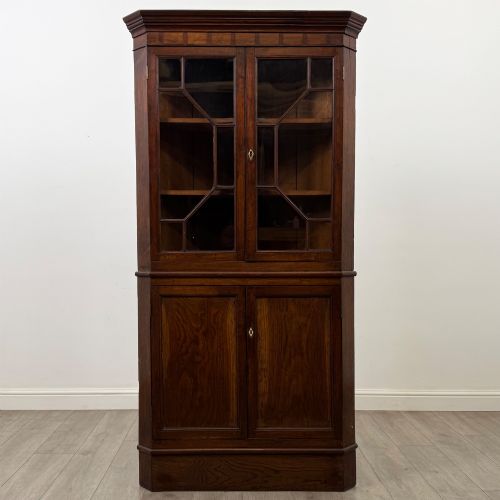
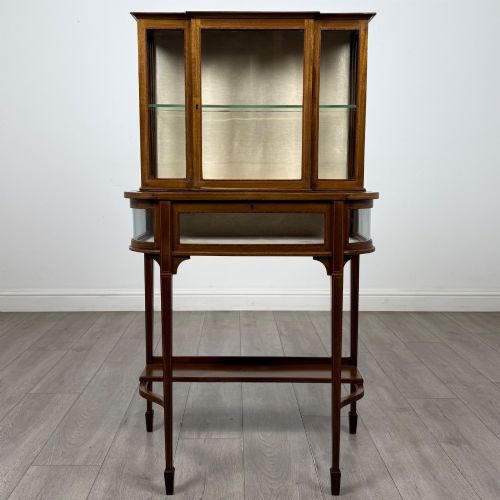
When exploring antique cabinet on cupboard options, collectors encounter stacked storage forms uniting upper display or enclosed shelving with lower cupboard bases.
Antique Cabinet on Cupboard
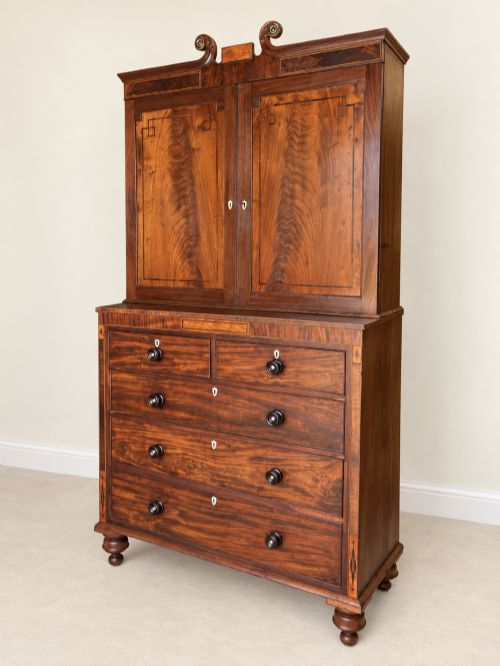
The term antique cabinet on cupboard describes stacked furniture where an upper display case, bookcase, or storage compartment sits securely upon a lower enclosed cupboard base. These pieces evolved to provide multi-tier household storage, combining accessible upper display surfaces with concealed lower utility.
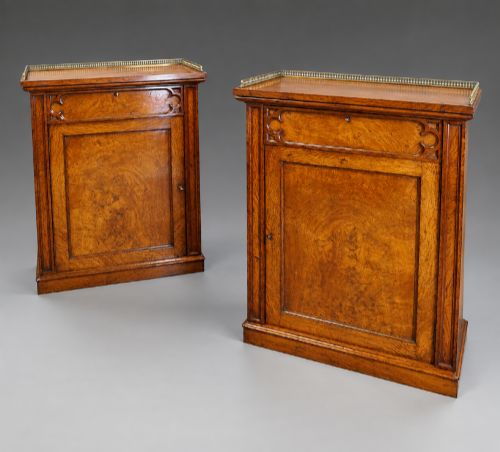
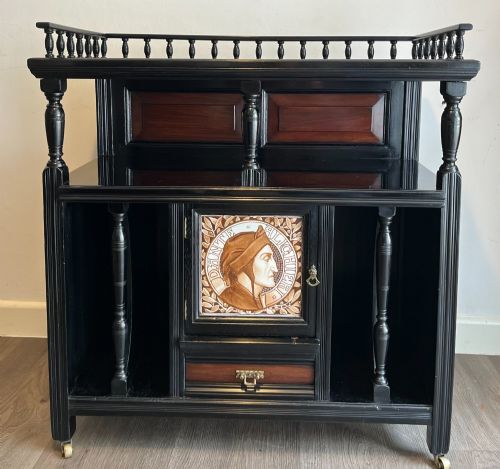
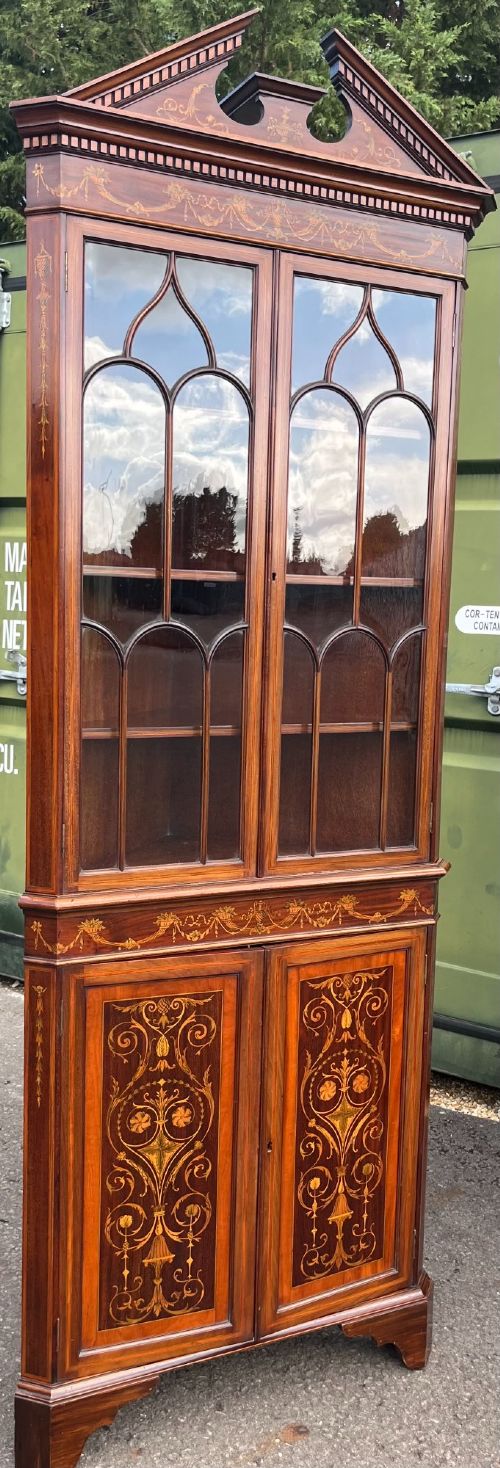
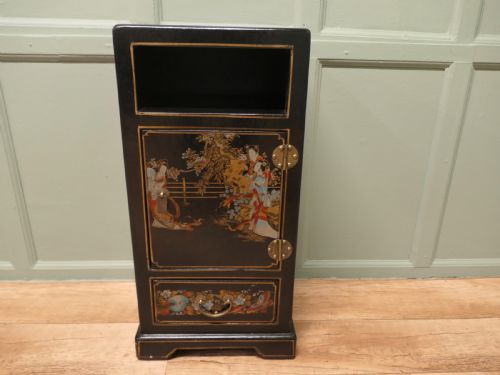
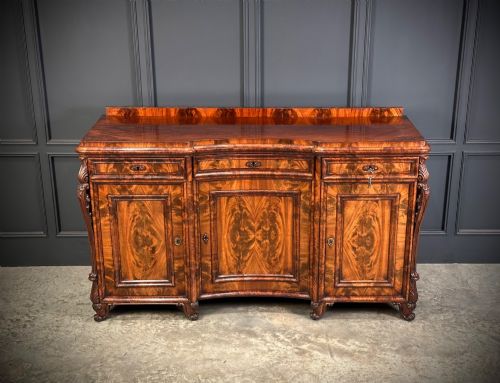
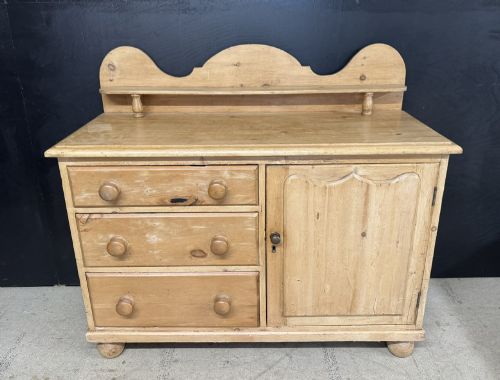
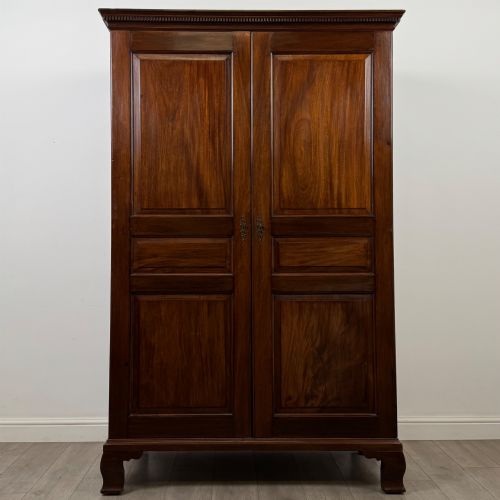
Buyers browsing this selection will encounter formats ranging from towering Georgian and Victorian mahogany double-height uprights to provincial pine dressers and compact corner variants. The lower section typically anchors the piece with solid timber doors, while the upper tier often incorporates glazing, shelving, or specialised compartments.
Origins span formal English workshops working in richly figured hardwoods to regional cabinetmakers utilising native oak, pine, and fruitwoods. Whether intended for dining room china storage or parlour display, these dual-purpose items remain practical anchors for traditional interiors.
How They Were Made
Construction relies heavily on traditional joinery methods such as dovetailing for drawer carcases and mortise and tenon joints for structural frames. Cabinetmakers selected primary timbers like mahogany, walnut, and oak for visible exterior surfaces, frequently pairing them with secondary softwoods for internal drawer linings and backboards.
Surface embellishment involved careful veneer work, including marquetry inlay, burr walnut figuring, and hand-applied polish or paint finishes. Hardware elements such as brass drop handles, escutcheons, and glazed door framing were integrated to complete the architectural elevation of each stacked unit.
Listings feature mahogany, oak, pine, and walnut across Georgian, Victorian, and Edwardian periods.
What Varies in Quality
Quality rests upon the selection of timber veneers and the precision of the joinery uniting the upper and lower carcases. Superior examples display balanced grain matching across panelled doors and harmonious proportions between the top display section and the heavy lower base.
The integrity of original brass hardware, functioning locks with surviving keys, and undisturbed interior shelving elevate a piece significantly. Furthermore, restrained decorative carving and crisp marquetry distinguish workshop productions from mass-produced later iterations.
Edwards and Roberts·Hindley and Son·Lidstone London
The Antique Cabinet on Cupboard Glossary
- Chiffonier
- A low sideboard or cabinet featuring a lower cupboard section, frequently topped by a raised shelf tier or superstructure.
- Marquetry
- Decorative veneer work forming intricate pictorial patterns using various tinted woods, shells, or metals inlaid into the primary surface.
- Glazing
- The fitting of glass panes into door frames to allow visibility into upper display cabinets and bookcases.
- Escutcheon
- A protective plate surrounding a keyhole, often fashioned from brass and shaped to complement the cabinet door style.
- Cornice
- The moulded horizontal projection crowning the upper edge of a tall cabinet or cupboard structure.
Antique Cabinet on Cupboard: Frequently Asked Questions
What is an antique cabinet on cupboard?
An antique cabinet on cupboard is a piece of furniture made in two distinct stacked sections, featuring an enclosed or glazed upper compartment resting directly on a lower storage cupboard base.
These dual-purpose units provide both display space and concealed storage, making them substantial focal points in traditional rooms.
How were these cabinets used historically?
Historically, these items served multiple domestic functions, from storing dining room china and linens to housing books and serving as parlour display units.
The upper section kept valued items visible or protected behind glass, while the lower cupboard concealed bulkier household goods.
How do I style a cabinet on cupboard?
Living with these tall pieces involves anchoring them securely to a wall, particularly when dealing with double-height or top-heavy timber constructions.
Use the upper display shelves for curated collections of ceramics or books, leaving the lower wooden doors to hide everyday clutter.
How do I identify the period of a cupboard?
Dating relies on observing structural characteristics such as timber choice, drawer construction methods, and prevailing decorative styles like Georgian mahogany or Victorian walnut.
Secondary woods, backboard construction techniques, and original hardware also provide reliable clues to the decade of manufacture.