


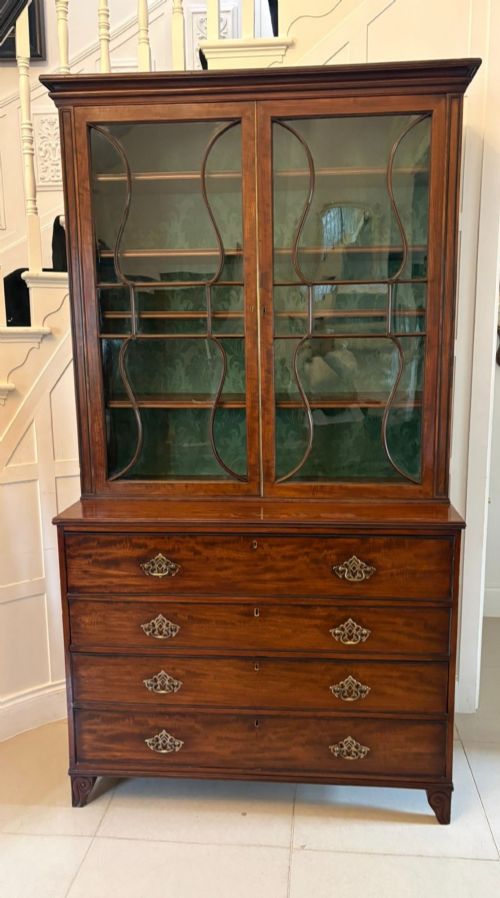
Mahogany Cabinet on Chest
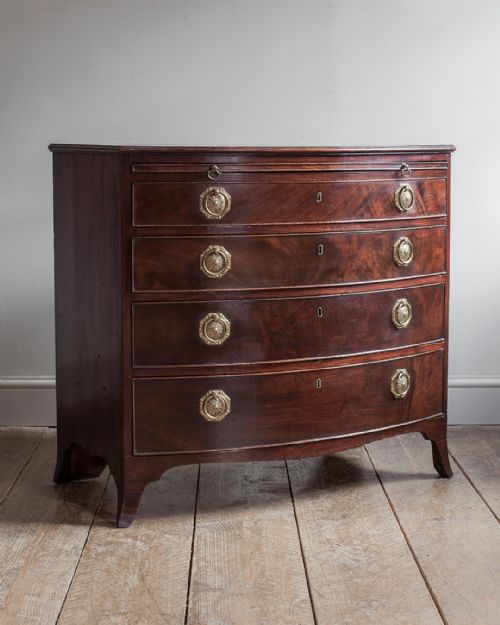
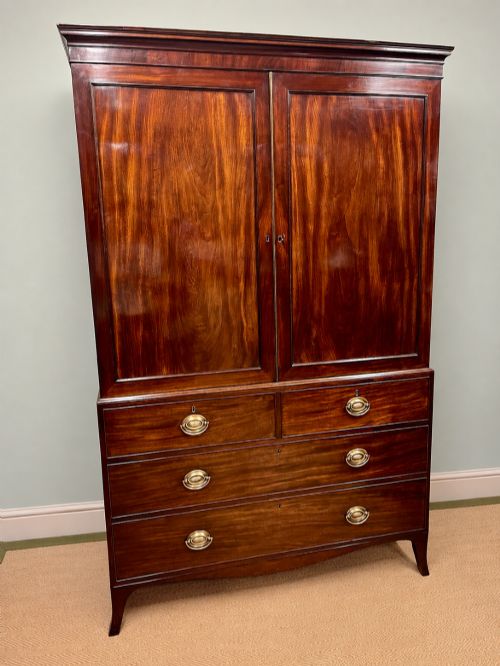
A mahogany cabinet on chest combines upper storage with a robust lower chest of drawers, offering serious utility and presence.
Forms and Origins
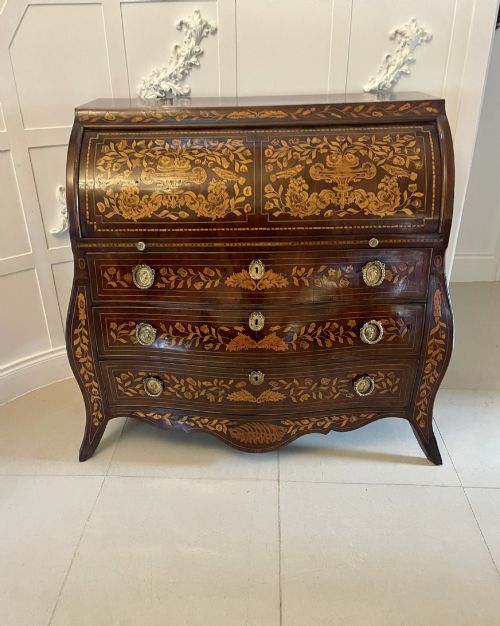
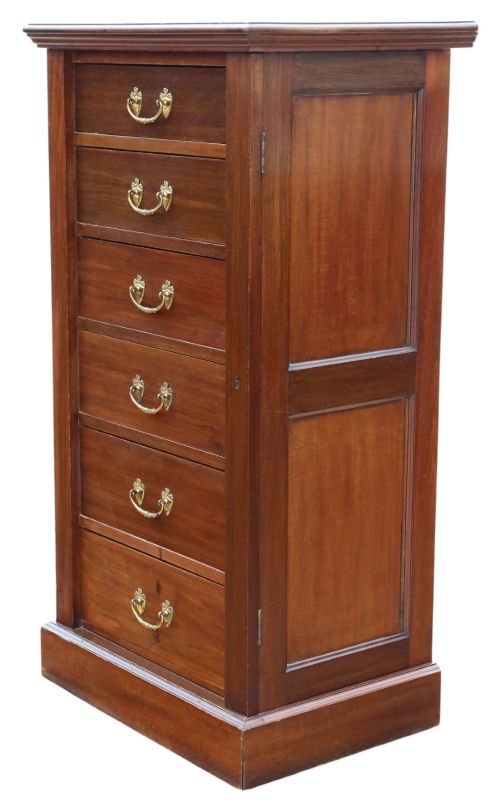
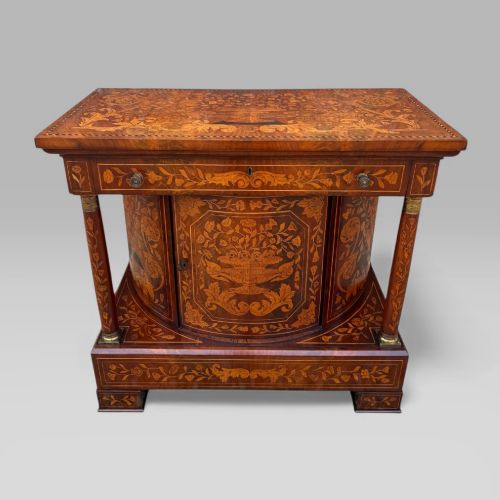
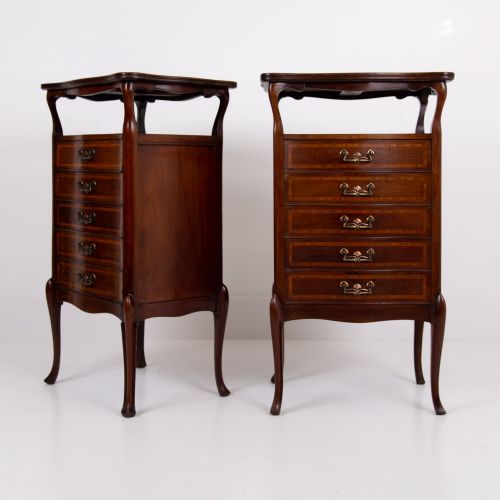
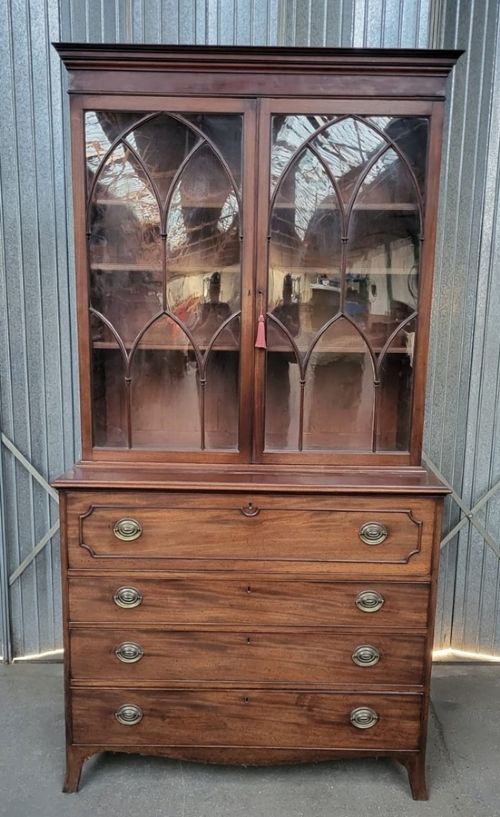
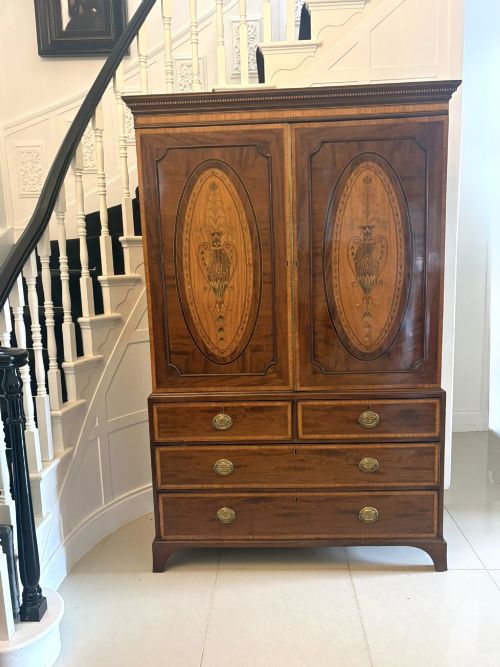
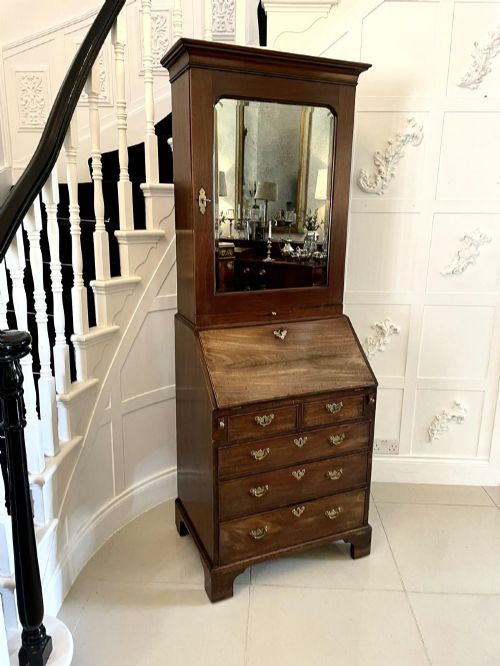
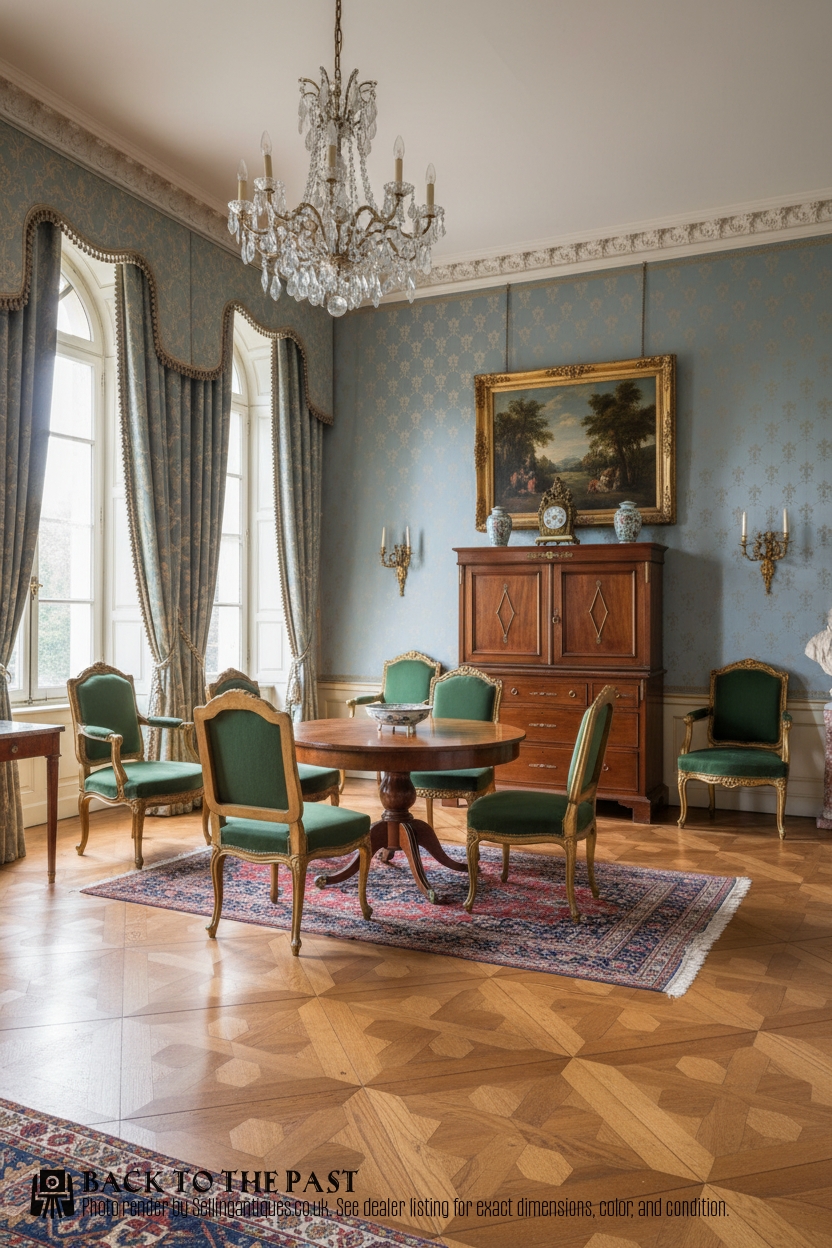
A mahogany cabinet on chest pairs a glazed or panelled upper storage section with a functional chest base, originating primarily in the eighteenth and nineteenth centuries. Examples range from George III library bookcases to French Empire pieces and Edwardian music sheet cabinets.
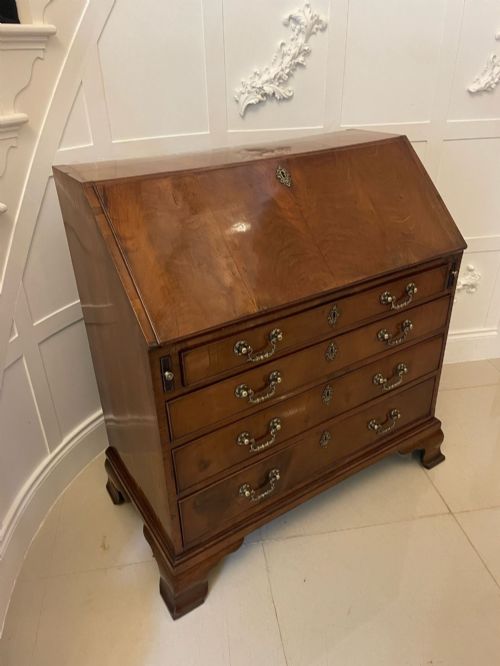
The layout typically positions double doors or a fall-front desk above multiple graduated drawers. Buyers encounter Georgian iterations alongside later Victorian estate and specimen cabinets, reflecting changing domestic storage needs.
Evaluating the Pieces
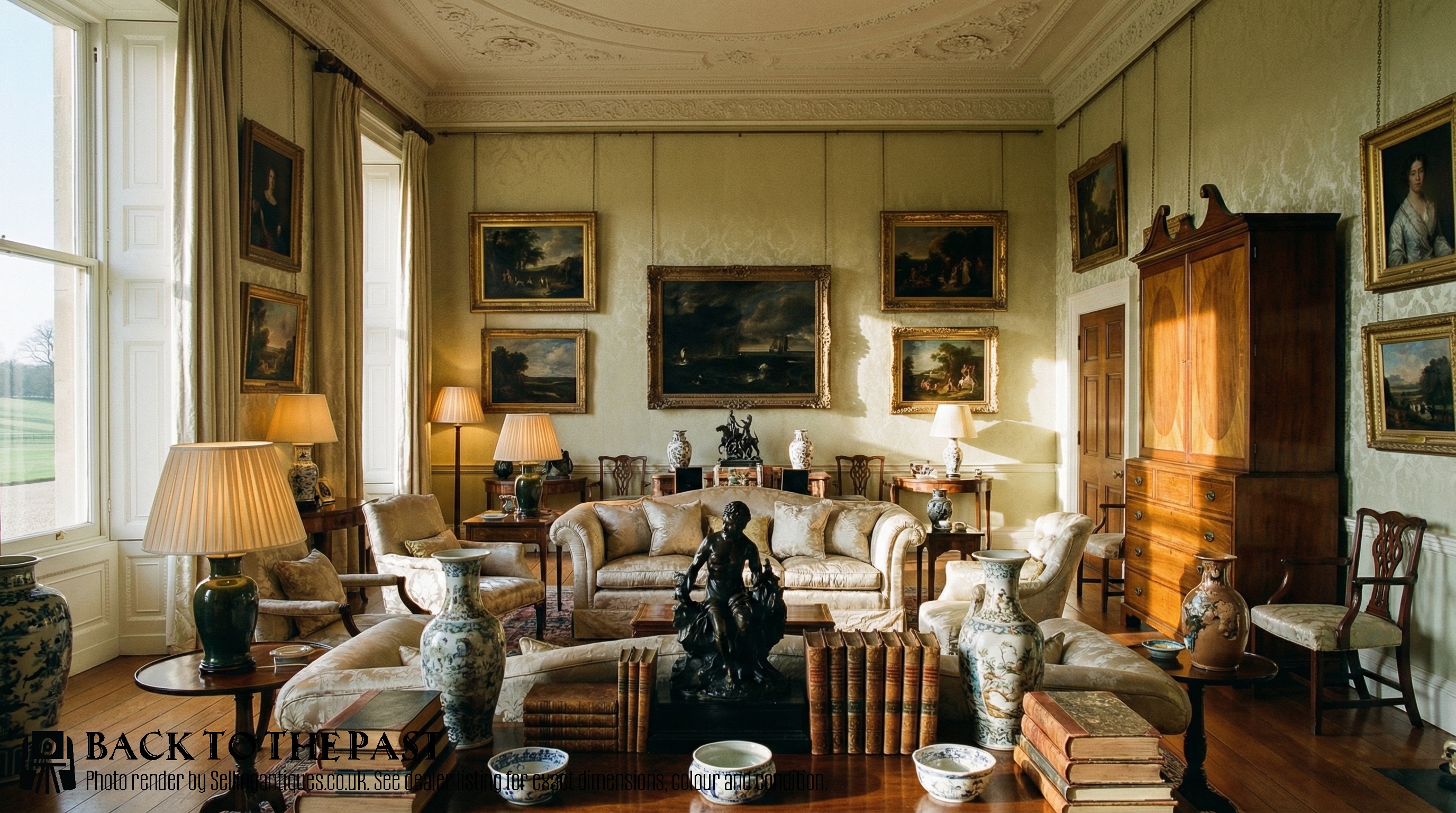
Quality rests in the selection of timber veneers, where balanced flame mahogany figures and tight grain patterns elevate a piece above standard utility furniture. Proportion and the crispness of cabinet-making details also dictate standing.
Interior configuration plays a vital role, distinguishing simple storage from sophisticated fitted interiors with pigeonholes, small drawers, or specialised compartments. The retention of original brass hardware and working locks adds substantial merit.
Retail Price Guide 2026
Typical UK retail prices for mahogany cabinet on chest, calculated from the Sellingantiques database of over a million retail prices indexed since 2003. This retail price guide relies exclusively on Sellingantiques data; no external sources or auction records are used, so the figures do not describe the wider market.
Thomas Bradshaw·George Simpson
The Mahogany Cabinet on Chest Glossary
- Cabinet on chest
- A two-part furniture form featuring an upper cupboard or bookcase resting upon a lower chest of drawers. This configuration maximises vertical storage space.
- Flame mahogany
- A veneer cut from the fork of the mahogany tree, displaying a distinctive flamed or feathered grain pattern. Cabinet makers reserved this timber for prominent drawer fronts and door panels.
- George III
- The period of British design spanning from 1760 to 1820, characterised by classical proportions and refined craftsmanship. Pieces from this era often feature mahogany construction.
- Gilt metal
- Metal treated with a gold-coloured finish or plating, utilised for decorative mounts and accents. This material appears frequently on French Empire examples.
- Biedermeier
- A Central European style popular during the first half of the nineteenth century, emphasising clean lines and rich mahogany veneers. Such pieces favour domestic comfort over excessive ornamentation.
Frequently Asked Questions
How do I clean mahogany?
Dust surfaces regularly with a soft, dry cloth to prevent grit accumulation. Apply a quality beeswax periodically to nourish the wood and maintain its natural lustre.
Avoid placing these cabinets near direct heat sources or strong sunlight, which can dry out the timber and fade the finish over time.
Can these cabinets be separated?
Most cabinets on chest separate into two distinct sections, consisting of the upper cabinet and the lower chest base. This modular construction facilitates moving and transporting the heavy furniture.
When reassembling, ensure the upper section sits securely on the base moulding to maintain proper balance and structural alignment.
What is flame mahogany?
Flame mahogany refers to wood veneer sliced from the point where branches join the main trunk, creating a fiery, undulating grain pattern. Craftsmen prized this figured timber for focal points like door panels and drawer fronts.
Because of its striking appearance, furniture featuring flame veneer often represents higher workshop output.
Where should I place it?
Position your cabinet on chest against a stable interior wall away from damp exterior spaces and radiators. The imposing height and depth require adequate floor clearance and a room with sufficient vertical scale.
Ensure the floor is level so the heavy two-part structure remains stable and the drawers operate smoothly.