





18th Century Irish Furniture
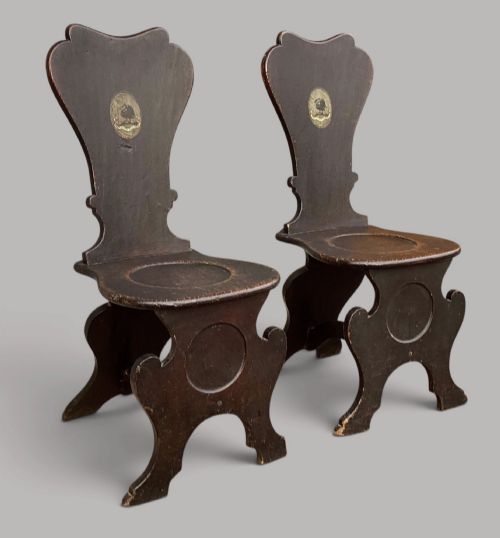
18th century irish furniture brings robust proportions, rich dark timbers and confident carving into a room with distinct regional character.
18th Century Irish Furniture
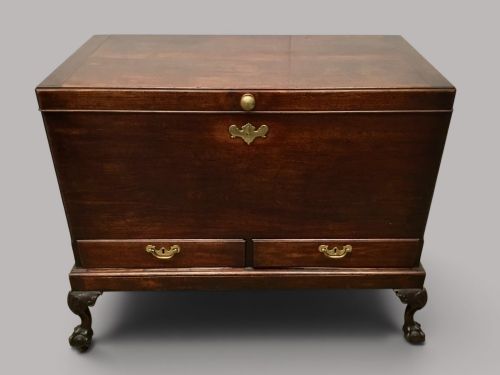
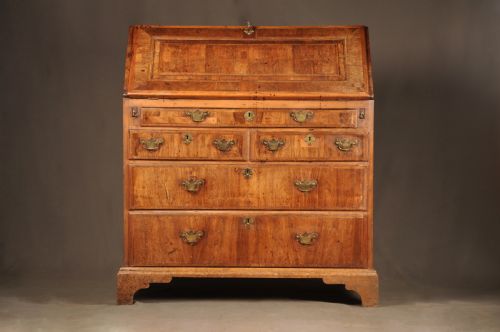
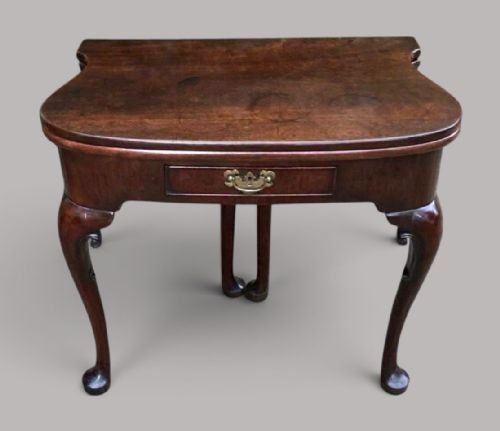
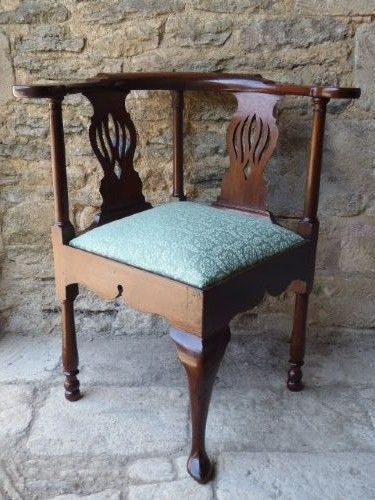
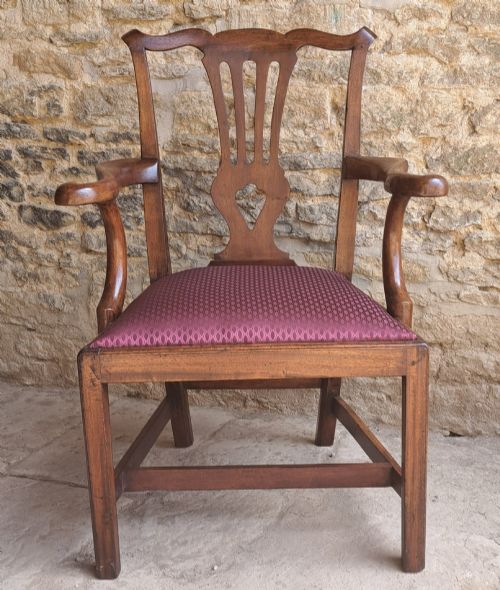
These pieces encompass seating, dining tables, side tables, desks and storage forms made during the Georgian era across Ireland. When you search for 18th century irish furniture, you encounter robust side tables, card tables, dining chairs and tallboy chests shaped by local cabinetmakers.
The objects span periods from George I through George III, alongside country pieces that use native woods like elm, yew and oak. Mahogany and walnut dominate the formal urban output, while pine and painted surfaces appear in vernacular items such as kitchen dressers.
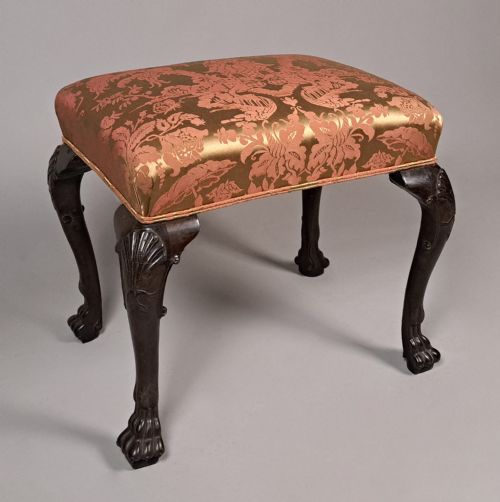
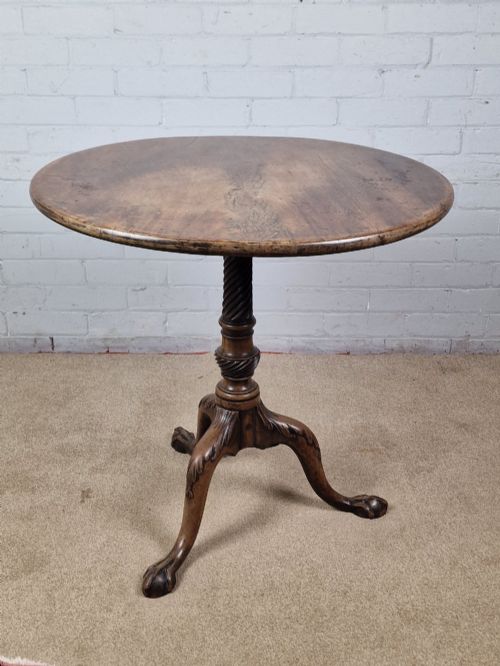
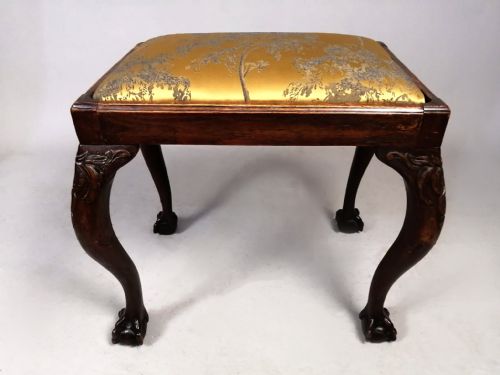
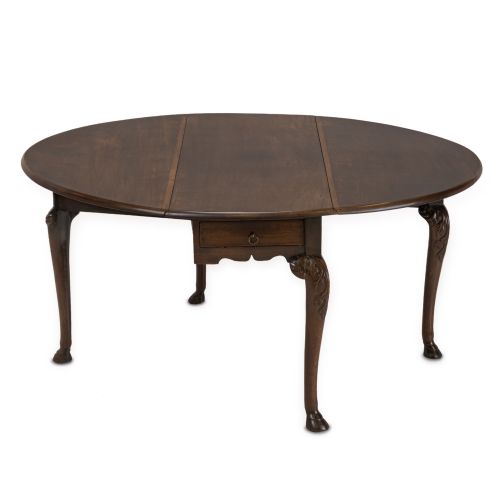
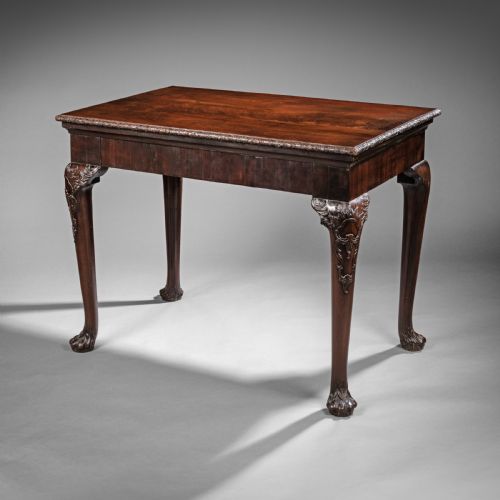
Regional variations often include heavier carved details, claw-and-ball feet on cabriole legs, and distinctive proportions that set Irish work apart from contemporary English cabinetmaking. Dining chairs, tilt-top tables and silver tables form the core of what meets the eye on these pages.
How They Were Made
Cabinetmakers built these pieces using solid timbers like mahogany, walnut, oak and elm, reinforced with brass hardware and occasionally upholstered in fabric or leather. Construction relied on traditional joinery methods, including dovetails for drawer boxes and mortise-and-tenon joints for frames.
Carving was executed directly into the dense primary woods, yielding deep relief work on cabriole legs, aprons and pediments. Secondary timbers such as pine frequently appeared inside carcases and drawer linings, showing the practical material hierarchy of the workshop.
18th Century Irish Furniture Retail Price Guide 2026
Typical asking prices for 18th century irish furniture among the pieces listed under this phrase on Sellingantiques today, from the lower quarter to the upper quarter. They describe what is for sale here now, not the wider market.
Listings feature woods like mahogany, walnut, oak, elm, yew and pine, spanning periods from the 17th century through the Georgian era.
What Varies in Quality
The standard of carving determines much of the distinction between pieces, moving from crisp, deeply undercut foliage and vigorous animal paws down to flat, perfunctory surface work. Timber selection also divides the range, as dense, highly figured walnut and rich San Domingo mahogany hold greater visual and structural weight than plain or patched secondary boards.
Originality of surface and structure defines the upper tier, where uncompromised frames, patinated finishes and intact hardware survive without extensive replacement. Altered proportions, added elements or heavy restoration reduce the integrity of the piece, shifting it away from the best examples of the craft.
The 18th Century Irish Furniture Glossary
- Cabriole leg
- A furniture leg that bends outward in a convex curve at the knee and tapers inward in a concave curve toward the foot, often ending in a hoof or claw. This form derives from Chinese design and became standard during the George II period.
- Tallboy
- A tall chest of drawers consisting of two sections, one stacked on top of the other, providing substantial vertical storage. They frequently appear in mahogany or walnut with bracket feet and dental cornices.
- Silver table
- A specialised rectangular table with a raised gallery edge around the top, designed to hold tea and silver services. Examples from this tradition often feature elaborate carving along the frieze and cabriole legs.
- Drop-leaf table
- A table with a fixed central section and hinged flaps on either side that can be raised and supported by swing legs. These versatile forms served dining and occasional use in 18th century rooms.
- Pad foot
- A simple foot where the leg meets the floor in a rounded, flat-bottomed pad without carved toes. It appears frequently on vernacular and mid-century walnut and mahogany tables.
18th Century Irish Furniture: Frequently Asked Questions
How do I spot Irish furniture?
Irish pieces frequently exhibit heavier proportions, bolder carving on the knees of cabriole legs, and distinct regional timber choices like native elm or yew alongside imported mahogany.
Cabinetmakers in Dublin and regional workshops often utilised specific structural habits, such as particular secondary woods in drawer linings, which separate them from standard English output.
Were these pieces painted originally?
While formal urban furniture relied on polished mahogany and walnut to show the grain, vernacular pieces like dressers and country furniture often received painted finishes.
These painted surfaces protected softer woods like pine and elm, adding colour and character to domestic interiors outside the major cities.
How do I care for old mahogany?
Maintain stable humidity and temperature in the room to prevent the solid timbers from splitting or warping over seasonal changes. Clean surfaces gently with a soft cloth, avoiding modern silicone polishes that build up and attract dust over time.
What is a silver table used for?
Silver tables served as display and serving surfaces for expensive tea and silver wares in wealthy 18th century households. The raised gallery edge prevented delicate vessels from sliding off during use.