
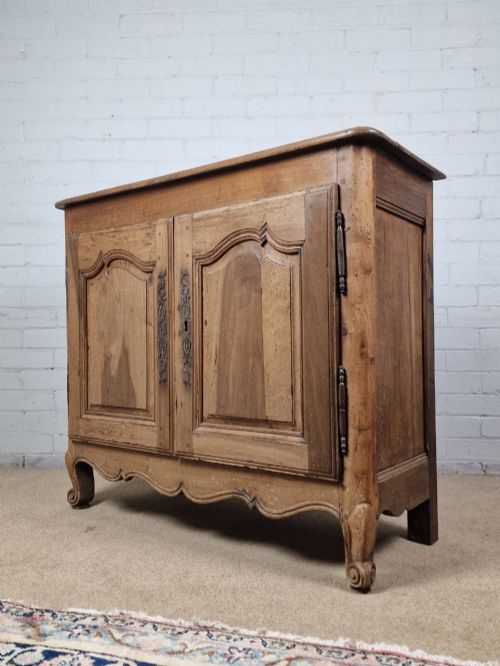
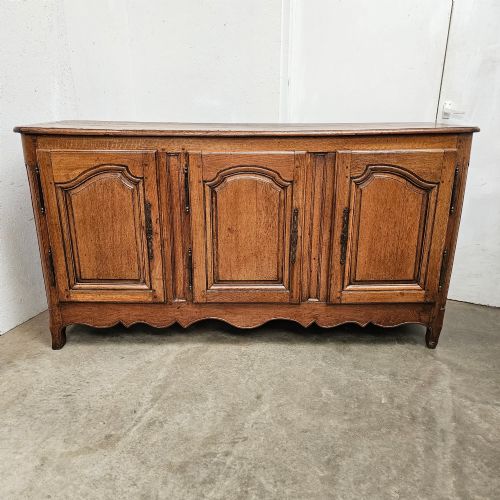
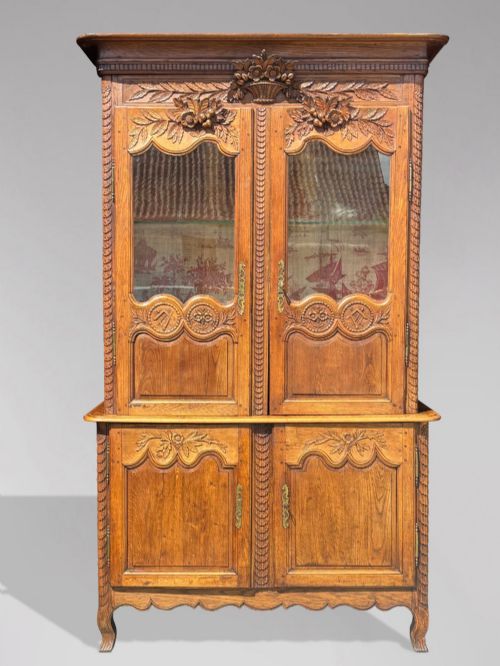

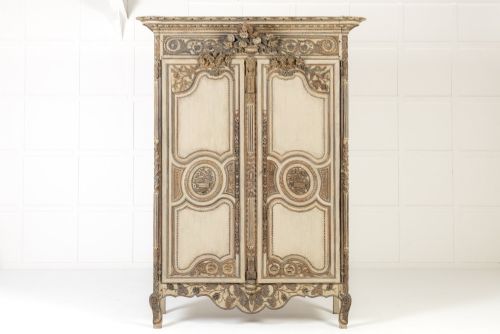



18th Century French Cupboard
An 18th century french cupboard brings robust regional character and historical timber into a room.
18th Century French Cupboard
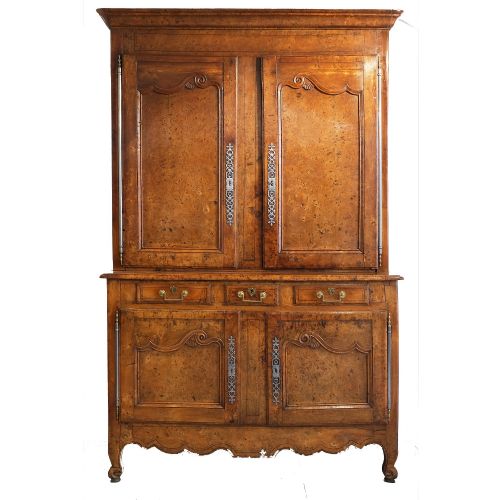
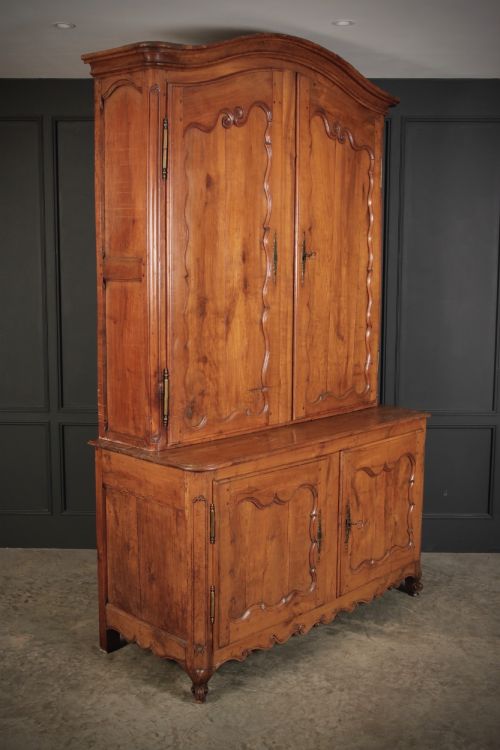
When searching for an 18th century french cupboard, buyers encounter heavy storage timber furniture spanning sideboards, armoires, and two-piece buffet deux corps. These pieces originate from various provincial regions, reflecting local domestic needs through specialised forms like bread cages and larder cupboards.
Oak, walnut, and chestnut dominate the regional offerings, often shaped in provincial interpretations of Louis XV and Rococo styles. Most surviving examples show functional modifications made over generations of domestic use in farmhouses and chateaux.
Materials and construction
Local timbers such as solid oak, walnut, cherry wood, and chestnut provide the structural integrity for these regional storage pieces. Joinery relies on pegged mortise and tenon frames, panelled doors, and hand-carved decorative flourishes unique to specific French provinces.
Hardware consists of forged iron hinges and brass escutcheons, occasionally complemented by original pewter basins or marble tops. Surface treatments range from unpolished natural grain to original paint finishes and inlaid tulipwood.
Some bread cages still carry the faint scent of rural baking after centuries of service.
Assessing quality
Quality rests on the selection of regional timber, the depth and crispness of hand-carving, and the integrity of the original joints. Pieces retaining their early surface patination, original ironwork, and untouched structural timber stand apart from heavily restored examples.
Proportion and scale dictate the success of the form, particularly in large architectural pieces like armoires and buffet deux corps. Refined execution in shaped panels and balanced hardware placement indicate superior provincial workshops.
The 18th Century French Cupboard Glossary
- Buffet deux corps
- A large two-stage storage cabinet featuring an upper cupboard section stacked upon a deeper lower base. This architectural form served principal dining rooms and halls for heavy household storage.
- Enfilade
- A long sideboard or buffet featuring multiple doors in a continuous horizontal line. These pieces typically provided extensive surface and interior storage for formal provincial dining spaces.
- Panetiere
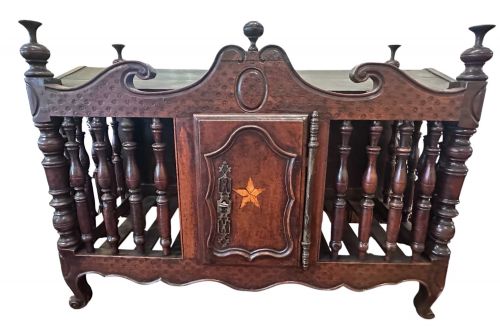
- A small ventilated bread cage or cabinet mounted to a wall or sat on a commode. Turned spindles allowed air circulation around loaves in traditional kitchens.
- Commode cupboard
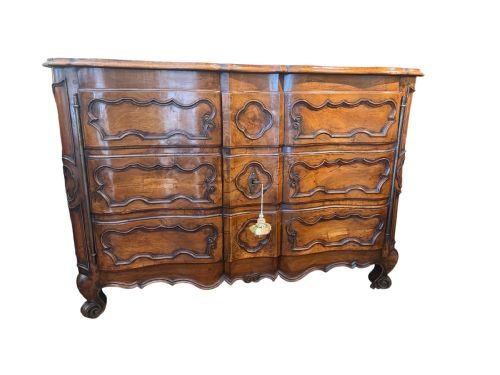
- A low storage unit combining chest of drawers functionality with enclosed cupboard space. These versatile items served bedrooms and living areas across various French regions.
- Parquetry
- Geometric wood inlay work used to create decorative patterns on panel surfaces. It demonstrates advanced joinery skill on select provincial cabinet doors.
18th Century French Cupboard: Frequently Asked Questions
How do I identify a regional style?
Regional identification relies on the primary timber used, such as walnut in southern areas and oak or fruitwoods in northern provinces. Carving motifs and overall proportions also point to specific local workshop traditions.
Examining the construction methods underneath and inside the piece helps confirm provincial origins. Local cabinetmakers utilised available indigenous woods and distinct joinery habits that survived across generations.
Were these cupboards painted originally?
Many provincial pieces received layers of paint over time to suit changing domestic tastes or to protect softer timbers. Original painted finishes remain valued for their historical patina.
Unpainted oak and walnut pieces showcase the natural grain developed through centuries of waxing and handling. Both painted and natural surfaces represent authentic historical states depending on the regional context.
How do I fit one into a modern room?
These substantial storage pieces anchor modern living spaces by providing deep shelving and architectural presence. Lower commodes and enfilades function effectively as media consoles or dining room sideboards.
Tall armoires and buffet deux corps require careful measurement of ceiling heights and floor space. Their neutral timber tones and patinated surfaces pair naturally with both contemporary and traditional interiors.
What is the difference between an armoire and a buffet?
An armoire stands as a tall vertical wardrobe primarily designed for hanging or stacked garment storage with large doors. A buffet functions as a lower cabinet intended for tableware, food, and serving.
Buffets often feature multiple smaller doors and drawers arranged horizontally along a sideboard base. Armoires utilise the vertical axis to maximise enclosed volume within a tall room.