


18th Century English Furniture
These pieces of 18th century english furniture combine practical domestic utility with enduring timber craftsmanship.
18th Century English Furniture
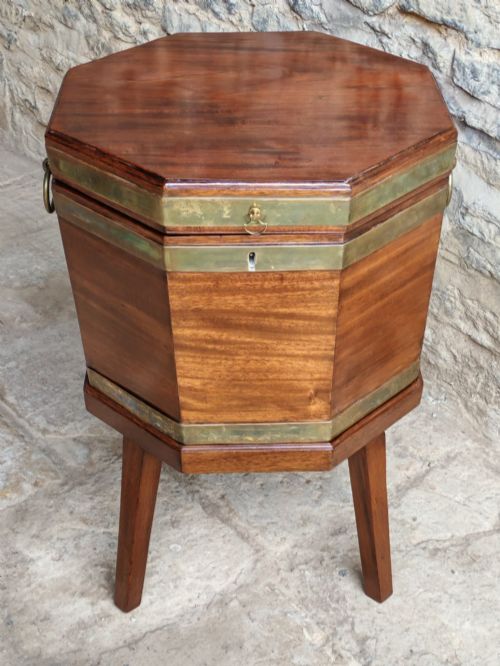
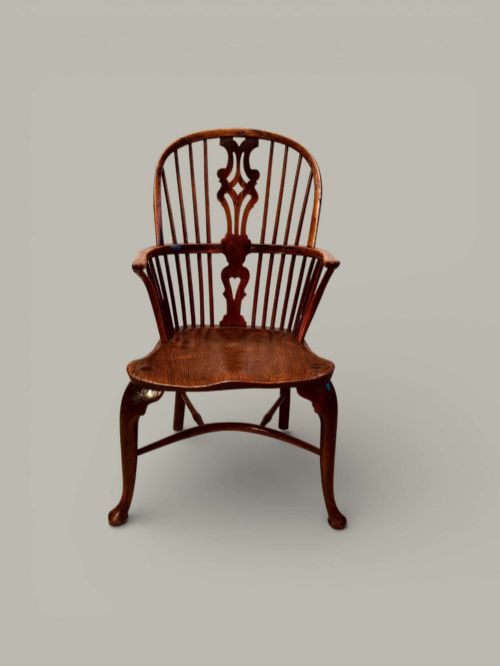
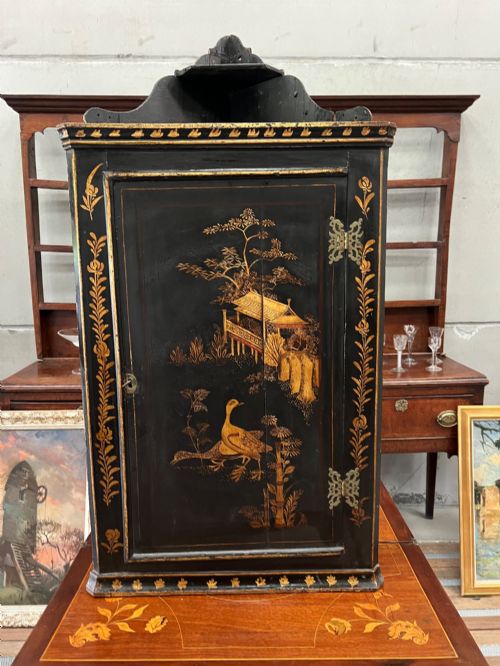
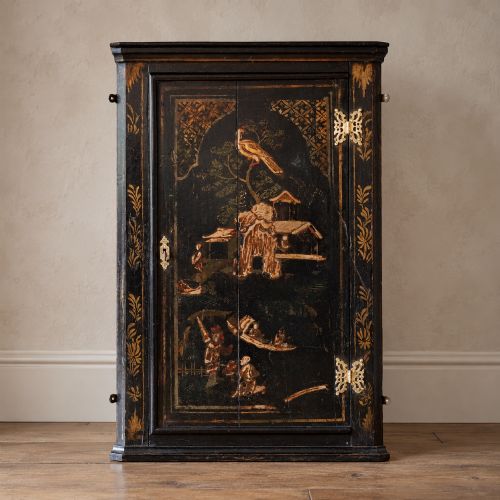
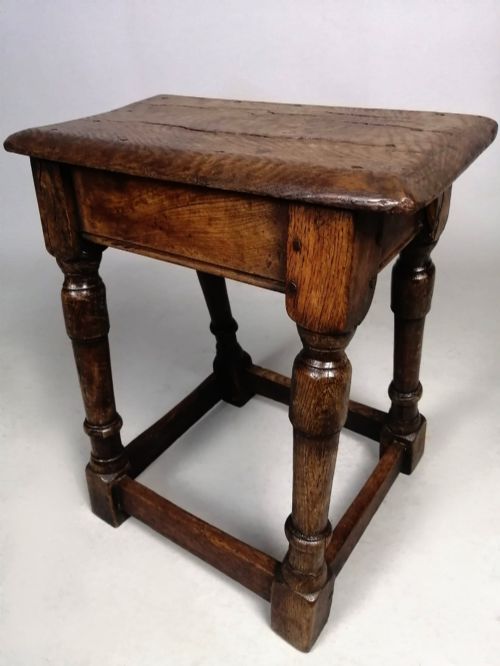
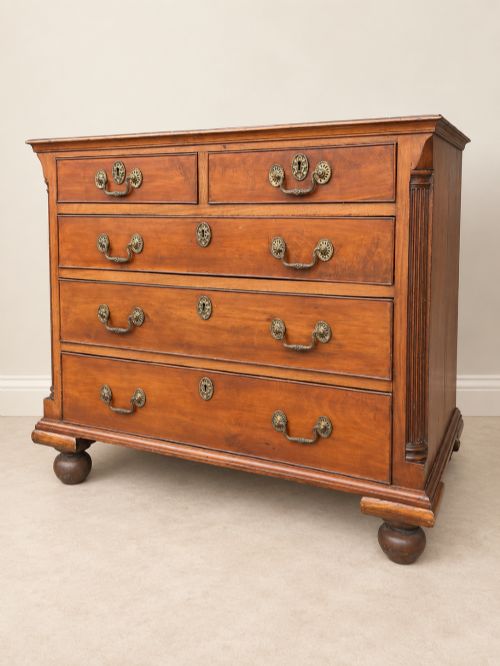
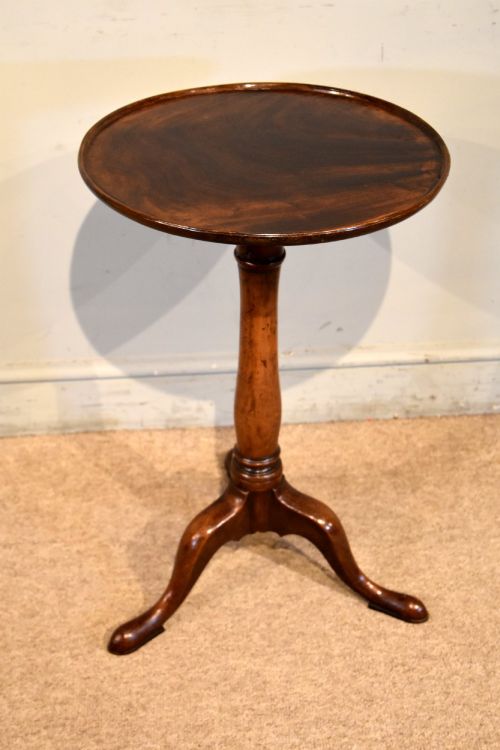
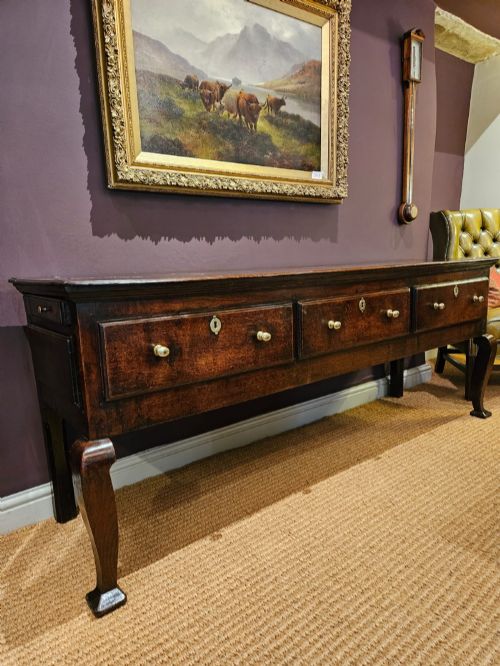
When someone searches for 18th century english furniture, they encounter domestic pieces designed for daily use, ranging from seating and dining tables to storage cabinets and desks. The selection reflects the stylistic shifts of the Georgian era alongside earlier Queen Anne designs and later neoclassical interpretations.
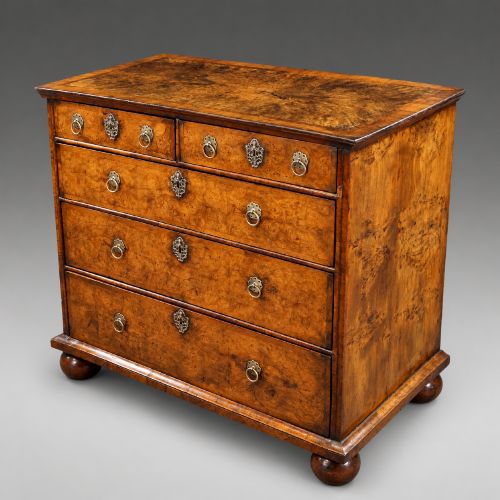
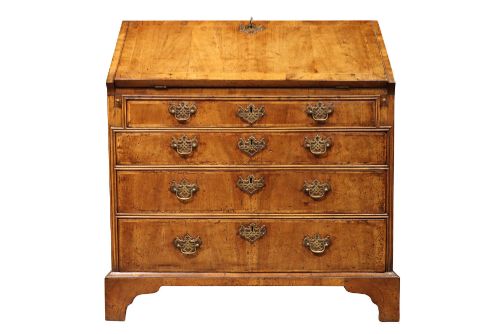
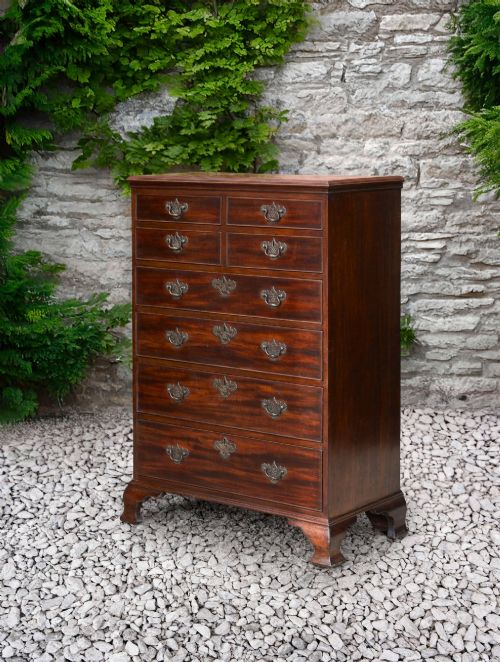
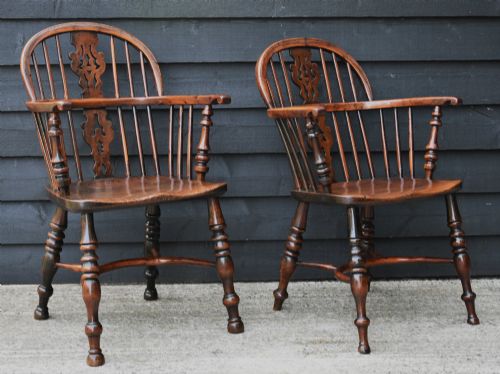
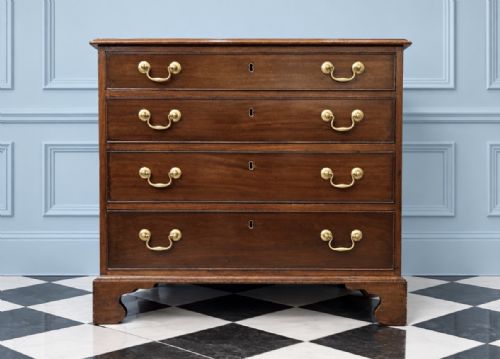
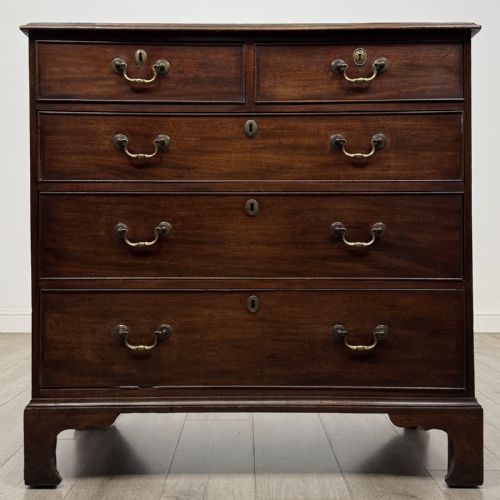
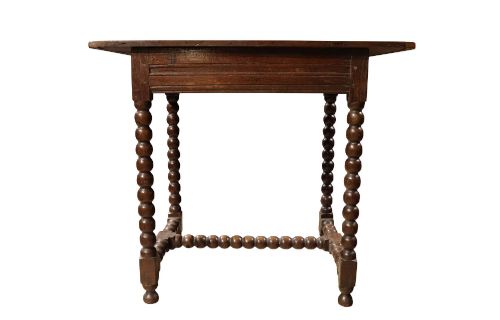
Buyers meet sturdy country vernacular forms alongside formal urban pieces. Solid oak, walnut, and mahogany dominate the offerings, appearing as chests of drawers, gateleg tables, armchairs, and writing desks produced across the Georgian period.
How they were made
Cabinetmakers and joiners utilised native and imported timbers, pairing structural oak and elm with decorative mahogany, walnut, satinwood, and harewood veneers. Surfaces relied on natural grain patterns, crossbanding, and inlay rather than heavy applied ornament.
Construction involved traditional joinery techniques such as mortise and tenon joints for tables and seating, alongside dovetailing for drawer construction. Cast brass handles, escutcheons, and steel footmen provided functional hardware that often survives intact.
18th Century English Furniture Retail Price Guide 2026
Typical asking prices for 18th century english furniture among the pieces listed under this phrase on Sellingantiques today, from the lower quarter to the upper quarter. They describe what is for sale here now, not the wider market.
Pig bench coffee tables offer an unusual domestic survival, repurposed from rural farm utility into low living room seating.
What varies in quality
The degree of surface preservation and the presence of original brass fittings separate simpler provincial items from finer metropolitan pieces. Timber selection also dictates grade, with highly figured burr elm, figured mahogany, and richly grained walnut commanding attention.
Proportion and structural integrity define the standard of execution. Pieces that retain their original colour and untouched patina demonstrate superior preservation compared to those with heavily restored surfaces.
The 18th Century English Furniture Glossary
- Lowboy
- A small side table or dressing table fitted with drawers, usually standing on four tall legs.
- Gateleg table
- A drop-leaf table with hinged legs that swing out to support the extended leaves.
- Cricket table
- A small, lightweight three-legged table with a round top, traditionally used in domestic quarters.
- Chest on chest
- A tall storage unit comprising one chest of drawers stacked directly on top of a larger base chest.
- Escritoire
- A writing cabinet featuring a fall-front desk flap that conceals internal pigeonholes and small drawers.
18th Century English Furniture: Frequently Asked Questions
What defines 18th century english furniture?
These items encompass domestic wooden furnishings produced in England between seventeen hundred and eighteen hundred. They include seating, tables, and storage pieces reflecting periods from Queen Anne to George III.
The materials rely heavily on oak, walnut, and mahogany, shaped by regional joiners and urban cabinetmakers for everyday use.
Where were lowboys used?
Lowboys functioned primarily as dressing tables in bedrooms or as small side tables in reception rooms. Their drawer configuration allowed for the storage of personal items.
Craftsmen often produced them in walnut, oak, or mahogany, matching other chamber furniture of the period.
How do I care for antique timber?
Antique timber requires stable indoor humidity levels and protection from direct sunlight to prevent wood shrinkage and fading. Regular dusting with a dry cloth maintains the surface.
Applying traditional wax polish occasionally helps nourish the grain and preserve the historic finish.