


18th Century English Enamel
These pieces of 18th century english enamel bring pocket-sized artistry and hand-painted colour from Georgian workshops straight to your desk.
18th Century English Enamel
When you search for 18th century english enamel, you find small, highly decorative containers and painted plaques made during the Georgian era. The most common forms on this page are patch boxes, snuff boxes, and novelty trinket containers intended for personal use.
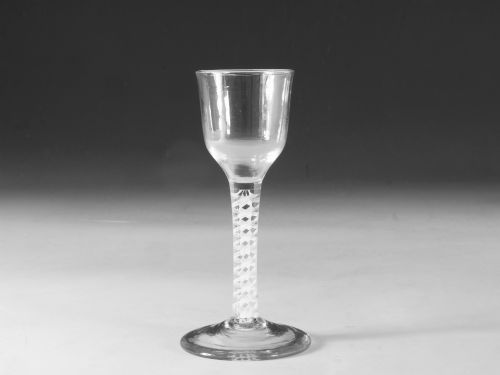
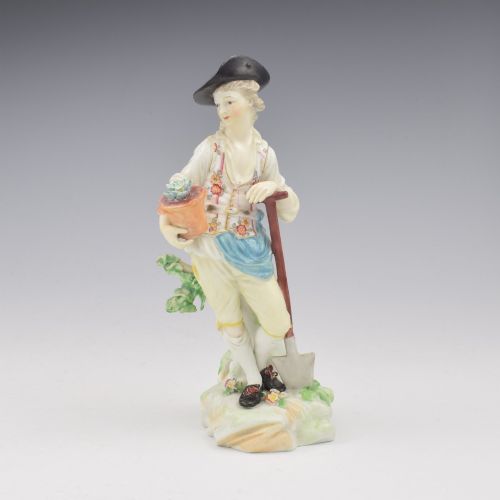
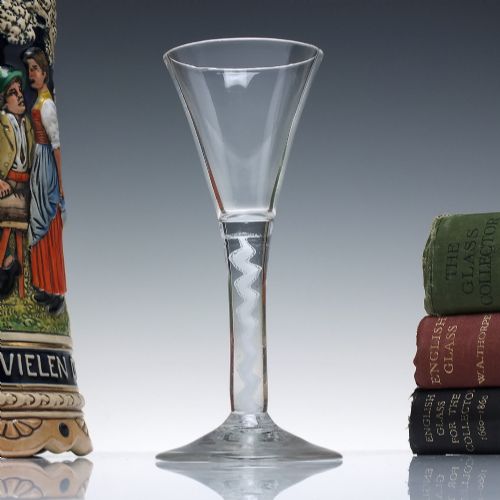
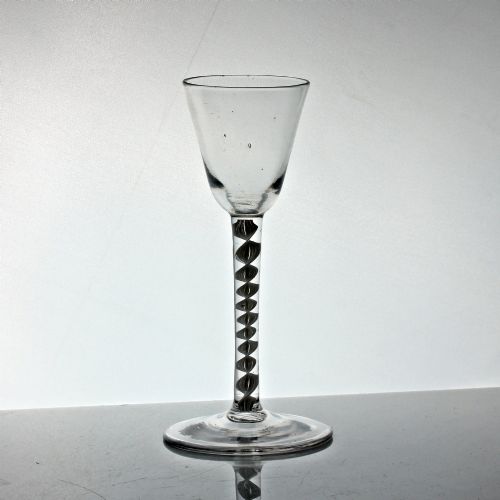
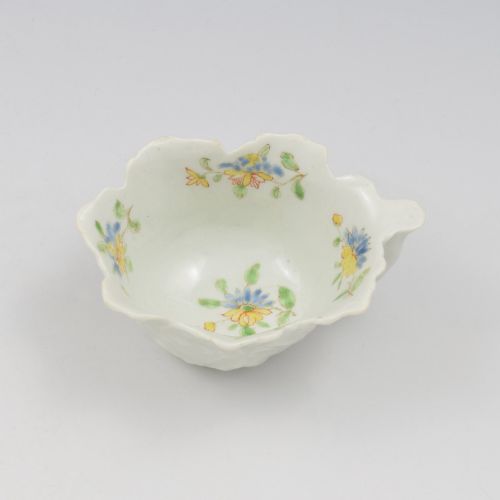
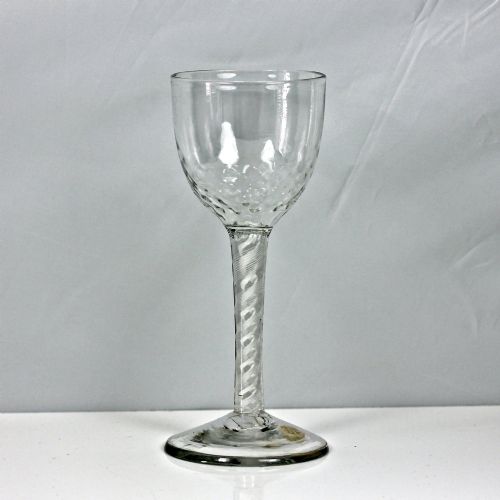
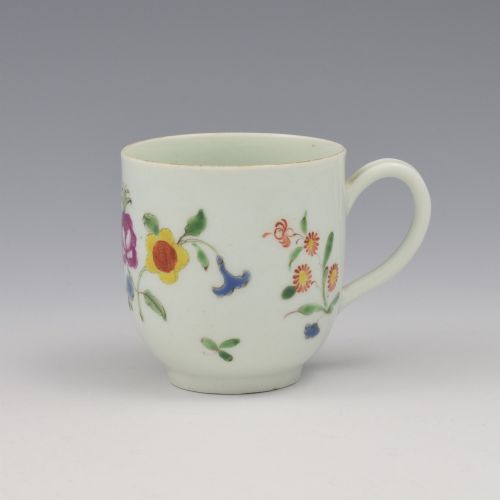
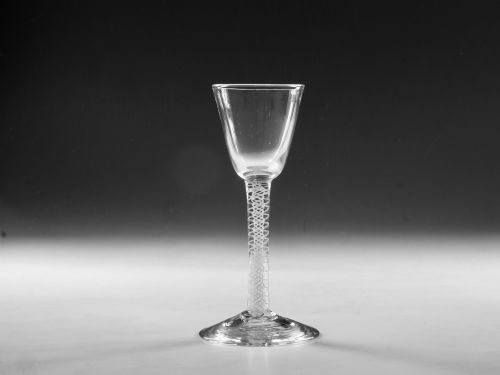
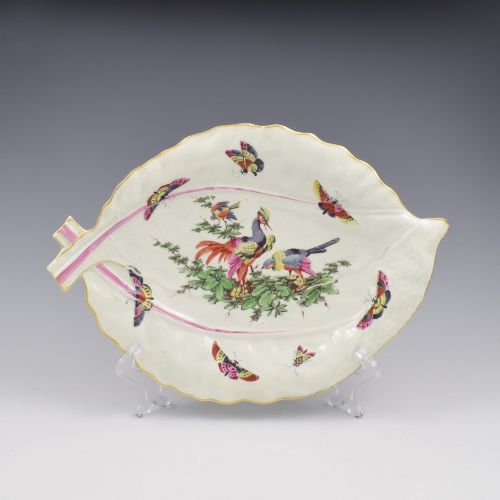
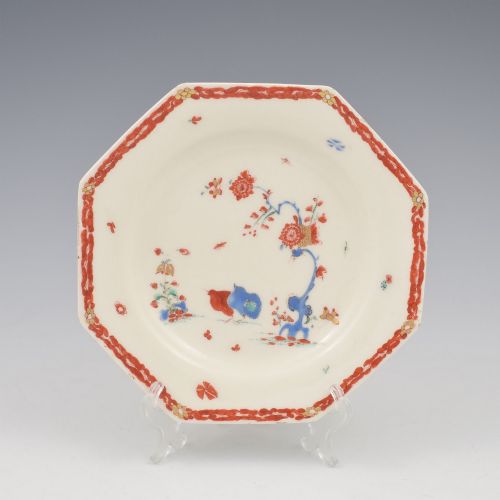
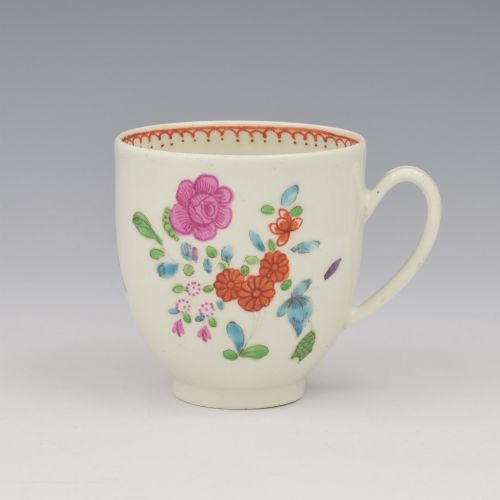
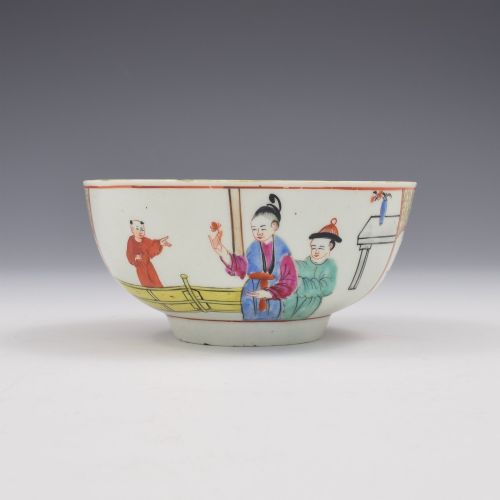
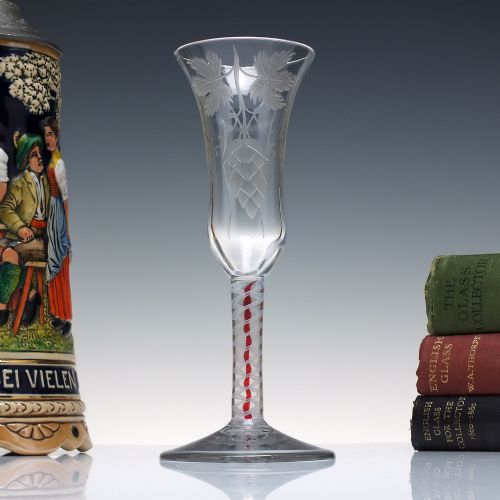
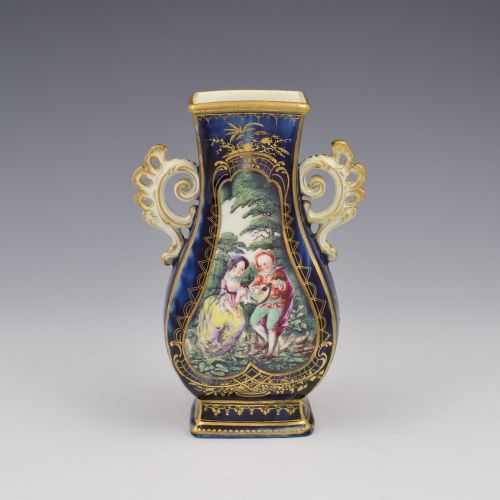
Makers shaped these items in centres like Bilston and South Staffordshire, often pairing opaque white enamel surfaces with copper foundations. Alongside boxes, the evidence includes porcelain tea wares, glassware, and portrait miniatures decorated with similar enamelling techniques.
These objects date across the eighteenth century, spanning from the mid-1700s to around 1800. They reflect the Rococo taste and Georgian styles of their period, featuring hand-painted scenes, mottoes, and floral motifs.
Materials and Craftsmanship
Craftsmen fused powdered glass onto copper bases through intense kiln firing to create a smooth enamel ground. This vitreous coating provided an ideal opaque surface for detailed miniature painting in polychrome enamels.
Gilt metal mounts and hinges completed the boxes, securing lids and adding decorative metallic contrast to the painted bodies. Artisans also applied soft-paste porcelain and gold leaf in related ceramic and glass works seen across the selection.
18th Century English Enamel Retail Price Guide 2026
Typical asking prices for 18th century english enamel among the pieces listed under this phrase on Sellingantiques today, from the lower quarter to the upper quarter. They describe what is for sale here now, not the wider market.
Listings combine 18th century English enamels with contemporary porcelain from Worcester, Bow, and Derby, alongside Georgian glassware.
Factors That Separate the Range
Quality rests upon the delicacy and precision of the hand-painted decoration across the enamel surface. Miniature portraits and mythological scenes executed with fine brushwork and controlled colour sit above simpler floral motifs.
The crispness of the copper shaping and the intricacy of the gilt metal mounts determine the refinement of a box. Superior pieces maintain smooth, unblemished enamel grounds and well-fitted hinged lids that close with precision.
Henry Bone ARA·Richard Chaffers·Dr Wall·James Giles
The 18th Century English Enamel Glossary
- Patch box
- A small trinket container fitted with a mirror inside the lid, originally used to hold small fabric beauty spots. These items formed a staple of South Staffordshire production.
- Snuff box
- A small pocket container designed to hold ground tobacco for inhalation. Enamelled examples frequently featured painted topographical, mythological, or sentimental scenes on the lid.
- Bonbonniere
- A small decorative box made to hold sweets or sugar plums. Eighteenth-century versions often took playful novelty shapes such as animals or fruit.
- Fusee verge
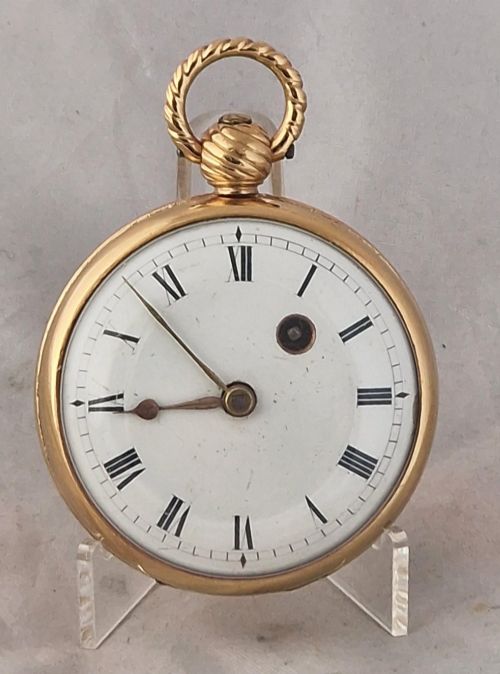
- An early watch escapement mechanism regulated by a chain wound around a conical pulley to maintain equal power. This system appears in Georgian timepieces.
- Soft-paste porcelain
- A ceramic composition fired at lower temperatures than hard-paste porcelain, producing a warm body easily decorated with enamels. Factories like Worcester and Bow utilised this material.
18th Century English Enamel: Frequently Asked Questions
What were patch boxes used for?
Owners used these small containers to hold small pieces of black silk or velvet known as patches. People wore these fabric shapes on their faces to accent complexions or conceal blemishes during the Georgian period.
Inside the hinged lid, makers typically fitted a small mirror to assist with placement. They served as fashionable pocket accessories for both men and women.
How do you date 18th century enamel boxes?
Dating relies upon stylistic evidence, mounting techniques, and the evolution of transfer printing versus hand painting. Pieces from the middle decades tend to feature vibrant Rococo copper forms and dense polychrome brushwork.
Later items approaching 1800 often incorporate simpler motifs or alternate manufacturing methods. Comparing known factory output from Staffordshire assists in narrowing the production window.
Where were these enamels manufactured?
Production centred primarily in the West Midlands, particularly within Bilston and South Staffordshire. These regions housed specialised workshops skilled in copper forming and vitreous enamelling.
Artisans in these areas supplied domestic and export markets with decorated boxes, plaques, and scent flasks. The proximity of metalworking trades supported this thriving local industry.
How should I display enamel boxes?
Enamel boxes require stable display environments away from direct sunlight to protect the painted pigments from fading. Placing them inside glass cabinets or secure shelves prevents accidental drops or surface scratches.
Avoid high humidity and rapid temperature fluctuations to protect the bond between the copper base and the glass coating. Gentle dusting with a dry soft cloth maintains the finish.