



Georgian Staffordshire Enamel Box
A georgian staffordshire enamel box is a small, painted treasure of the eighteenth century, bought for its delicate miniature scenes and bright cabinet presence.
Georgian Staffordshire Enamel Box
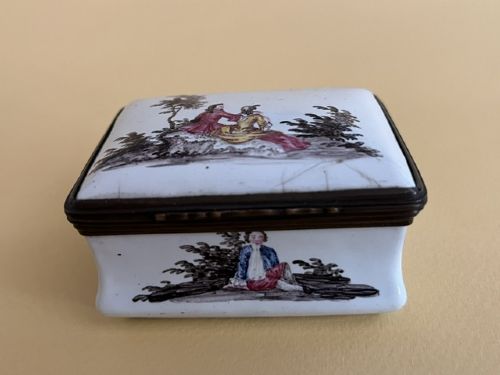
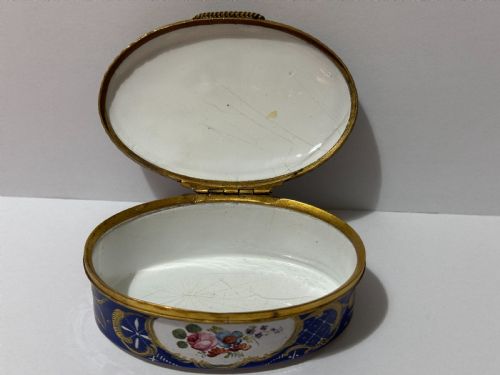
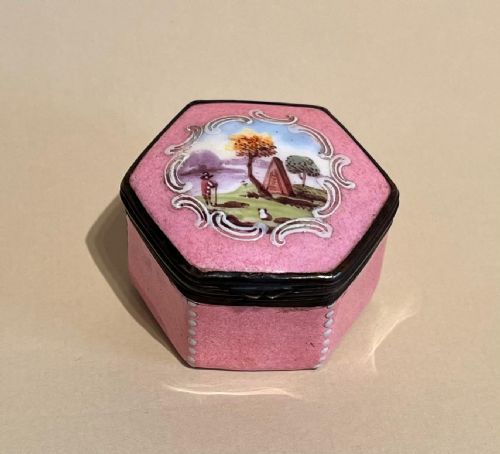
A georgian staffordshire enamel box takes several compact forms, most commonly appearing as oval or rectangular patch boxes, snuff boxes, and bonbonnieres. These small containers often feature painted lids depicting parkland musicians, topographical views, or sentimental inscriptions like tokens of esteem.
The pieces belong principally to the eighteenth century, with many examples originating from the workshops of Bilston and South Staffordshire during the reign of George III. Collectors encounter these boxes in various shapes, including novelty designs and spaniel figures, reflecting the diverse output of the period.
Materials and Construction
Makers formed the body of each box from copper, shaping the metal to receive a smooth coat of vitreous enamel. Artisans then hand-painted the exterior and lid surfaces with detailed pigments before firing the pieces in kilns.
Finishing touches involved mounts and bezels fashioned from brass, gilt metal, or copper alloy, securing the hinged lids tightly to the enameled bases.
Georgian Staffordshire Enamel Box Retail Price Guide 2026
Typical asking prices for georgian staffordshire enamel box among the pieces listed under this phrase on Sellingantiques today, from the lower quarter to the upper quarter. They describe what is for sale here now, not the wider market.
Listings show eighteenth-century materials including copper, brass, and gilt metal paired with painted enamel.
Judging Quality
The finesse of the hand-painted miniature on the lid dictates much of the visual merit, separating hasty factory output from finely detailed artistic work. Crisp brushwork in scenes like parkland musicians or named places denotes superior craftsmanship.
The condition of the vitreous enamel surface and the snugness of the metal mounts also influence the standing of a piece, as does the clarity of any transfer-printed or hand-lettered motto.
The Georgian Staffordshire Enamel Box Glossary
- Patch box
- A small pocket container originally used for holding small fabric beauty spots worn on the face during the eighteenth century. These items typically feature a mirror fitted inside the lid.
- Snuff box
- A small hinged container designed to hold dry ground tobacco. These pieces were carried by gentlemen and ladies for social use.
- Bilston
- A town in Staffordshire renowned for its eighteenth-century enamel industry. Artisans here produced many of the decorated boxes and trinkets found today.
- Bonbonniere
- A small ornamental box made to hold sweets or sugar plums. They share similar copper and enamel construction methods with patch boxes.
- Gilt metal
- Base metal treated with a thin layer of gold wash or leaf to provide a decorative metallic finish. This material frequently frames the enamel panels.
Georgian Staffordshire Enamel Box: Frequently Asked Questions
How do I date a Georgian enamel box?
Dating relies on stylistic clues, mounting techniques, and the types of hand-painted or printed subjects on the lids. Most pieces originate from the latter half of the eighteenth century.
Changes in copper gauge and the brightness of the enamel palette help separate mid-century work from pieces made around eighteen hundred.
Are Bilston and Staffordshire boxes different?
Bilston was a major production centre located within the broader Staffordshire region. Many boxes share similar copper and enamel manufacturing traits.
Attribution often depends on specific stylistic traits in the painting and the shape of the metal mounts rather than strict geographical borders.
How should I display enamel boxes?
Keep them away from direct sunlight to protect the painted miniature scenes from fading. Placing them inside a glass cabinet protects the delicate surfaces from dust and accidental knocks.
Because copper and enamel respond to sudden temperature shifts, stable indoor conditions suit them best.