
18th Century English China
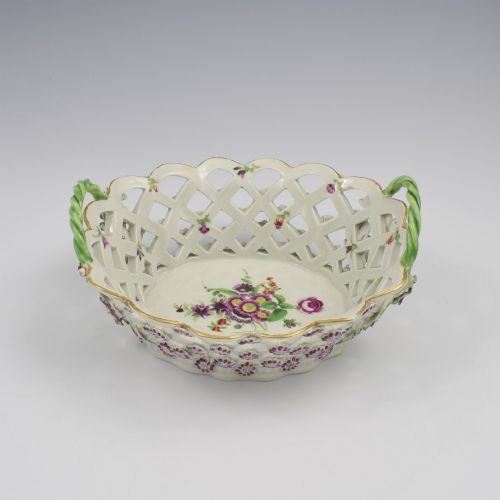
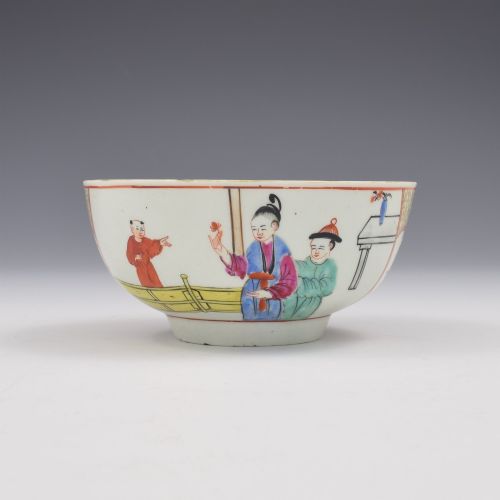
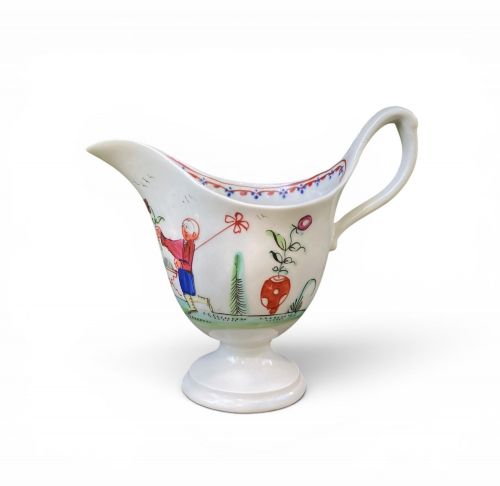
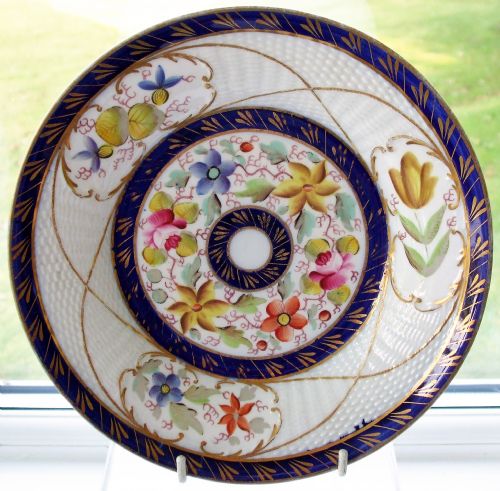
These pieces of 18th century english china represent delicate porcelain tableware and figures from historic kilns.
18th Century English China
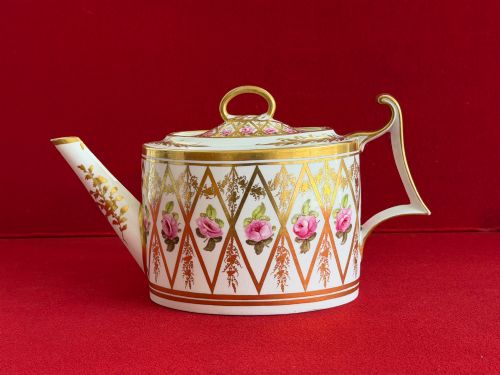
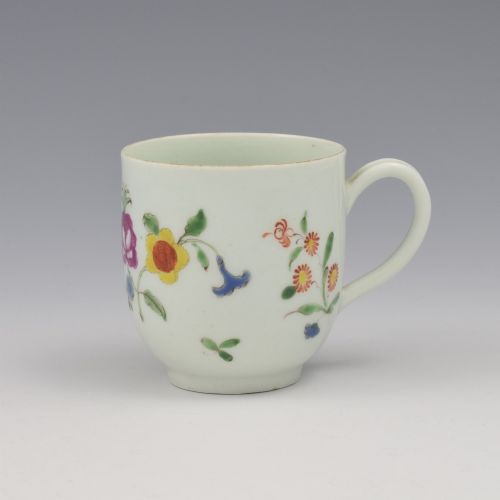
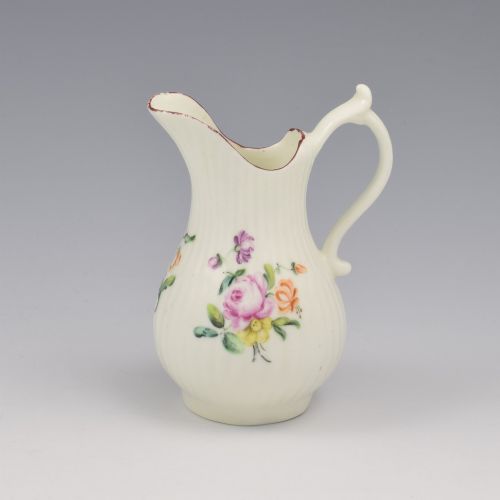
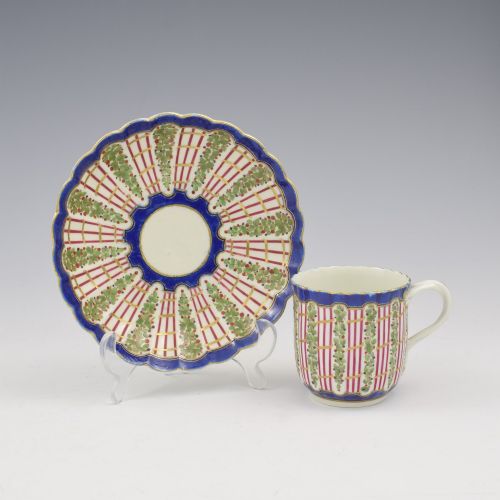
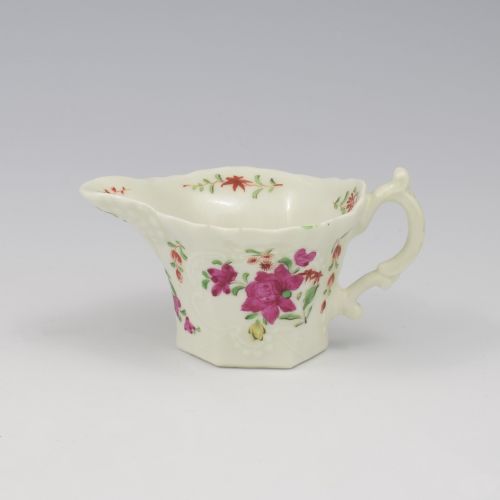
When you search for 18th century english china, you encounter domestic tableware and decorative figures produced during the Georgian era. The selection centres on teacups, saucers, teapots, sauce boats, and serving dishes alongside sculptural figures.
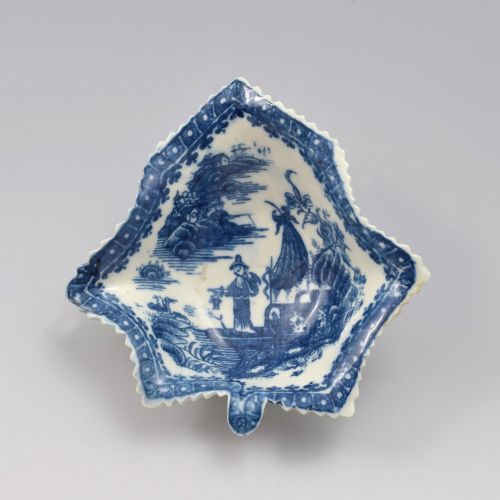
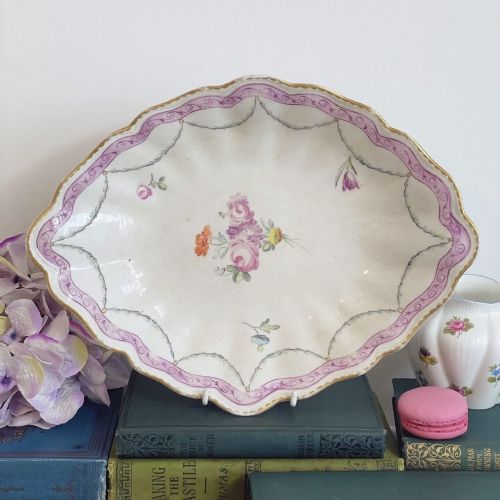
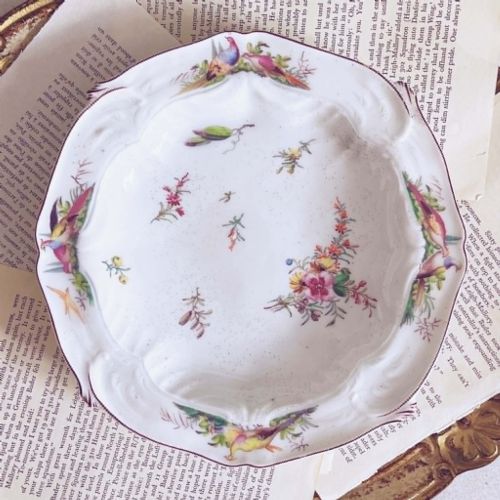
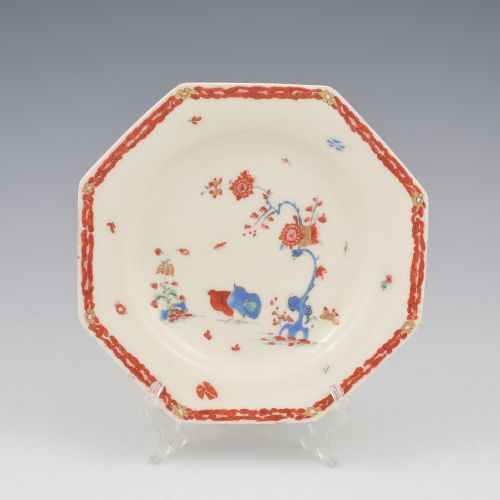
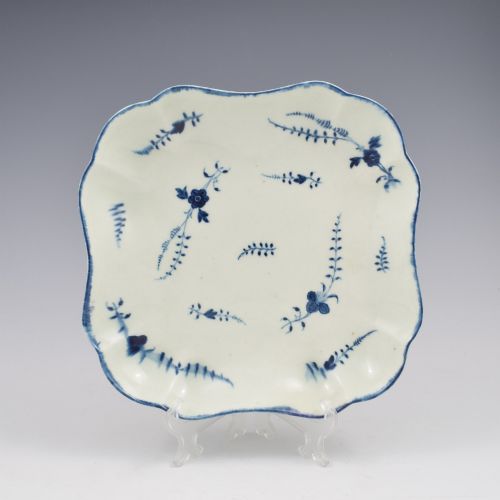
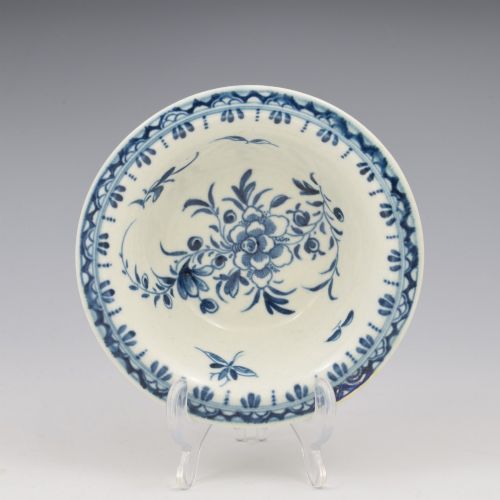
You are most likely to meet Worcester, Derby, and Bow porcelain pieces from the middle and latter half of the 1700s. These domestic items range from blue and white pickle dishes to hand-painted polychrome plates.
The objects reflect the domestic habits and decorative tastes of Georgian households, combining utility with artistic ambition. Many surviving examples demonstrate the transition from early experimental bodies to refined cabinet pieces.
What varies in quality
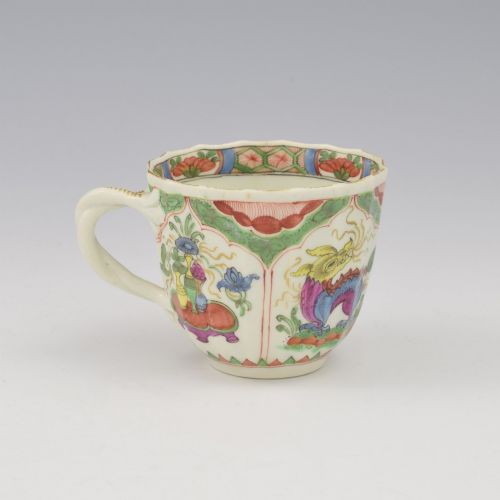
The skill of the enamel painter dictates the artistic merit of individual pieces, separating standard factory output from masterwork decoration. Precision in hand-painted details, such as bird plumage or Chinese figures, marks superior examples.
The clarity of the glaze and the crispness of the porcelain moulding reveal the control exercised at the kiln. Wares that display minimal firing warp and evenly distributed cobalt blue or polychrome enamels represent the finer end of the range.
Early porcelain makers occasionally included tiny porcelain mice inside teapots just to surprise whoever finished the tea.
Richard Chaffers·Duesbury and Kean
The 18th Century English China Glossary
- Soft-paste porcelain
- A ceramic composition containing glass frit and white clay, fired at lower temperatures than hard-paste porcelain. This body produces a warm, creamy translucency under glaze.
- Cobalt glaze
- A deep blue mineral pigment applied beneath the glaze for underglaze decoration. It withstands high kiln temperatures without burning away.
- Gold leaf
- Beaten gold applied to porcelain surfaces for decorative gilding during secondary firing. It provides a metallic accent to borders and patterns.
- Polychrome
- Multi-coloured enamel painting executed over the glaze. This technique allowed factories to introduce vibrant reds, greens, and yellows.
- Fluted
- Rounded vertical grooves moulded into the sides of cups, bowls, or cream jugs. This technique adds structural strength and visual texture to thin porcelain walls.
18th Century English China: Frequently Asked Questions
How do I identify Dr Wall Worcester?
Look for characteristic soft-paste bodies featuring crescent marks, square seal marks, or blue fretted square marks underneath the glaze.
These pieces often display finely painted hop trellis, Chantilly sprigs, or blue and white transfer prints.
What is soft-paste porcelain?
Soft-paste is an artificial porcelain mixture used by English factories before the discovery of domestic kaolin deposits. It yields a softer texture and a warm, creamy appearance when held to the light.
Potters shaped this material into intricate tableware and delicate decorative figures throughout the Georgian period.
How were eighteenth century teacups used?
Georgian teacups and saucers formed part of formal tea service rituals in affluent households. Tea was often poured from the teapot into the saucer to cool before drinking.
Many sets included matching slop bowls for dregs and leaf-shaped pickle dishes for accompanying sweet or savoury morsels.
What are Derby figures?
Derby figures are sculptural porcelain pieces representing allegorical themes, theatrical characters, or everyday street vendors. Modelled by skilled artisans, these figures were glazed and hand-painted in polychrome enamels.
They served as table ornaments and mantelpiece decorations in wealthy homes.