


18th Century Drop Leaf
An 18th century drop leaf table is a clever folding timber surface designed for flexible dining and socialising in period homes.
18th Century Drop Leaf
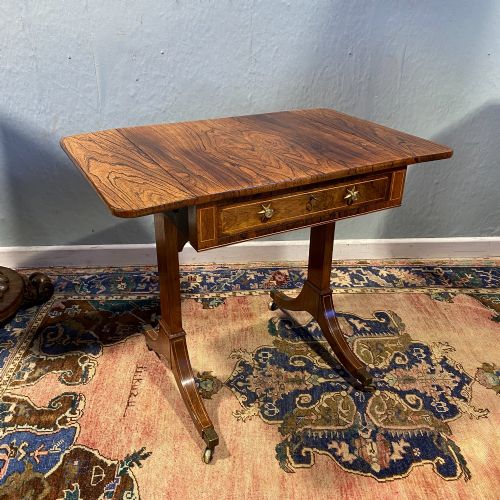
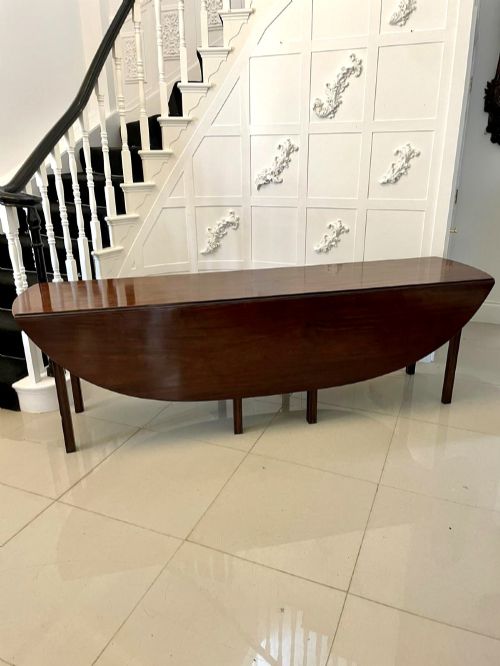
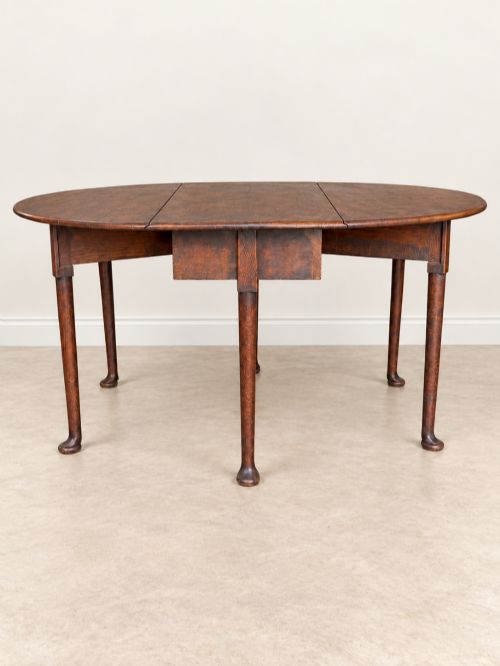
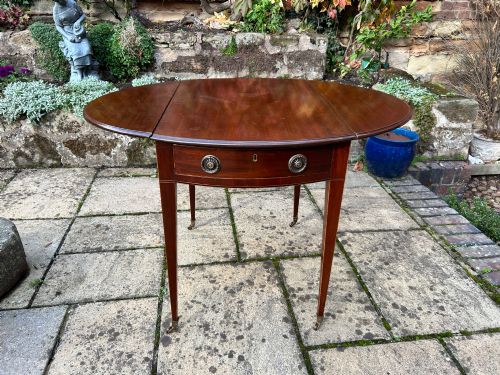
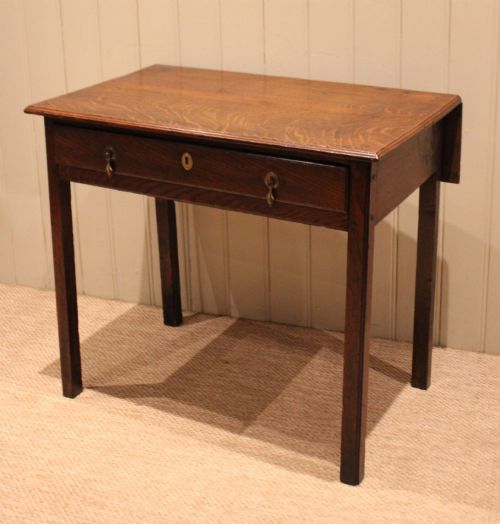
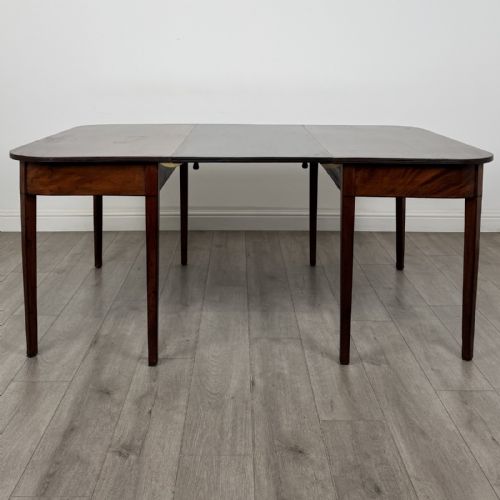
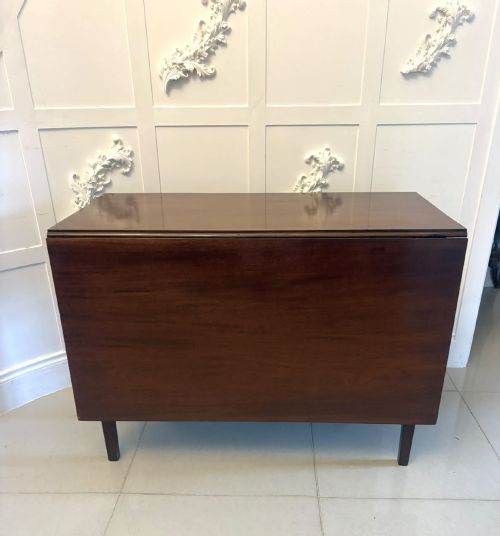
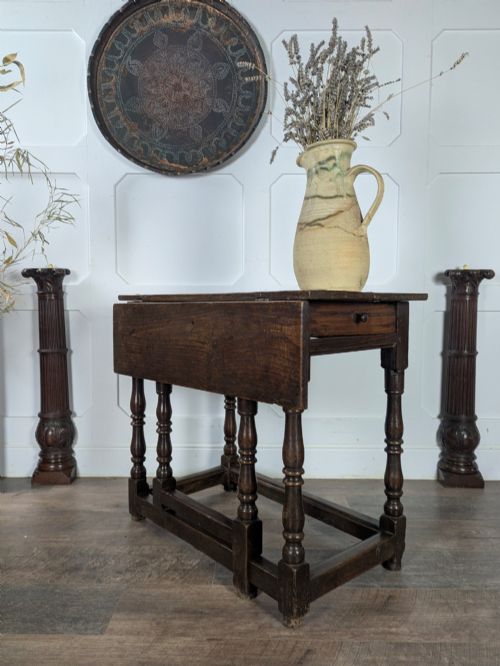
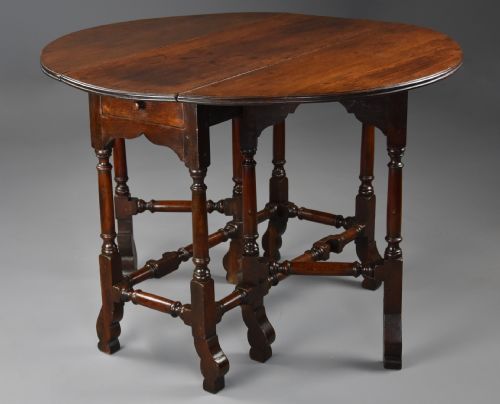
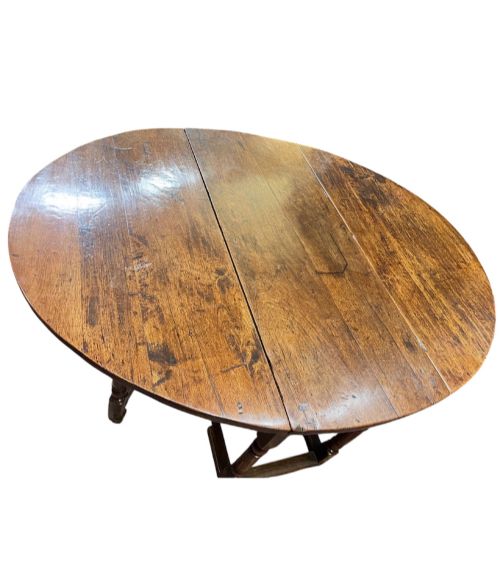
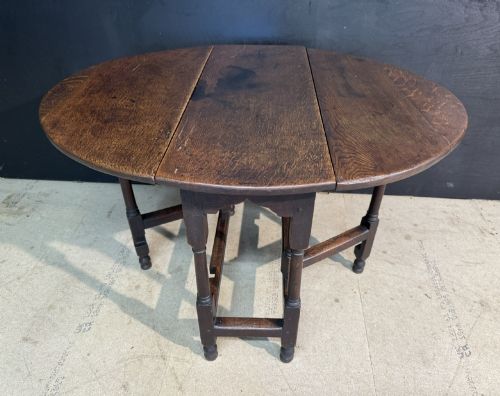
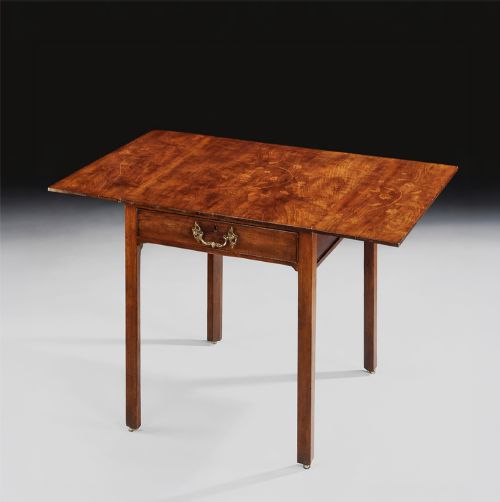
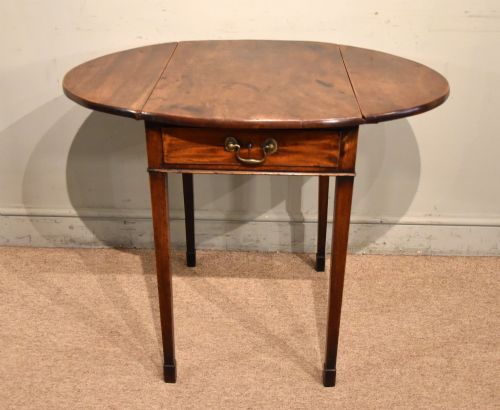
When you search for an 18th century drop leaf, you encounter versatile wooden tables engineered with folding flaps supported by hinged legs or swinging gates. These pieces appear frequently in robust oak or rich mahogany, spanning periods from the early 1700s through the Georgian era.
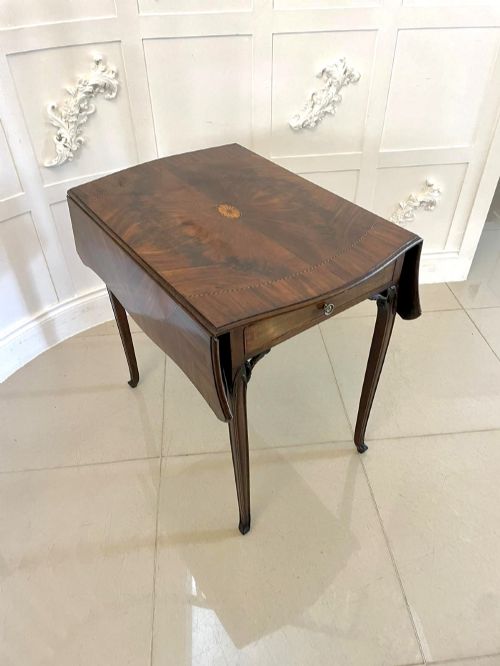
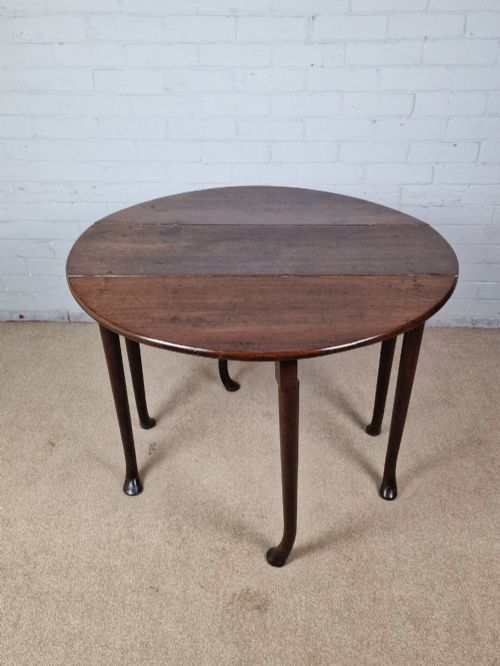
The selection ranges from intimate occasional tea tables and small proportions red walnut gatelegs to large oval dining tables seating multiple guests. English country versions in oak sit alongside sophisticated George II iterations featuring slender cabriole legs and pad feet.
Most examples function as dual-purpose furniture, expanding from compact consoles into substantial dining surfaces when the hinged leaves are raised. Buyers seek these tables for their practical space-saving design and the warm patina accumulated over centuries of domestic use.
Materials and Construction
Cabinet makers constructed these tables using solid timber boards of oak, mahogany, Cuban mahogany, red walnut, and occasional walnut. These dense hardwoods provided the structural integrity required for folding mechanisms and weight-bearing drop leaves.
Joinery relied on sturdy tenon and mortise framing, augmented by pivoting gatelegs or swing supports that secured the extended leaves. Metal brass fittings, hinges, and castor elements were incorporated to facilitate the movement of folding leaves and support heavy timbers.
18th Century Drop Leaf Retail Price Guide 2026
Typical asking prices for 18th century drop leaf among the pieces listed under this phrase on Sellingantiques today, from the lower quarter to the upper quarter. They describe what is for sale here now, not the wider market.
Some tables feature secret swinging legs that require a polite knock to locate before dinner can begin.
Judging Quality and Finish
The hierarchy of quality rests on timber selection, such as figured Cuban mahogany or rich red walnut, balanced against the crispness of carved details like claw-and-ball feet. Superior tables display harmonious proportions when fully extended, maintaining structural rigidity across the folding gate joints.
Surface preservation defines the upper tier, where a deep, untouched natural patina enhances the grain rather than heavy modern restoration. Fine execution shows in the precision of the hinge placement and the subtlety of shaping on cabriole legs or pad feet.
The 18th Century Drop Leaf Glossary
- Drop-leaf
- A table with a fixed centre section and hinged flaps on either side that fold down to save space.
- Gateleg table
- A table with hinged legs that swing outward like a gate to support the raised leaves.
- Cabriole leg
- A furniture leg that curves outward at the knee and tapers inward toward an ankle and foot, typical of Georgian design.
- Pad foot
- A simple rounded foot resting flat on the floor, frequently seen on early 18th century tables.
- Patina
- The deep surface sheen and colour developed by timber over long periods of handling and age.
- Cuban mahogany
- A dense, dark tropical hardwood imported during the 18th century, prized for its rich grain and stability.
18th Century Drop Leaf: Frequently Asked Questions
How do drop leaf tables work?
These tables operate through hinged wooden leaves supported by pivoting legs or swinging gate frames. Lifting the side flaps extends the surface area for dining.
Lowering the leaves allows the table to sit flat against a wall as a compact console or occasional piece when floor space is limited.
What woods were used?
Carpenters utilised native British oak for robust country furniture and imported mahogany for more refined urban dining tables. Walnut and red walnut also appear in specific periods.
Each timber dictates the weight and colour of the piece, with oak offering a golden rustic tone and mahogany providing deep reddish-brown warmth.
Where were they placed?
Historically, these tables stood in parlours, dining rooms, and halls where floor arrangements changed frequently throughout the day. Their folding design suited multi-use domestic interiors.
Modern homes use them similarly as versatile dining surfaces or side tables that adapt easily to compact dining spaces.