
18th Century Dressing Desk
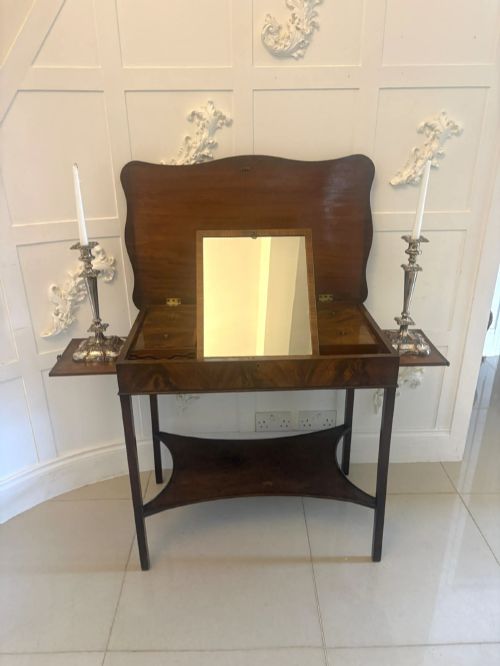
An 18th century dressing desk brings domestic order through fitted drawers and rich native timbers, offering a compact surface for grooming and correspondence.
18th Century Dressing Desk
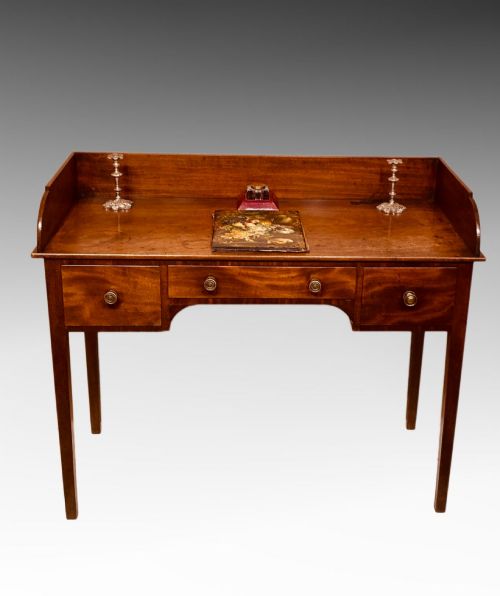
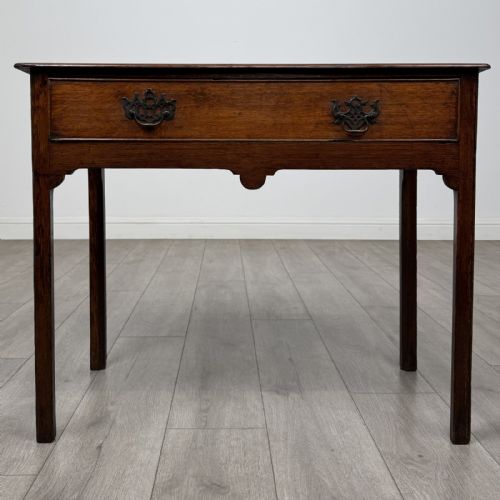
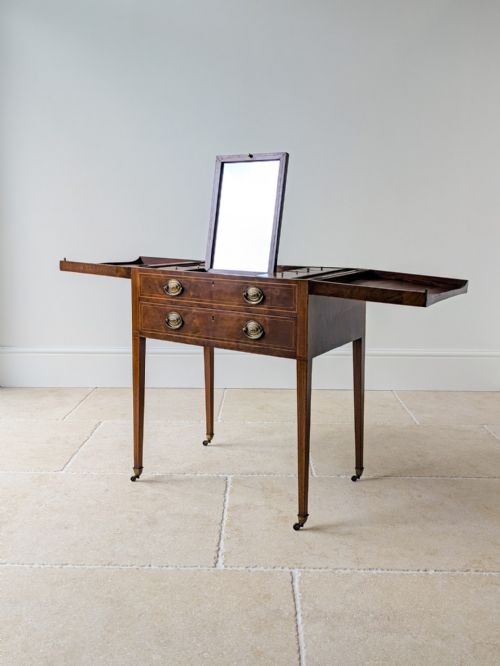
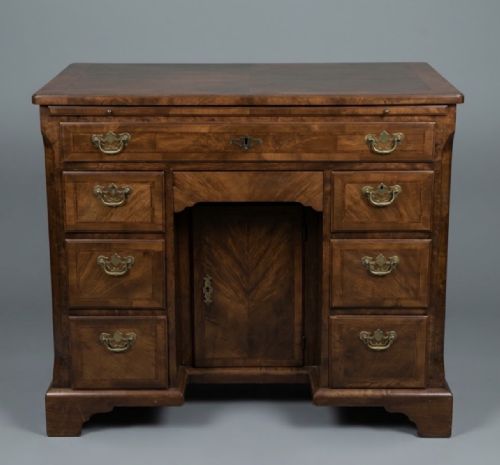
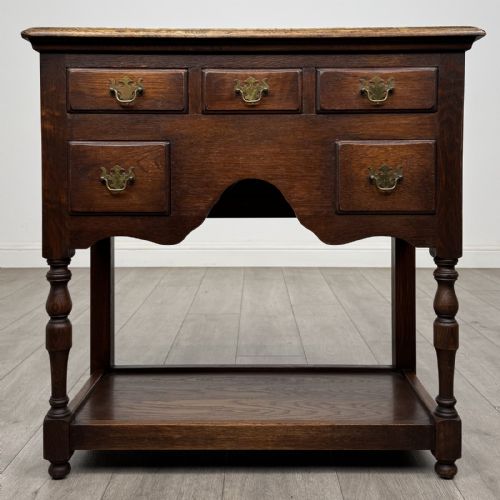
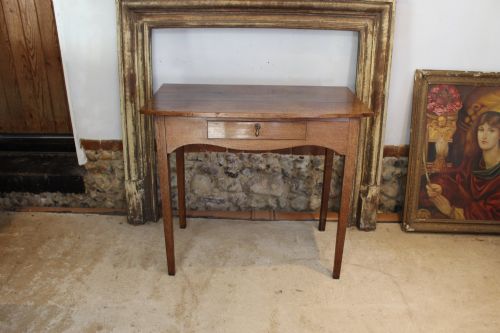
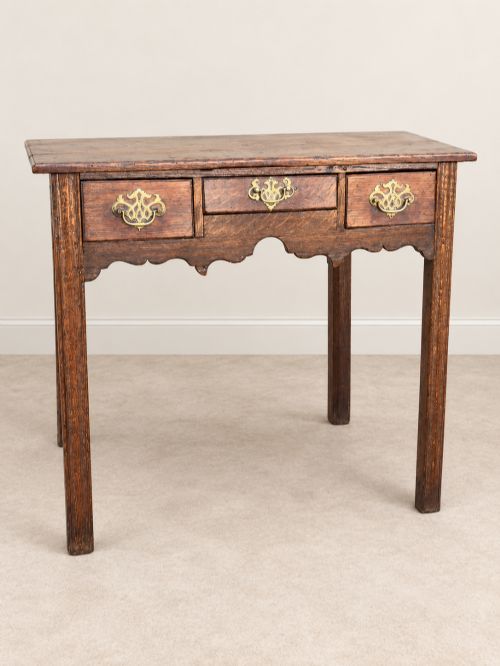
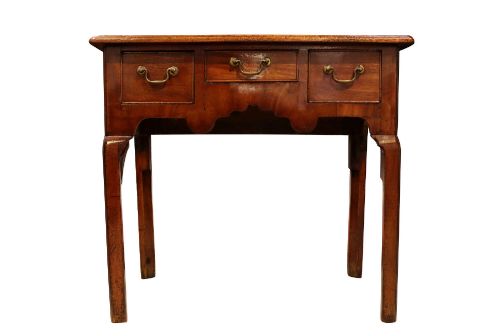
An 18th century dressing desk encompasses lowboys, side tables, and kneehole desks originating from the Georgian, Queen Anne, and George periods. These forms share a domestic scale designed for personal grooming and writing in private chambers.
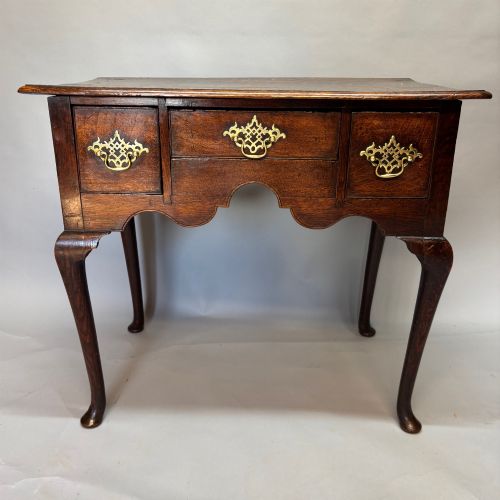
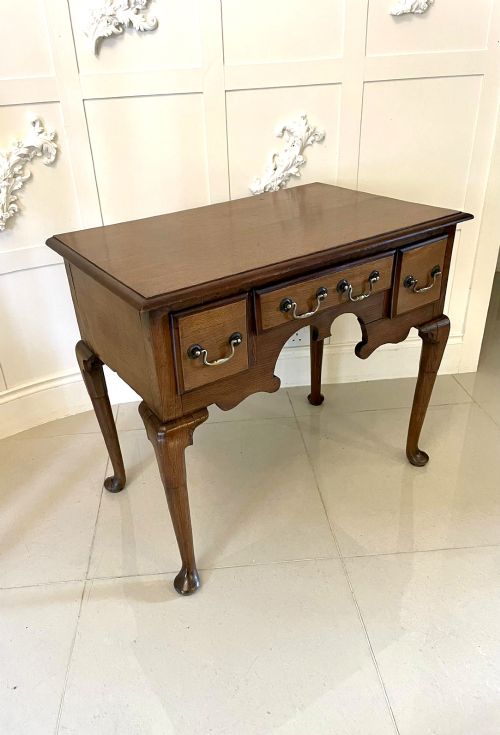
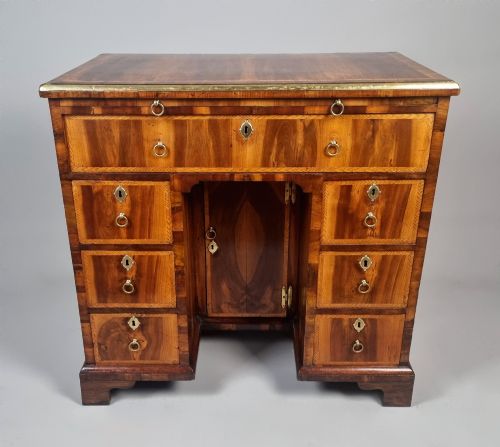
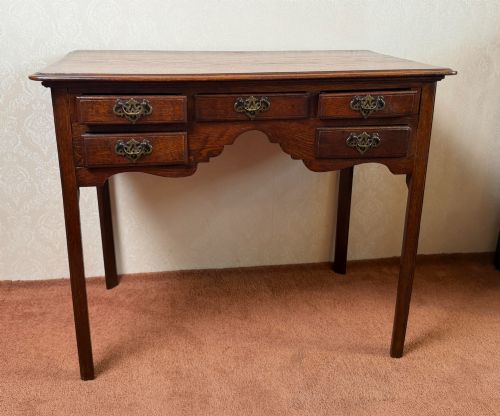
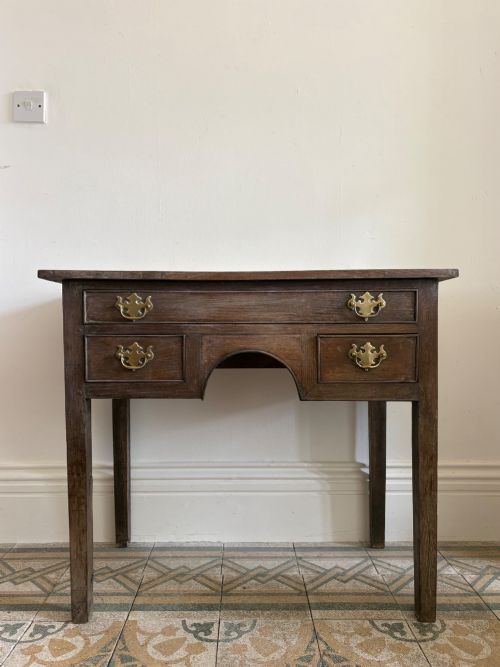
The lowboy appears frequently, functioning as a low dressing table with one or more rows of drawers beneath a flat top. Kneehole desks provide a more architectural layout with a central recessed cupboard flanked by pedestal drawers.
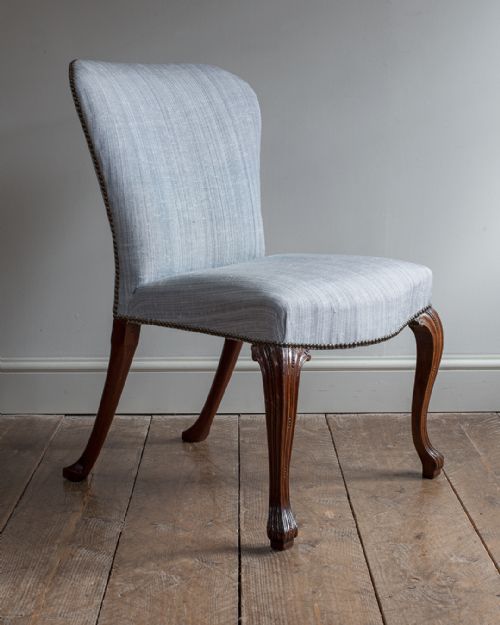
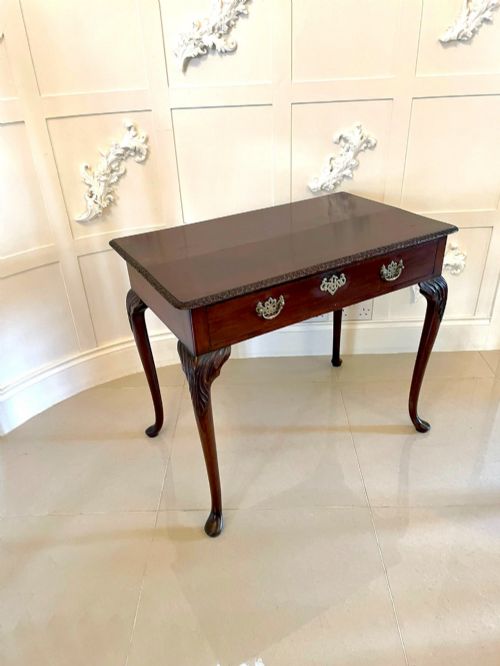
Makers constructed these pieces using native hardwoods such as oak, walnut, and mahogany, often enhanced by secondary timbers like elm and yew wood. Surviving examples carry the stylistic markers of the eighteenth century, including cabriole legs and bracket feet.
Materials and Construction Methods
Cabinetmakers built these pieces using solid mahogany, oak, and walnut, frequently applying figured or burr veneers to primary drawer fronts and tops. Secondary woods such as elm, fruitwood, and yew appear in structural linings and secondary surfaces.
Joinery relied on hand-cut dovetails for drawer construction and tenon joints for frames, ensuring structural rigidity without modern adhesives. Brass drop handles and escutcheons secured with pins punctuate the timber facades.
Turned and cabriole legs define the lower framework, sometimes terminating in pad feet or bracket feet depending on the specific Georgian sub-period. Surface finishing involved hand-rubbed wax or oil to highlight the natural grain patterns of the timber.
Secret compartments occasionally hide behind the central kneehole cupboard door, waiting for an inquisitive hand to discover them.
Distinctions in Execution and Survival
The grade of timber selected for the primary surfaces dictates the visual depth of the piece, with highly figured burr walnut and dense mahogany occupying the upper tier. Plain oak and fruitwood represent more utilitarian domestic production.
The retention of original brass hardware and untouched surface patination separates unrestored pieces from those heavily rebuilt over centuries. Finely carved kneeholes, cockbeaded drawer edges, and crisp cabriole leg shaping indicate higher workshop execution.
The 18th Century Dressing Desk Glossary
- Lowboy
- A small table with drawers, standing on four legs, used primarily as a dressing table or side table during the eighteenth century.
- Kneehole desk
- A bureau or writing table featuring a recessed central space beneath the writing surface, flanked by vertical banks of small drawers.
- Cockbeading
- A narrow rounded moulding projecting around the edges of drawer fronts to protect the veneer and frame the construction.
- Cabriole leg
- A furniture leg that curves outward in an upper convex arc and tapers inward in a lower concave arc, commonly ending in a pad foot.
18th Century Dressing Desk: Frequently Asked Questions
How were these desks used?
These desks served private chambers for morning grooming, applying cosmetics, and writing personal correspondence.
Their compact proportions allowed placement in bedrooms rather than formal reception rooms, holding mirrors and writing implements.
What is a lowboy?
A lowboy is a low dressing table or side table equipped with drawers beneath the work surface.
Originating in the late seventeenth century, it remained popular through the Georgian era as a versatile household furnishing.
How do I identify George III pieces?
George III pieces often display straight tapered legs, mahogany construction, and neoclassical decorative restraint.
They contrast with the earlier curved cabriole legs and walnut veneers typical of Queen Anne and George II designs.
Are these pieces suitable for daily use?
These desks adapt well to modern domestic interiors as writing surfaces, dressing tables, or hall furniture.
Their sturdy timber construction and sensible proportions suit contemporary spaces while retaining historical character.