


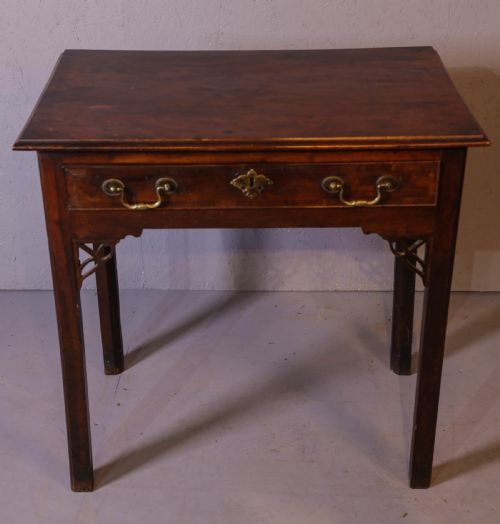


18th Century Yew Desk
An 18th century yew desk brings warmth and striking timber grain to a study, offering the rich patination that only centuries of use can develop.
18th Century Yew Desk
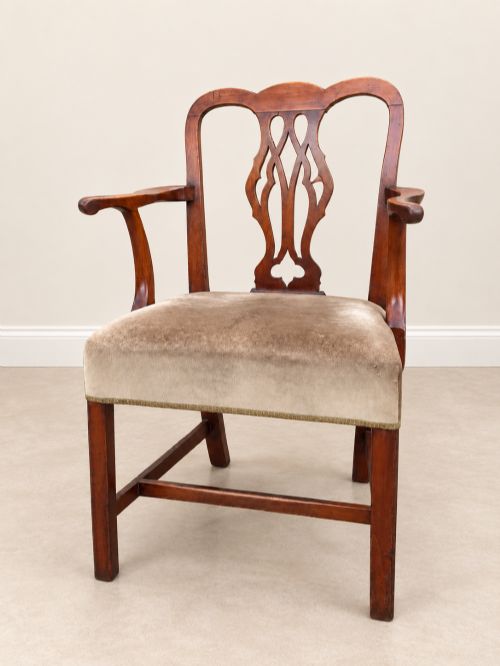
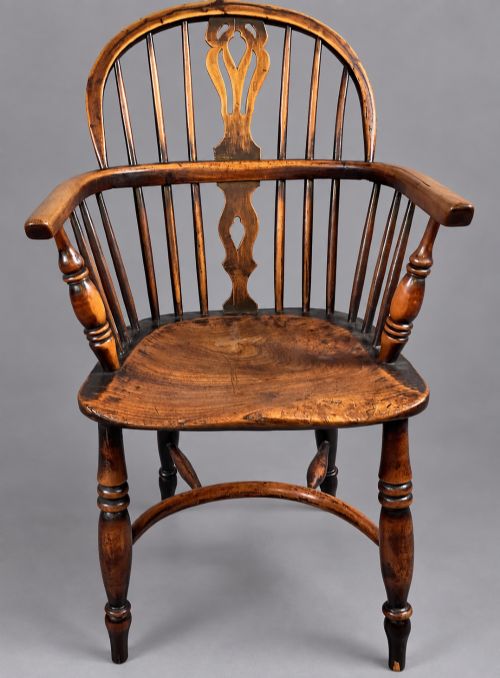
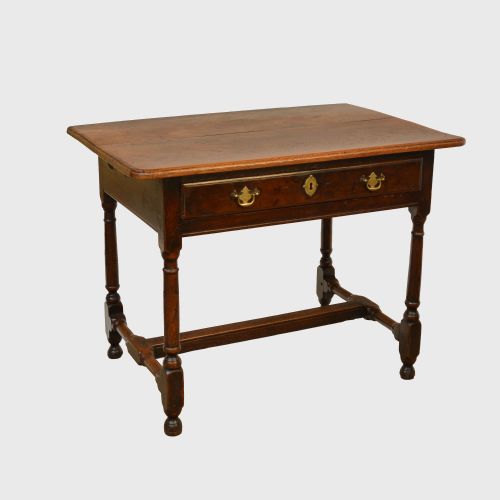
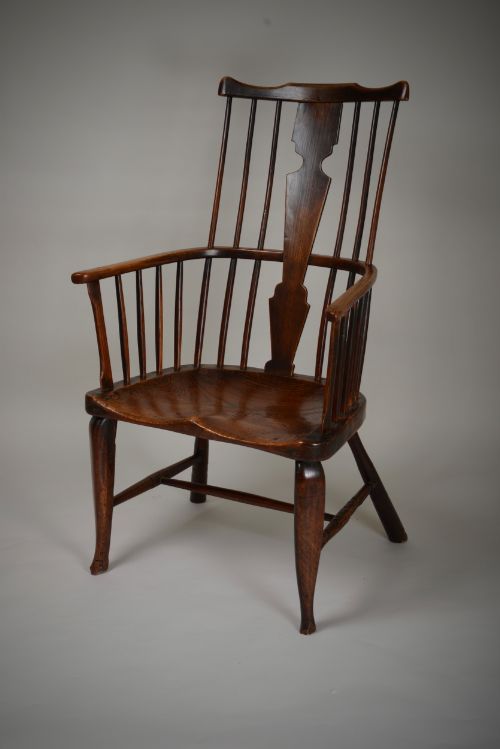
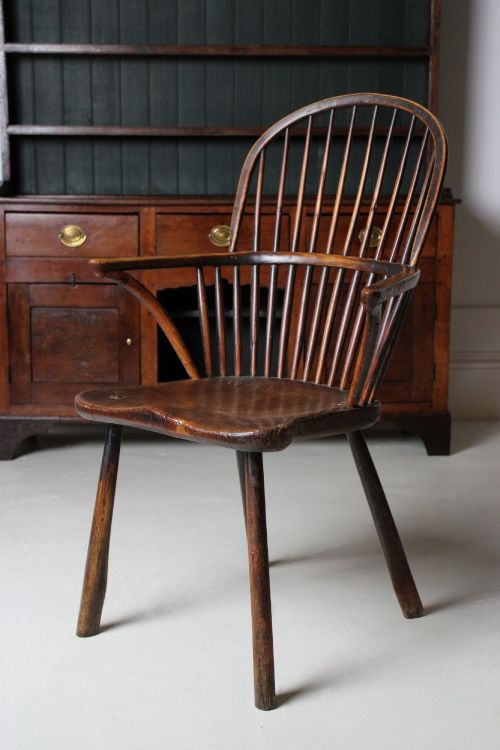
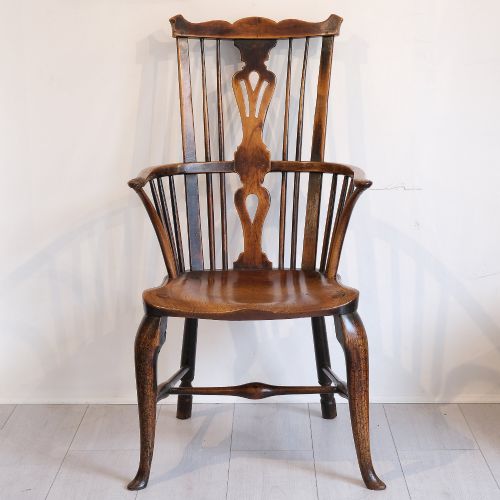
When you search for an 18th century yew desk, you encounter pieces originating primarily from the Georgian period, often constructed with regional vernacular character. While the listings include desks and bureaux alongside seating and tables, the defining focus rests on timber work from the seventeen-hundreds.
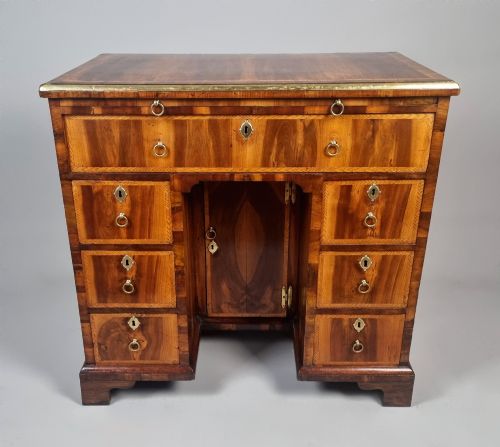
The objects span formal George II pieces with veneered featherbanding to English country vernacular forms. These incorporate related secondary timbers like elm, oak, and ash, reflecting the working methods of provincial cabinet makers.
What varies in quality
The gradation of quality depends upon the selection of timber figures and the crispness of the cabinet work. Pieces displaying rich, highly figured yew grain and intricate featherbanding sit apart from simpler provincial builds.
Proportion and structural integrity also dictate standard, with well-balanced forms retaining their original brasses and timber surfaces commanding greater attention from those who study period furniture.
The listings on this site combine 18th and 19th-century pieces, incorporating materials such as yew, elm, oak, ash, and brass.
John Brand of Sleaford·Allsop Worksop·Rockley Maker
The 18th Century Yew Desk Glossary
- Featherbanding
- A decorative inlay technique using narrow strips of veneer laid in a herringbone pattern around the perimeter of a drawer front or tabletop. This detail frames the principal timber figure.
- Vernacular
- Furniture made by regional craftsmen for local use rather than for metropolitan elites. These pieces often employ alternative native timbers like elm and ash alongside yew.
- Kneehole desk
- A form of writing table featuring a central recess for the sitter's legs, flanked by pedestals of small drawers. This design became popular during the Georgian period.
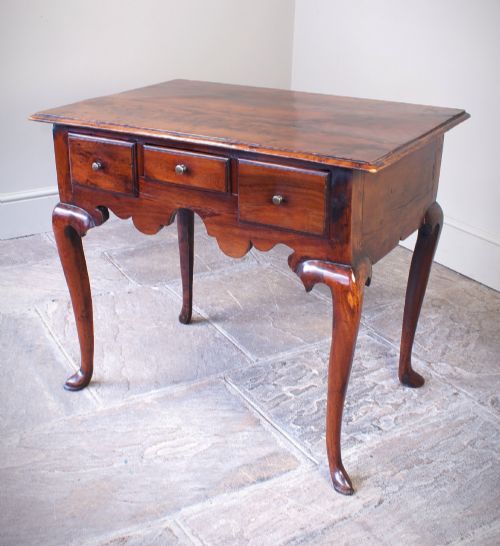
- Lowboy
- A small side table with one or more rows of drawers beneath the working surface, frequently utilised as a dressing table or writing stand. They typically stand on slender cabriole or straight legs.
- Patina
- The surface sheen and mellowing of colour developed by wood over decades of handling, polishing, and exposure to light. It serves as an indicator of age and continuous use.
18th Century Yew Desk: Frequently Asked Questions
How do I clean an old yew desk?
Dust the surface regularly with a soft, dry cloth to prevent grit accumulation.
Apply a microcrystalline wax sparingly once or twice a year to nourish the timber without clouding the historic finish.
Can I use a yew bureau daily?
These desks are robust enough for daily writing tasks provided you treat the writing flap with care.
Ensure pens and heavy loads do not scratch the historic writing surface or strain old hinges.
What woods were mixed with yew?
Cabinet makers frequently combined yew with elm, oak, and ash for internal components and framing.
These secondary timbers provided necessary strength and structural stability where yew boards were unavailable.
How do I recognise George II pieces?
George II furniture often exhibits refined architectural proportions, specific veneer work like featherbanding, and classical brass hardware.
Maker details and regional traits further distinguish these items from later nineteenth-century interpretations.