



18th Century Corner Table
An 18th century corner table solves the problem of awkward wall junctions by turning dead space into functional furniture.
18th Century Corner Table
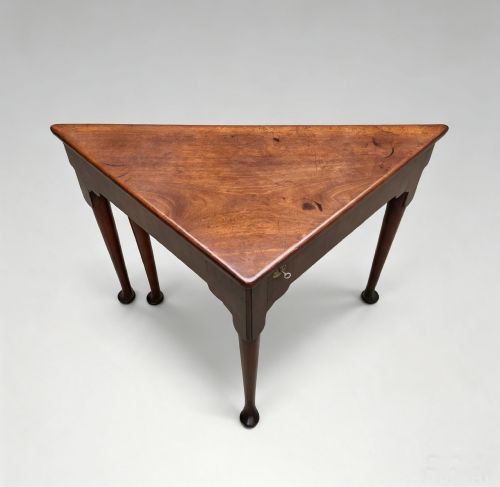
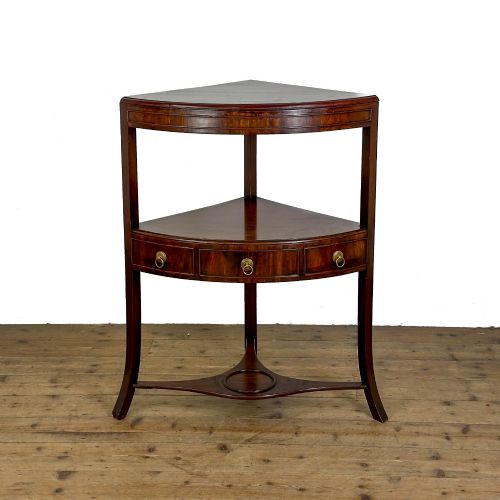
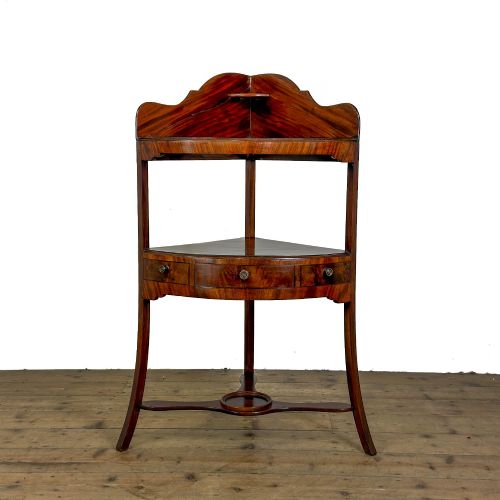
An 18th century corner table is designed specifically to fit into the ninety-degree junction of a room, making efficient use of interior space. The selection spans Georgian, George III, and George II periods, alongside Dutch and Chinese examples.
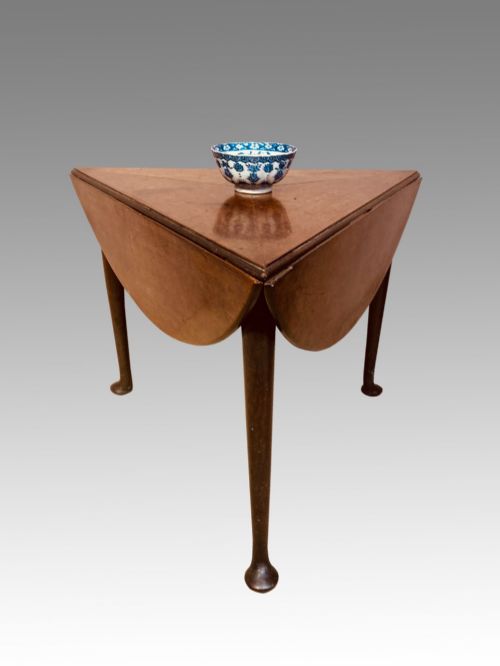
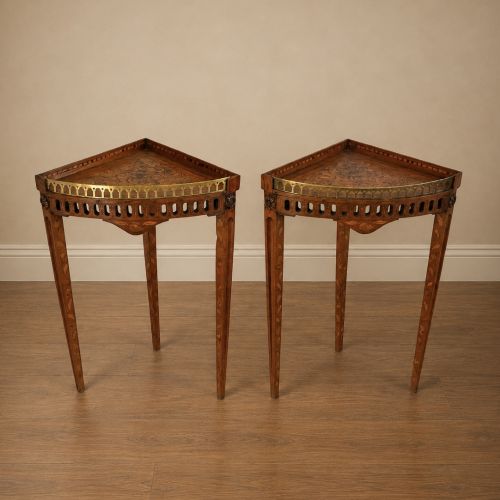
The most common formats met here include washstands, drop leaf designs, and tea tables. These range from simple functional pieces to intricately inlaid items with brass galleries.
Materials and Construction
Mahogany dominates the construction, appearing in red, Cuban, and standard varieties, often paired with secondary woods like fruitwood and walnut. Craftsmen utilised boxwood inlay to create decorative borders and geometric patterns on tabletops.
Joinery techniques such as snap-top mechanisms, folding leaves, and tripod bases allowed these tables to serve multiple functions within domestic interiors. Brass hardware, including galleries and hinges, provided both structural support and ornamental contrast.
Listings feature mahogany, walnut, satinwood, and yew wood, spanning the Georgian, Victorian, and 18th century periods.
Assessing Quality and Craftsmanship
Quality rests in the crispness of the carving, the selection of timber veneers, and the integrity of the original joints. Pieces featuring elaborate marquetry inlay or refined brass galleries demonstrate higher workshop investment than plain utility versions.
Proportion and stability dictate the standing of a table, particularly in folding or snap-top variants where the mechanism must align precisely. Original surface finishes and patination distinguish pieces that retain their integrity from those heavily restored.
The 18th Century Corner Table Glossary
- Marquetry
- Decorative veneer work arranged in intricate patterns using various coloured woods. This technique adorns the surfaces of several Dutch and Georgian tables.
- Snap-top
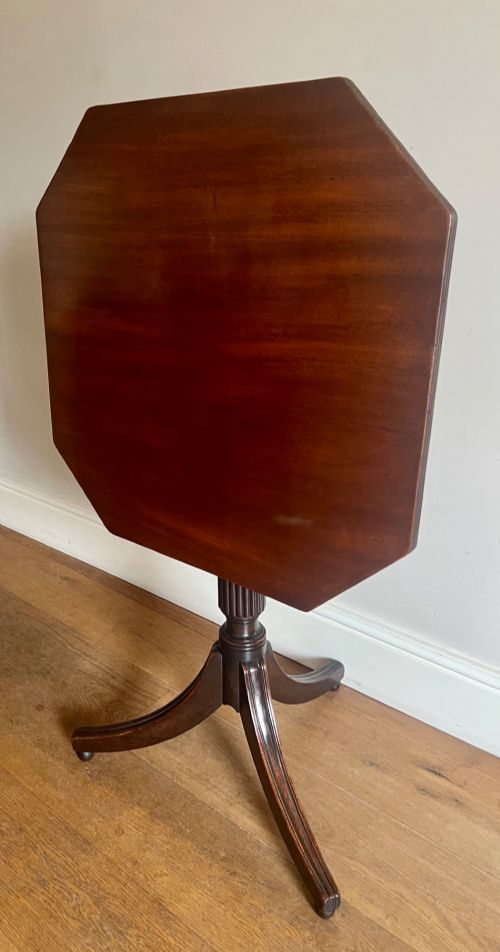
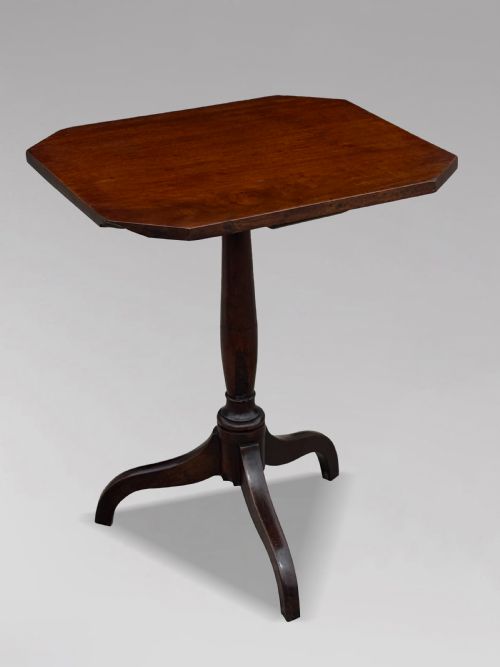
- A tabletop hinged to a pillar and tripod base that tilts vertically when not in use. This mechanism allowed tables to stand flat against walls to save space.
- Washstand
- A specialised piece designed to hold basins, ewers, and grooming equipment. These often feature cutout tiers specifically sized for ceramic vessels.
- Drop leaf
- A table featuring hinged flaps on the sides that fold down to reduce the footprint. Supporting brackets swing out to hold the leaves level when raised.
18th Century Corner Table: Frequently Asked Questions
Where should I place a corner table?
These tables belong in empty room junctions where standard rectangular furniture leaves awkward gaps. They suit hallways, bedrooms, and reception rooms.
Position them away from direct heat sources to protect the timber and veneer from splitting over time.
How do I use a folding corner table?
Folding variants provide temporary surface area for tea, cards, or display without dominating the room permanently. You simply lift the leaves or unfold the top when needed.
Keep the hinges clean and avoid overloading the unsupported edges of extended leaves.
What is a corner washstand?
A corner washstand is a specialised Georgian wash station built to fit room junctions. They typically feature tiered platforms for bowls and pitchers.
Many examples include small drawers or enclosed cupboards in the lower section for storage.
How do I care for antique mahogany?
Maintain the timber by dusting regularly with a soft, dry cloth and applying natural wax sparingly. Avoid modern liquid polishes containing silicones.
Keep the table out of direct sunlight to prevent the mahogany and inlay from fading unevenly.