


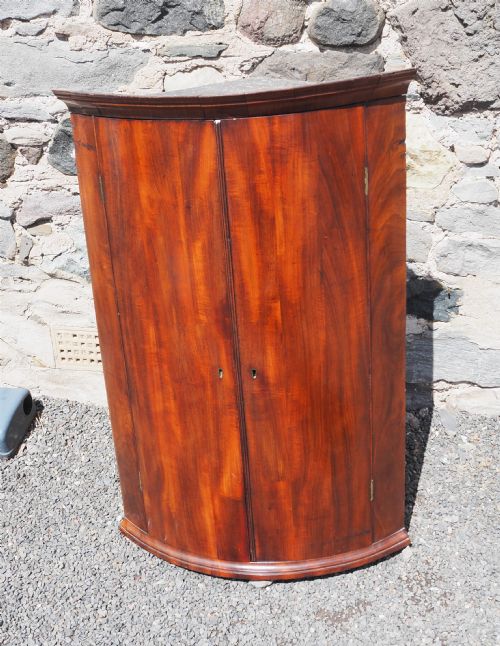

18th Century Chippendale Cabinets
These 18th century chippendale cabinets combine architectural presence with supreme timber work, offering serious collectors enduring utility and craftsmanship.
18th Century Chippendale Cabinets
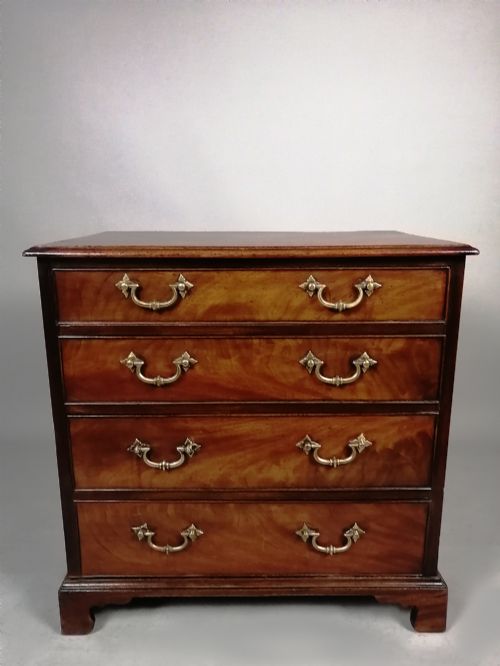
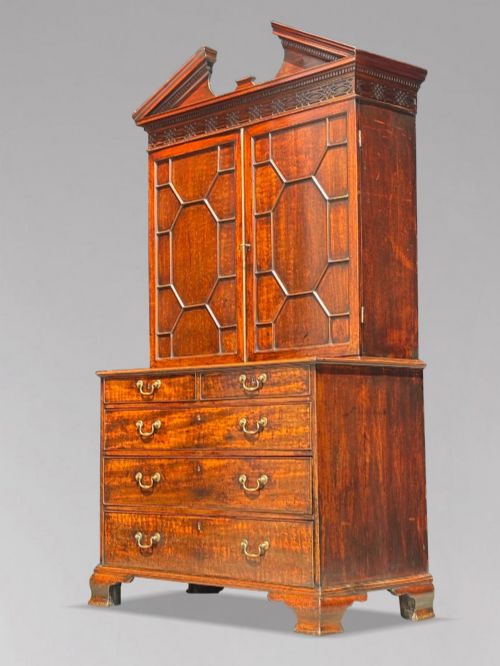
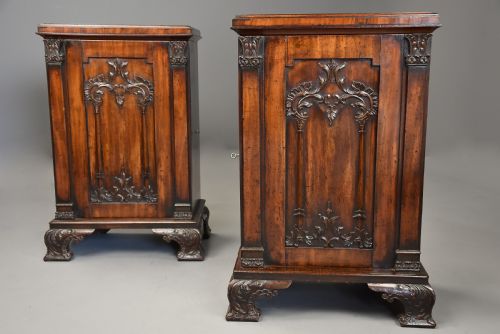
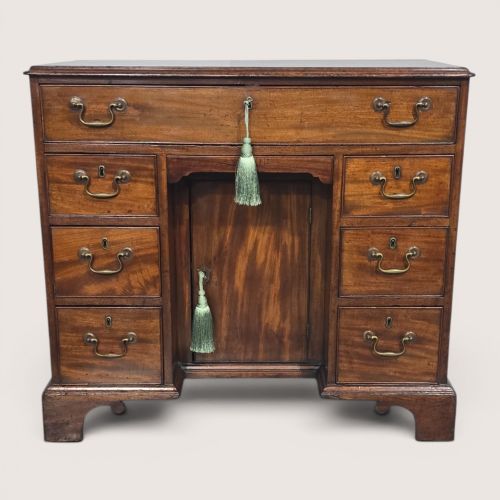
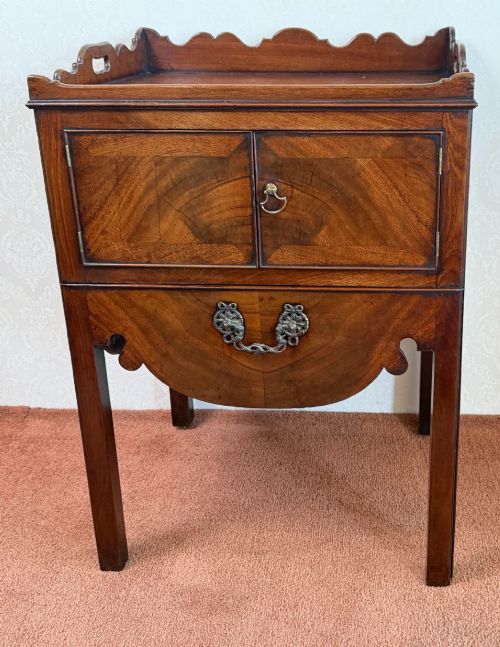
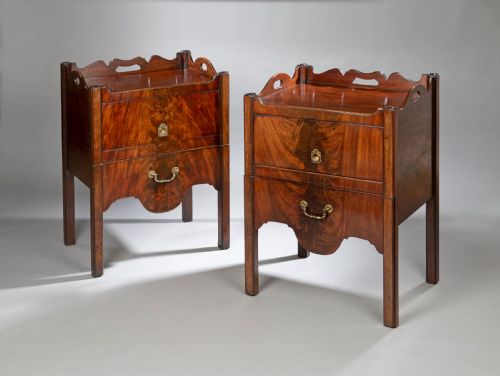
When people search for 18th century chippendale cabinets, they are looking at case furniture spanning the Georgian and George III eras, constructed primarily in solid mahogany. These pieces range from grand breakfront bookcases and secretaire tallboys down to practical bedside commodes and corner cupboards.
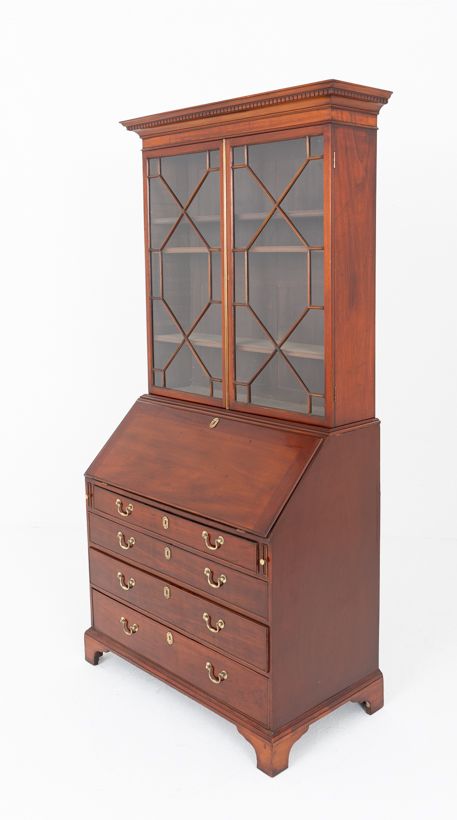
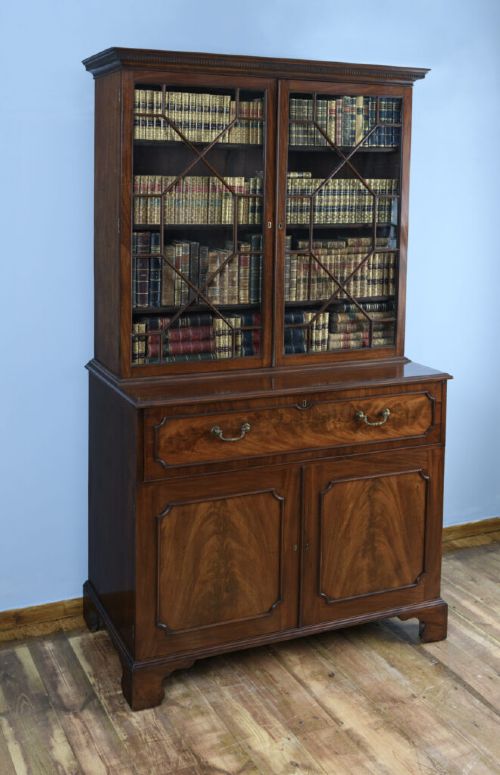
The version most commonly met on this page is the bureau bookcase or standard bookcase dating from the mid to late eighteenth century. These forms display the characteristic proportions and timber choices recorded across the period evidence, often featuring glazed doors or fitted desks.
How they were made
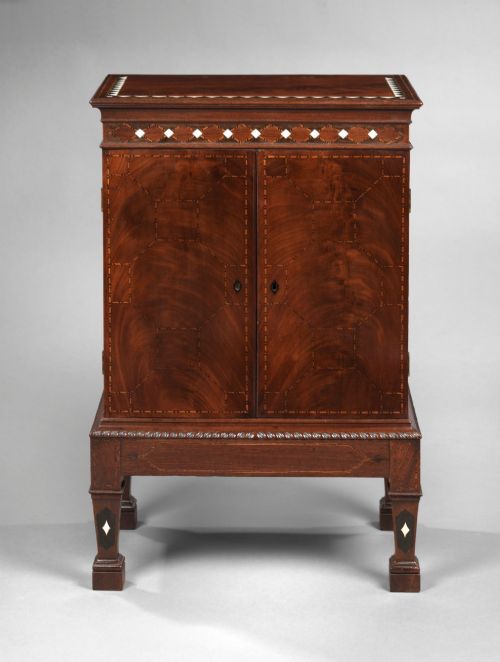
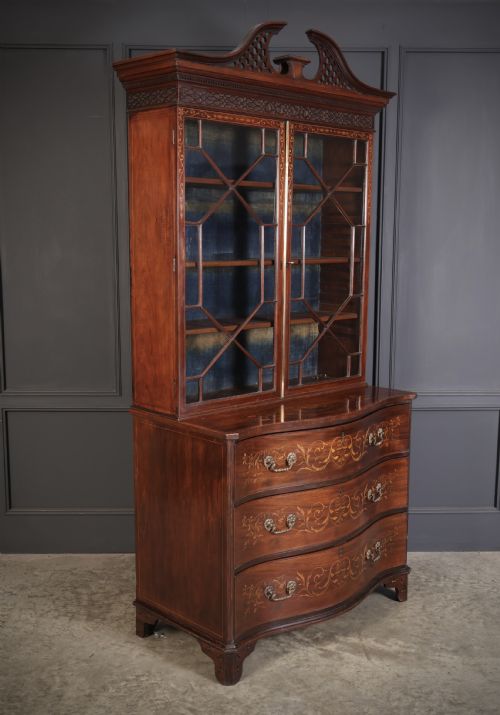
Makers relied on dense mahogany and Cuban mahogany, frequently enhanced by marquetry inlay, satinwood details, and bone inlay. Structural integrity relied on secondary timbers such as oak, while visual polish came from careful timber selection.
Hardware played an integral part in the construction, incorporating original brasses and glass panels. Joinery techniques ensured large case pieces like bookcases and chest on chests remained stable over centuries.
Listings here feature mahogany, Cuban mahogany, oak, and satinwood, spanning the 18th century, Georgian, and George III periods.
What varies in quality
The calibre of these pieces depends upon the choice of timber figure, particularly the richness of the mahogany and the crispness of any applied inlay. Finer examples retain their original brassware and untouched surface patination.
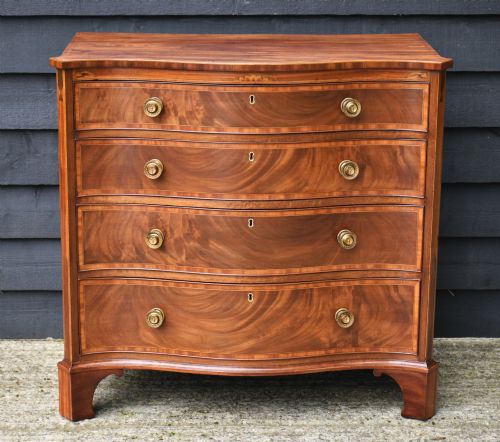
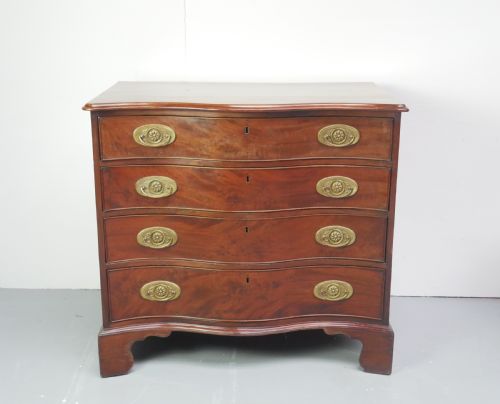
Structural ambition also separates standard items from exceptional ones, seen in complex serpentine fronts, broken arch pediments, and fully fitted internal secretaire drawers rather than simple shelving.
Thomas Chippendale
The 18th Century Chippendale Cabinets Glossary
- Secretaire
- A desk disguised as a drawer, featuring a drop-front writing surface that conceals small compartments and pigeonholes inside a larger case piece.
- Serpentine
- A curved front shape on a cabinet or chest that undulates inward and outward in a smooth, continuous line.
- Tallboy
- A tall chest of drawers made in two stacked sections, often standing on a base or bracket feet.
- Pediment
- The decorative architectural crown positioned above the cornice of a bookcase or tall cabinet.
- Tray top
- A raised rim edging the top surface of small bedside tables and commodes, designed to prevent items from rolling off.
18th Century Chippendale Cabinets: Frequently Asked Questions
What defines an 18th century chippendale cabinet?
These pieces originate from the Georgian period and incorporate distinct design traits associated with Thomas Chippendale and his contemporaries. They utilise dense mahogany timbers and often feature finely carved details or glazing.
Such cabinets span multiple forms, from bureau bookcases to bedside commodes, united by their eighteenth-century origins and traditional construction methods.
How were bureau bookcases used?
A bureau bookcase served a dual purpose in the Georgian home, functioning as both a writing desk and a library storage unit. The drop-front secretaire section provided a private space for correspondence and administrative tasks.
Above the desk, glazed doors allowed owners to display valued books and porcelain while protecting them from dust and soot.
Where should a bedside commode go?
Tray top bedside commodes work well beside low period beds or as compact accent tables in a hallway or drawing room. Their enclosed cupboards originally served practical domestic functions but now offer discreet storage.
Keeping them away from direct heat sources helps preserve the antique mahogany and original surface polish.