



Chippendale Pedestal Cupboards
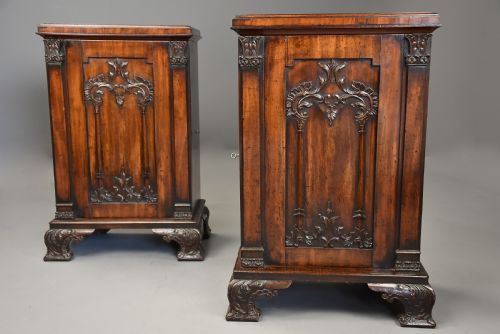
These Chippendale pedestal cupboards bring substantial mahogany timber and classic Georgian proportions straight into a room.
Chippendale Pedestal Cupboards
When searching for chippendale pedestal cupboards, buyers encounter sturdy bedside cabinets and occasional pedestal forms rooted in the eighteenth century. The examples documented here span the Georgian era and the nineteenth century, reflecting enduring cabinet-making traditions.
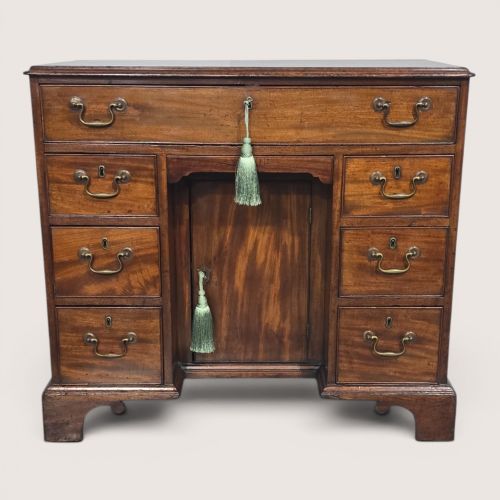
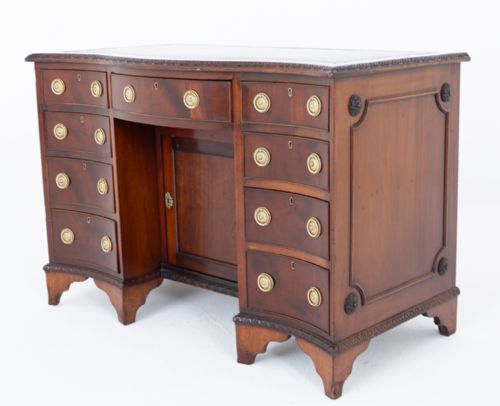
Most pieces on this page appear in rich mahogany, whilst occasional variants bring oak and walnut construction into the mix. Forms range from compact bedside units to related kneehole writing desks and dressing tables sharing the same architectural pedestal arrangement.
Materials and construction
Makers relied principally on dense solid mahogany and selected veneers, sometimes pairing the primary timber with secondary woods like oak. Cabinet-makers utilised traditional joinery methods to build the supporting pedestals and carcass frames.
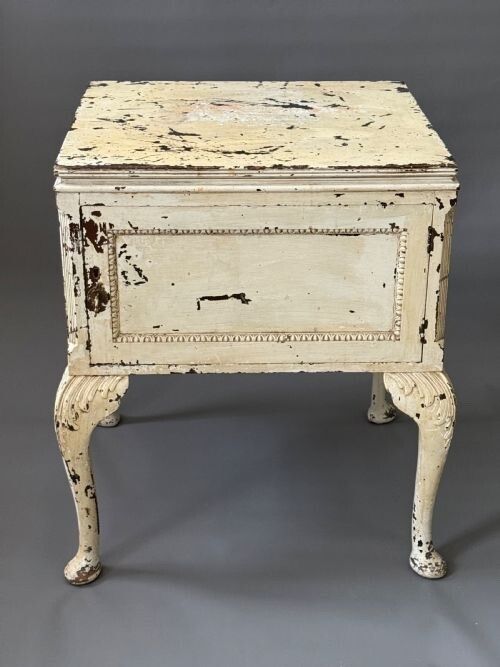
Fitted hardware typically includes cast brass pulls and handles, whilst selected writing forms incorporate inset leather writing surfaces. Painted finishes appear on specific nineteenth-century pieces alongside polished timber surfaces.
Chippendale Pedestal Cupboards Retail Price Guide 2026
Typical asking prices for chippendale pedestal cupboards among the pieces listed under this phrase on Sellingantiques today, from the lower quarter to the upper quarter. They describe what is for sale here now, not the wider market.
The listings on this page span the eighteenth and nineteenth centuries, featuring mahogany, oak, walnut, and painted finishes.
Judging quality in the range
Quality rests upon the crispness of timber moulding and the selection of figured mahogany grain across prominent surfaces. Superior examples display harmonious proportions and careful timber matching between the central recess and flanking pedestals.
The integrity of the original brass hardware and the tightness of structural joints distinguish finer Georgian production from later nineteenth-century interpretations. Depth of colour and the preservation of historical surface patination separate standard items from the finest survivals.
The Chippendale Pedestal Cupboards Glossary
- Pedestal cabinet
- A freestanding piece of furniture featuring a central cupboard or drawer section flanked by vertical column supports or enclosed drawers. This format provides stable storage whilst maintaining a compact footprint.
- Georgian
- The architectural and decorative style prevalent during the reigns of the first four Georges, spanning the eighteenth and early nineteenth centuries. Furniture from this period is characterised by classical symmetry and robust proportions.
- Kneehole desk
- A writing table or pedestal desk with a recessed central space designed for the user's knees, flanked by pedestals containing banks of small drawers. This form became popular during the eighteenth century.
- Serpentine
- A front profile curving outward at the ends and inward at the centre in a continuous wave line. This shaping demands advanced woodworking skill to execute cleanly on drawer fronts.
Chippendale Pedestal Cupboards: Frequently Asked Questions
What is a chippendale pedestal cupboard?
These items are compact storage furniture pieces built with flanking pedestal supports, typically constructed during the Georgian period or later nineteenth-century revivals. They provide enclosed shelving or drawer space while displaying traditional cabinet-making details.
Most examples utilise solid mahogany timber, sometimes complemented by brass hardware and panelled doors. Their balanced proportions make them suitable for bedside use or placement in traditional studies.
How do I date a pedestal cabinet?
Dating relies on observing construction methods, timber choice, and hardware styles. Eighteenth-century pieces frequently employ dense mahogany and hand-cut joinery, whereas nineteenth-century interpretations often show different internal timber choices.
Examining the drawer linings and backboards helps distinguish original Georgian work from later revivals. Secondary woods such as oak provide additional clues regarding the workshop origin and period.
Where should I place one?
These cupboards function effectively as bedside tables or accent pieces in a traditional bedroom or study. Their enclosed pedestal design keeps surfaces tidy while offering discreet storage for small personal items.
Ensure the dimensions match the intended wall space, allowing adequate room for doors or drawers to open fully. Placing them away from direct heat sources protects the timber and historic polish.
How do I care for mahogany timber?
Maintain the surface by dusting regularly with a soft, dry cloth and avoiding silicone-based polishes. Keeping the piece away from direct sunlight prevents the rich mahogany colour from fading unevenly over time.
Maintaining stable room humidity protects the wood and older joinery from seasonal expansion and contraction. Occasional application of appropriate wax preserves the historic finish.