
18th Century Pedestals
These 18th century pedestals and related supporting furniture bring formal Georgian architectural presence and practical display surfaces into a room.
18th Century Pedestals
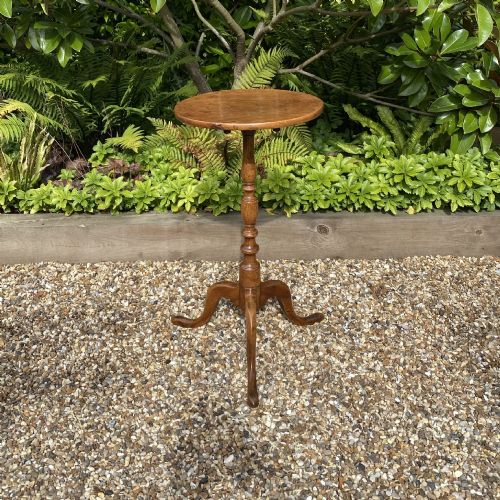
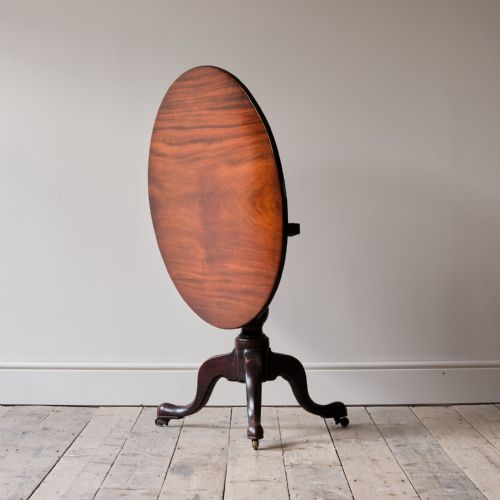
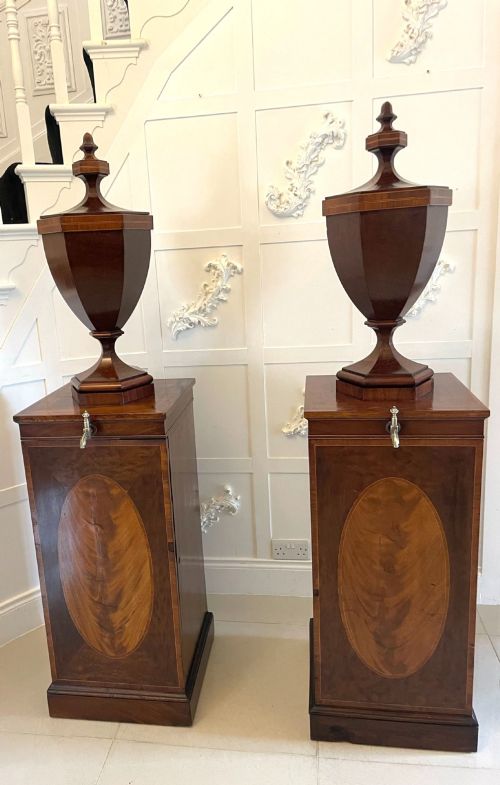
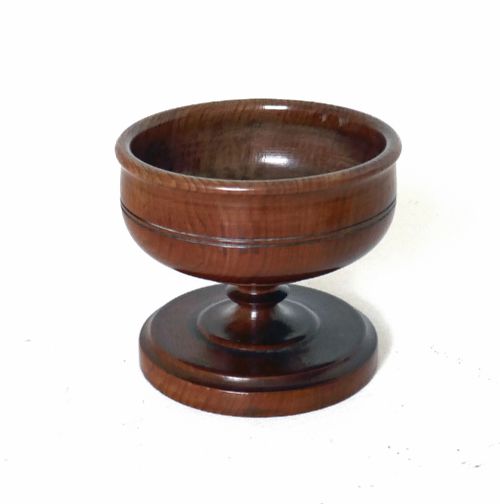
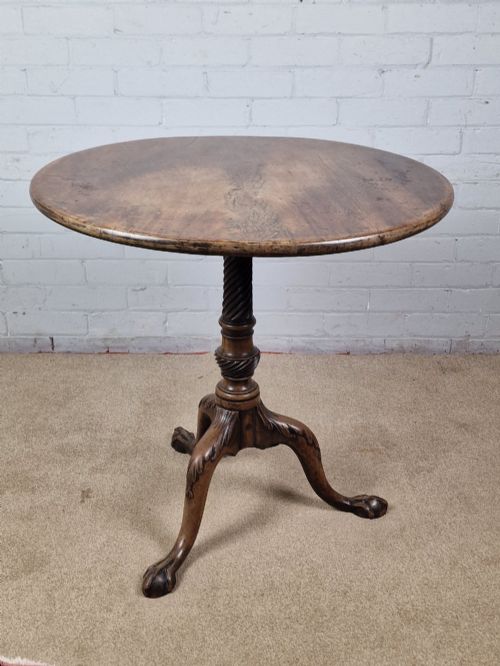
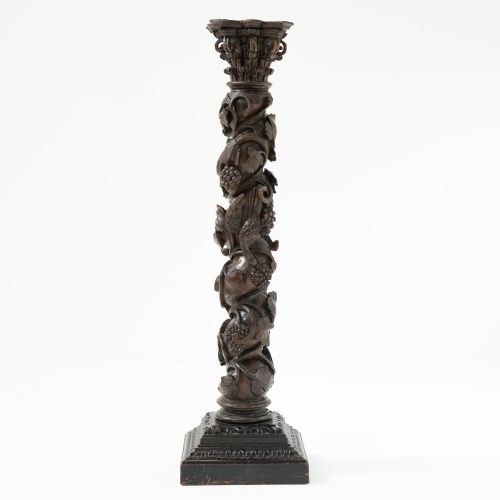
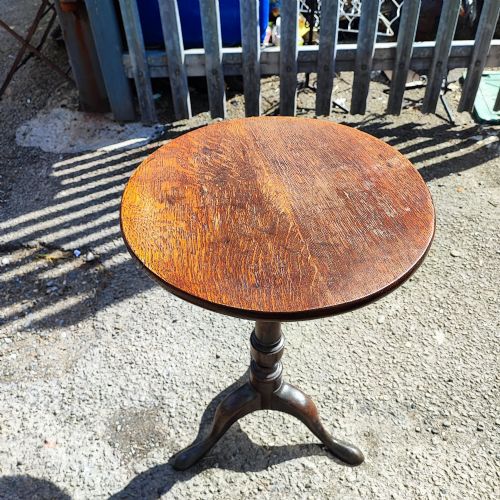
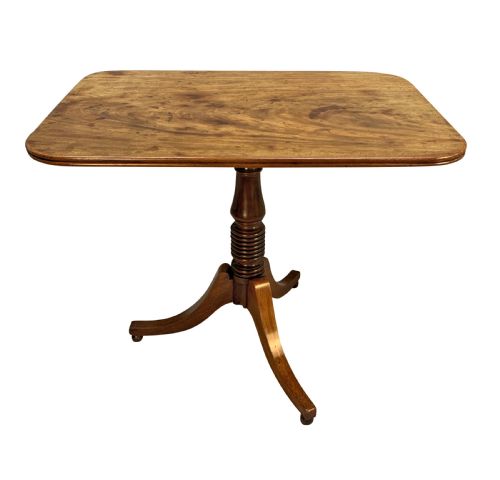
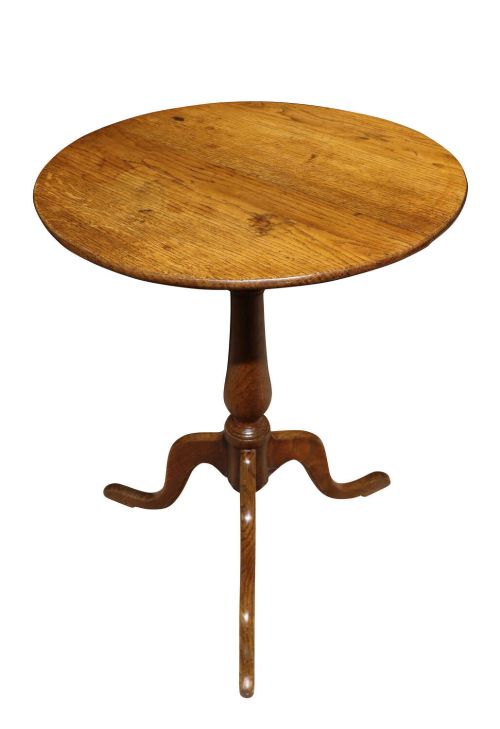
When you search for 18th century pedestals, you encounter architectural columns, urn stands, dining room pedestal cupboards, and tall display supports originating primarily from the Georgian period. The pieces appearing here span tripod wine tables, carved oak solomonic columns, and monumental mahogany dining room pedestals designed to hold urns or serve food. Most examples reflect the shift from heavy Baroque proportions to the refined neoclassical taste of George III cabinetmakers.
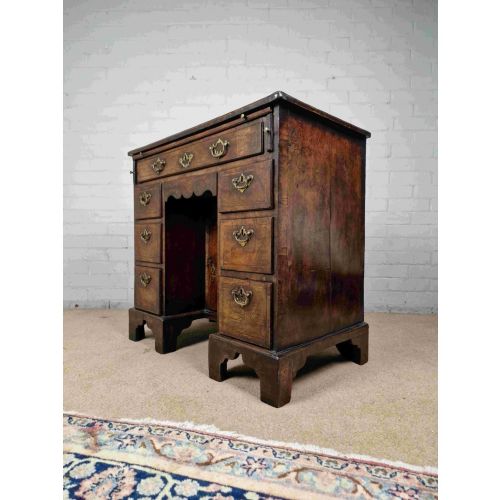
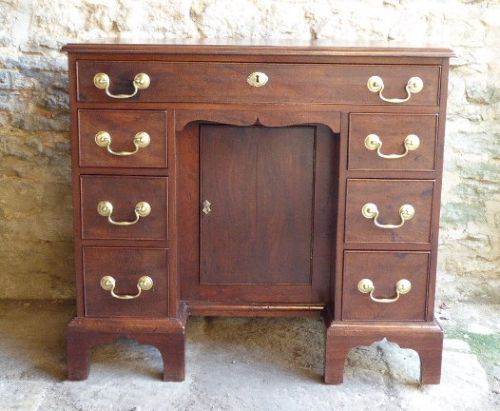
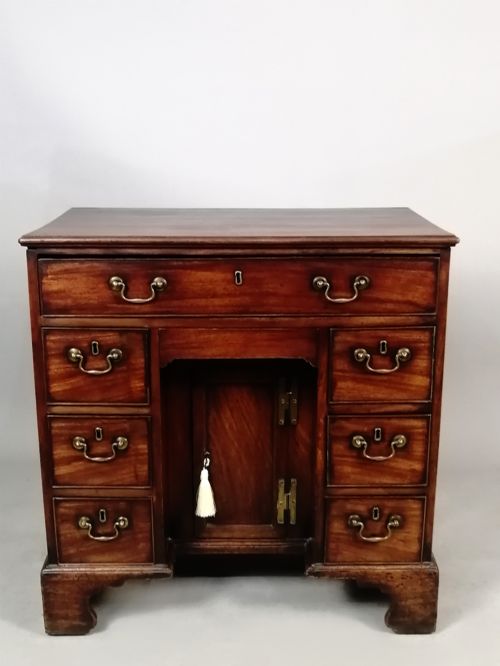
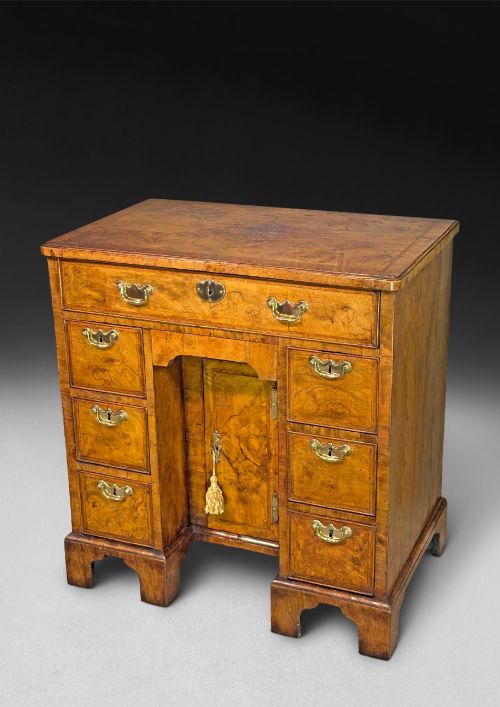
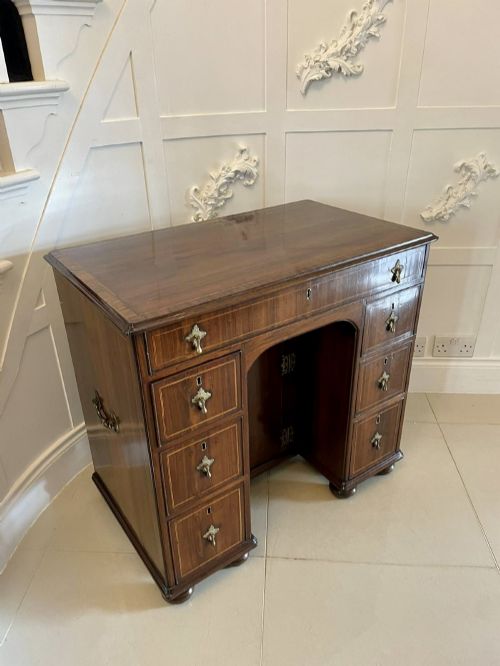
Beyond standalone columns, the category encompasses pedestal desks and kneehole desks featuring banks of drawers flanking a central recess. These functional workspace forms utilise the same architectural vocabulary of fluted pilasters and substantial timber construction as dedicated display pedestals. Walnut, oak, and mahogany predominate, often displaying the figured grains prized by period workshops.
How They Were Made
Cabinetmakers constructed these pieces primarily from solid and veneered timbers including mahogany, walnut, oak, elm, and yew wood, frequently reinforced with boxwood inlay. Turning lathes shaped central shafts for tripod tables and torcheres, while skilled joiners executed mortise and tenon joints for structural stability in desks and cupboard bases. Carved enrichment, such as acanthus leaves or spiral solomonic twisting, relied on hand chisels wielded directly in the dense hardwoods.
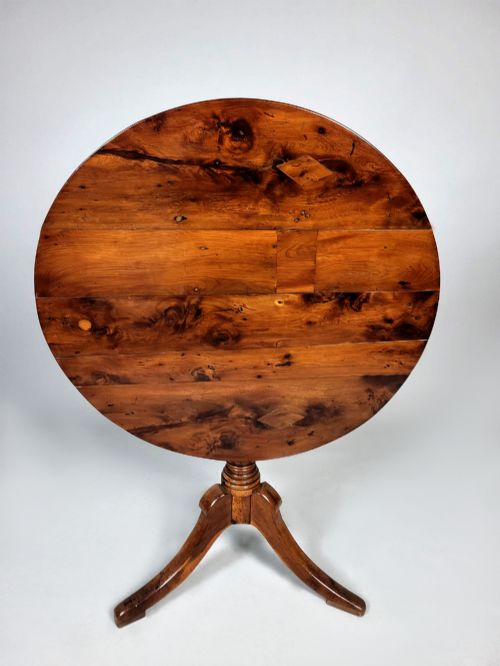
Surfaces received treatments ranging from wax polishes highlighting natural timber figure to painted finishes found on continental examples. Tilt-top mechanisms incorporated brass catches and iron pivot hinges allowing rectangular and circular tabletops to fold flat against the column when not in use.
Venetian carvers populated 17th century torchiere bases with cheerful wooden putti holding up candle platforms.
What Varies in Quality
Quality rests upon the selection of timber figure, the crispness of hand carving, and the structural integrity of joints. Superior examples exhibit dense, highly figured mahogany or burr walnut matched symmetrically across surfaces, whereas lesser pieces rely on plain timber planks with minimal grain movement. The execution of carved details separates standard production from exceptional work, with sharp undercutting on Corinthian capitals or drapery swags indicating superior workshop standards.
Proportion and stability dictate enduring worth, particularly in tall torcheres and tripod tables where slender columns must support weight without wobble. Original brass hardware, intact tilt-top mechanisms, and undisturbed patination preserved beneath generations of wax contribute substantially to the standing of an individual piece.
Gillows
The 18th Century Pedestals Glossary
- Pedestal
- A structural support or column designed to elevate an urn, bust, or lighting device. These architectural elements often incorporate hollow cupboards or decorative carving.
- Tripod
- A three-legged base supporting a central pillar, common in occasional tables and torcheres. This configuration ensures stability on uneven floorboards.
- Solomonic
- A helical or spiral twisted column shape derived from Baroque architecture. Carvers turned or hand-chiselled this dynamic form into solid oak or walnut.
- Torchiere
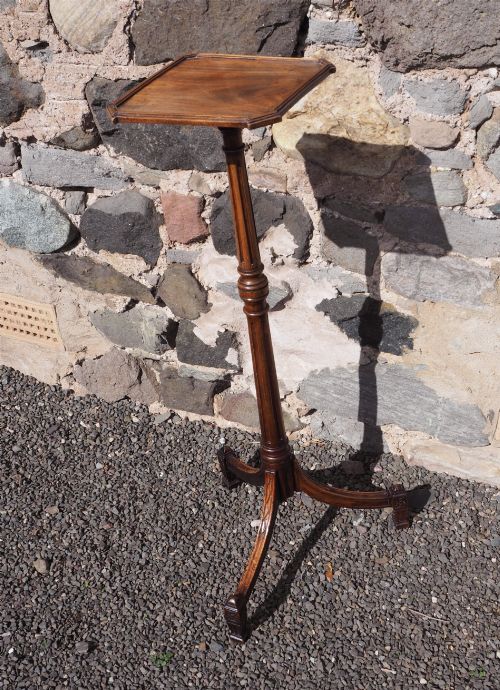
- A tall stand or candlestick holder designed to elevate a light source. Italian and Dutch examples frequently display carved putti and scrolling foliage.
18th Century Pedestals: Frequently Asked Questions
How were 18th century pedestals used?
Dining rooms utilised substantial pedestals to support knife urns or hold warming dishes during formal meals. Lighter tripod stands and torcheres served as movable candle holders or display surfaces for porcelain.
Smaller pedestal tables functioned near seating areas for tea service or reading. Their movable tops allowed servants to clear floor space quickly when entertaining concluded.
How do I spot a George III pedestal?
George III pieces frequently display neoclassical motifs such as fluting, paterae, urns, and boxwood stringing lines. Mahogany supplanted walnut as the dominant timber for high-status British furniture during this reign.
Proportions became lighter and more architectural compared to earlier heavy Baroque designs. Bracket feet and slender tapered columns characterise this refined aesthetic.
How should I care for antique mahogany?
Maintain antique mahogany surfaces by applying traditional beeswax sparingly and buffing with a soft cloth. Avoid placing timber furniture in direct sunlight or near heat sources that cause wood to shrink and split.
Prevent moisture damage by using coasters beneath drinks and lifting objects rather than dragging them across the polish. Gentle dusting preserves the developing patina.