

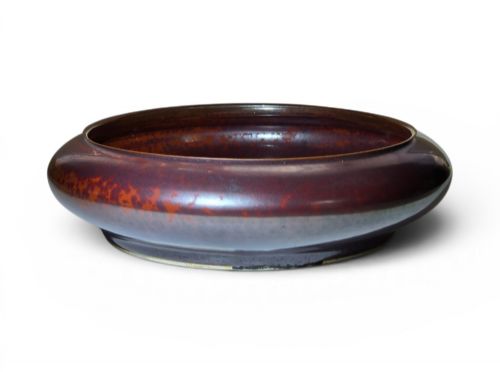


18th Century Ceramic Vessel
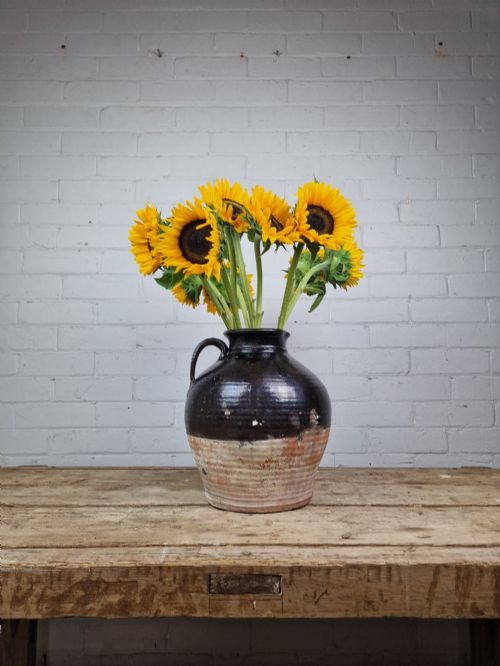
An 18th century ceramic vessel brings centuries of hand-thrown utility and cabinet display into a room.
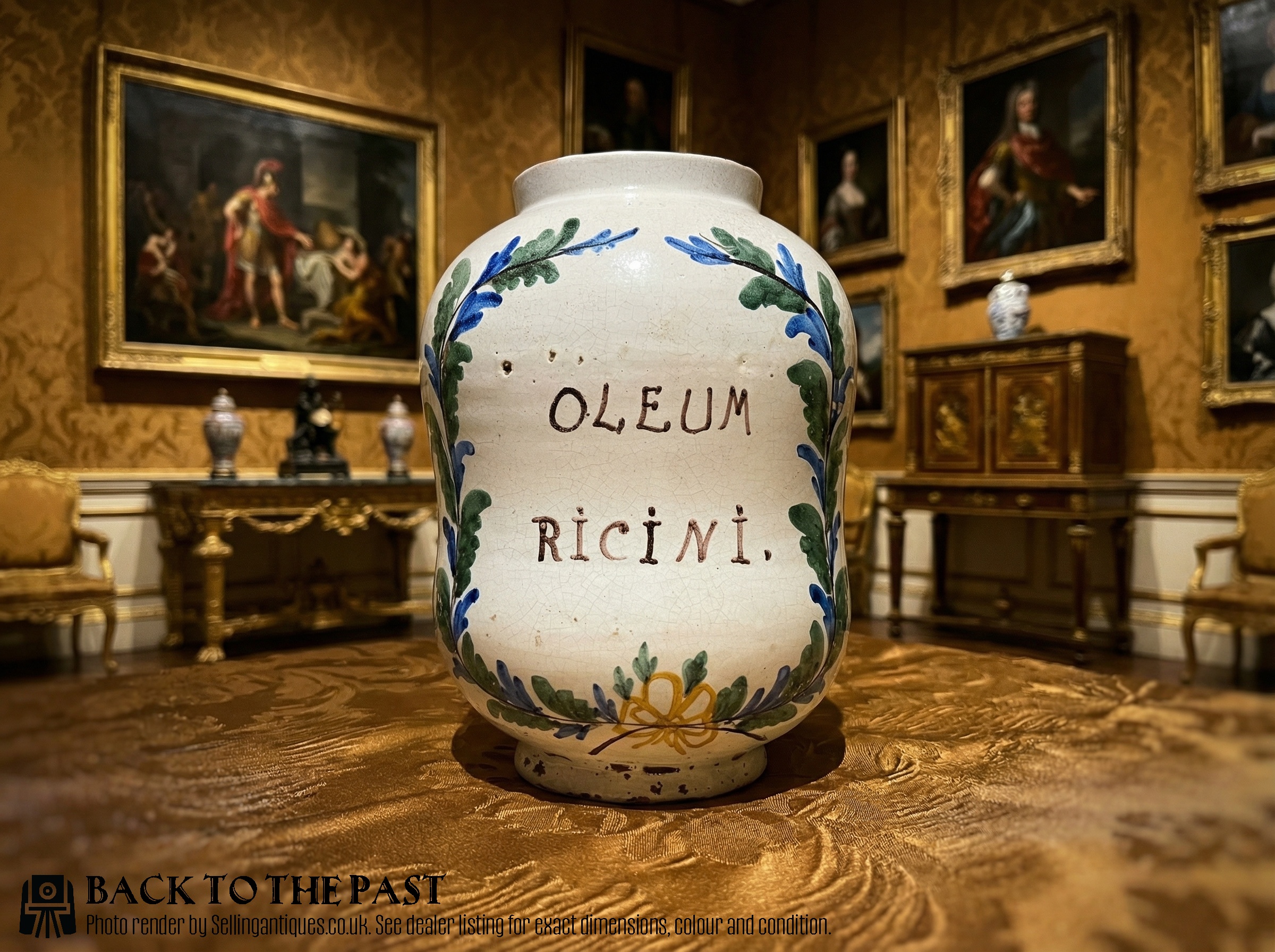
18th Century Ceramic Vessel
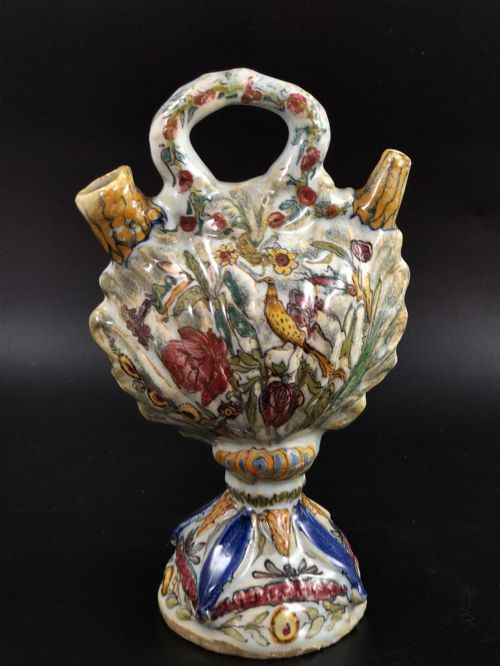
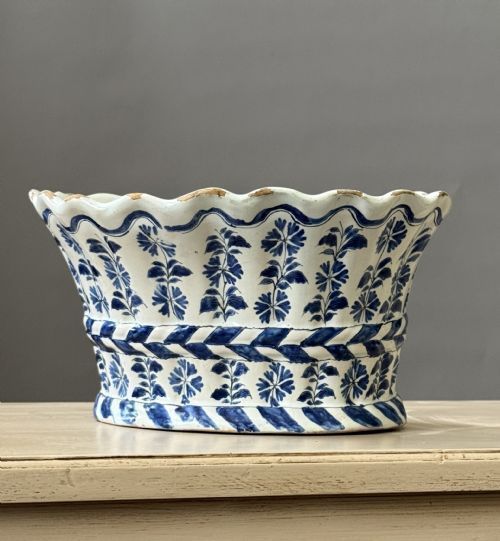
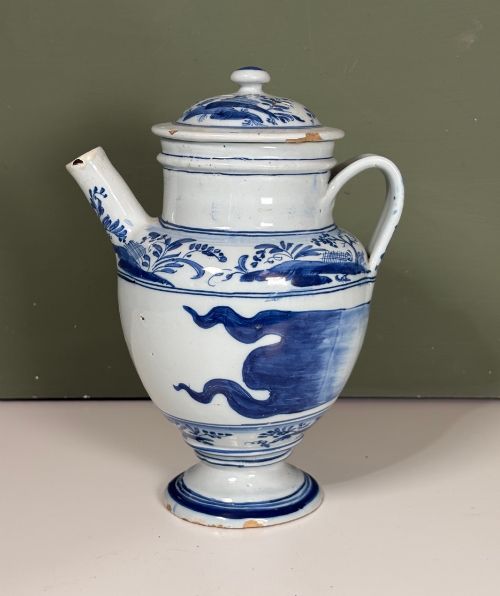
An 18th century ceramic vessel encompasses a broad spectrum of historical utility and decorative forms, ranging from apothecary jars and drug pots to delicate porcelain teapots and robust stoneware jugs. These items reflect the domestic, apothecary, and courtly functions of their respective periods across Europe and Asia.
Buyers will encounter diverse regional traditions on this page, including English and Dutch delftware, Italian majolica, German salt-glazed stoneware, and Qing Dynasty Chinese export porcelain. Forms such as albarelli, bough pots, posset pots, and brush washers dominate the selection.
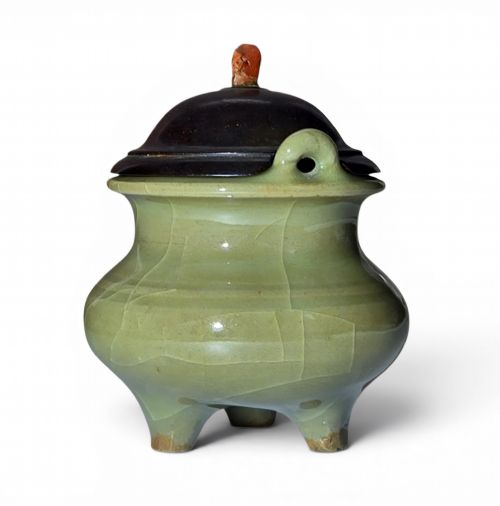
The materials span standard earthenwares with tin-glaze finishes to fine porcelain, iron rust glazes, and celadon. Each piece serves as a physical record of the kiln technology and aesthetic priorities of the seventeen hundreds.
Materials and production methods
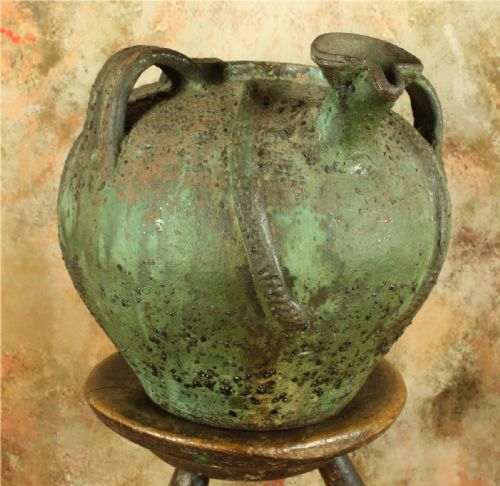
Potters relied on local clays or refined kaolin, shaping bodies on the wheel or pressing them into moulds before drying and firing. Tin-glaze and salt-glaze techniques provided impervious surfaces for liquids and powders, while high-fired porcelain required precise kiln temperature control.
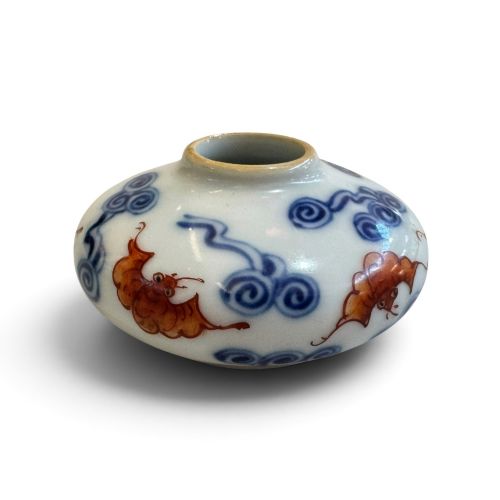
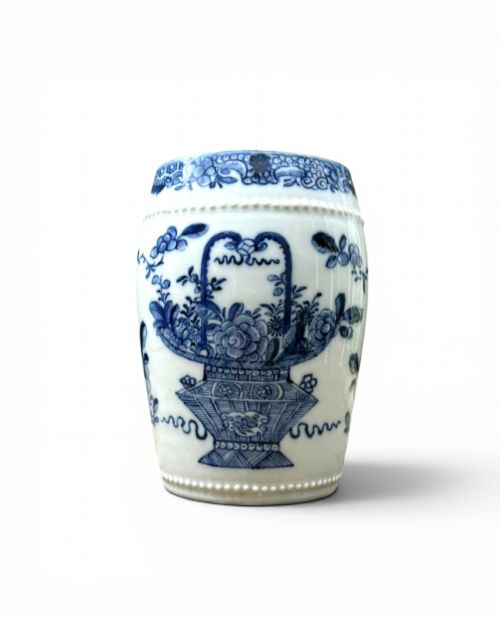
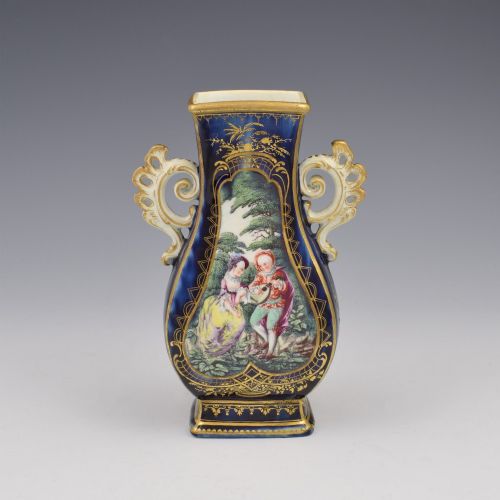
Decoration involved cobalt blue underglazes, polychrome enamel pigments, and occasionally gold leaf applications. Pieces such as Delft drug jars and Italian majolica albarelli received opaque white tin glazes to form a clean ground for painted pharmacy labels and floral motifs.
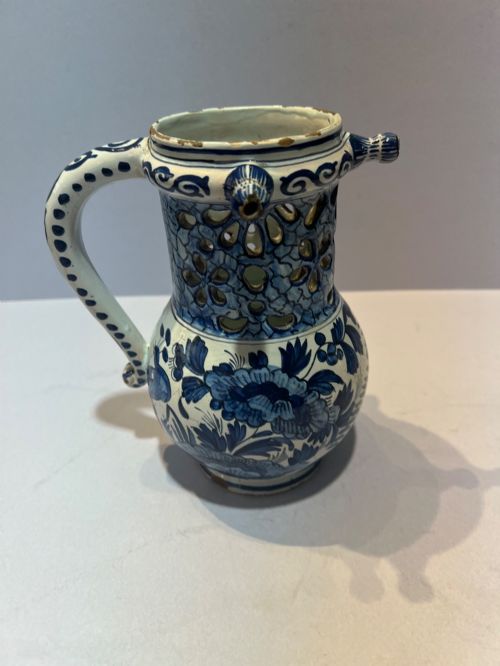
Puzzle jugs were designed to spill their contents down an unwary drinker's sleeve unless they solved the secret of the hidden spouts.
Evaluating standard and execution
Quality rests upon the crispness of the potting, the stability of the glaze during firing, and the control shown in the painted brushwork. Superior items exhibit thin, even walls, well-defined foot rings, and deliberate, confident pigments rather than muddy or pooled colours.
The prestige of the producing kilns, whether an imperial Chinese dynasty workshop or an established English porcelain factory, heavily influences desirability. Condition also plays a role, with intact glazes and original covers commanding greater attention from collectors.
Chelsea Porcelain·Derby Porcelain·Chamberlain Worcester
The 18th Century Ceramic Vessel Glossary
- Albarello
- A cylindrical earthenware jar used in pharmacies to store dry drugs, ointments, or syrups. These vessels typically feature a waisted centre for easy gripping during apothecary work.
- Tin Glaze
- A lead glaze rendered opaque by the addition of tin oxide, providing a white surface for painted decoration. It defines the appearance of majolica, delftware, and faience.
- Salt Glaze
- A glossy, slightly pitted finish created by throwing common salt into the kiln during high-temperature firing. The sodium reacts with the clay body to form a durable vitreous coating.
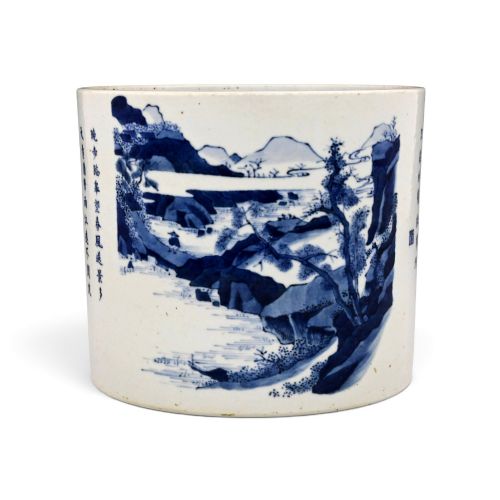
- Bitong
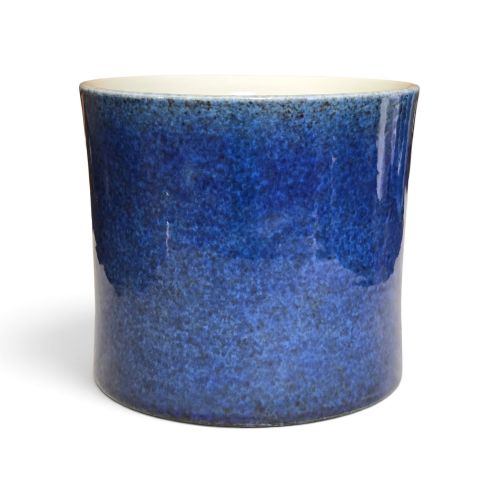
- A cylindrical Chinese brush pot used by scholars to hold writing implements on the desk. They are carved or painted from porcelain, bamboo, or jade.
- Posset Pot
- A multi-handled vessel designed for serving a hot, spiced milk and wine drink during social gatherings. They often feature spouts and tight-fitting lids.
18th Century Ceramic Vessel: Frequently Asked Questions
How were apothecary jars used?
Apothecary jars held dried herbs, medicinal powders, and wet syrups in European pharmacies and dispensaries. Pharmacists lined shelves with these labelled vessels for daily compounding.
Label abbreviations identified specific medical ingredients at a glance. Their tin-glazed surfaces protected contents from moisture and contamination.
What is Chinese export porcelain?
Chinese export porcelain refers to ceramics manufactured in China specifically for overseas European and American markets. Kilns adapted traditional Asian shapes to Western dining and decorative tastes.
Shipments arrived via maritime trade companies during the Qing Dynasty. These wares combined Chinese potting skill with patterns requested by foreign buyers.
How do I care for historic ceramics?
Historic ceramics require gentle dusting with a soft, dry brush to remove particulate matter. Avoid abrasive cleaners, harsh chemicals, and submersion in water.
Display vessels away from direct sunlight and sudden temperature shifts. Ensure heavy pieces sit on stable, level surfaces to prevent accidental tipping.
What distinguishes delftware from majolica?
Delftware is tin-glazed earthenware produced primarily in the Netherlands and England, featuring blue and white designs inspired by imported Chinese porcelain. Majolica represents the earlier Italian tradition of tin-glazed pottery.
Italian majolica often utilises rich polychrome palettes and baroque motifs. Both share a tin-oxide opaque glaze over an absorbent clay body.