


Antique Tin Glaze Jar
These antique tin glaze jar pieces bring centuries of ceramic artistry into your home with their distinctive painted surfaces and historic forms.
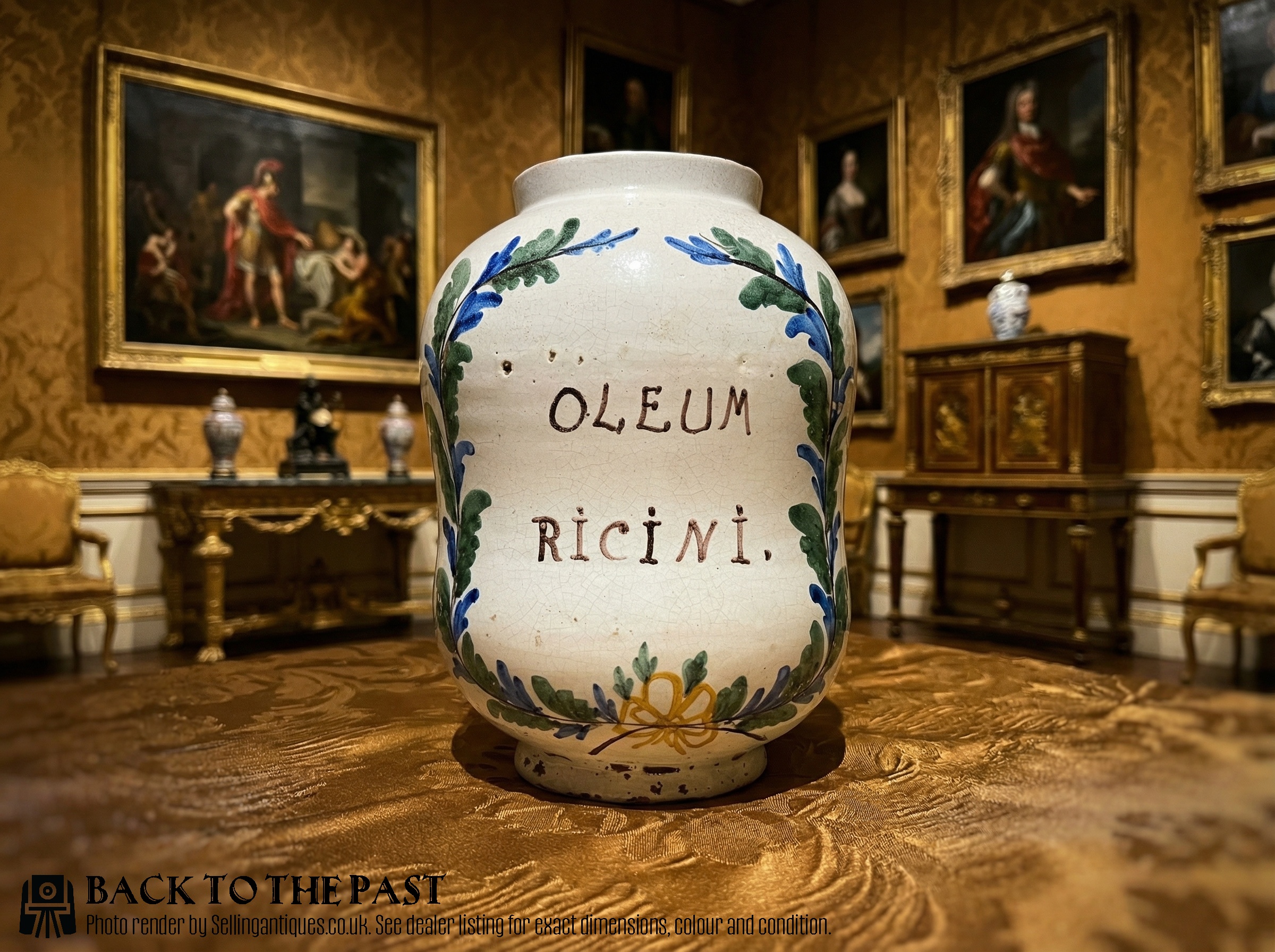
Antique Tin Glaze Jar
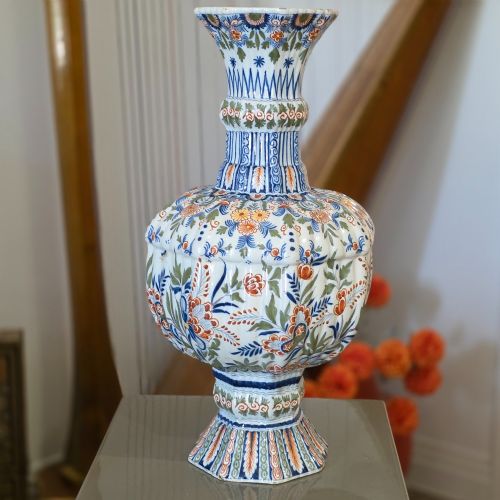
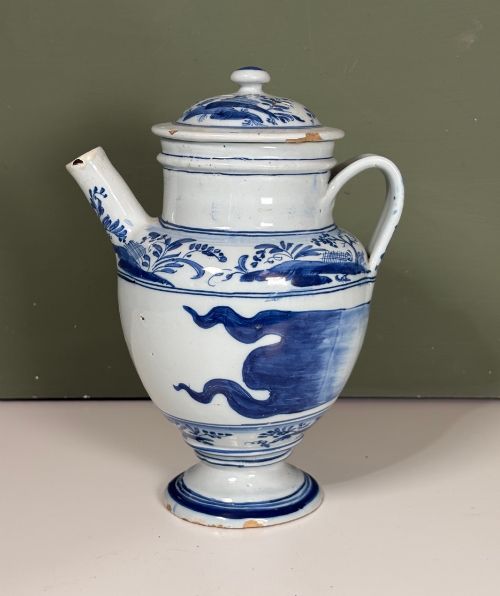
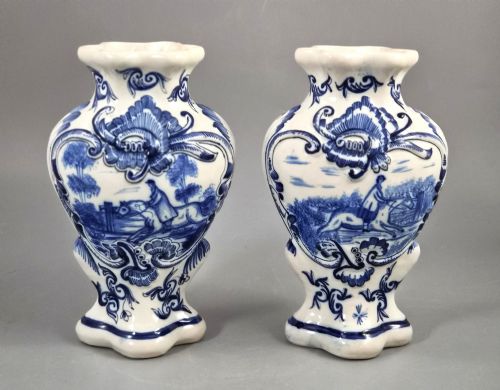
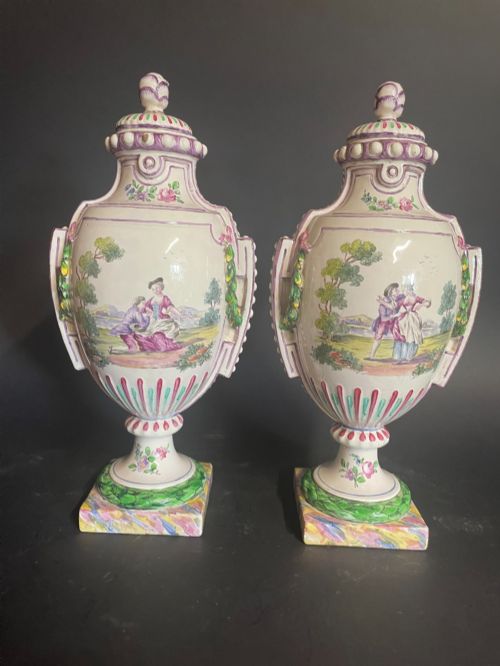
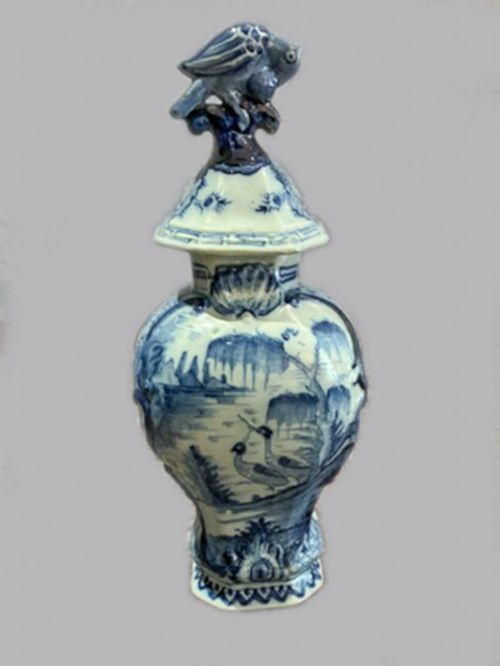
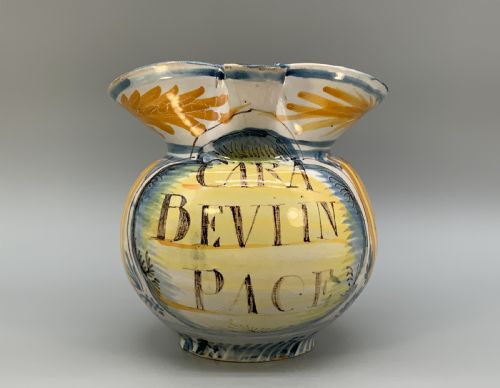
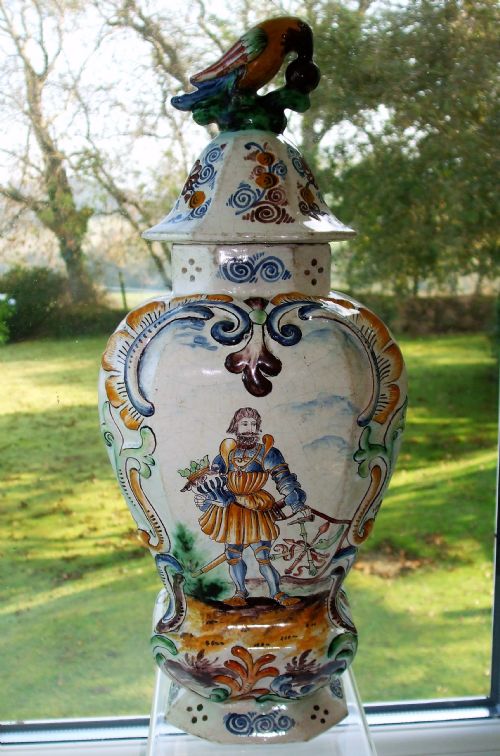
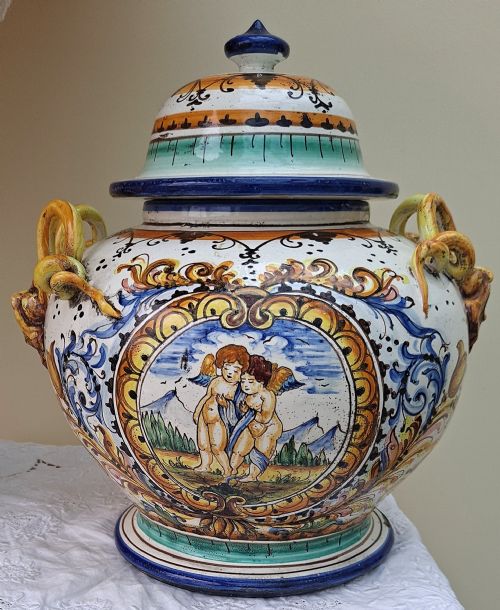
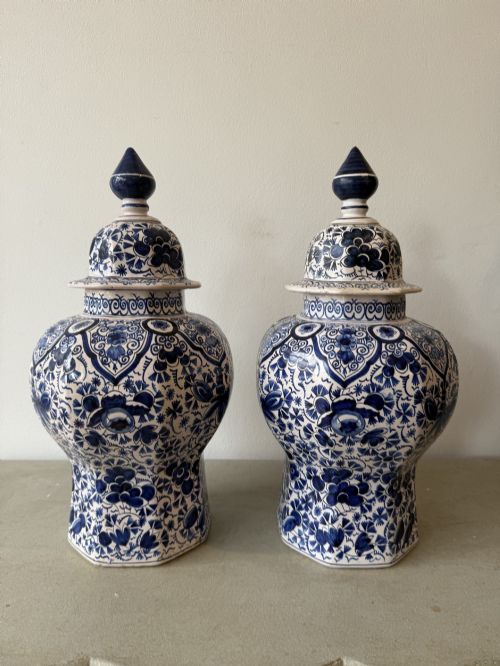
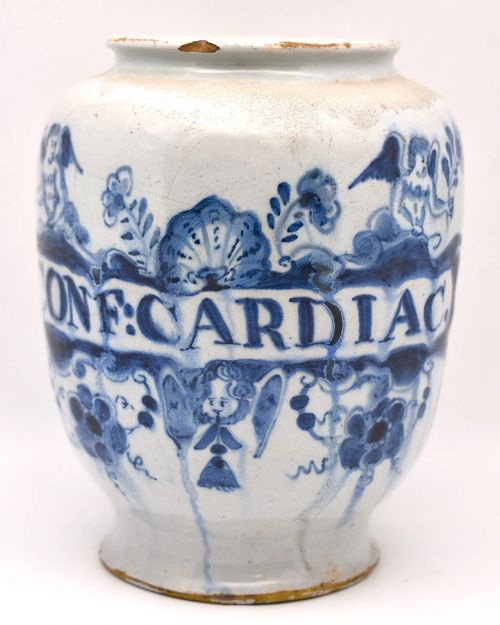
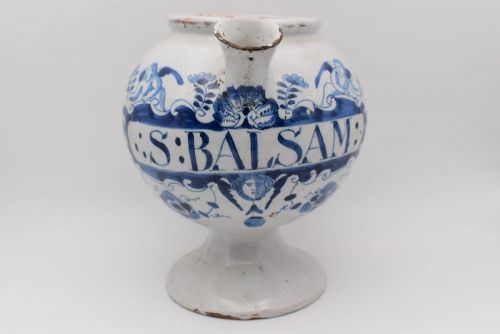
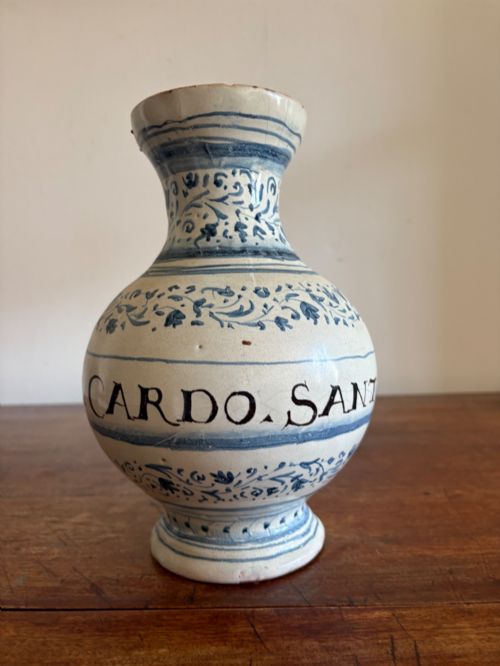
When you search for an antique tin glaze jar, you encounter vessels created for pharmacies, domestic displays, and apothecary storage across European centres. These containers range from tall drug jars and wet drug jugs to lidded vases and handled urns originating from English, Dutch, French, and Italian kilns. The pieces on this page mostly date from the seventeenth, eighteenth, and nineteenth centuries, reflecting the evolving styles of Delftware, Majolica, and Faience production.
Apothecary jars and albarellos form a substantial portion of these listings, often bearing painted Latin inscriptions or pharmacy abbreviations to denote their original contents. Alongside them sit decorative vases and lidded vessels decorated in cobalt blue or broader polychrome palettes. Buyers frequently find these items offered as matched pairs or individual display pieces suited for surface placement.
How They Were Made
Potters shaped these vessels from earthenware clay before applying an opaque tin-opacified glaze that provided a smooth white ground for painting. Cobalt pigment and other metal oxides were brushed directly onto the raw, absorbent glaze surface before firing in a kiln, fusing the colours into the glossy coating. Brass fittings or lids occasionally accompanied these ceramic bodies, particularly on lidded vases and pharmacy jugs.
Techniques varied from the fine blue and white Chinoiserie painting of Dutch workshops to the rich polychrome ornamentation of Italian majolica and French faience. The interaction between the porous earthenware body and the tin glaze often produced characteristic surface nuances during the high-temperature firing process.
Listings feature earthenware materials alongside cobalt pigment and brass elements across eighteenth and nineteenth-century forms.
What Varies in Quality
Quality rests in the crispness of the painted decoration, the balance of the vessel form, and the preservation of the tin glaze surface. Pieces displaying finely detailed brushwork, such as intricate floral motifs or legible pharmacy lettering, demonstrate superior artisan skill compared to simpler, repetitive applications. The survival of matching original lids and the stability of the earthenware body also influence the standing of an individual piece.
The clarity of the white glaze ground and the depth of the cobalt or polychrome pigments distinguish finer examples from standard production ware. Age-related wear remains expected on these fragile ceramics, yet vessels retaining their structural integrity and vibrant painted surfaces command greater attention from collectors.
Fourmaintraux-Courquin
The Antique Tin Glaze Jar Glossary
- Albarello
- A cylindrical earthenware jar used by apothecaries to store ointments and dry drugs. This distinct hourglass or straight-sided form originated in the Near East before becoming popular in Italian and European kilns.
- Tin-Glazed Earthenware
- Pottery covered with a lead glaze made opaque by the addition of tin oxide. This technique provides a white background suitable for painted decoration.
- Faience
- European tin-glazed earthenware, particularly associated with French and Italian production centres. The term describes ceramics decorated with coloured pigments over a white tin glaze.
- Majolica
- Tin-glazed Italian ceramics noted for their bright polychrome painting and historical association with Renaissance and later pharmacy wares. Potters used metallic oxides to achieve vibrant yellows, greens, and blues.
- Delftware
- Tin-glazed earthenware made in the Netherlands and England, famously characterised by blue and white designs influenced by imported Chinese porcelain. Production flourished during the seventeenth and eighteenth centuries.
Antique Tin Glaze Jar: Frequently Asked Questions
What were antique tin glaze jars used for?
These vessels served primarily as storage containers in historic apothecaries and dispensaries for herbs, syrups, and medical ointments. Pharmacies relied on them to keep dry drugs and wet preparations sealed and identifiable through painted labels.
Over time, many of these containers transitioned into decorative objects used on sideboards and display shelves within domestic interiors. Their distinct painted surfaces made them popular ornamental items long after their pharmaceutical use ended.
What is an albarello?
An albarello is a specific type of apothecary jar featuring a waisted, cylindrical body designed to allow pharmacists to stack and grip containers easily. This distinctive shape evolved to hold dry medicines and plant extracts on pharmacy shelves.
Originating in the Islamic world, the form spread to Italy and across Europe where tin-glazed earthenware makers adopted it. Their surfaces frequently display painted panels or Latin drug inscriptions down the front.
How should I care for antique ceramics?
Display these fragile earthenware pieces away from direct sunlight and areas subject to sudden temperature fluctuations to protect the glaze and body. Dust them gently with a dry, soft cloth rather than using liquid cleaners or abrasive materials.
Avoid placing them near moisture or in damp environments where soluble salts within the porous ceramic body could react. Handling them with supported bases ensures the structural integrity of handles and rims remains preserved.