


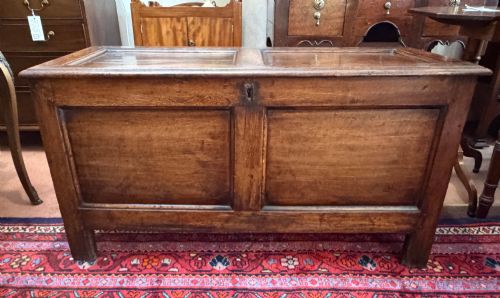
18th Century Box
When seeking an 18th century box, you encounter practical oak deed chests, delicate tea caddies, and pocket-sized enamel snuff boxes shaped by Georgian hands.
18th Century Box
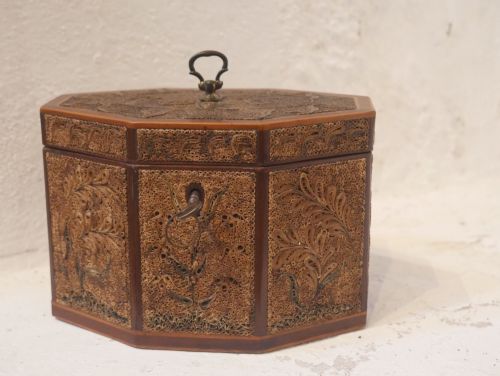
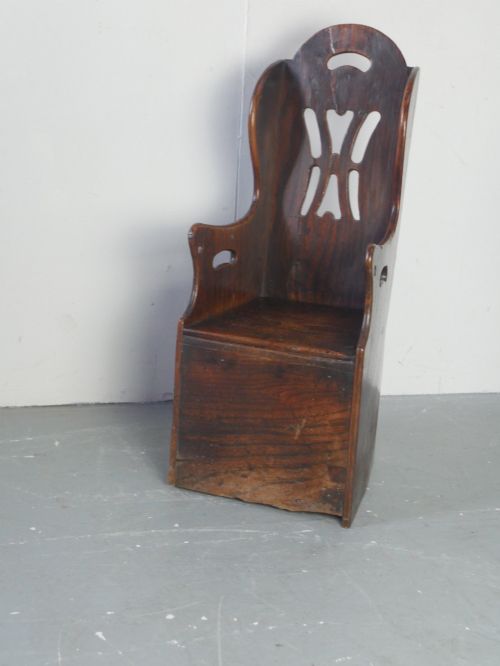
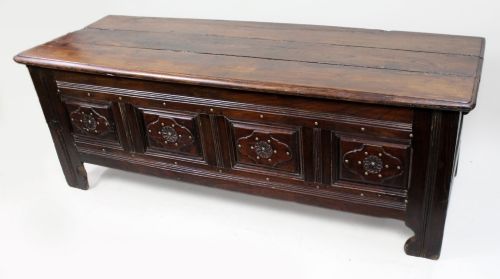
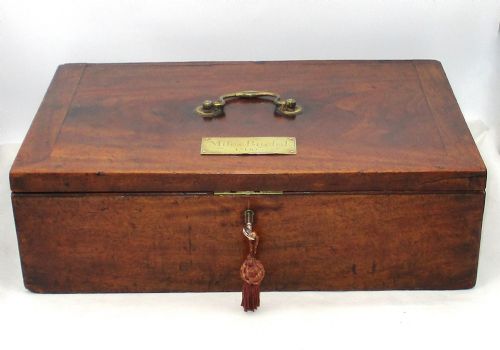
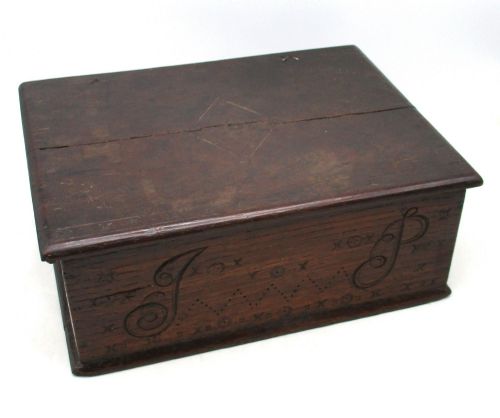
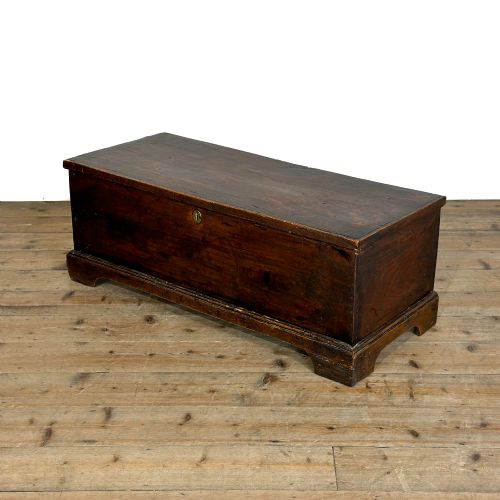
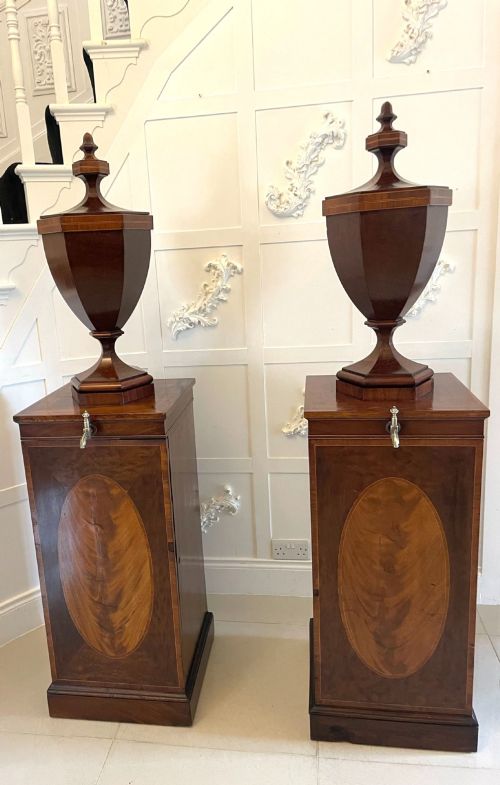
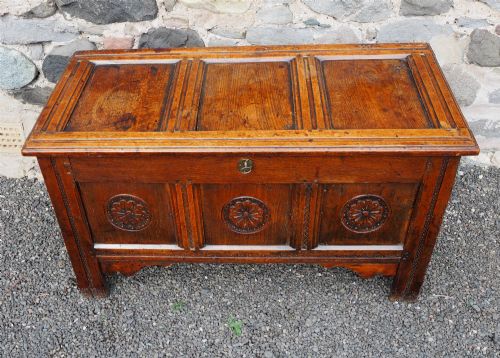
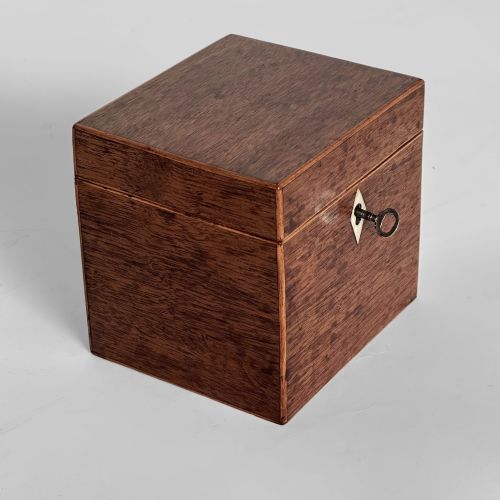
An 18th century box encompasses a broad range of utilitarian and decorative receptacles, from sturdy oak bible boxes and document chests to refined mahogany tea caddies and small silver snuff boxes. Buyers most frequently meet vernacular oak coffers and country house blanket chests alongside polished Georgian mahogany document containers.
Geographic origins span English country workshops, French provincial centres, and Scandinavian rural communities, reflecting both domestic storage needs and international trade in materials like padouk and ebony.
Evaluating Quality
Quality in these items depends upon the integrity of the original construction, the thickness and grain of the selected timber, and the precision of any inlay or carved decoration.
Pieces retaining their original hinges, locks, and patinated surface finish command greater appreciation than those altered by later restorations or replaced hardware.
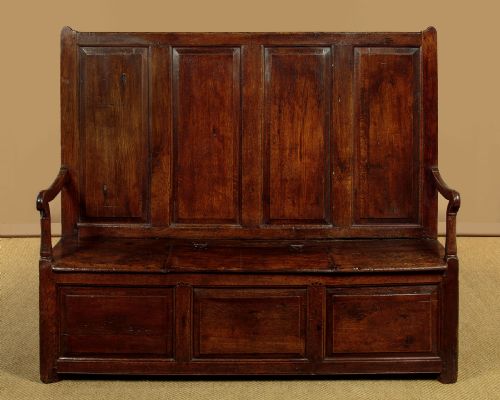
The archive and active inventory record small Bilston enamel patch boxes alongside large Welsh oak box settles.
Thomas Willmore·Phipps and Robinson·Robert Hennell·Ambrose Boxwell
The 18th Century Box Glossary
- Coffer
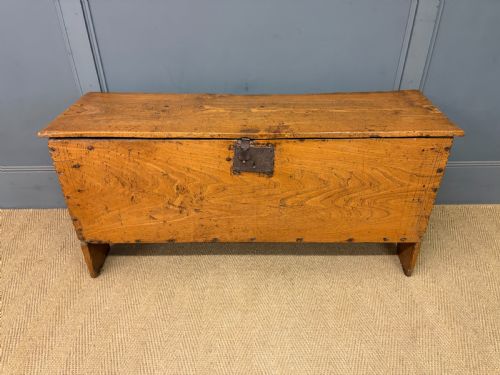
- A large wooden chest, typically constructed from oak and hinged at the top, used historically for storing valuables or household textiles. These often form the anchor of early vernacular furniture collections.
- Tea Caddy
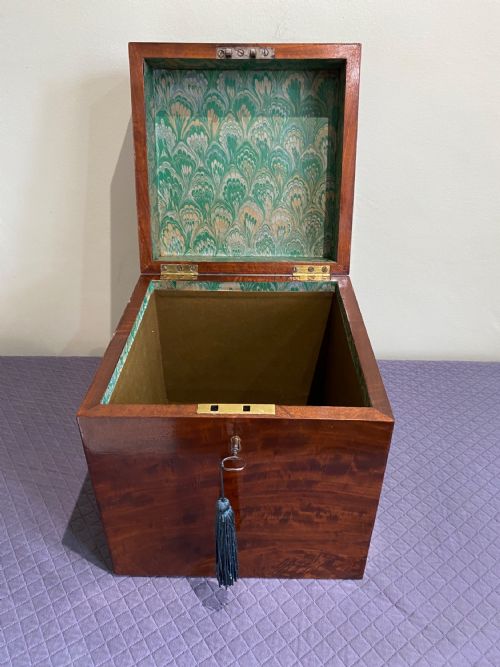
- A lidded container designed specifically to store loose tea leaves securely under lock and key when tea was an expensive commodity. They frequently feature internal compartments and fine wood veneers.
- Bible Box
- A small tabletop desk with a sloping lid, originally made to hold family scriptures and writing implements. They represent some of the most compact and desirable forms of early vernacular joinery.
- Mule Chest
- A domestic storage chest featuring one or two drawers beneath the main compartment. This form bridges the gap between the traditional coffer and the modern chest of drawers.
- Stringing
- A thin inlay of contrasting wood used to outline geometric panels on cabinet furniture. It provides a linear decorative border popular on late Georgian pieces.
18th Century Box: Frequently Asked Questions
What were tea caddies used for?
Tea caddies held precious tea leaves safely locked away from household servants and visitors during the Georgian era. Tea was heavily taxed and treated as a luxury asset requiring physical security.
Most examples contained fitted interior canisters or mixing bowls made from glass. The key remained with the mistress of the house.
How do I date an oak coffer?
Oak coffers are dated by observing their construction methods, such as hand-cut dovetails, peg joinery, and the style of carved panels. Early examples from the seventeen hundreds often display simple geometric carving or chip-carved motifs.
Later chests tend to show machine-sawn timber or simpler plain panels without relief carving. Iron butterfly hinges also help indicate an earlier baseline of manufacture.
Where should I place a document box?
Document boxes sit well upon sturdy sideboards, writing desks, or low tables where their top surfaces remain visible. Their hinged lids allow them to continue functioning as practical storage for modern letters and stationery.
Direct sunlight should be avoided to prevent timber shrinkage and the fading of delicate mahogany or satinwood veneers. Ambient indoor humidity helps keep the old wood stable.