



Domed Top Wooden Box
A domed top wooden box offers generous storage and curved lines, ranging from small tea caddies to large painted pine marriage chests.
Domed Top Wooden Box
When you search for a domed top wooden box, you encounter objects designed to safeguard valuables, tea, or personal possessions across several centuries. The selection spans compact tabletop caddies alongside large trunks intended for travel or domestic storage.
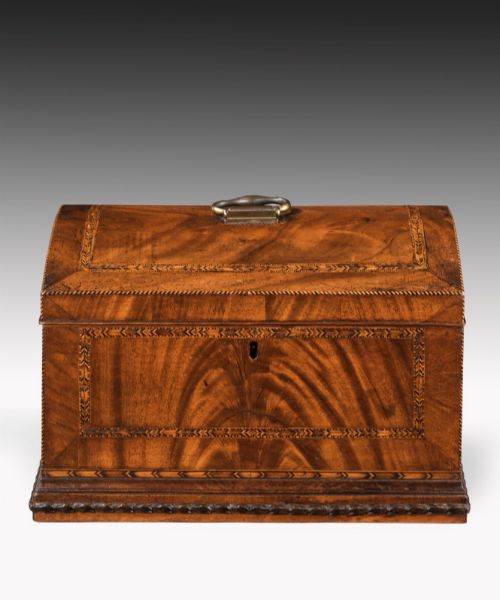
The material palette is anchored by pine and oak, often elevated with decorative veneers like burr walnut, coromandel, and mahogany. Scandinavian and continental pieces frequently feature hand-painted surfaces, while British examples lean towards brass mounts and rich wood grains.
How they were made
Cabinetmakers constructed these vessels using solid native timbers or applied choice burl veneers over stable secondary woods. The curved lids required steaming or specialised joinery to shape the timber smoothly over internal frames.
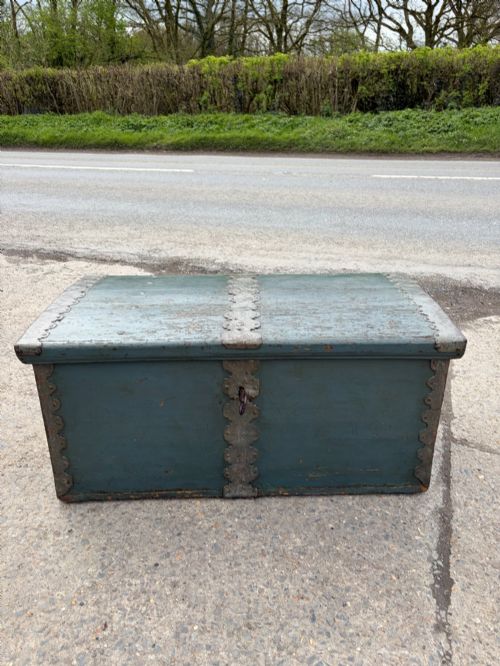
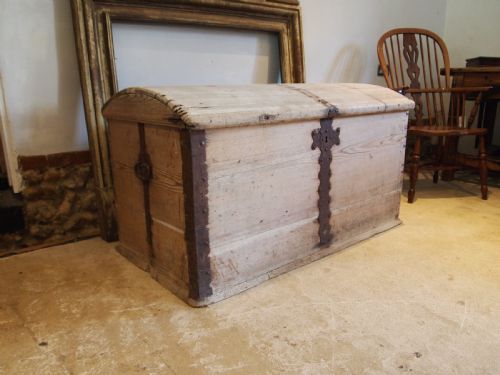
Hardware played both a structural and decorative role, with heavy iron handles on trunks and precise brass banding, escutcheons, or lock plates fitted to finer caddies and stationery boxes.
Listings feature pieces spanning from the eighteenth century through the Victorian era, utilising pine, oak, burr walnut, and wrought iron.
What varies in quality
Quality rests in the selection of timber figures, such as highly figured burr walnut or satinwood, and the crispness of any inlaid banding. The integration of original working locks and matching keys elevates an example.
Construction methods also distinguish the tier of a piece, from simple nailed pine rustic chests to dovetailed hardwood caddies with fitted internal compartments and intact linings.
Trussell Brighton
The Domed Top Wooden Box Glossary
- Tea caddy
- A small box specifically designed to store loose tea leaves, often featuring internal lidded compartments. These containers frequently utilised secure locks to protect expensive imported tea.
- Coffer
- A sturdy wooden chest with a lid, traditionally used for storing valuables or documents. Many surviving examples date from the eighteenth and nineteenth centuries.
- Cellarette
- A lockable container used for storing bottles of wine or spirits. They often sit low to the ground or feature fitted internal divisions.
- Burr walnut
- A prized wood veneer harvested from the abnormal growth of a walnut tree, yielding a swirling, highly decorative grain pattern. Cabinetmakers utilised it on statement pieces.
- Escutcheon
- A flat plate of brass or iron surrounding a keyhole. It protects the surrounding wood from wear and enhances the decorative scheme.
Domed Top Wooden Box: Frequently Asked Questions
What were domed top wooden boxes used for?
These containers served varied domestic purposes, holding dry goods like tea, personal correspondence, jewellery, or household linens. Larger versions functioned as trunks for travel or dowry chests for marriage.
The curved lid design was practical as well as decorative, allowing rainwater to run off travel trunks and providing extra vertical clearance inside smaller caddies and strong boxes.
How can I tell a Georgian box from a Victorian one?
Georgian boxes, dating roughly from the eighteenth to early nineteenth century, typically showcase simpler, balanced proportions in mahogany, oak, or satinwood. Their construction relies on hand-cut dovetails and restrained brass work.
Victorian examples from the mid to late nineteenth century often display more exuberant decoration, including elaborate brass banding, coromandel or burr walnut veneers, and Gothic revival influences.
Are painted pine chests Scandinavian?
Many painted pine chests and coffers originate from Sweden and Denmark, often created as marriage chests or festive gifts. They frequently feature folk art motifs and original polychrome paint.
British country pieces also utilised pine and paint, but Scandinavian examples possess distinct colour palettes and floral or geometric brushwork unique to rural northern European traditions.
How do I care for a vintage wooden box?
Keep wooden boxes away from direct sunlight and dramatic temperature swings to prevent the wood or delicate veneers from splitting. Maintaining a stable indoor climate protects both the timber and historical finishes.
Apply a microcrystalline wax occasionally to feed unpolished surfaces and clean dust gently with a dry, soft cloth. Avoid modern liquid polishes that can degrade old wax or varnish.