


Victorian Writing Desk Box
A victorian writing desk box brings solid nineteenth-century construction and clever internal fittings to any room.
Victorian Writing Desk Box
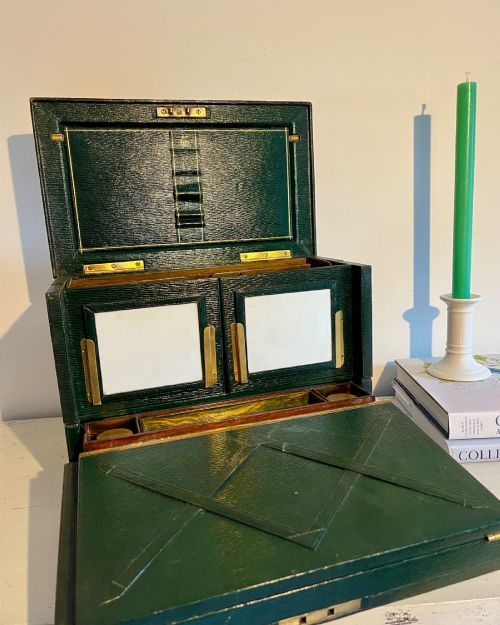
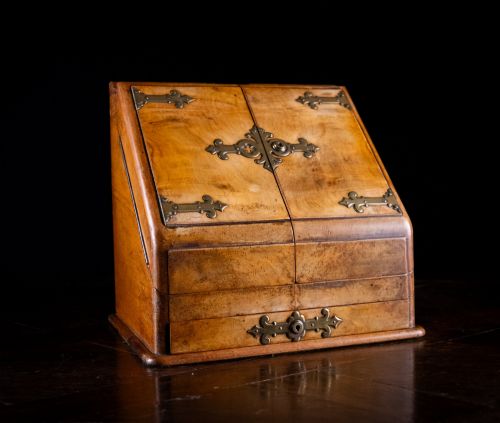
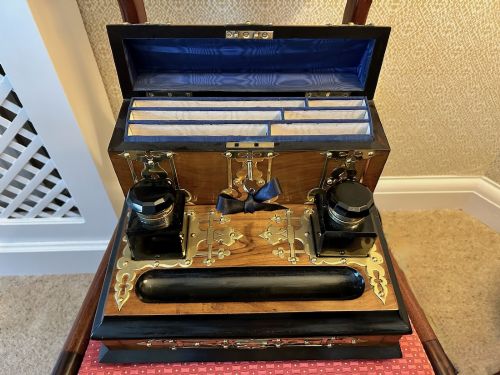
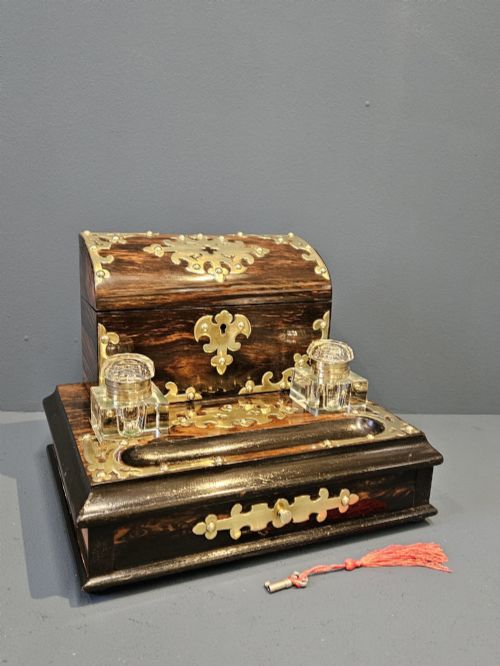
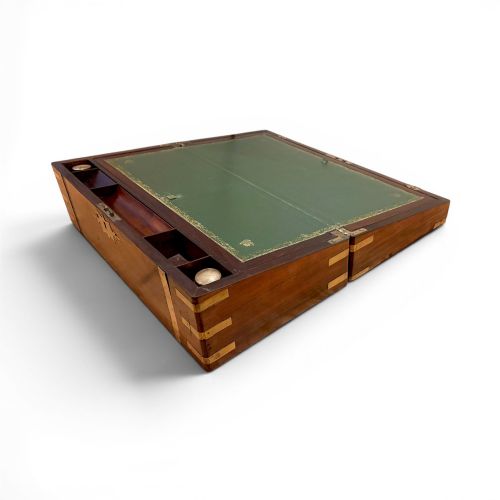
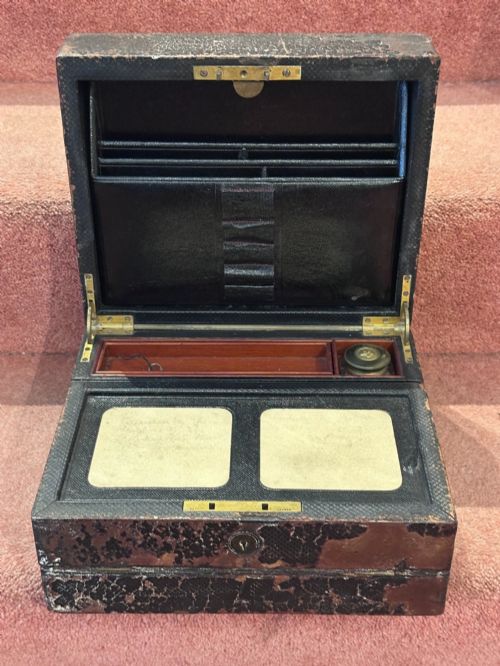
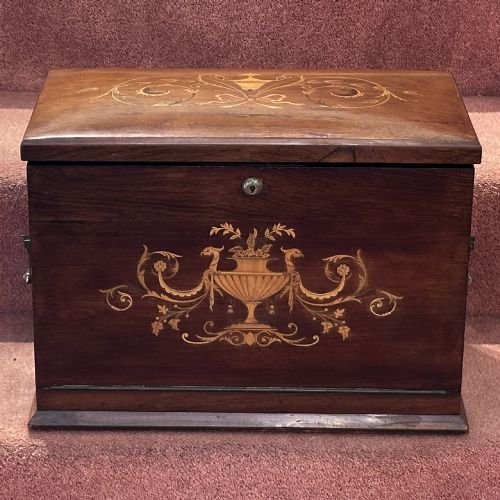
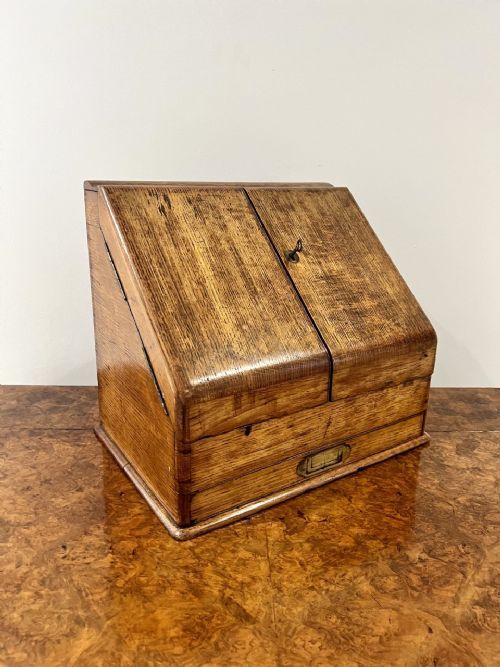
When you search for a victorian writing desk box, you encounter portable writing slopes, stationery cabinets, and correspondence boxes made to organise correspondence during the nineteenth century. These pieces range from folding lap desks lined with leather to upright stationery cabinets with compartments for envelopes and inkwells.
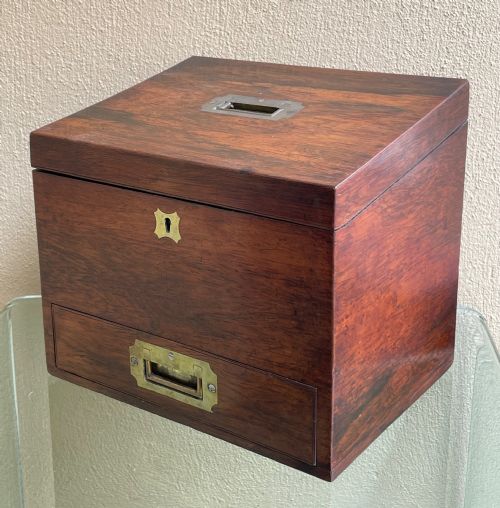
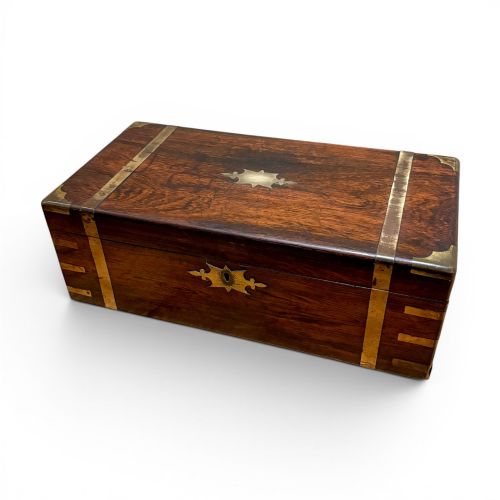
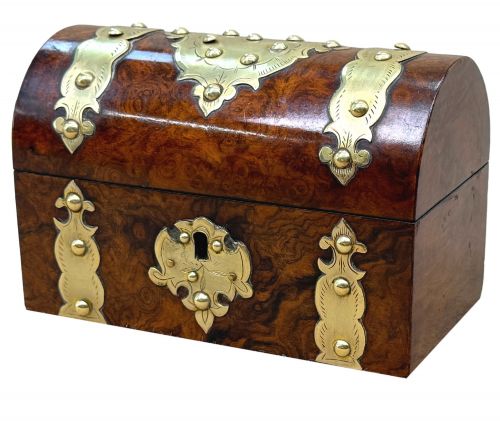
The version you are most likely to meet on this page is a mahogany or walnut box strengthened with brass corners and straps. Many include fitted interiors with secret drawers, pen trays, and glass inkstands designed for travel or desktop use.
How they were made
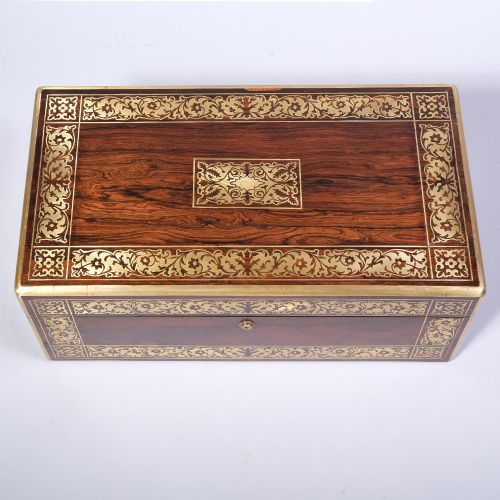
Cabinet makers built these boxes using dense timbers like mahogany, walnut, burr walnut, and rosewood, frequently applying brass banding and inlay to reinforce the corners and edges. Surfaces often featured French polish to highlight the natural grain of the wood.
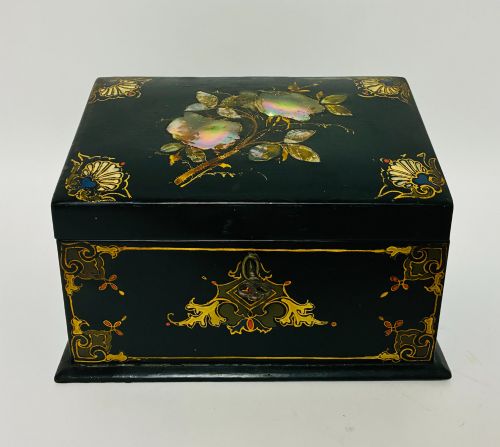
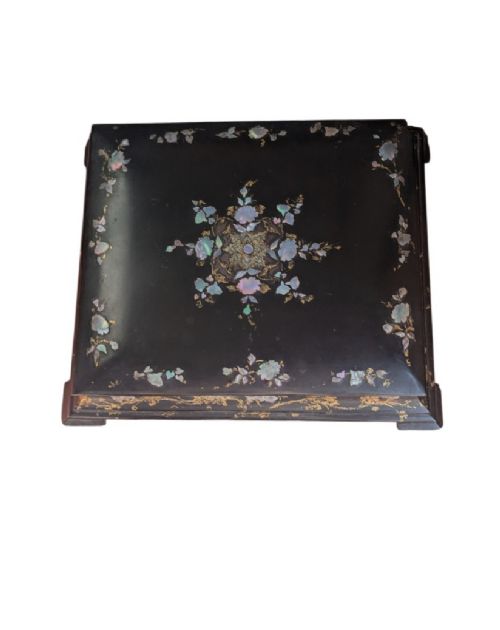
Interiors combined secondary woods with leather writing surfaces, velvet linings, and bone or satinwood stringing. Specialised items utilised papier-mâché, tortoiseshell, camphor wood, or Tunbridge ware mosaic detailing for decorative effect.
A few boxes include secret drawers that require pressing hidden springs behind the pen tray to release them.
What varies in quality
The distinction between standard examples and superior pieces lies in the selection of timbers and the precision of the internal fittings. Highly figured burr walnut, intricate brass inlay, and comprehensive fitted interiors with working locks and secret drawers indicate better workshop production.
Construction methods also separate ordinary items from finer work, visible in the tight mitre joints of the exterior box and the clean integration of stationery partitions. Elaborate surface decoration such as Tunbridge ware mosaics or lacquer work elevates the status of the piece.
Edmund Nye
The Victorian Writing Desk Box Glossary
- Writing slope
- A portable box with a hinged sloping lid that opens to reveal a flat or angled writing surface lined with leather. It usually includes compartments for paper, pens, and ink.
- Campaign style
- Furniture constructed for military use outdoors, characterised by brass corners, flush carrying handles, and sturdy timbers intended to withstand travel. These pieces dismantle or fold for ease of transport.
- Stationery box
- An upright desktop cabinet with tiered compartments designed to hold envelopes, writing paper, and correspondence. Doors or lids often open to display fitted letter slots.
- Tunbridge ware
- Small wooden decorative items adorned with mosaic patterns formed from thousands of tiny coloured wood blocks arranged to create pictorial or geometric designs. It originated in Kent during the nineteenth century.
- Lap desk
- A compact portable writing box placed across the knees or a table for writing letters away from a full-sized desk. Many versions incorporate storage space beneath the folding writing plane.
Victorian Writing Desk Box: Frequently Asked Questions
How were these boxes used?
These boxes provided a portable workspace for writing letters, storing stationery, and keeping personal documents secure before the widespread use of fitted household desks. Travellers and home writers used the sloped lids and internal compartments to organise paper, nibs, and inkwells.
Many examples remained on stationary library tables, while campaign versions travelled with officers and officials across the empire. The lockable compartments ensured privacy for correspondence and valuables.
What is a campaign writing slope?
A campaign writing slope is a robust box built with brass banding and flush carrying handles to withstand frequent travel and military campaigns. The sturdy construction protected the contents during transit.
These pieces often feature split carcasses or reinforced corners typical of campaign furniture made for active service.
How do I date a box?
Dating relies on timber choices, brass hardware styles, and construction methods characteristic of different decades within the nineteenth century. Earlier pieces often utilise mahogany with simple brass stringing, while later Victorian boxes favour burr walnut and elaborate stationery interiors.
Makers' marks, lock stamps, and specific decorative styles like Napoleon III or Gothic Revival also help narrow the period of manufacture.
Do the locks still work?
Many boxes retain their original working locks and key mechanisms, though some require adjusted keys or professional attention. Listings frequently note whether a working key is present with the piece.
Replacement keys are sometimes fitted by later owners to operate the brass locks on the sloping lid or side drawers.