
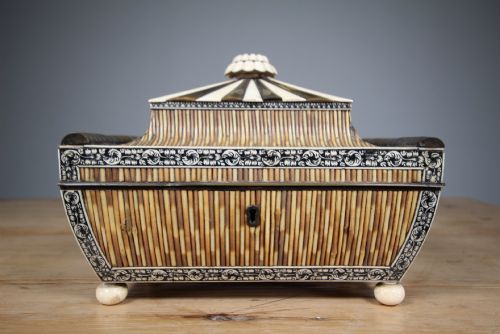
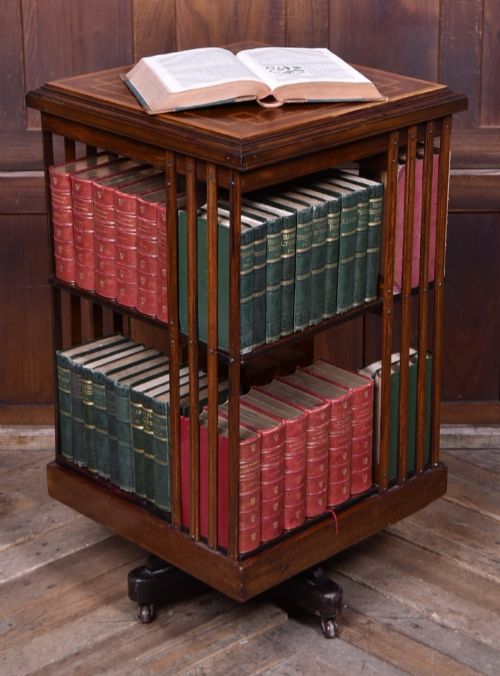
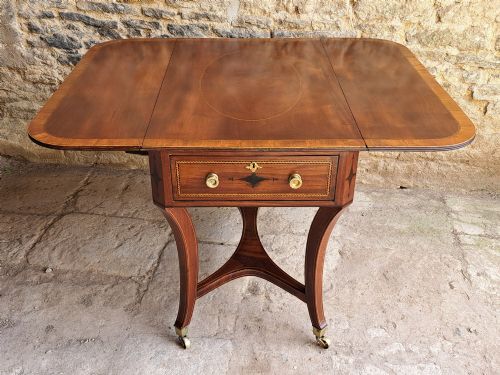
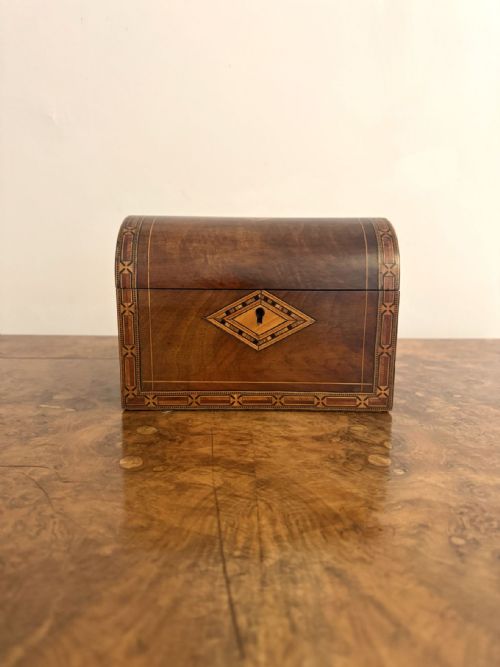
Antique Inlaid Caddy
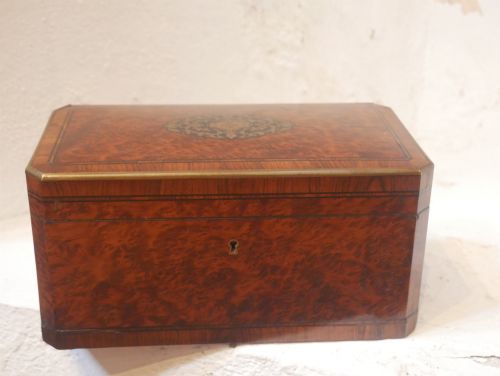
When you search for an antique inlaid caddy, you are looking at small lidded wooden containers originally made to store precious tea leaves.
Antique Inlaid Caddy
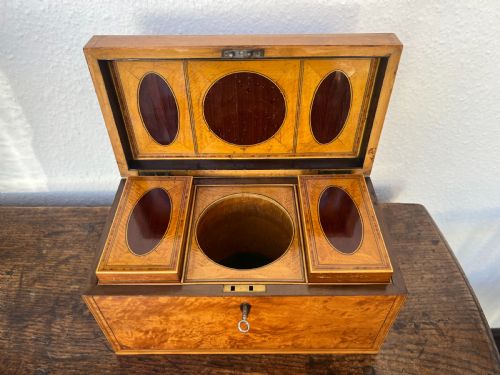
An antique inlaid caddy is a lidded container fashioned to hold and preserve dry tea leaves when tea was an expensive commodity. These pieces date across the eighteenth, nineteenth, and early twentieth centuries, spanning the Georgian, Regency, and Victorian periods.
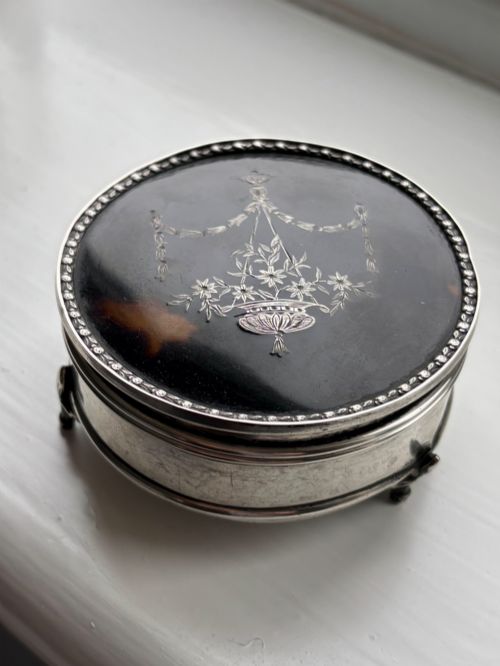
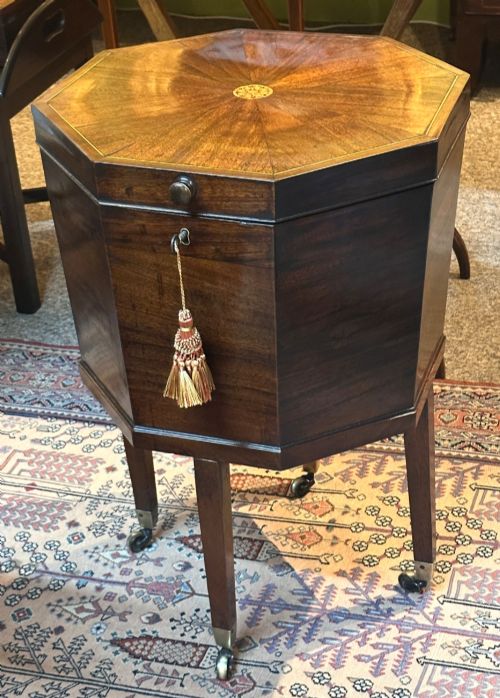
Beyond standard tea caddies, the selection includes related decorative boxes, cellarettes, and writing boxes bearing similar decorative woodwork. Makers utilised various native and exotic timbers to construct these functional storage items.
Materials and Construction
Cabinetmakers built these boxes using structural woods like mahogany, walnut, and rosewood as a foundation. They then applied decorative veneers of satinwood, harewood, or burl walnut over the primary carcass.
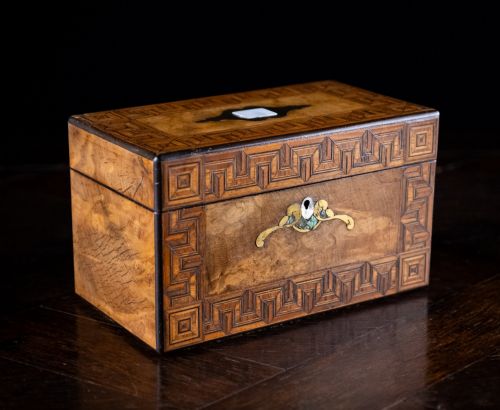
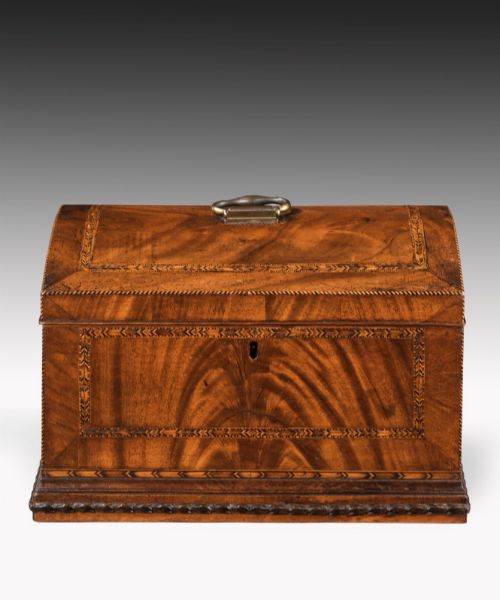
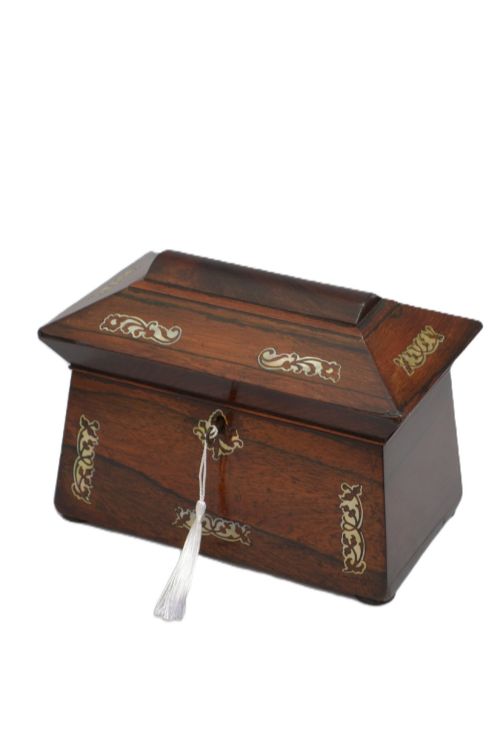
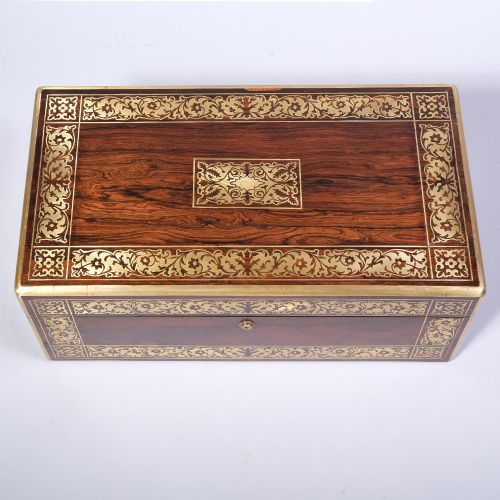
Inlay techniques defined the exterior ornamentation, incorporating contrasting woods, brass lines, mother-of-pearl, and pewter. Tunbridge ware examples utilised thousands of tiny tinted wood blocks to create intricate mosaic patterns.
Internal fittings often featured secondary timbers, foil linings, and bone escutcheons around the keyholes. Craftspeople assembled these elements by hand, employing precision joinery suited to luxury tabletop objects.
The archive records tea caddies decorated with detailed depictions of sailing ships and clipper vessels.
Distinctions in Quality
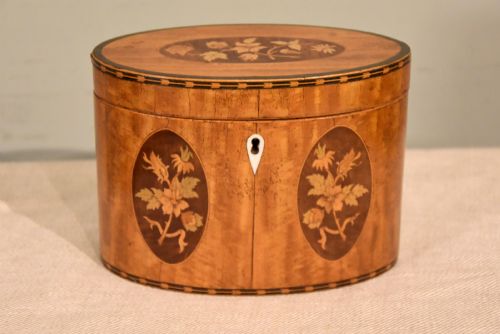
The standard of an antique inlaid caddy depends largely on the precision of the woodwork and the complexity of the motifs. Finely executed butterfly, shell, or floral marquetry requires immense skill from the artisan.
The choice of primary timber and veneer heavily influences the desirability of the piece. Richly grained rosewood, figured mahogany, and intricate parquetry elevate the visual depth of the box.
Original internal components, such as mixing bowls, fitted lids, and working locks with matching keys, preserve the integrity of the piece. Caddies retaining these complete domestic elements command greater appreciation.
Tahan Paris·Ollivant & Botsford·Henry Hollamby·Gillows
The Antique Inlaid Caddy Glossary
- Caddy
- A small container or box designed for storing tea leaves. The word derives from catty, the Chinese pound weight.
- Escutcheon
- A flat plate of metal, often bone or brass, surrounding the keyhole to protect the surrounding wood from wear. This hardware provides a subtle decorative accent on the front panel.
- Marquetry
- Decorative woodwork where pieces of veneer are fitted into a ground to form geometric patterns or pictorial designs. Artisans cut these shapes with fine saws from contrasting timbers.
- Sarcophagus
- A box shape featuring a sloping lid and a stepped profile reminiscent of ancient stone coffins. This popular Regency style gives tea caddies a monumental architectural presence.
- Tunbridge Ware
- Wood mosaics produced in Kent using precise assemblies of tiny coloured wood prisms. These mosaics depict geometric borders or architectural vistas.
Antique Inlaid Caddy: Frequently Asked Questions
What were antique tea caddies used for?
These containers stored valuable black and green tea leaves when tea was a heavily taxed luxury commodity. Wealthy households kept them locked to prevent servants from helping themselves to the dry leaves.
Inside, the boxes typically featured separate compartments for different tea varieties and a glass bowl for blending. The key remained with the mistress of the house until tea-making time.
How do I date an antique inlaid caddy?
Dating relies on timber choices, construction methods, and decorative styles typical of specific historical periods. Georgian examples often feature straight-grained mahogany with simple fan inlay, whereas Regency pieces favour rosewood with bold brass stringing.
Victorian items frequently display heavier proportions and complex Tunbridge ware or mother-of-pearl motifs. Examining the interior hardware and secondary woods provides further clues to the exact decade of manufacture.
Can I still use these caddies for tea?
While structurally sound, modern tea storage requirements differ from those of the eighteenth and nineteenth centuries. Historic foil linings and wooden interiors are not airtight enough to preserve loose-leaf tea for long periods.
Collectors generally display them as decorative art objects or use them to store modern dry goods like jewellery or trinkets. Keeping them away from direct sunlight and moisture protects the delicate veneers and brass inlays.
Why do some caddies have glass bowls inside?
The central glass vessel served as a mixing bowl for combining different grades of tea leaves. Guests could also use it to rinse leaves or hold sugar lumps for the brew.
Many surviving caddies have lost these fragile bowls over the centuries. Finding a caddy with its original mixing bowl adds significant interest for collectors.