

17th Century Jacobean Furniture
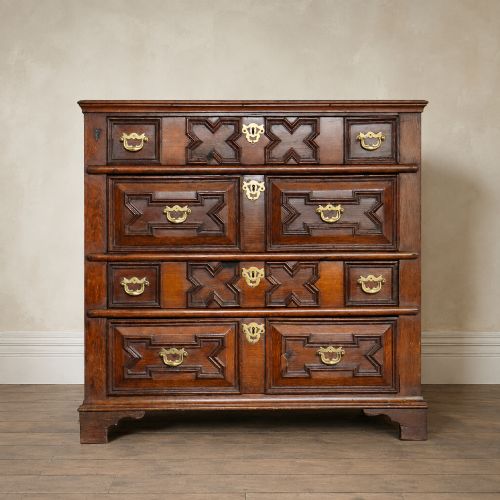
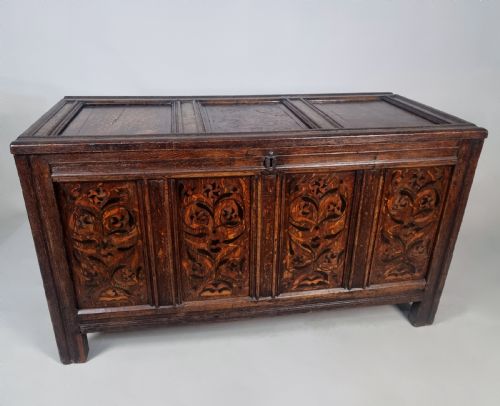
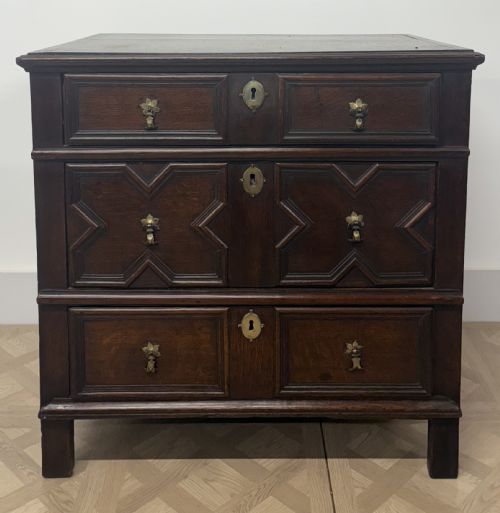
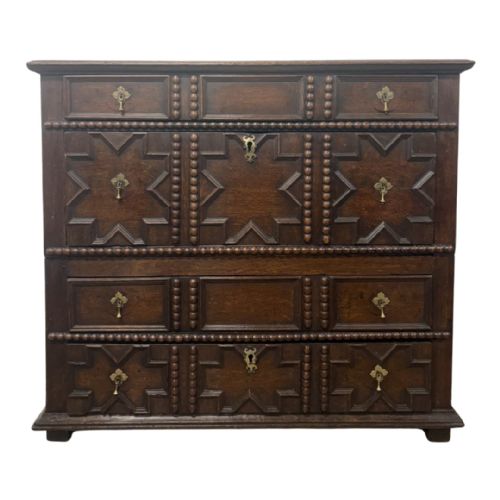
These heavy timber pieces represent 17th century jacobean furniture, offering solid construction and dark wood surfaces for domestic use.
17th Century Jacobean Furniture
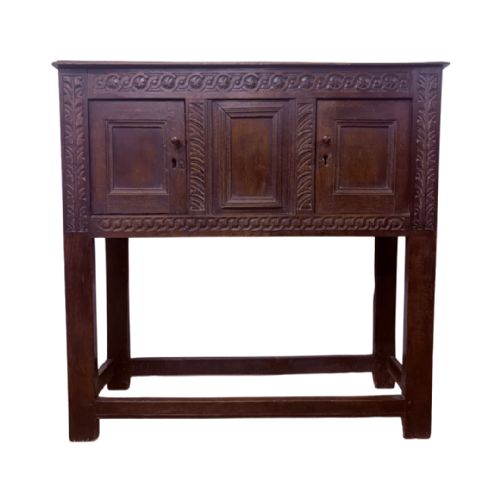
17th century jacobean furniture encompasses heavy domestic timber forms originating primarily in English workshops during the seventeenth century and the subsequent revival period. Buyers encounter robust seating, storage and dining pieces designed for daily utility in domestic and public spaces.
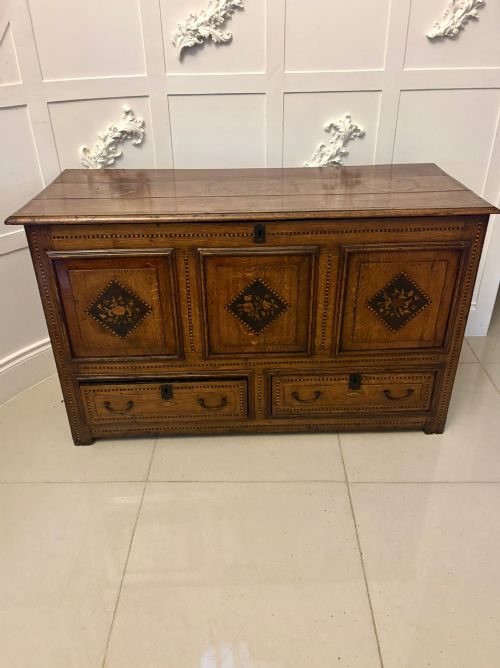
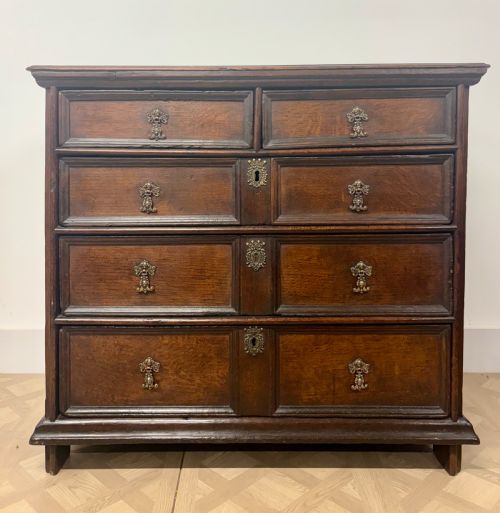
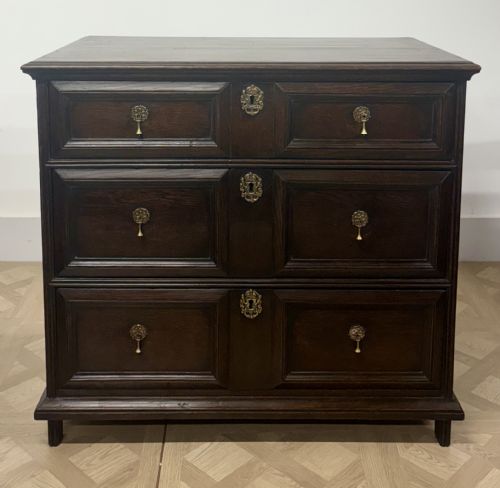
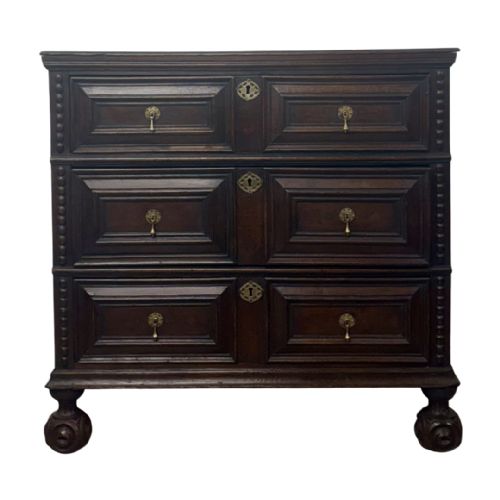
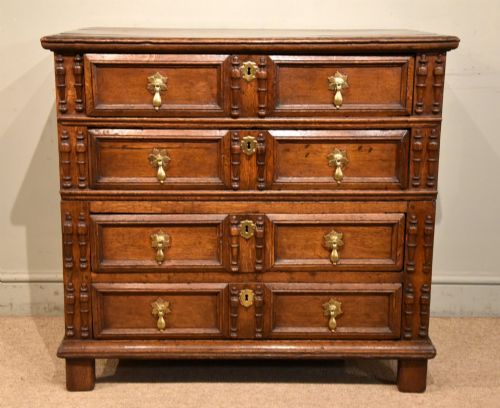
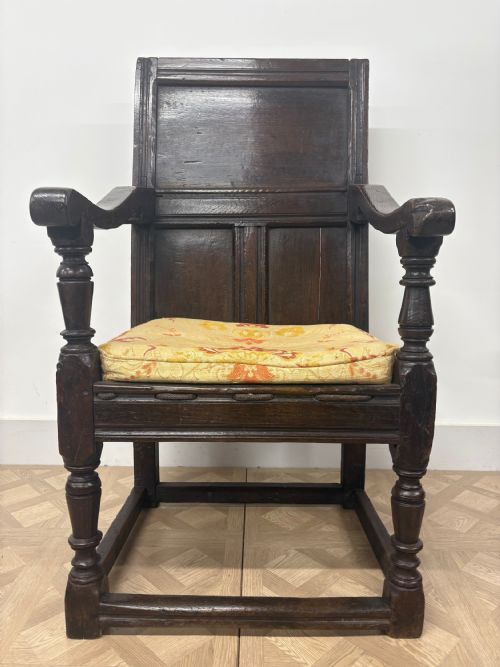
Chest of drawers, joint stools, refectory dining tables and wainscot armchairs dominate the selection available. These functional objects reflect the period's preference for sturdy frame construction and rectilinear layouts.
Examples span the seventeenth century itself alongside later revival interpretations from subsequent centuries. The material culture of this search phrase centres firmly on structural woodwork produced in oak, elm and walnut.
Materials and Construction
Makers utilised native British hardwoods, predominantly oak supplemented by elm, walnut and yew wood, joined through traditional mortise and tenon techniques secured with wooden pegs. This method created rigid frames capable of withstanding heavy domestic use over centuries.
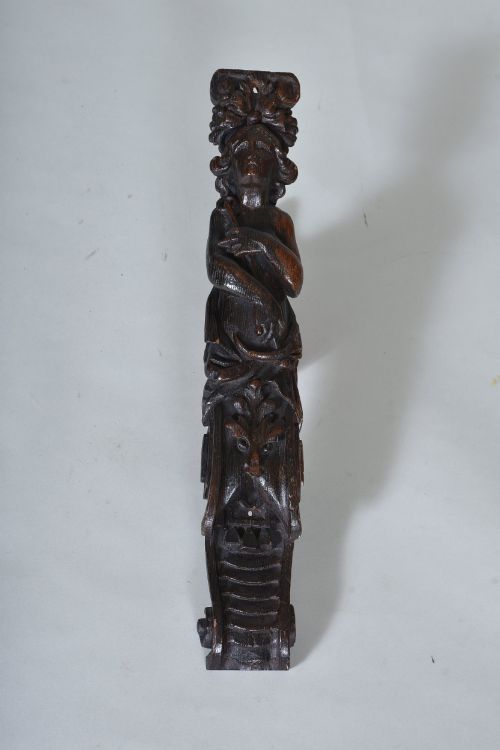
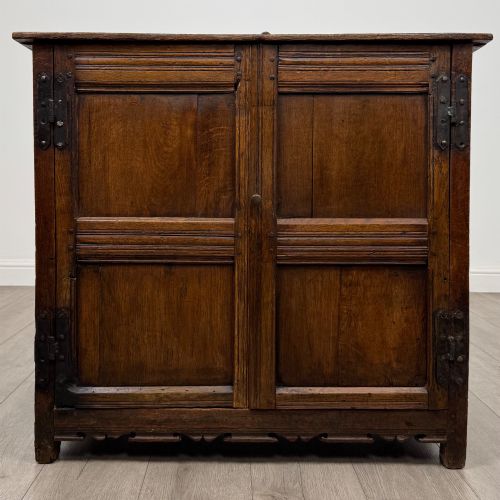
Surface enrichment relied on hand carving, geometric mouldings and occasional marquetry inlay using contrasting timbers. Metal elements appear primarily as functional brass or iron hardware on chests, strong boxes and tables.
Objects span the seventeenth century, Georgian era, and later revival periods, demonstrating continuous production of traditional forms.
Judgement of Quality
Depth of hand carving and precision in geometric mouldings separate standard utilitarian items from finer decorative commissions. The sharpness of detail in relief work indicates the skill level of the original maker.
Survival of original surface patination and timber integrity dictate the standing of individual pieces. Substantial proportion and harmonious timber selection contribute significantly to the visual weight of surviving furniture.
The 17th Century Jacobean Furniture Glossary
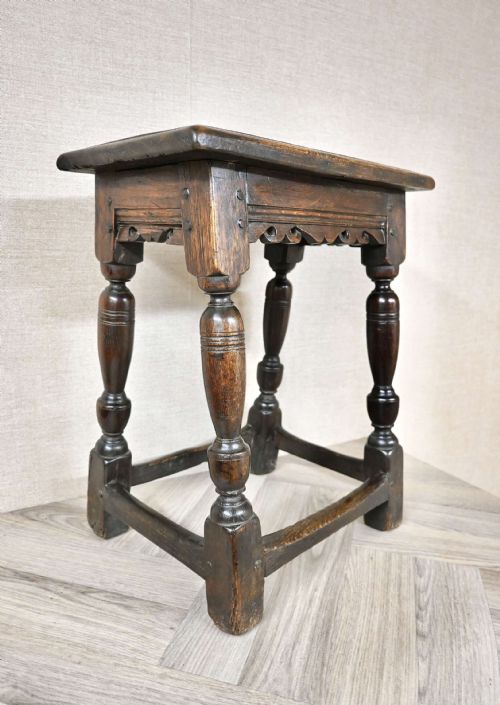
- Joint stool
- A sturdy wooden seat constructed with mortise and tenon joints rather than turned legs alone. These items served multiple domestic purposes in early households.
- Wainscot armchair
- A heavy wooden chair featuring panelled backrests and solid wooden seats. They represent status and substantial carpentry from the period.
- Gateleg table
- A drop-leaf table supported by hinged legs that swing outward to hold the leaves. This design allowed tables to fold compactly against walls when not in use.
- Coffer
- A heavy wooden chest utilised for storage of valuables and textiles. Many feature carved fronts and robust lid construction.
- Refectory table
- A long dining table built with sturdy timber legs connected by floor-level stretchers. They provided communal dining surfaces in great halls.
17th Century Jacobean Furniture: Frequently Asked Questions
What defines a genuine piece?
Authentic examples display period construction methods, including hand-cut joinery and timber shrinkage appropriate to age. Tool marks left by hand saws and chisels help confirm historical manufacture.
Secondary alterations or later timber replacements often occur on pieces surviving from this era. Examining the interior framework reveals the original construction sequence.
How were these tables used?
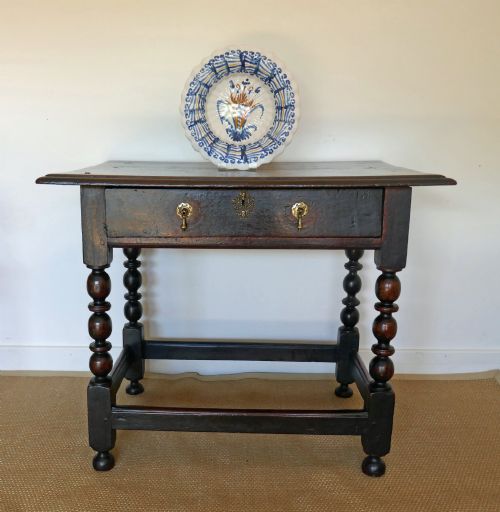
Large tables accommodated communal dining and household administration in the main rooms of early dwellings. Gateleg versions offered flexible surface area that could be reduced when floor space was required.
Their heavy timber frames ensured stability on uneven floors. Stretchers near the floor kept the legs braced against heavy downward pressure.
Where should I place a joint stool?
Joint stools function well as small side tables or occasional seats in living spaces. Their compact footprints allow them to fit beside upholstery or under larger surfaces.
Avoid placing timber furniture directly next to modern heat sources or in areas of extreme humidity. Consistent indoor environments protect the old wood from splitting.
How do I care for dark oak?
Regular dusting with a dry, soft cloth maintains the surface without building up chemical residues. Traditional wax finishes benefit from occasional application to nourish the dry hardwood.
Keep surfaces away from direct sunlight to prevent fading of the historic patina. Spills should be wiped away immediately to protect the wood grain.