


A 2026 Guide by Sellingantiques
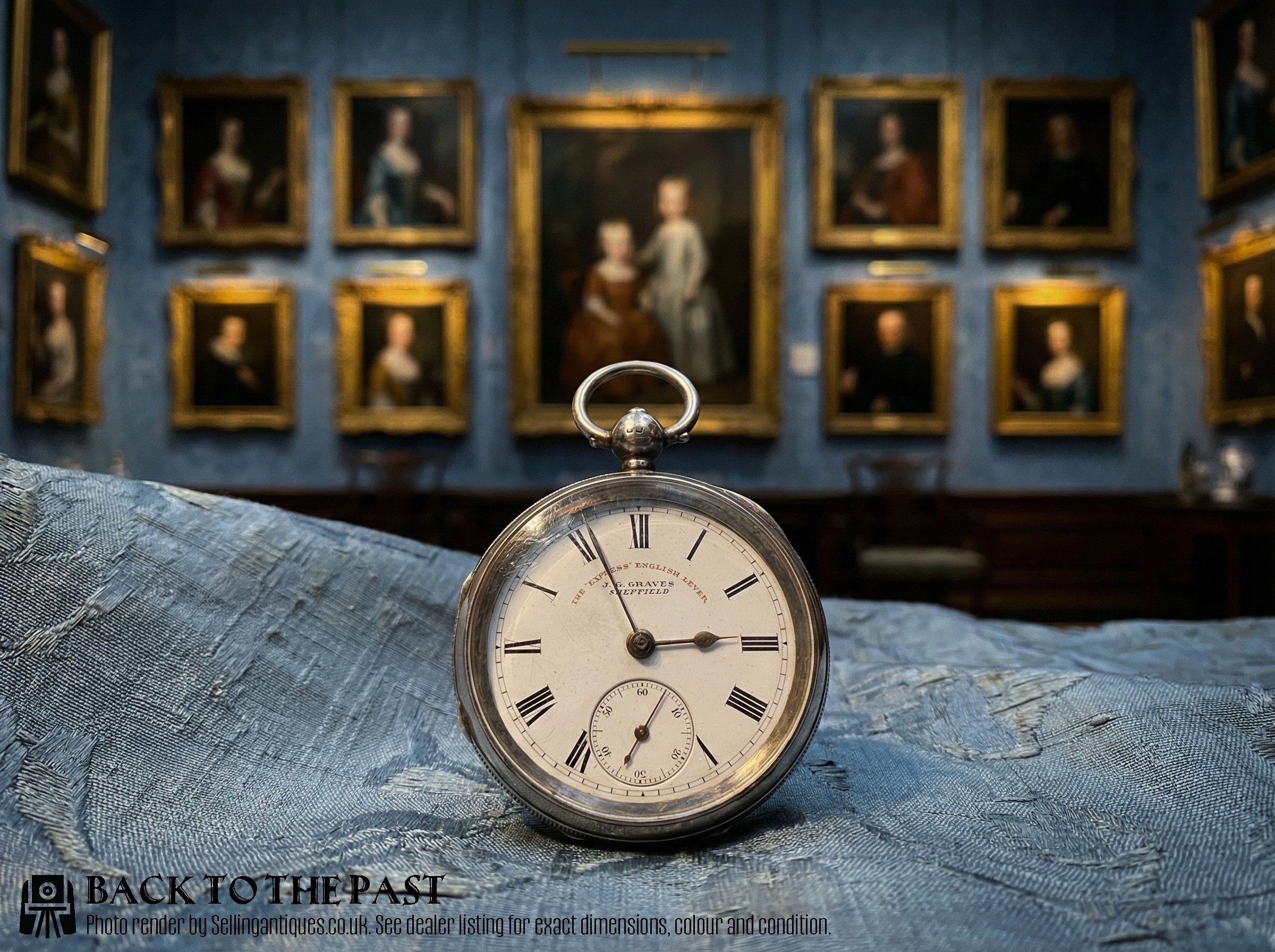
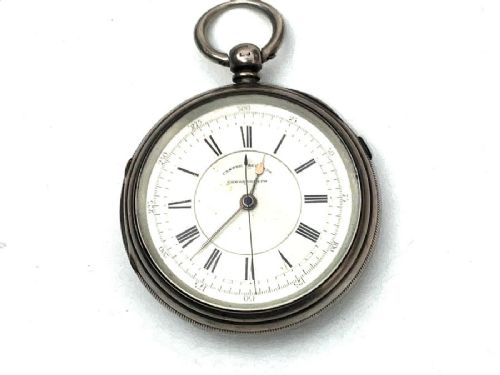
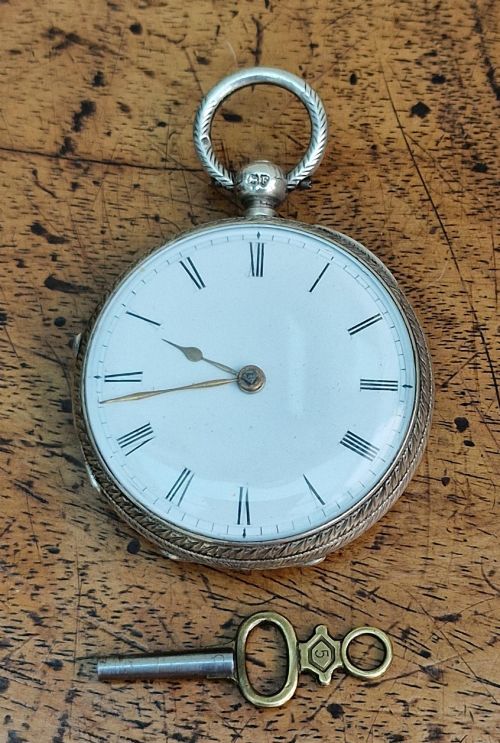
English Hallmarked Silver Pocket Watch 'The Express English Lever' J G Graves Sheffield, 19th Century
Priced at £175 from Abersoch Antiques
Early examples from the sixteenth century were heavy drum-shaped brass containers worn on pendants.
The introduction of the balance spring in the late seventeenth century transformed these from rough novelties into reliable timekeepers.
Waistcoat pockets became the standard way to carry them during the reign of Charles II.
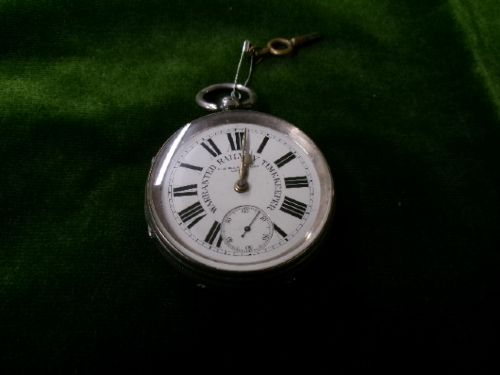
Railways changed everything. They demanded standardised time across the country, driving the rapid mass production of highly accurate railway watches with bold dials.
Look out for the shift from key-wind mechanisms to stem-wind formats which happened gradually during the nineteenth century.
Thomas Tompion is often called the father of English watchmaking, active in London during the late seventeenth century.
Breguet operated in Paris from the late eighteenth century, producing innovative escapements and distinctive slim cases.
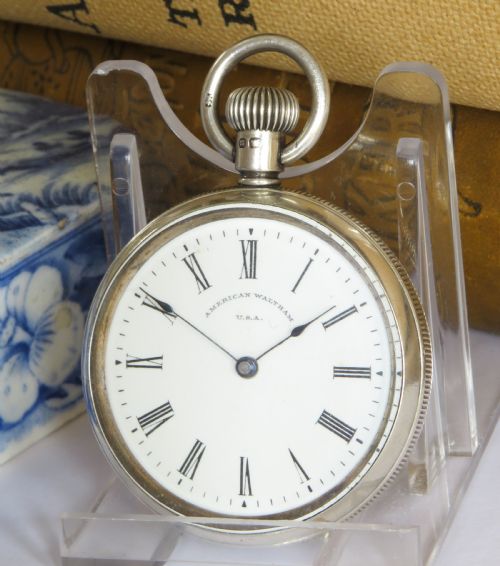
American factories like Waltham and Elgin mass-produced reliable, interchangeable movements from the mid-nineteenth century onwards.
The 2026 retail price guide for Antique Pocket Watches is drawn from a proprietary archive of over 1.1 million retail prices indexed by Sellingantiques since 2003. This guide relies exclusively on their own internal data; no external sources or auction records are used.
Analysing nearly 25 years of UK antique market history alongside current retail values, the data indicates that typical UK retail prices for Antique Pocket Watches range between £200 and £700. Entry-level prices generally fall under £200 and premium examples upwards of £700.
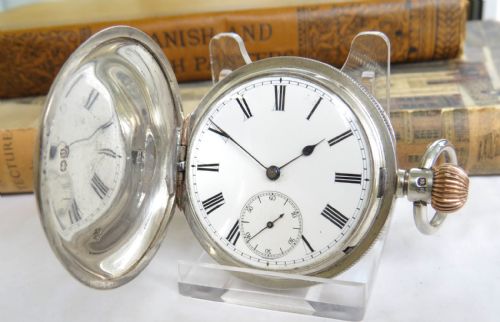
A hunter case features a solid metal cover snapping shut over the dial to protect the crystal.
Open-face watches lack that front cover, meaning the time can be read instantly without pressing a release button.
Complications add functions beyond simple timekeeping. Chronographs, calendars, and quarter-repeaters are sometimes found on higher-tier antique pocket watches, offering mechanical complexity that collectors appreciate.
Cut and filed by hand under natural light. Early verge movements feature thick, robust brass plates.
Engine-turning or guilloché was often used to decorate the case exteriors, providing grip and masking scratches.
Later Swiss and American factories introduced specialised machines to stamp out uniform components, reducing the need for hand-finishing.
"Some eighteenth-century examples feature complex automata on the dial, with tiny articulated figures striking bells as the hours pass."
"Musical watches pack miniature pinned cylinders and tuned steel combs inside the case to play a melody on demand."
"Keyless winding was a major selling point when introduced, sparing owners the frustration of losing their winding keys."
Based on almost 25 years of Sellingantiques UK antique market data, Antique Pocket Watches appeared 9427 times (out of 1,100,000 antiques) which gives it a rarity score of 15/100.
This score measures scarcity within the Sellingantiques archive only and is not a survey of the entire antiques market, so these statistics may not be indicative of the general availability of Antique Pocket Watches elsewhere.
Vitreous enamel dials need gentle handling. You can use a wooden peg dipped in a weak solution of mild soap and water to lift surface dirt. Never let water pool near the edges or seep through the centre hole.
Solid silver dials often tarnish. A soft jeweller's cloth is usually enough to brighten them. Avoid abrasive pastes, as they can wear away the painted or engraved numerals over time.
A watch that ticks briefly when shaken often has power reaching the escapement, but the balance is failing to swing freely. The oils used to lubricate the pivot points dry out over the decades, turning into a sticky paste that stops the wheels from turning.
Sometimes the balance staff pivots are broken or worn down. A watchmaker will need to strip the movement, clean the parts in solvents, and apply fresh lubricants to get it running reliably again.
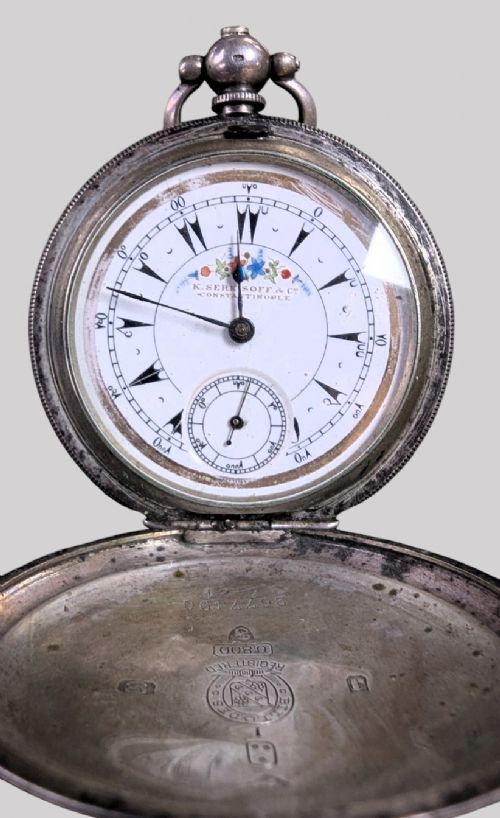
British silver watch cases carry assay marks stamped inside the back cover. These include a standard mark showing silver purity, usually the walking lion for sterling.
You will also find a city mark indicating where it was tested. An anchor means Birmingham, while a leopard's head stands for London.
The date letter is most useful. It changes every year, moving through the alphabet in different font styles and shield shapes.
Putting the seconds hand on a small sub-dial at the six o'clock position was the most direct mechanical solution for traditional watchmaking. The fourth wheel in a standard gear train rotates exactly once a minute, and its pivot naturally sits at that spot.
Extending that pivot through the dial allows a small hand to be attached directly to the wheel. Moving a seconds hand to the centre requires extra gearing. That extra gearing adds friction and complexity to the movement, which early watchmakers preferred to avoid.
Please note: This Antique Pocket Watches guide and its associated pricing data are provided for general informational purposes only. It does not constitute formal financial, investment, or appraisal advice and should not be relied upon as the sole basis for any commercial activity, purchasing, or sales decisions. Sellingantiques.co.uk accepts no liability for any actions taken in reliance on this information. Always consult with a qualified professional or independent appraiser.
