

Antique Oak Wardrobes
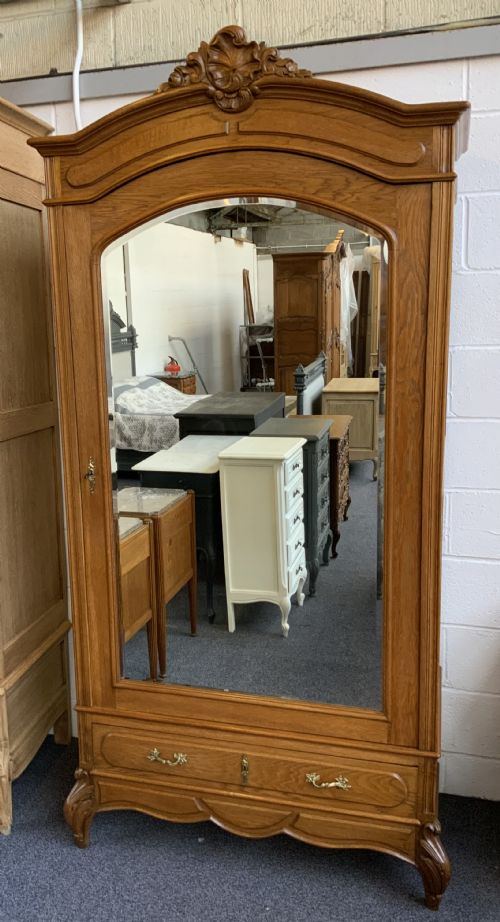
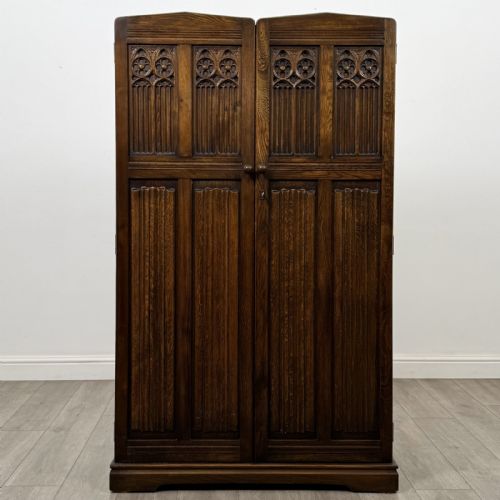
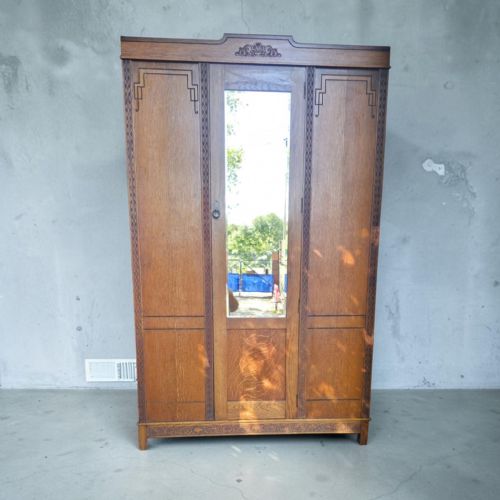
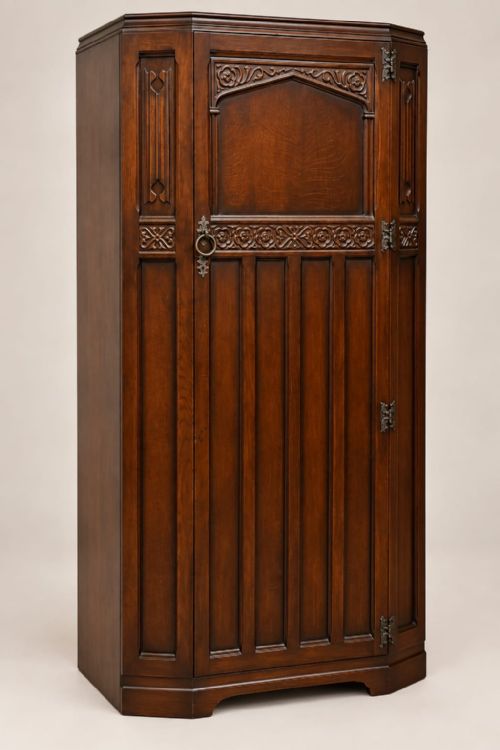
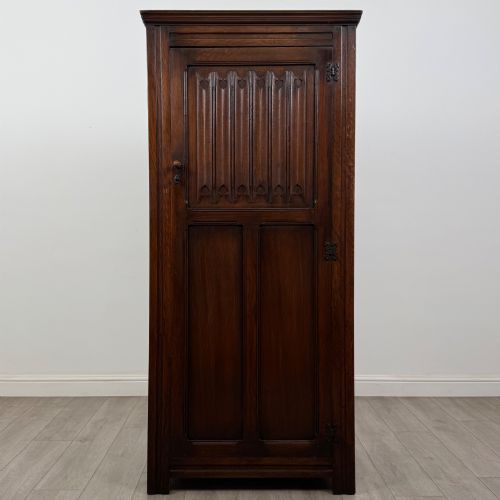
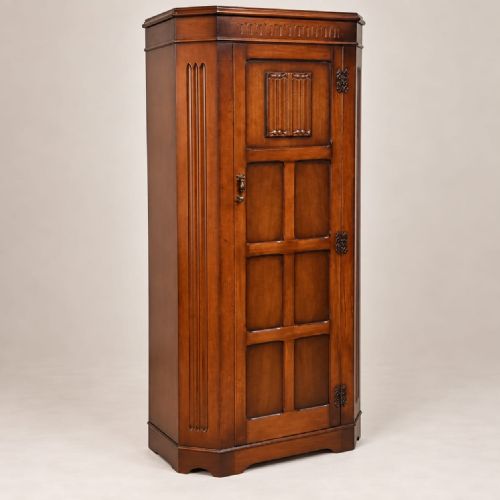
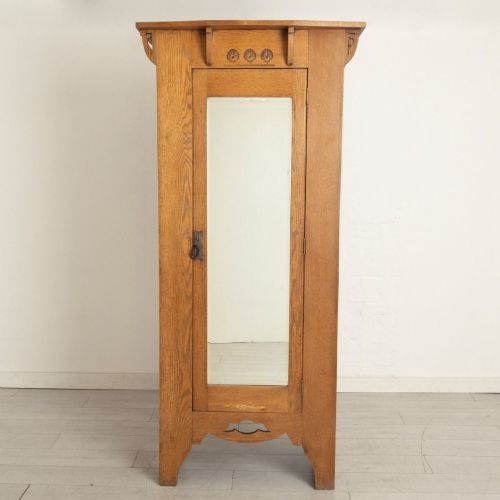
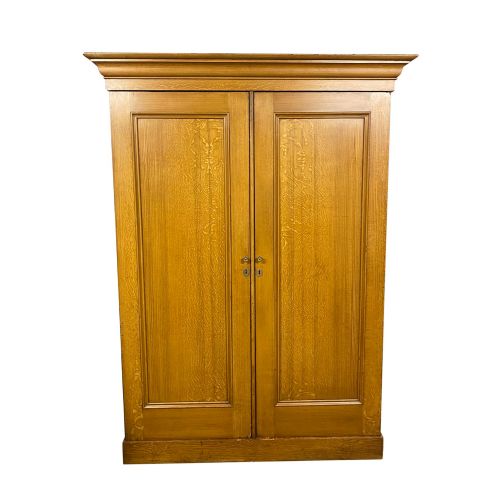
A full-height oak clothes cupboard, from a five-foot single-door hall robe to a breakfront triple or a fitted compactum with drawers and sliding trays.
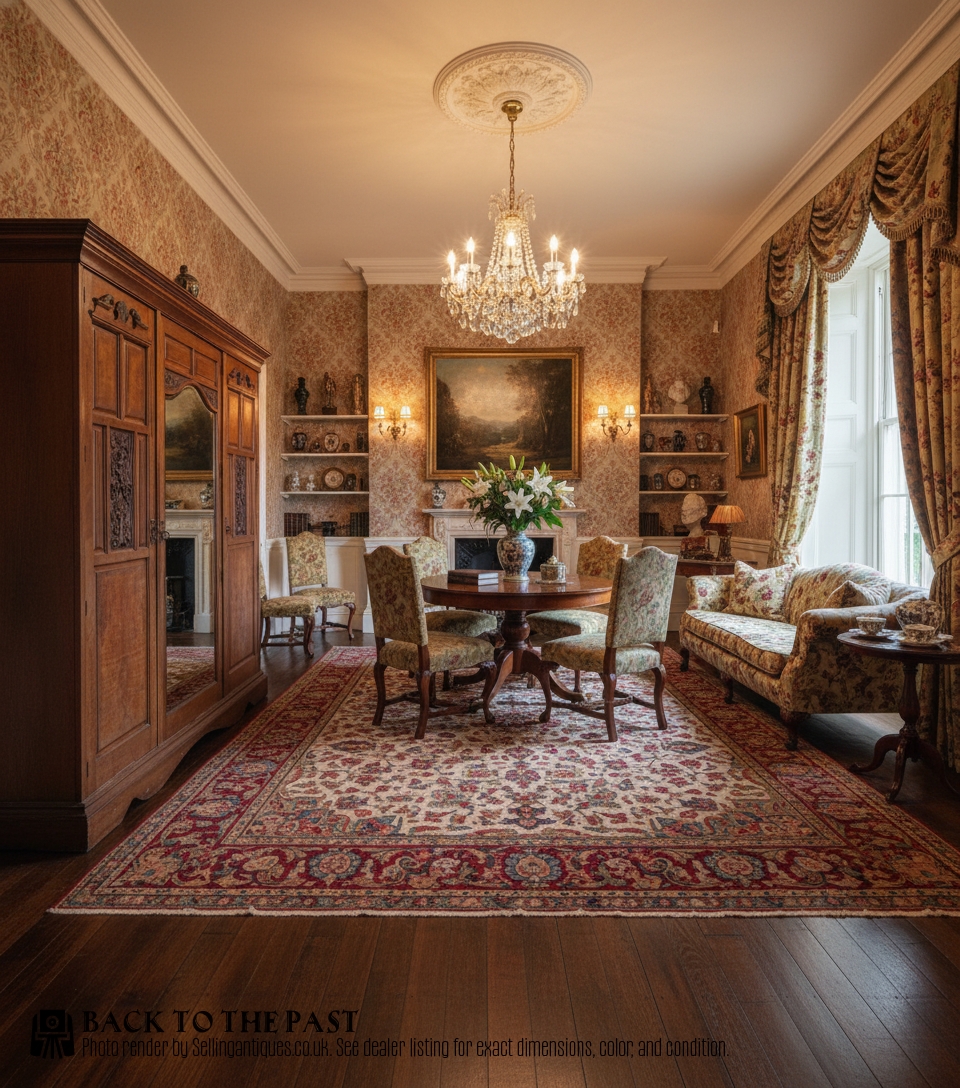
Antique Oak Wardrobes
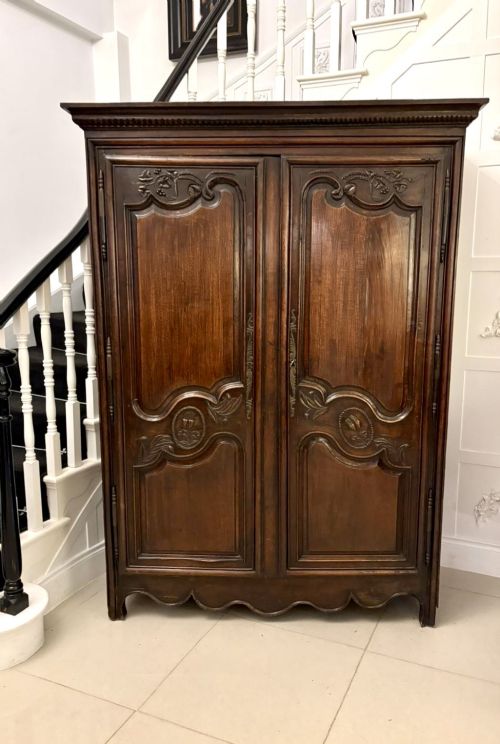
The wardrobe grew out of the panelled clothes press and hanging cupboard, once clothes moved out of chests and into a standing case piece. The French armoire is the same idea in a tall two-door provincial form. Oak served as a country timber first and later as the timber of choice for revivalist and Arts and Crafts bedroom furniture.
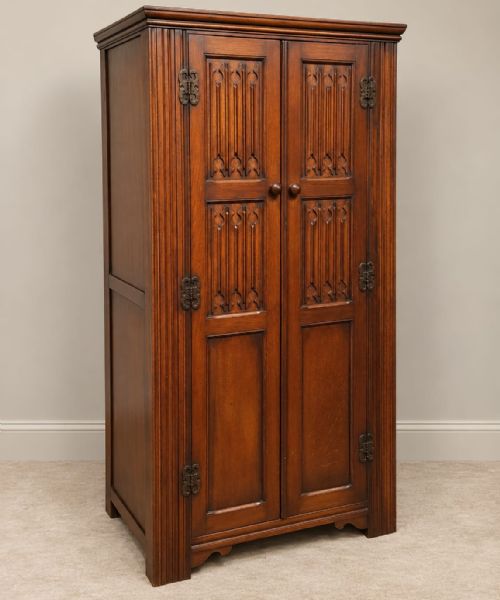
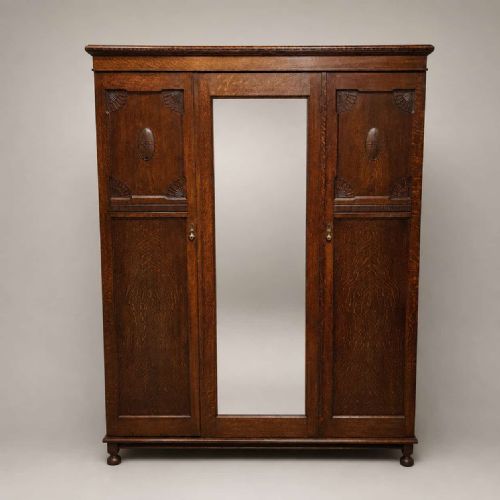
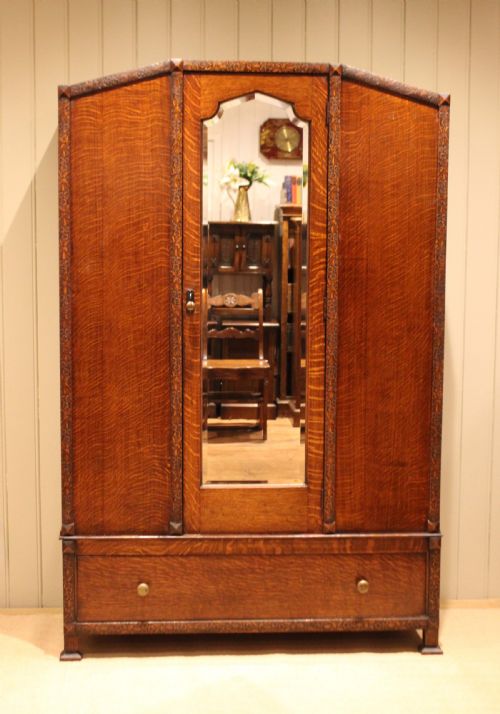
Despite the oak, this is an early twentieth-century category. Four in five dated listings fall between 1900 and 1939, with the 1920s alone accounting for 199 of them, followed by Edwardian, the 1900s, the 1910s and the 1930s. The piece you are most likely to meet is a two-door English carved oak wardrobe of the 1900s to 1920s, often described as a double or a hall robe. Nineteenth-century entries are fewer and often given simply as Victorian or 19th Century, so read those as dealer shorthand rather than a fixed year.
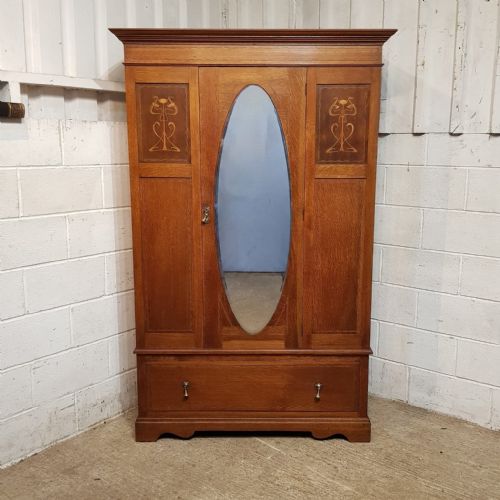
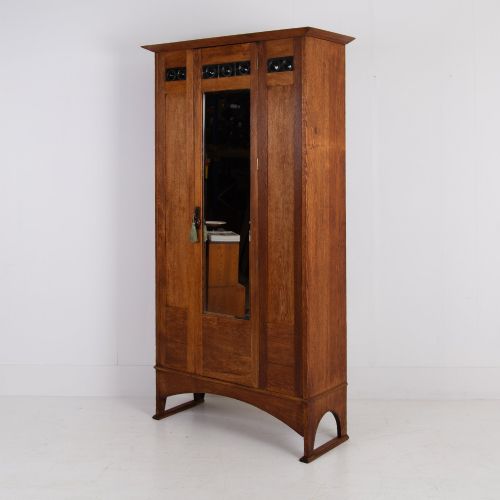
French carved oak armoires form a second block living inside the heading: 'french' appears in 99 titles and 'armoire' in 94, running almost level, some of them breakfront, some painted or bleached. Arts and Crafts oak and labelled retailers' pieces make up another recurring group, with London and Letchworth turning up in the titles.
Smaller groups round it out. Fitted compactums and combination wardrobes, with hanging space alongside drawers and trays, run to a few dozen listings. Earlier country oak is a small minority: clothes presses, a two-part livery cupboard, Georgian and eighteenth-century pieces, and one English oak press bearing the date 1698, the earliest sampled here.
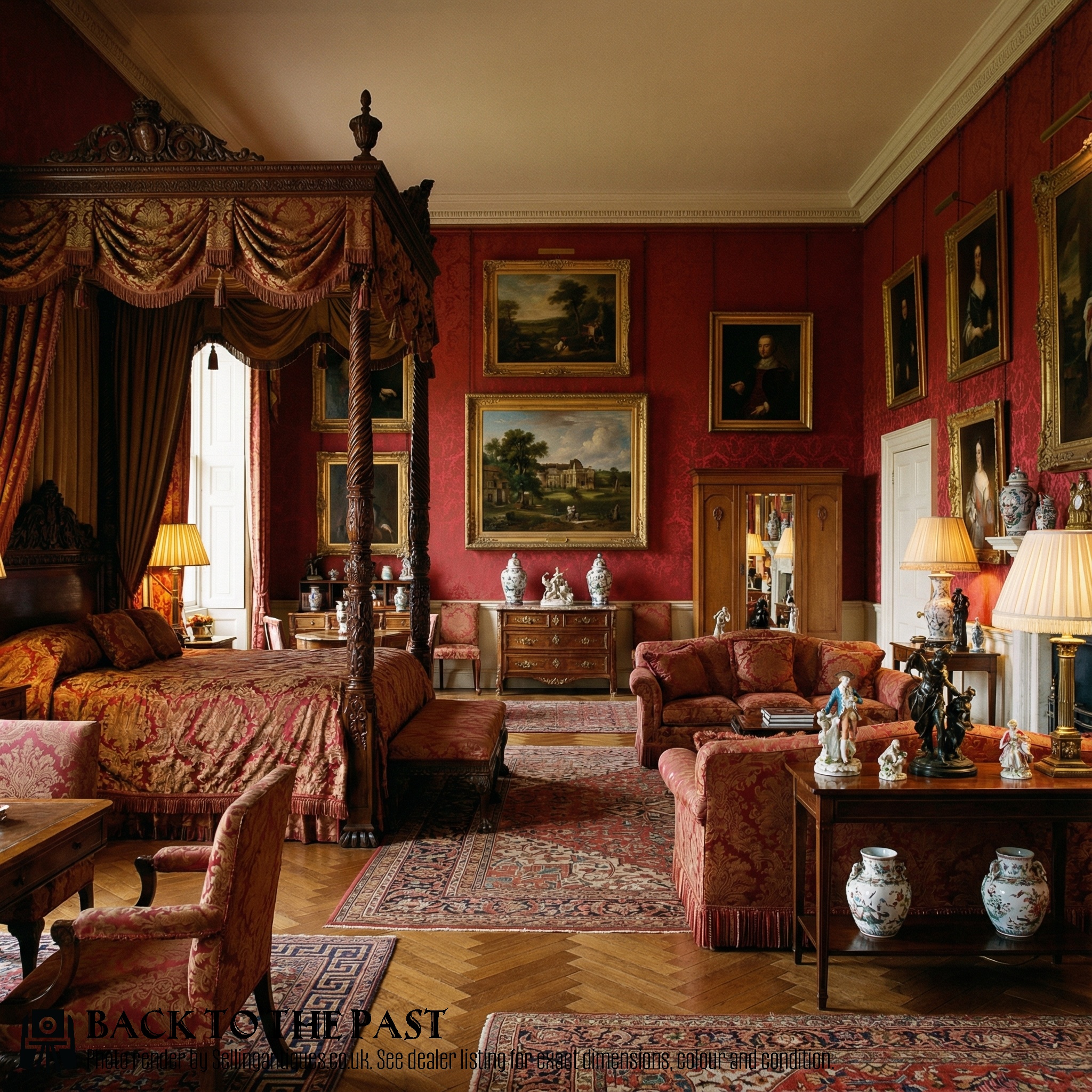
What Sets Them Apart
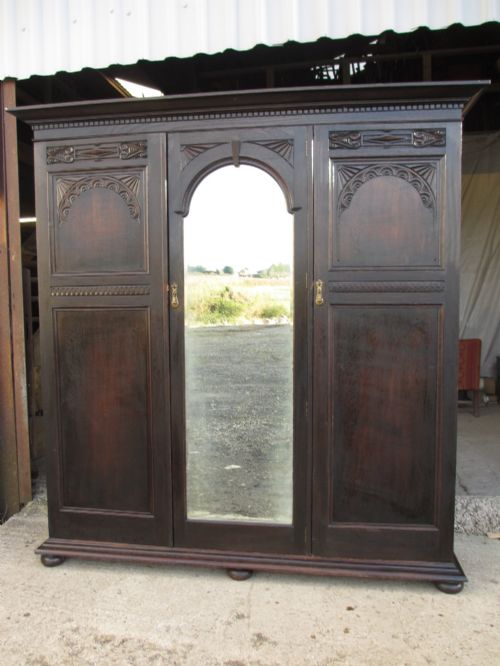
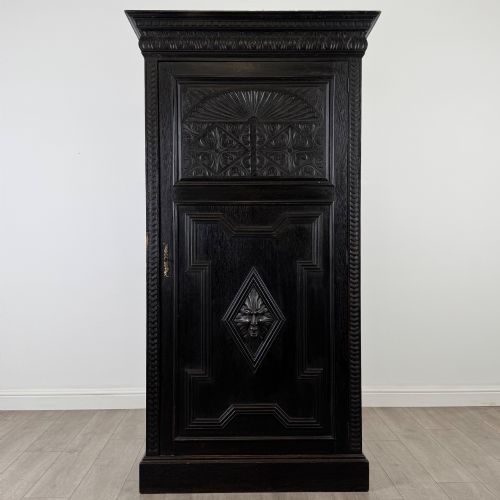
Carving does most of the work. 'Carved' is the commonest word in these titles, in 109 of them, and it sits at both ends of the range, so the word alone settles nothing. What lifts a piece is depth and quantity: heavily carved, ornately carved, carved and of grand proportions. Linenfold panels belong to the same conversation.
Scale and door count pull the same way. Triple and large recur through the higher-priced titles, breakfront triples among the highest, while small and single cluster at the bottom. The largest sampled wardrobes are stated at eight feet tall and eight feet wide. Figured timber does the same job at any size: pollard, burr and oyster-veneered examples sit well above plain boards.
Then attribution and fitting-out. Thirty-five titles say 'labelled', an unusually high survival of retailers' labels on bedroom furniture, and labelled or firmly attributed pieces sit in the upper half, with unattributed 'antique oak wardrobe' at the foot. A fitted interior, a compactum or a gentleman's fitted carcass, reads above a plain hanging box, and the small number of pre-1800 presses and livery cupboards sit high simply for their age.
Antique Oak Wardrobes Retail Price Guide 2026
Typical UK retail prices for oak wardrobes, calculated from the Sellingantiques database of over a million retail prices indexed since 2003. This retail price guide relies exclusively on Sellingantiques data; no external sources or auction records are used, so the figures do not describe the wider market.
Oak wardrobes have been listed on Sellingantiques since 2009, with over five hundred through the archive since then.
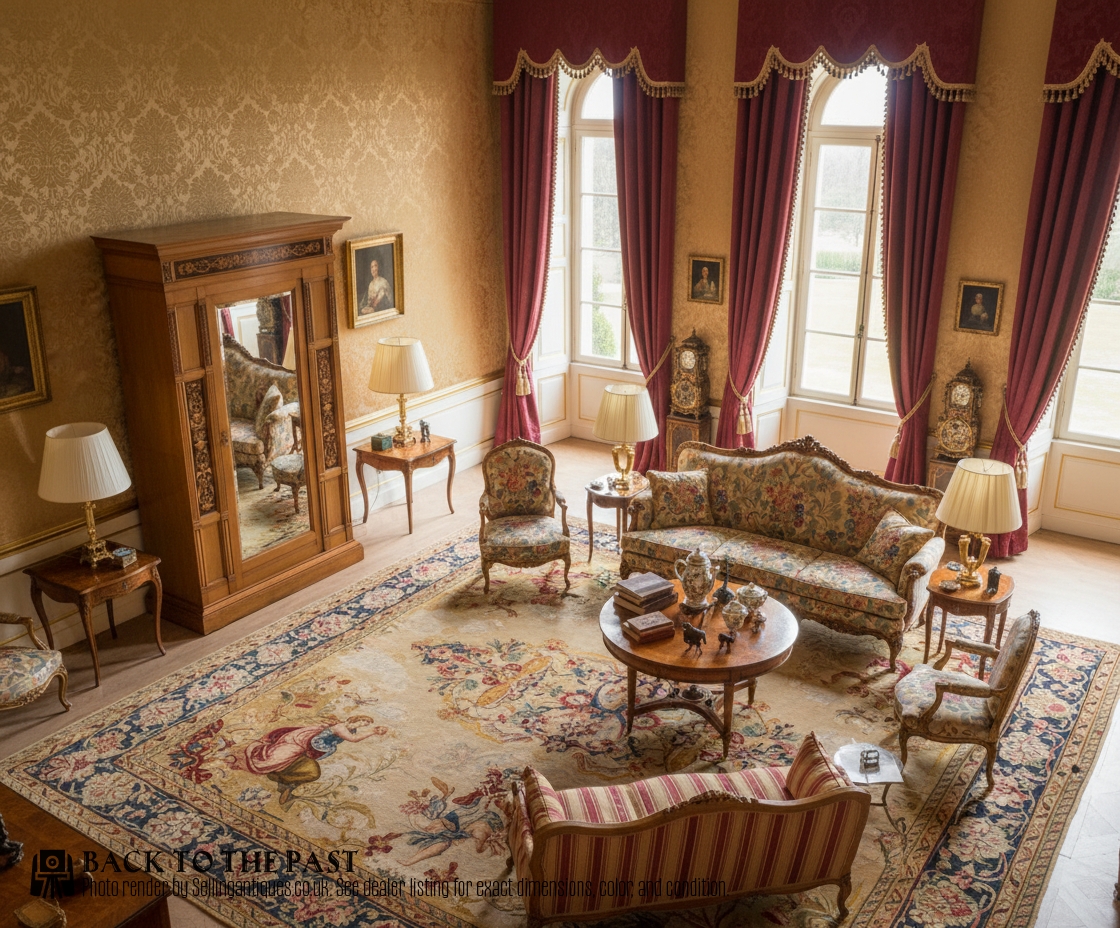
Maple & Co
The Antique Oak Wardrobes Glossary
- Compactum
- A fitted wardrobe combining a hanging section with drawers, sliding trays or shelves in one carcass. Twenty-six titles use the word.
- Armoire
- The French form of tall two-door cupboard-wardrobe, in 94 titles and usually paired with 'french' and 'carved'.
- Hall robe
- A short, shallow wardrobe made for a hall rather than a bedroom. 'Hall' runs through 46 titles, 'hall robe' through ten.
- Triple
- Three-door, commonly a central mirrored door flanked by two wings. Fifty-five titles against 59 'double' and 26 'single'.
- Breakfront
- A carcass whose centre section projects forward of the wings, used on nine listings, mostly armoires and large wardrobes.
- Knock down
- Built to dismantle into sections for moving. Dealers phrase it as 'flat pack', 'knock down' or 'splits up', and think it worth the title.
Antique Oak Wardrobes: Frequently Asked Questions
How old is a typical oak wardrobe?
Far younger than the timber suggests. The dated field spans 1750 to 1930, but four in five dated listings fall between 1900 and 1939.
The 1920s alone account for 199 listings, with Edwardian next at 91. Eighteenth-century pieces number eight.
What is a compactum wardrobe?
A wardrobe fitted out inside rather than left as an open hanging space. One carcass holds a hanging section alongside drawers, sliding trays or shelves.
Twenty-six titles use the word, and related terms such as 'fitted', 'gents fitted' and 'combination wardrobe' recur alongside it. One metamorphic gentleman's compactum and one miniature compactum appear in the archive.
Why do so many listings say French armoire?
Because the French armoire is effectively a second category living inside the oak wardrobe heading. 'French' appears in 99 titles and 'armoire' in 94, running almost level.
They are tall two-door provincial cupboards, commonly carved, with some breakfront, painted or bleached examples. Pairs of them turn up among the eight titles that say 'pair'.
Are triple wardrobes worth more than doubles?
Scale pulls upward in this category. Triple appears in 55 titles and large in 38, and breakfront triples run through the highest-priced sampled titles.
At the other end, 'small' appears in 32 titles and 'single' in 26, and both cluster at the bottom of the range. The largest sampled pieces are stated at eight feet tall and eight feet wide.
Do oak wardrobes come apart for moving?
Some were built to. Dealers describe them three ways in titles: 'flat pack', 'knock down' and 'splits up'.
It recurs often enough that dealers evidently think it worth putting in the title rather than leaving to the description.
How many come up for sale each year?
Around 49 oak wardrobes come to market on Sellingantiques in a year, drawn from a wide field of dealers.
Seventy-seven different dealers have listed one, so no single dealer defines the category or its stock.