


Antique Pairs of Sculptures
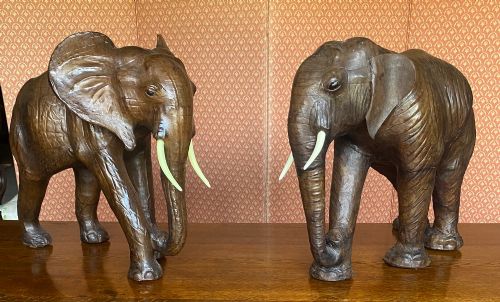
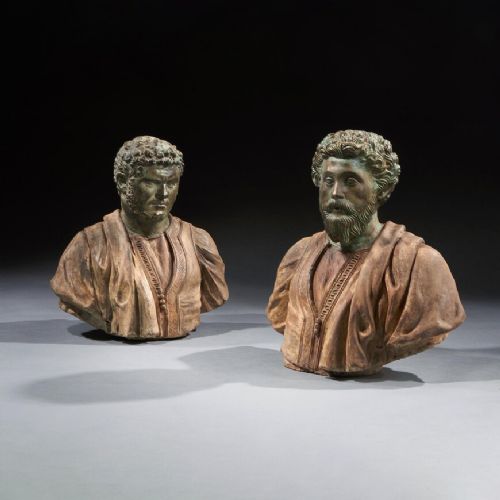
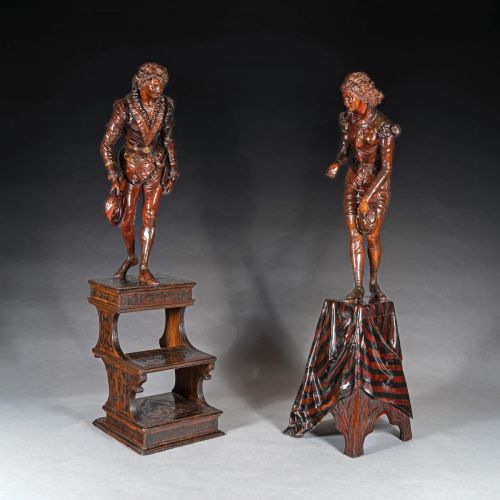
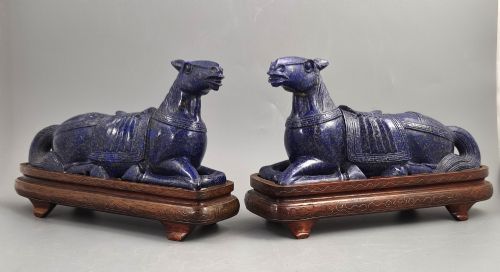
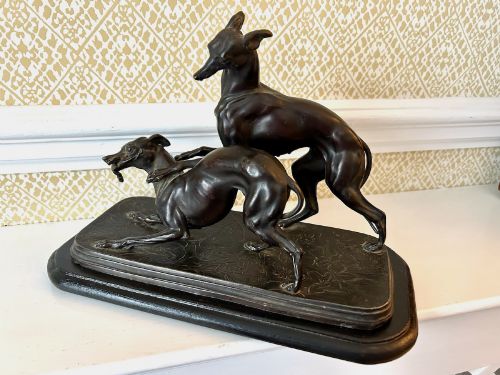
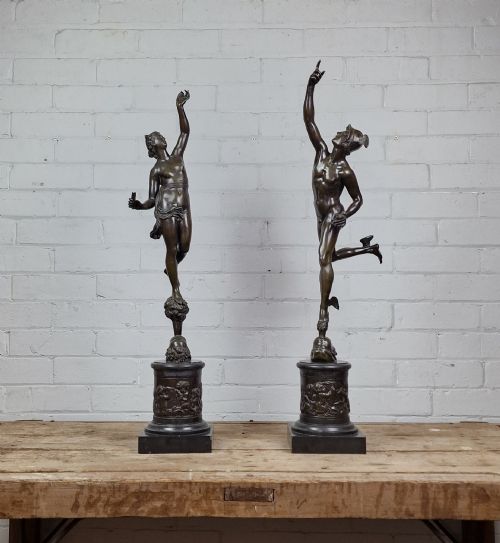
Two sculptures sold as companions, most often 19th-century bronze figures or animals, made to flank a mantel, doorway, gateway or pier.
Antique Pairs of Sculptures
Sculpture has been made in pairs since antiquity, because symmetry suited architecture, gateways, altars and chimneypieces. Foundries and carvers of the 18th and 19th centuries kept the habit going, issuing mirrored or companion models meant to face each other across a space. The pair is how the objects were conceived, so the pair is how they sell.
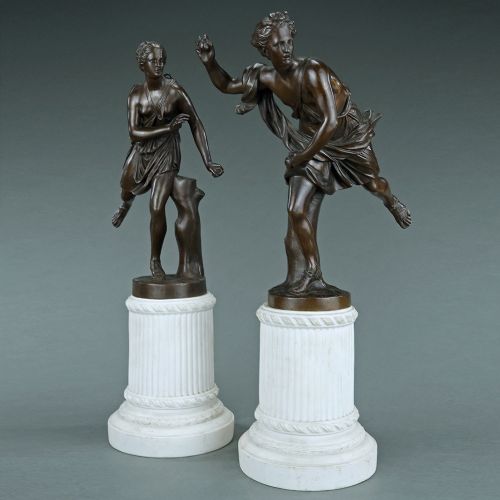
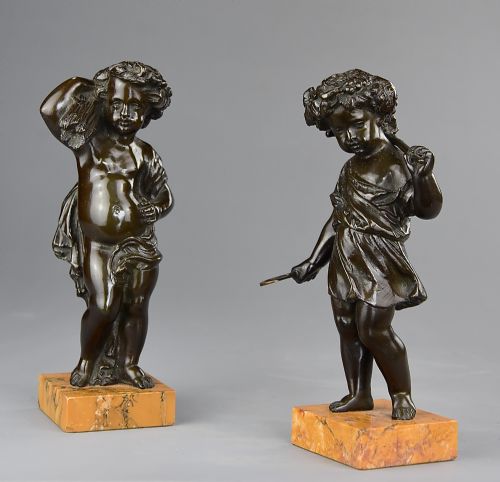
Bronze is the defining material, named in 183 of 417 titles on Sellingantiques. French work accounts for a good slice of that, and the recurring shape of the category is a pair of 19th-century French bronze figures or animals standing on marble or plinth bases. Everything else shares the remainder: marble, alabaster, carved oak, spelter, stone, iron, plaster, pottery, jade, buffalo horn.
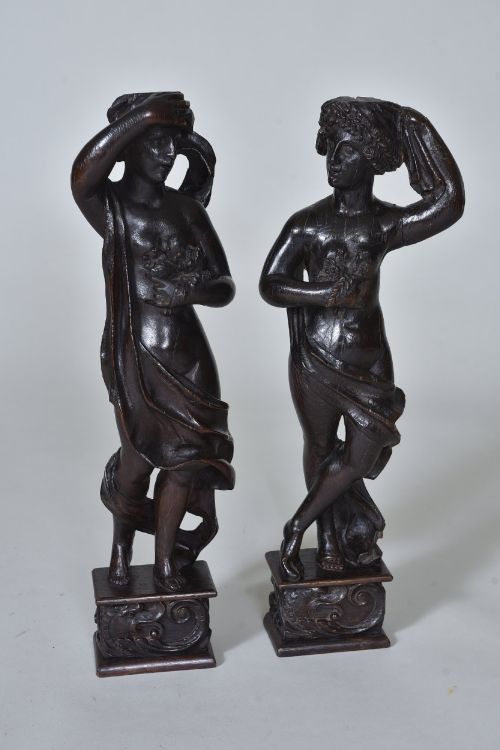
Beyond the bronzes sit four smaller groups. Grand Tour souvenir reductions make up about a tenth, in bronze, alabaster, serpentine marble and plaster, with Medici lions and Capitoline fauns among them. Carved wood is roughly a sixth, taking in angels, saints, corbels and Black Forest bears. Marble and stone models bring busts, hounds and gatepost lions. Spelter and cast iron form a small steady slice.
Dating is loose. Only 200 of the 417 listings carry a clean year, and '19th Century' alone covers 140 of them, with Victorian a further twenty-odd. Where decades are named they cluster from the 1850s to the 1930s. Earlier material is scarce, and the older end belongs to carved wood rather than bronze: 16th-century oak saints, Renaissance emperors, limewood putti. Art Deco forms the late tail.
Where The Range Splits
Material does most of the sorting. Bronze, carved marble and large carved wood hold the upper reaches; spelter, plaster and composite stone sit at the bottom. Scale pushes in the same direction, with 'large' in a tenth of titles. Monumental sphinxes, life-size lead hounds, huge Japanese bronze geese and 5ft5in carved bishops top the range, while figurines and bookends anchor the other end.
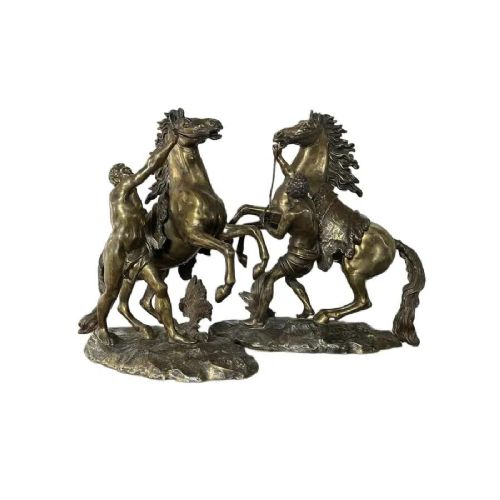
Authorship separates the rest. 'After' appears in 38 titles and 'signed' in only 11, and the difference matters: a named or attributed sculptor lifts a pair, while an anonymous reduction of a famous composition can land anywhere. The Marly horses are the clearest case, spelled marly or marley, turning up in bronze, brass and bronzed metal across almost the whole span.
Age and mounts do the fine tuning. Sixteenth and seventeenth-century oak saints and bishops outrank the 19th-century and 1900s work that fills the middle. And bases count: sienna marble plinths and specimen-marble mounts recur through the upper half, where plainer or later stands do not.
Antique Pairs of Sculptures Retail Price Guide 2026
Typical UK retail prices for pairs of sculptures, calculated from the Sellingantiques database of over a million retail prices indexed since 2003. This retail price guide relies exclusively on Sellingantiques data; no external sources or auction records are used, so the figures do not describe the wider market.
The dearest pair of sculptures ever to sell on Sellingantiques was a large pair of bronze figures of ladies by Jean-Louis Gregoire, in November 2023.
The Antique Pairs of Sculptures Glossary
- Pair / matched pair
- Two sculptures sold together as companions. They may be mirrored rather than identical, one figure turning left and its partner right.
- Near pair
- Two pieces that belong together but are not from the same model or the same moment. The phrase is used in titles in this category.
- After
- A later copy or reduction of a known composition rather than an original by that sculptor. It appears in 38 titles, nine in every hundred.
- Grand Tour
- Souvenir reductions of classical sculpture, brought home from Italy. They turn up in bronze, alabaster, serpentine marble and plaster, and account for a tenth of the category.
- Marly horses
- The rearing horse-and-groom composition, spelled marly in 19 titles and marley in 16. No single subject recurs more often.
- Spelter
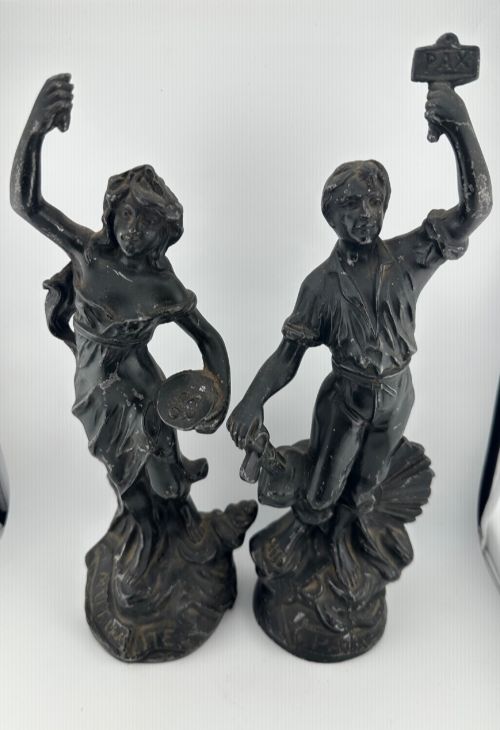
- Zinc alloy casting, usually bronzed or painted, named in 16 titles. Cold painting is unfired paint applied over a cast, seen on Austrian bird and figure groups.
Antique Pairs of Sculptures: Frequently Asked Questions
What material are most pairs of sculptures?
Bronze, by a clear margin. It is named in 183 of the 417 listings recorded on Sellingantiques, and French bronze figures and animal groups form the largest single strand.
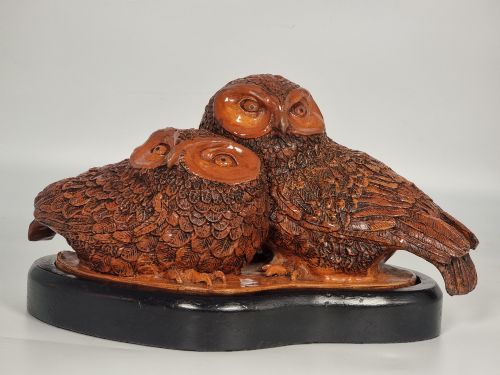
Everything else divides the remainder: marble, alabaster, carved oak, spelter, stone, cast iron, plaster and pottery, with occasional jade and buffalo horn.
Why are sculptures sold in twos?
Because they were made in twos. Symmetry suited gateways, altars and chimneypieces, so carvers and foundries issued mirrored or companion models to flank them.
Guardian lions, facing horses, paired gods or philosophers all come from that habit. The pair as a sale unit follows how the pieces were displayed and bought in the first place.
How old are these pairs usually?
The dated field runs from 1700 to 1960, though only about half the listings carry a clean year.
A whole-century label, '19th Century', covers 140 entries on its own. Where decades are given, they gather between the 1850s and the 1930s.
Earlier work exists but is thin: a handful of 16th, 17th and 18th-century carvings.
Does 'after' mean the sculpture is a copy?
It means the composition belongs to a known sculptor but the piece itself is a later copy or a reduction, not an original by that hand.
The word sits in 38 titles. Marly horses carry it more than any other subject, and those spread right across the range in bronze, brass and bronzed finishes.
Are pairs of sculptures only European?
No. Chinese appears in 22 titles and Italian in another 22, with Japanese in 14, including okimono bronze birds.
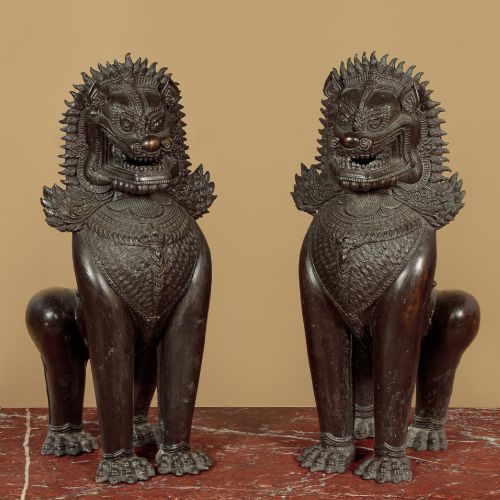
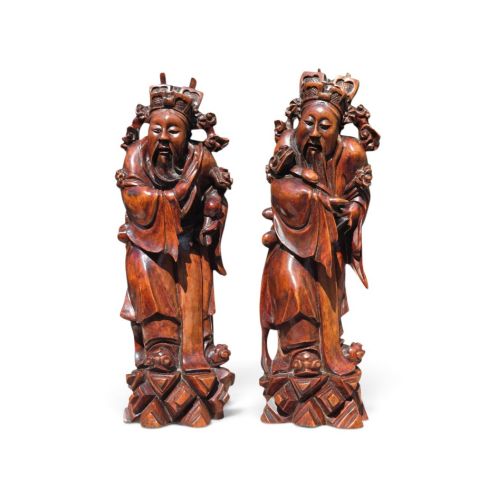
Austrian, Burmese, Yoruba, Indian, Russian and Tibetan pieces show up singly. One pair of Tibetan bronze temple lions is recorded at 35kg, the heaviest weight in the archive.
What sizes do pairs come in?
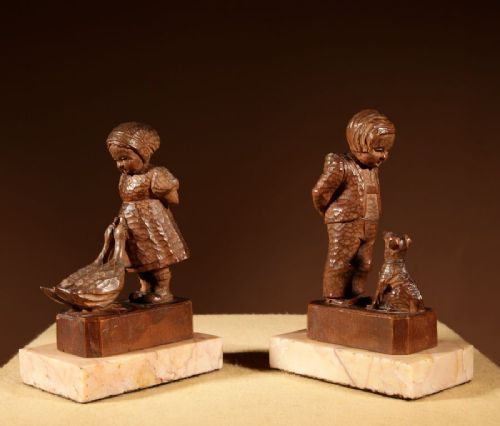
Desk scale at one end: figurines, bookends, small bronzes on marble bases.
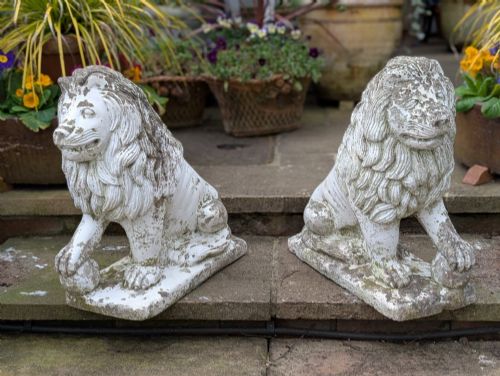
Garden and architectural scale at the other: gatepost lions, composite stone pier finials, life-size hounds, 5ft5in carved bishops. 'Large' turns up in about a tenth of titles.