

A 2026 Guide by Sellingantiques
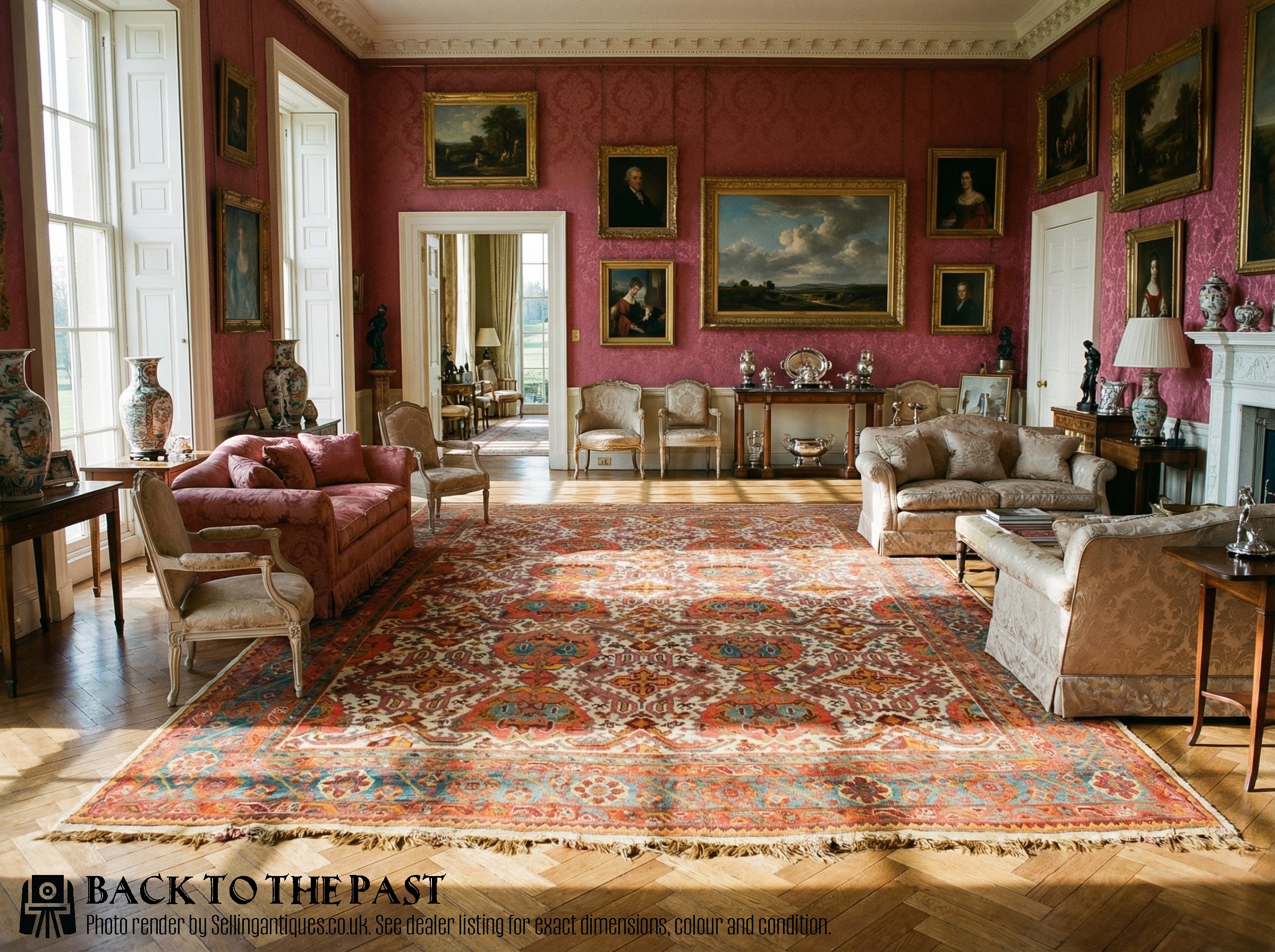
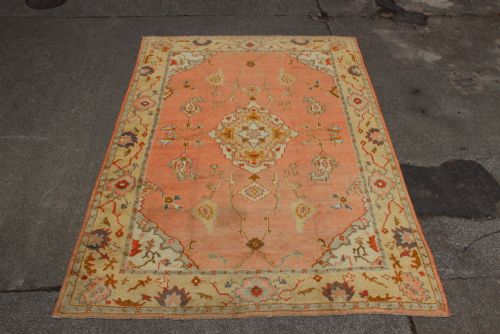
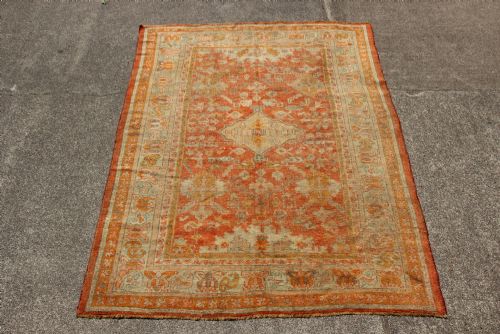
385 X 575cm Ivory Field Antique Oushak / Ushak Carpet, 1900
Priced at £19,000 from James Cohen Antique Carpets
Nomadic tribes wove the earliest antique carpets to sleep on. They needed heavy textiles to block the cold ground.
Trade routes brought Persian and Anatolian weaving to Europe by the sixteenth century. Merchants valued them highly as status symbols.
Look at old Dutch paintings. Wealthy buyers threw them over tables rather than walking on them.
Later centuries saw large workshops established to meet Western demand, shifting production from family tents to organised city looms.
Individual makers rarely signed their work. Dealers categorise these by region instead, naming them after towns like Tabriz or Heriz.
Oushak weavers in western Anatolia produced large-scale floral designs with softer palettes that proved popular with European buyers.
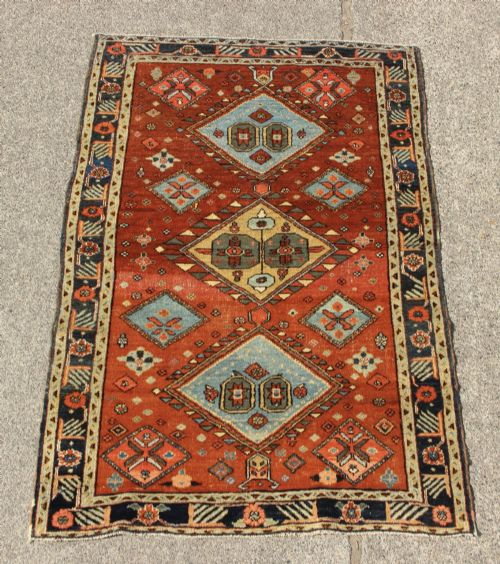
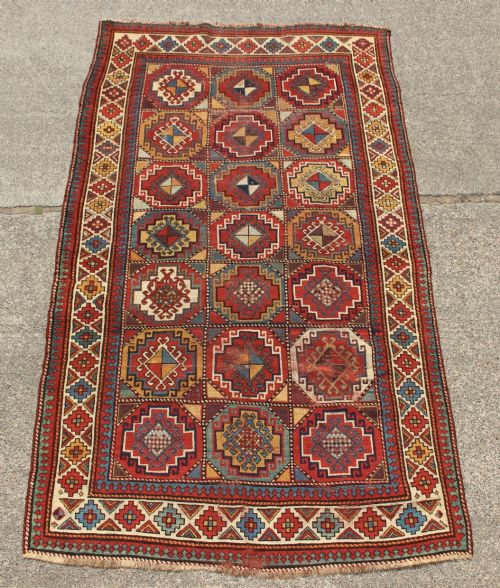
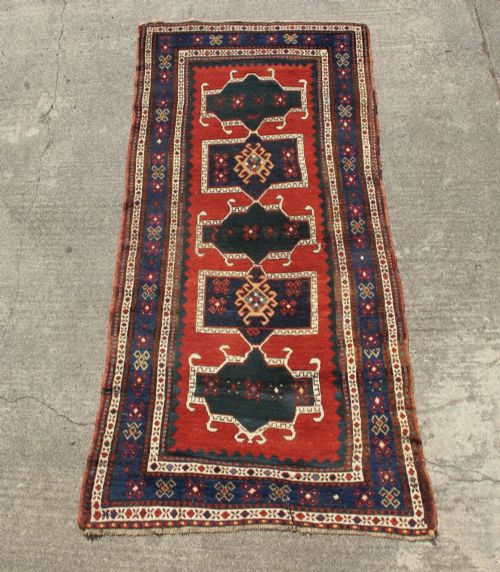
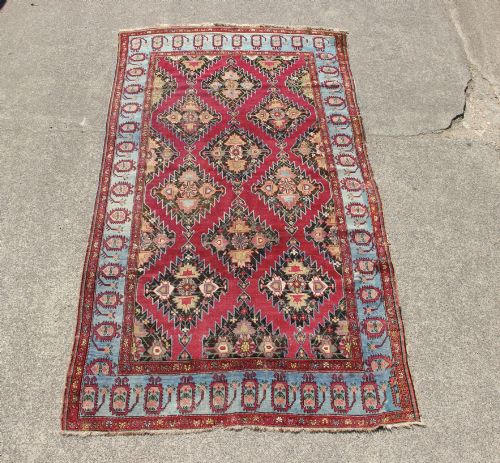
Consider the Caucasian village production. Small groups in the Caucasus mountains made bold geometric rugs using distinct local dye recipes.
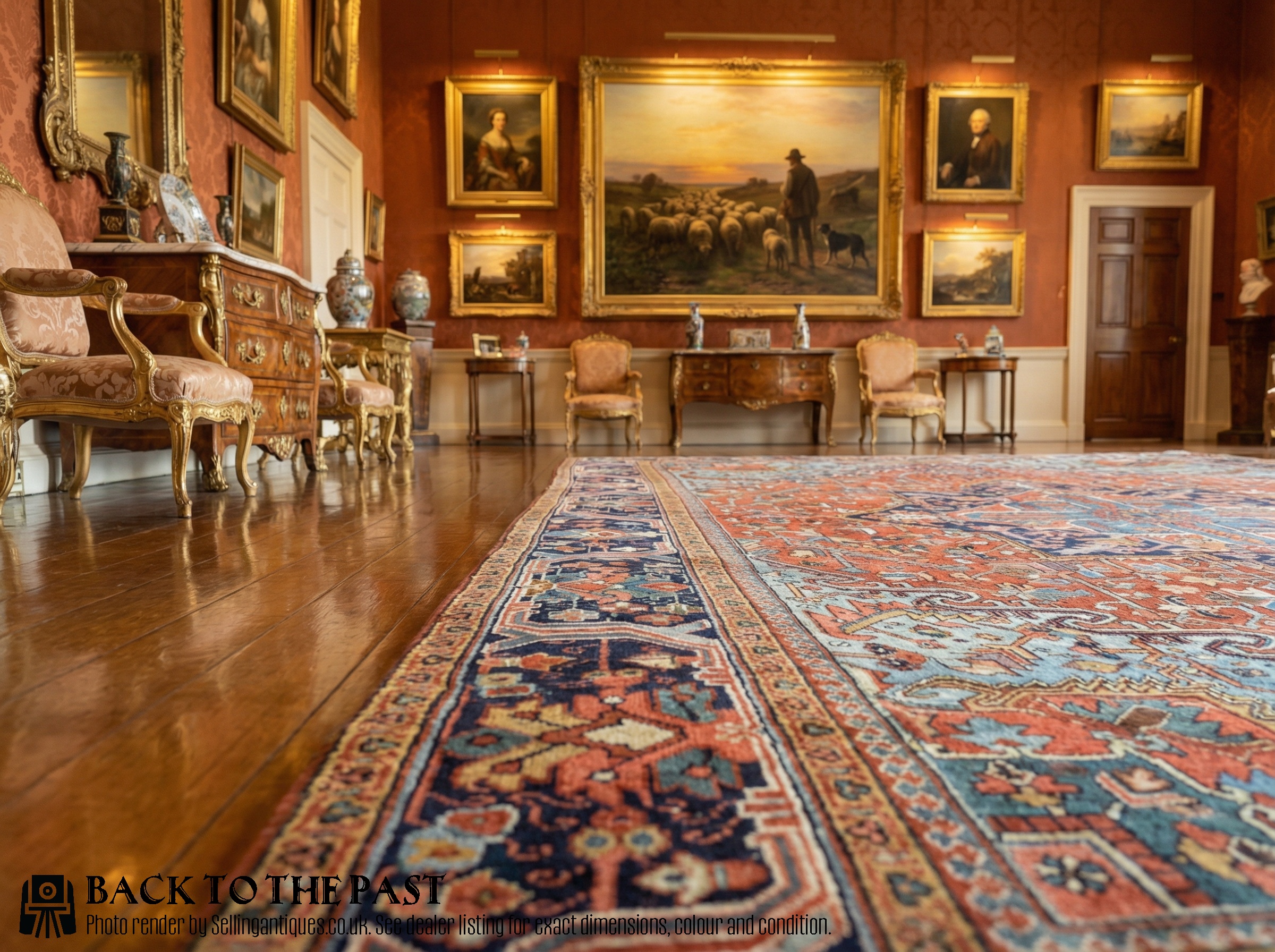
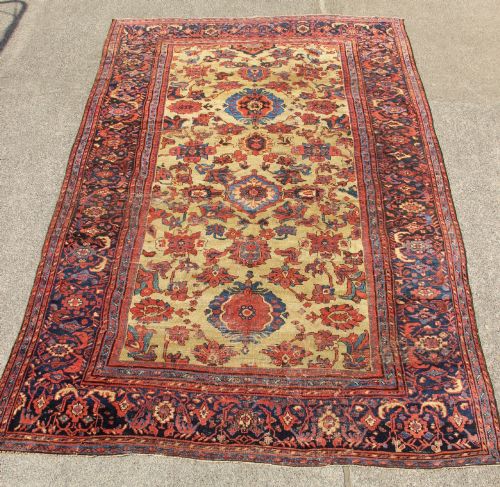
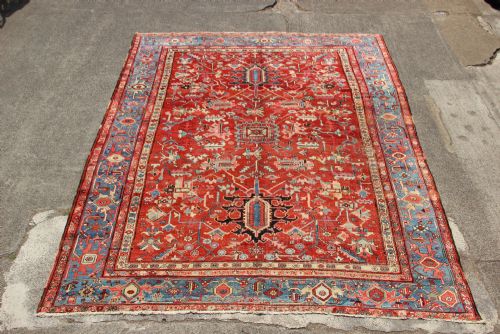
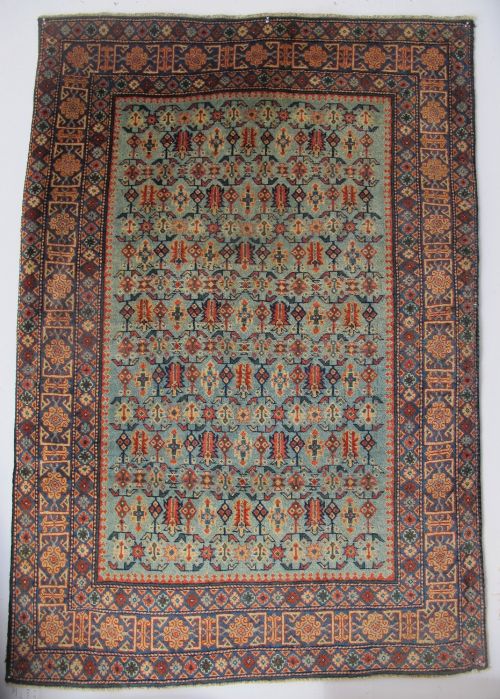
Antique Country House Heriz Carpet with Outstanding Colour, Circa 1900., 1900
Priced at £7,500 from Cotswold Oriental Rugs
The 2026 retail price guide for Antique Carpets is drawn from a proprietary archive of over 1.1 million retail prices indexed by Sellingantiques since 2003. This guide relies exclusively on their own internal data; no external sources or auction records are used.
Analysing nearly 25 years of UK antique market history alongside current retail values, the data indicates that typical UK retail prices for Antique Carpets range between £900 and £12,500. Entry-level prices generally fall under £900 and premium examples upwards of £12,500.
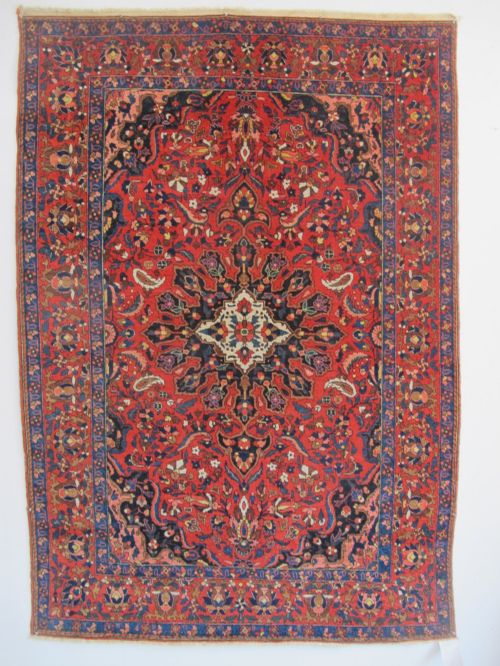
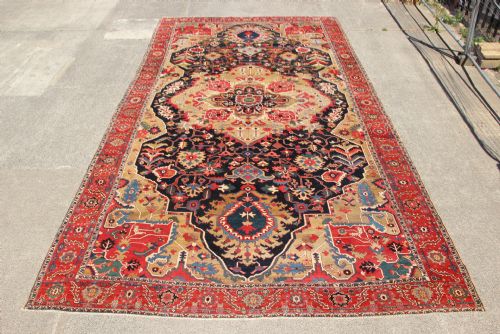
Central medallions anchor the design in many formal Persian carpets. A field of floral motifs usually surrounds them.
Geometric patterns point to tribal origins. You'll often see repeating polygons or stylised animal figures across the main field.
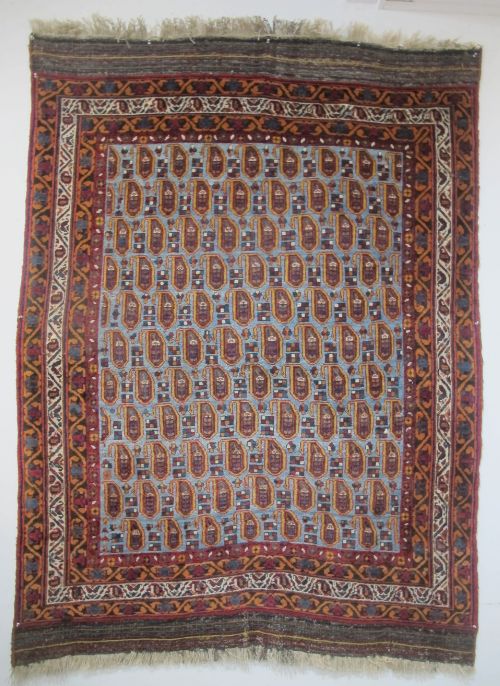
Most antique carpets have a border system. A wide main border sits between narrower guard stripes to frame the pattern.
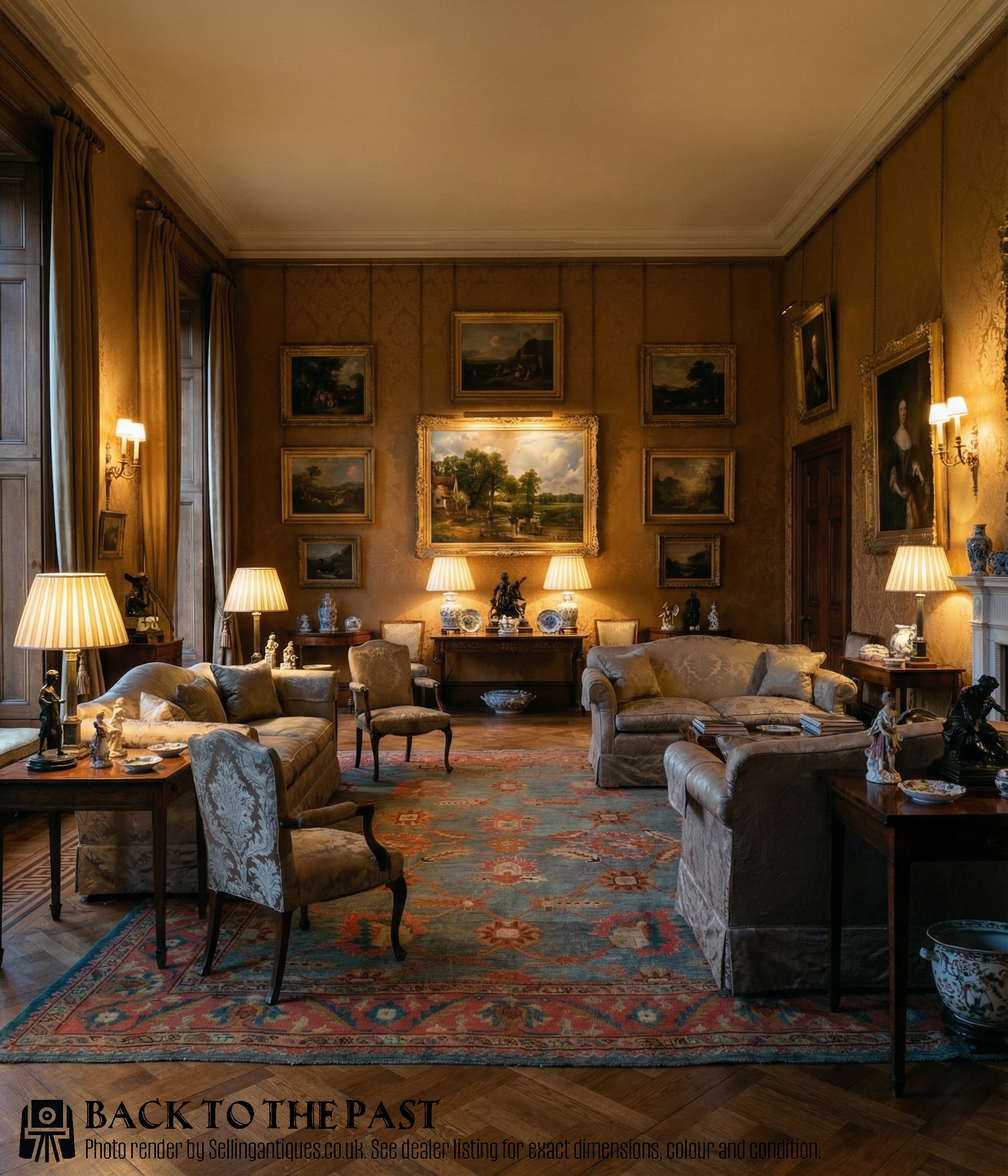
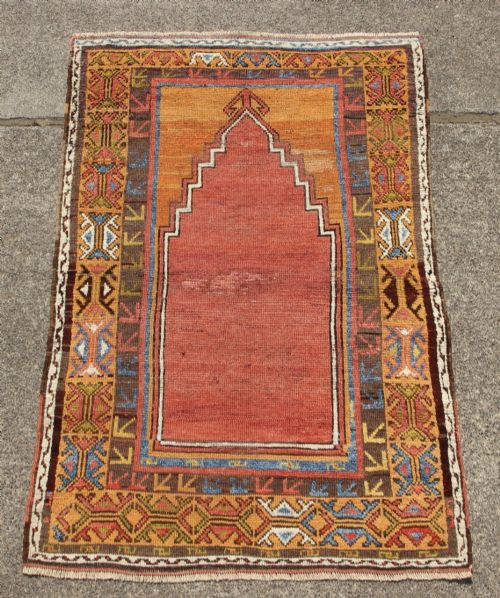
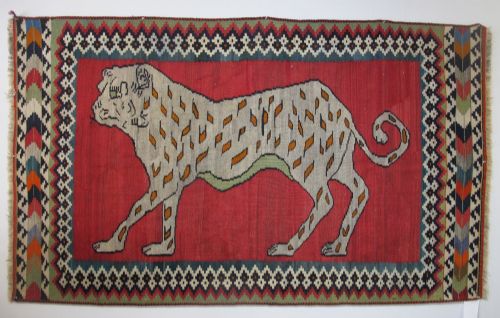
Antique Ushak Carpet, 1880
Priced at £60,000 from Farnham Antique Carpets
Hand-knotting takes immense time. A weaver ties every single tuft of yarn around two foundation threads before packing it down.
Symmetrical knots dominate Turkish weaving. The yarn wraps fully around two warp threads, making a tough and chunky pile.
Persian workshops favoured the asymmetrical knot. This technique allows for higher knot counts and finer curved lines in the drawing.
"Weavers often included deliberate mistakes in the pattern. Many believed only the divine could create something without flaws."
"Some tribal makers carried their looms on pack animals. They would weave a section, pack up camp, and continue later."
"The lanolin left in hand-spun wool naturally repels dirt. This oil content keeps an antique carpet looking clean longer."
Based on almost 25 years of Sellingantiques UK antique market data, Antique Carpets appeared 6341 times (out of 1,100,000 antiques) which gives it a rarity score of 28/100.
This score measures scarcity within the Sellingantiques archive only and is not a survey of the entire antiques market, so these statistics may not be indicative of the general availability of Antique Carpets elsewhere.
You can use a vacuum, but avoid the beater bar. The spinning brushes catch loose threads and chew up the fringe over time. Use the plain suction attachment instead.
Work across the width rather than along the length. This stops the suction from pulling at the warp threads and keeps the foundation stable.
Yes, you should secure the ends. The fringe is the structural foundation of the whole piece, not just decoration. When the fringe breaks off, the knots holding the pile start to slide away.
A specialist can stop the unravelling with an overcast stitch. They secure the remaining rows of knots to save the border pattern. This routine work extends the life of the carpet by decades.
A good pad is essential on hard floors. It stops the rug slipping when you walk on it.
It also absorbs the friction between the heavy furniture and the floorboards. This protects the wool knots from getting ground down from below.
Dealers call this abrash. It happens a lot in tribal or village weaving where makers dyed small batches of wool in local pots. When one batch ran out, the next lot of indigo or madder might come out a different shade.
This change is normal and adds character. The horizontal line shows exactly where a new week of weaving began.
Please note: This Antique Carpets guide and its associated pricing data are provided for general informational purposes only. It does not constitute formal financial, investment, or appraisal advice and should not be relied upon as the sole basis for any commercial activity, purchasing, or sales decisions. Sellingantiques.co.uk accepts no liability for any actions taken in reliance on this information. Always consult with a qualified professional or independent appraiser.
