

A 2026 Guide by Sellingantiques

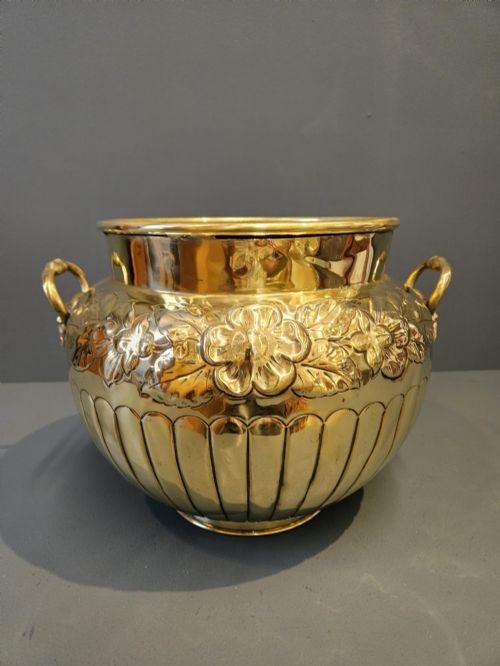
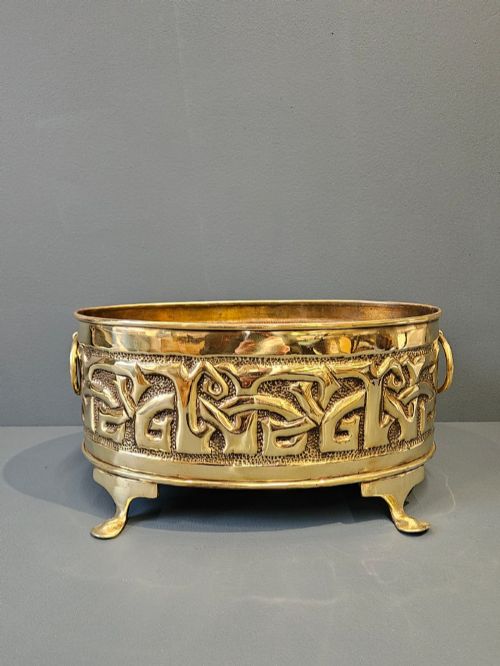
Unusual Antique Victorian Quality Copper Jardiniere, 1880
Priced at £425 from London City Antiques
French foundries led the trade during the late nineteenth century. They produced heavy cast pieces for grand provincial houses and Parisian apartments.
Conservatories became a staple of Victorian middle-class life. A brass antique metal jardiniere allowed these households to display exotic ferns indoors without ruining the floors.
Look for the shift from utilitarian buckets to decorative centrepieces around the 1870s. Industrial casting techniques meant elaborate classical motifs became affordable for the expanding merchant classes.
Dutch repoussé examples often copy earlier seventeenth-century forms. The market saw a strong revival of these hammered copper planters in the Edwardian period.
W.A.S. Benson produced Arts and Crafts copper planters in London, pairing smooth copper with riveted brass details.
Coalbrookdale cast some of the heaviest iron examples in Shropshire. They stamped their name and a diamond registration mark underneath the base.
The majority of provincial sheet brass antique metal jardinieres carry no mark. Small workshops supplied regional hardware merchants in batches.
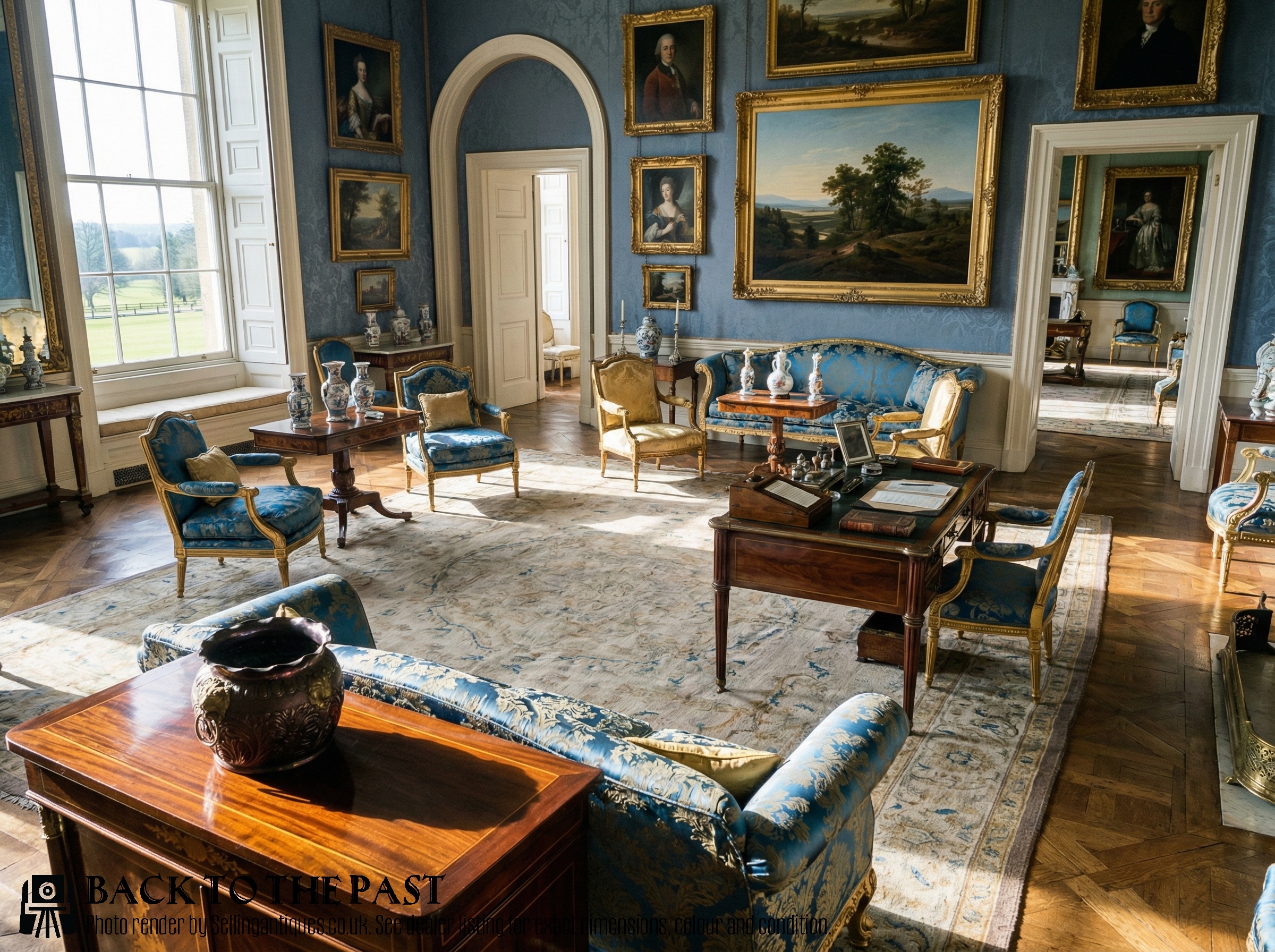
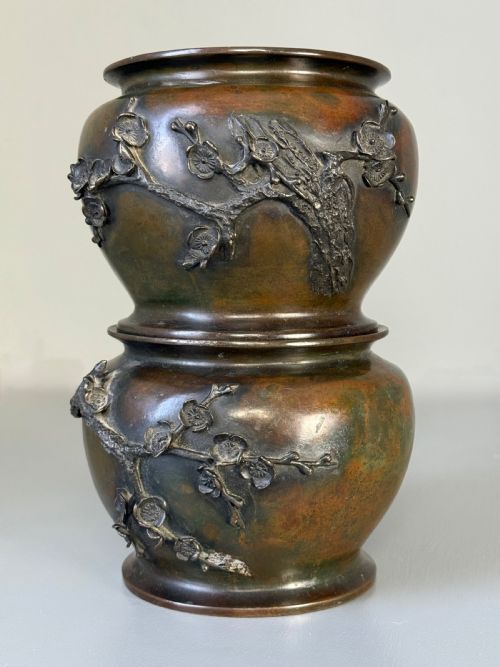
Antique Copper Jardiniere, 19th Century
Priced at £229 from Antique and Unique
The 2026 retail price guide for Antique Metal Jardinieres is drawn from a proprietary archive of over 1.1 million retail prices indexed by Sellingantiques since 2003. This guide relies exclusively on their own internal data; no external sources or auction records are used.
Analysing nearly 25 years of UK antique market history alongside current retail values, the data indicates that typical UK retail prices for Antique Metal Jardinieres range between £300 and £2,000. Entry-level prices generally fall under £300 and premium examples upwards of £2,000.
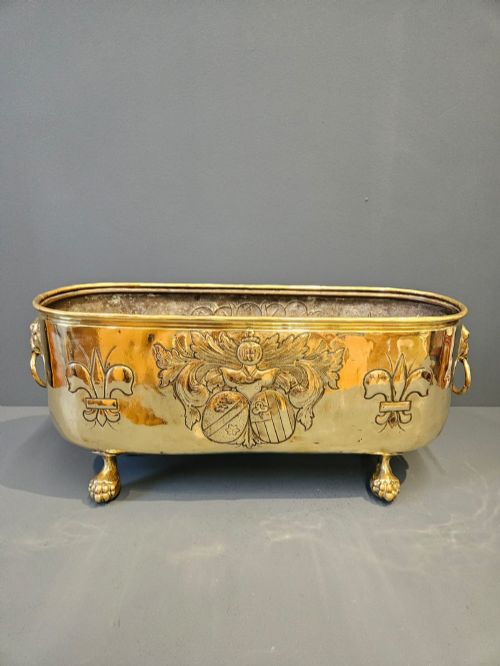
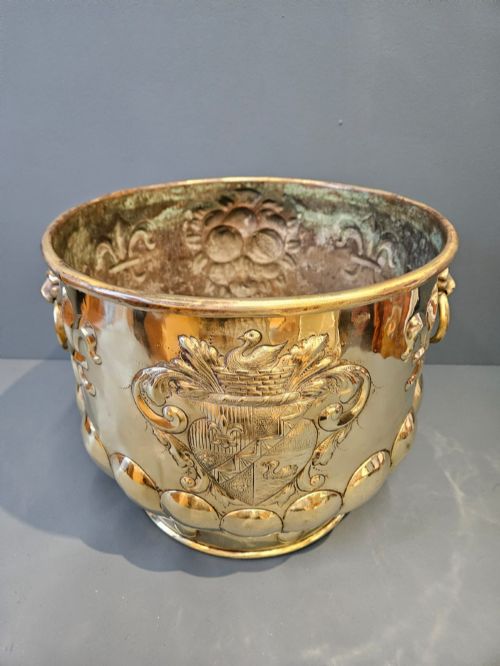
Lion mask ring handles are common on the heavier brass examples. They provided a secure grip when moving a waterlogged plant.
Check the base for a separate drip tray. Better quality cast iron planters featured these removable catchments to stop floors rotting.
Flared rims help disguise the plain terracotta pots sitting inside. The widening shape also catches loose soil during watering.
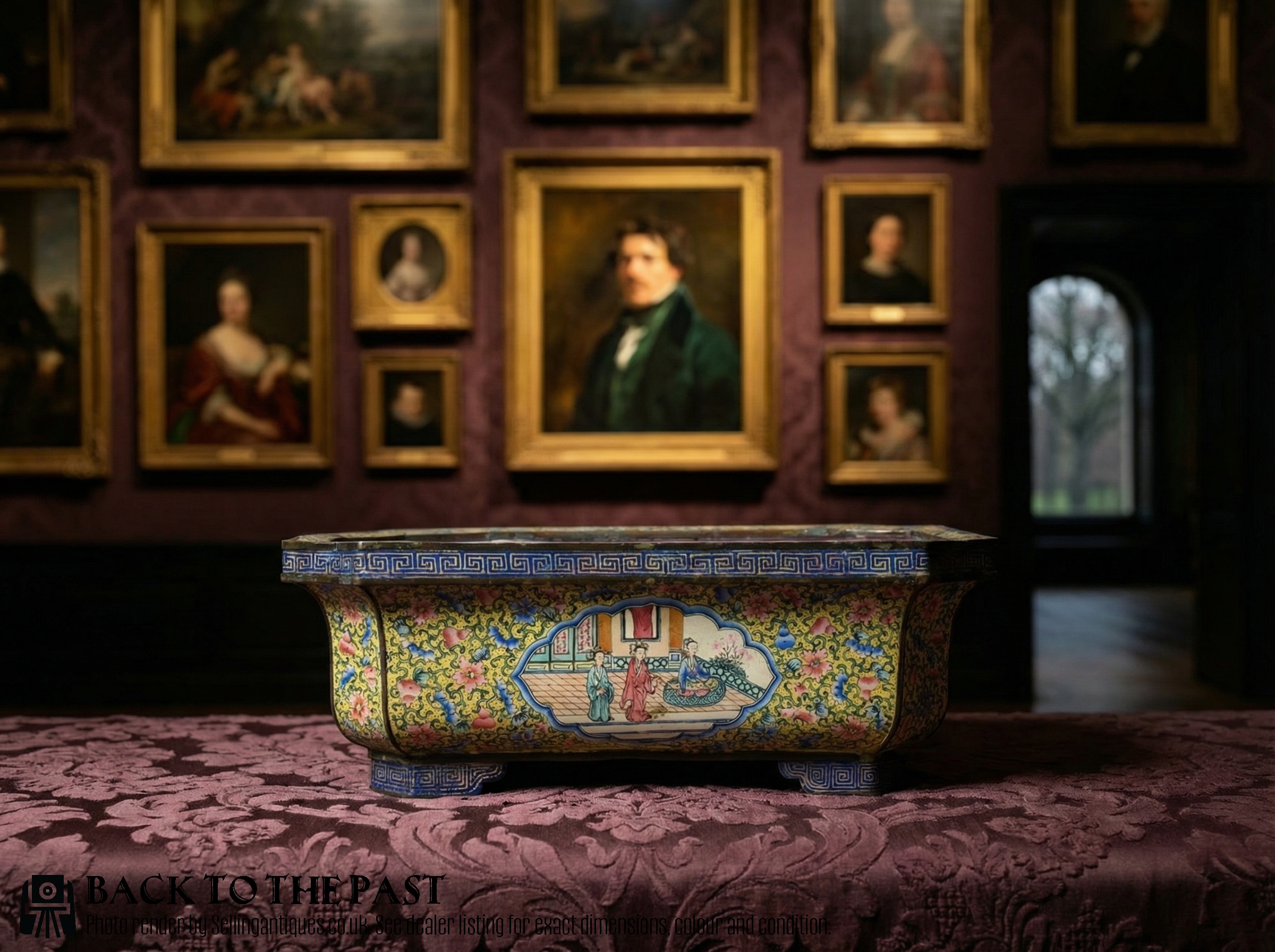
Qianlong Chinese Canton Enamel Jardinière, 18th Century
Priced at £2,650 from Baggott & Co.
Hand-beaten copper pieces show faint hammer marks across the surface. Planishing stiffened the metal while giving it a textured finish.
Turn a cast iron planter over to check the bolts. Early examples use crude hand-threaded square nuts to hold the base and sides together.
Machine pressing took over late in the nineteenth century. Factories stamped out thin brass sides in sections before soldering them into cylinders.
"Polishing was a weekly task for Victorian domestic staff. A bright brass surface reflected firelight and gas lamps, warming up dark corner spaces."
"Many heavy iron planters doubled as wine coolers during large parties. Ice and water sat safely inside the robust metal casings."
"Repurposed cooking pots often entered the domestic market. Enterprising dealers took obsolete copper preserving pans and added brass feet to sell them as parlour planters."
Based on almost 25 years of Sellingantiques UK antique market data, Antique Metal Jardinieres appeared 2680 times (out of 1,100,000 antiques) which gives it a rarity score of 59/100.
This score measures scarcity within the Sellingantiques archive only and is not a survey of the entire antiques market, so these statistics may not be indicative of the general availability of Antique Metal Jardinieres elsewhere.
Warm soapy water and a stiff brush will shift most dirt. Just avoid aggressive chemical cleaners.
Leave protective grey zinc liners unpolished. They don't need to shine.
A jeweller works on too small a scale. You'll need a metalsmith or a brass restorer who has the heavy soldering gear required for large wares.
The base has likely detached because of the weight of wet soil pressing down over the decades. A specialist will clean the old joint and braze it back into place.
It's rarely a good idea to fill an antique shell directly with soil. The damp earth sits against the metal and promotes rapid rust or oxidation.
Keep your plant in a standard plastic pot. Place a saucer at the bottom of the antique metal jardiniere, then set the pot inside. It'll catch the runoff and keep the metal dry.
That dull brown surface is decades of natural patination. Many buyers prefer this muted finish because it blends well with darker antique furniture.
Polishing it back to bright copper is a heavy physical job. If you like the mellow look, just give it a coat of microcrystalline wax to protect the metal.
Please note: This Antique Metal Jardinieres guide and its associated pricing data are provided for general informational purposes only. It does not constitute formal financial, investment, or appraisal advice and should not be relied upon as the sole basis for any commercial activity, purchasing, or sales decisions. Sellingantiques.co.uk accepts no liability for any actions taken in reliance on this information. Always consult with a qualified professional or independent appraiser.
