


A 2026 Guide by Sellingantiques
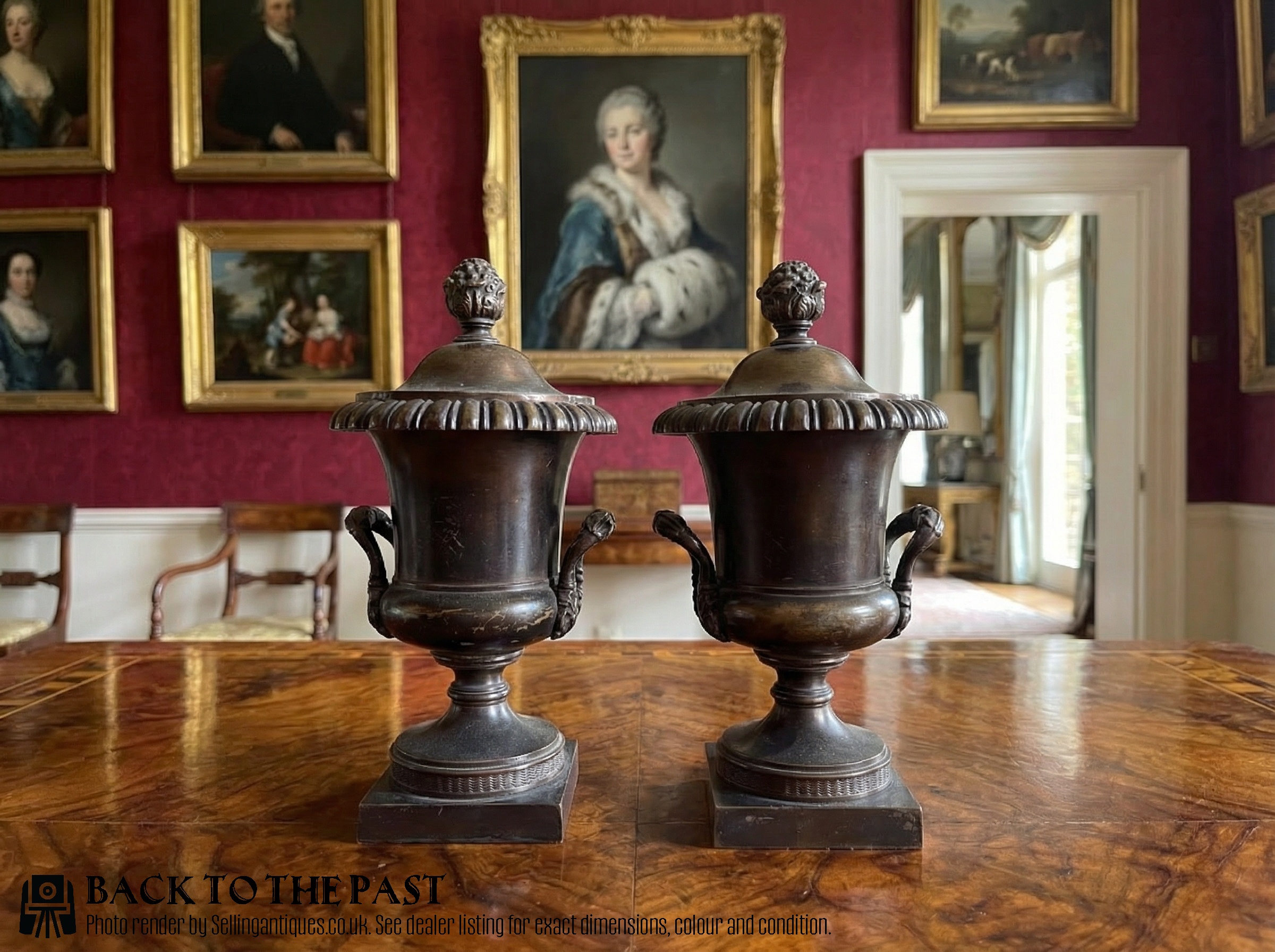
Pair of Early C19th Regency Period Bronze Cassolettes of Classical Campana-shaped Form ., Regency
Priced at £700 from M Lees and Sons
Bronze casting goes back millennia, though most pieces you find outside museum contexts are nineteenth-century or later.
Grand Tour travellers drove a massive demand for antique bronze replicas of classical statues during the eighteenth century, packing them into crates to display back in their country houses.
Foundries eventually scaled up production to supply middle-class homes.
Look at the shift. Foundries moved from casting functional items like mortars to producing decorative sculpture by the late Victorian period.
Asian antique bronze traditions evolved separately, focusing heavily on incense burners and ritual vessels.
Ferdinand Barbedienne operated a massive Paris foundry in the nineteenth century.
Susse Frères is another major French name. Their mark appears frequently on late nineteenth and early twentieth-century animalier bronzes cast from the original sculptor models.
English makers like Elkington often focused on electrotyping, though they cast traditional bronze items too.
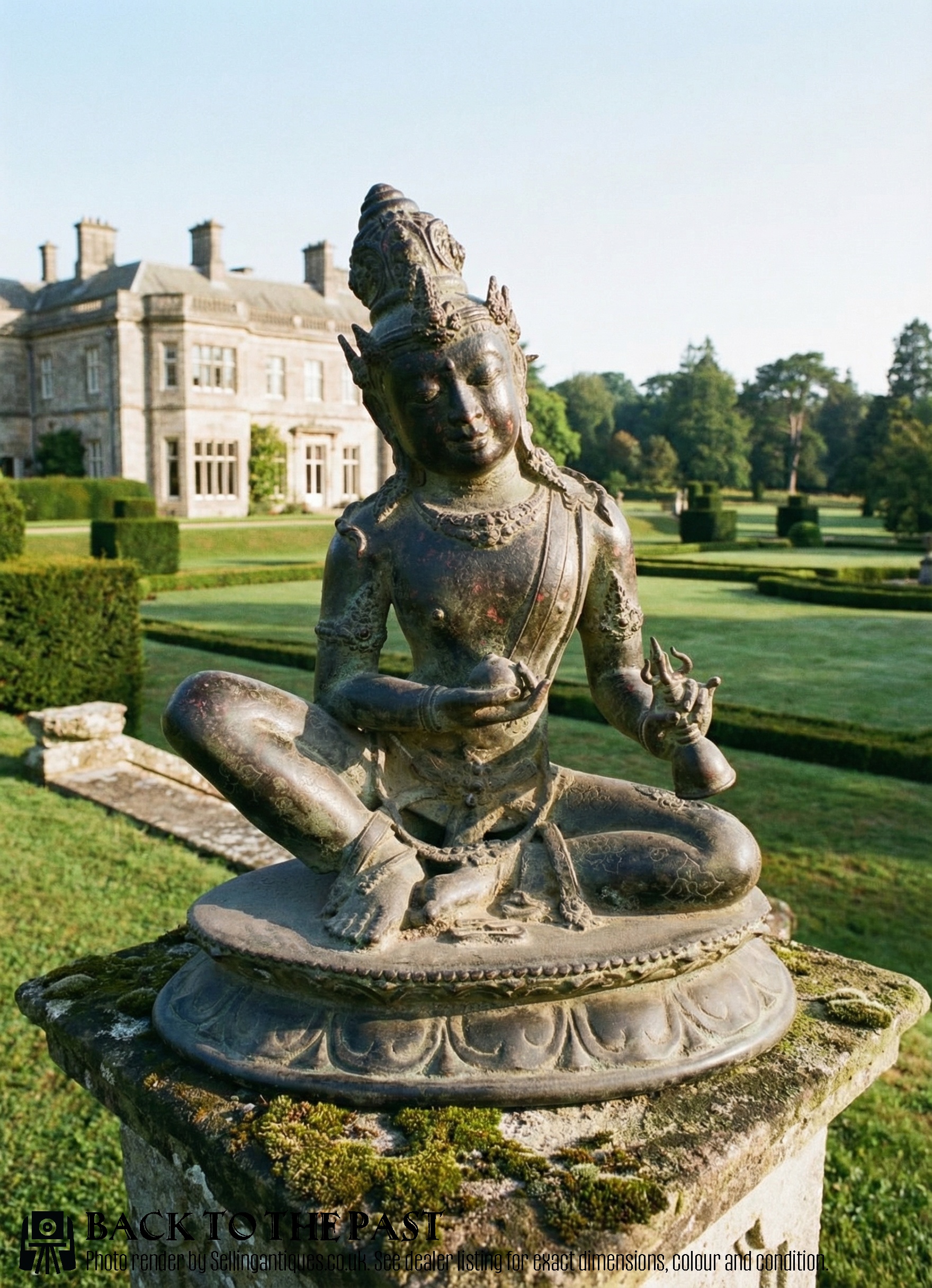
Temple Bronze Bodhisattwa Avalokitesvara Lokesvara. Central Java,late 16th Century., 16th Century
Priced at £3,800 from Country House and Eastern Interiors
The 2026 retail price guide for Antique Bronze is drawn from a proprietary archive of over 1.1 million retail prices indexed by Sellingantiques since 2003. This guide relies exclusively on their own internal data; no external sources or auction records are used.
Analysing nearly 25 years of UK antique market history alongside current retail values, the data indicates that typical UK retail prices for Antique Bronze range between £600 and £4,500. Entry-level prices generally fall under £600 and premium examples upwards of £4,500.
Heavy weight. You'll feel the density immediately when lifting genuine antique bronze.
Crisp tooling on the surface details sets good casts apart. Founders hand-finished the metal after casting to sharpen facial features, hair textures, and drapery folds.
Look for foundry marks stamped into the base edge to help identify the origin.
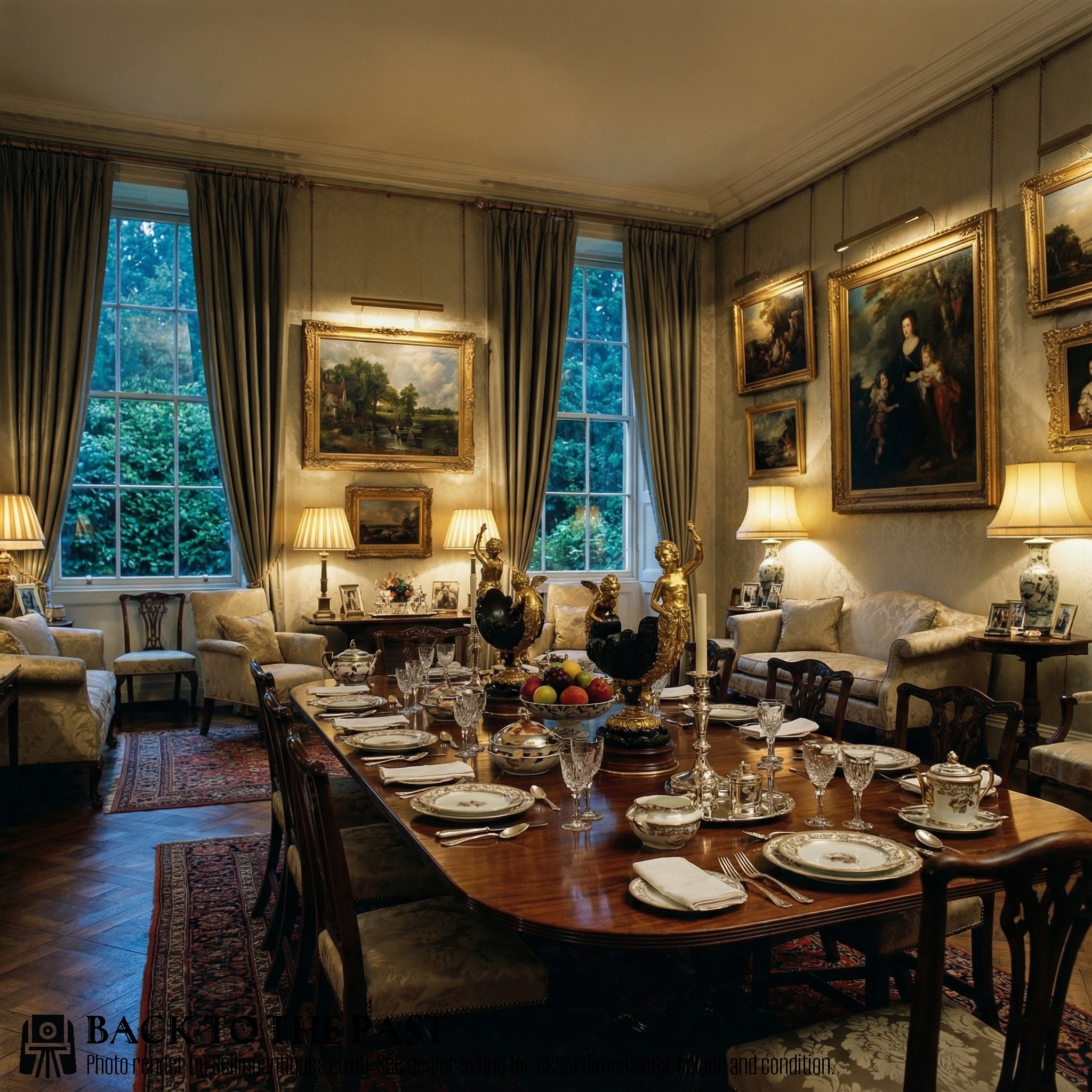
Pair of French Ormolu & Bronze Centrepieces, 1880
Priced at £3,650 from Tim Saltwell Antiques
Early pieces were cast solid. Later foundries mastered complex hollow casting.
Jointing multi-part figures required serious skill. Separate arms and weapons were cast individually and then secured into the main torso using mechanical sleeve joints or discrete metal pinning.
Nineteenth-century advancements in chemical patination gave founders a wider palette. They applied acids with heat.
"Bronze has natural antimicrobial properties. The high copper content actively neutralises bacteria on the surface of handled functional items."
"Foundries frequently recycled old metal. Melted down cannons and obsolete copper coins were routinely thrown into the vat to cast new antique bronze objects, keeping material costs down."
"Many famous sculptors relied heavily on skilled patineurs to finish their work."
Based on almost 25 years of Sellingantiques UK antique market data, Antique Bronze appeared 26552 times (out of 1,100,000 antiques) which gives it a rarity score of 1/100.
This score measures scarcity within the Sellingantiques archive only and is not a survey of the entire antiques market, so these statistics may not be indicative of the general availability of Antique Bronze elsewhere.
Dust it lightly with a soft bristle brush. You want to dislodge loose dirt from the deep crevices without scratching the surface.
If the metal looks very dry, apply a tiny amount of microcrystalline wax. Buff it gently with a soft cloth once dry. Do not use chemical metal polishes, as they strip the original patina.
Lift from the heaviest part of the bronze, usually the lower torso or legs. Never pick a figure up by an outstretched arm or a weapon, as these are often pinned joints that can snap.
Wrap the marble or slate base separately if it unbolts easily. If it doesn't, cushion the base with dense foam. Plinths chip very easily when set down hard on concrete floors or moving ramps.
Marks usually appear as small stamps on the base edge. They often feature the foundry name in capital letters.
Not all antique bronzes carry them. Many smaller workshops sold unmarked casts directly to retailers.
Green patches are often just harmless verdigris caused by dampness. It sits on the surface and washes off easily.
True bronze disease is different. It looks like a bright green, powdery outbreak that pits the metal. It thrives in high humidity and is a destructive chemical reaction involving chlorides. Keep the item in a dry room to halt the process.
Please note: This Antique Bronze guide and its associated pricing data are provided for general informational purposes only. It does not constitute formal financial, investment, or appraisal advice and should not be relied upon as the sole basis for any commercial activity, purchasing, or sales decisions. Sellingantiques.co.uk accepts no liability for any actions taken in reliance on this information. Always consult with a qualified professional or independent appraiser.
