


A 2026 Guide by Sellingantiques
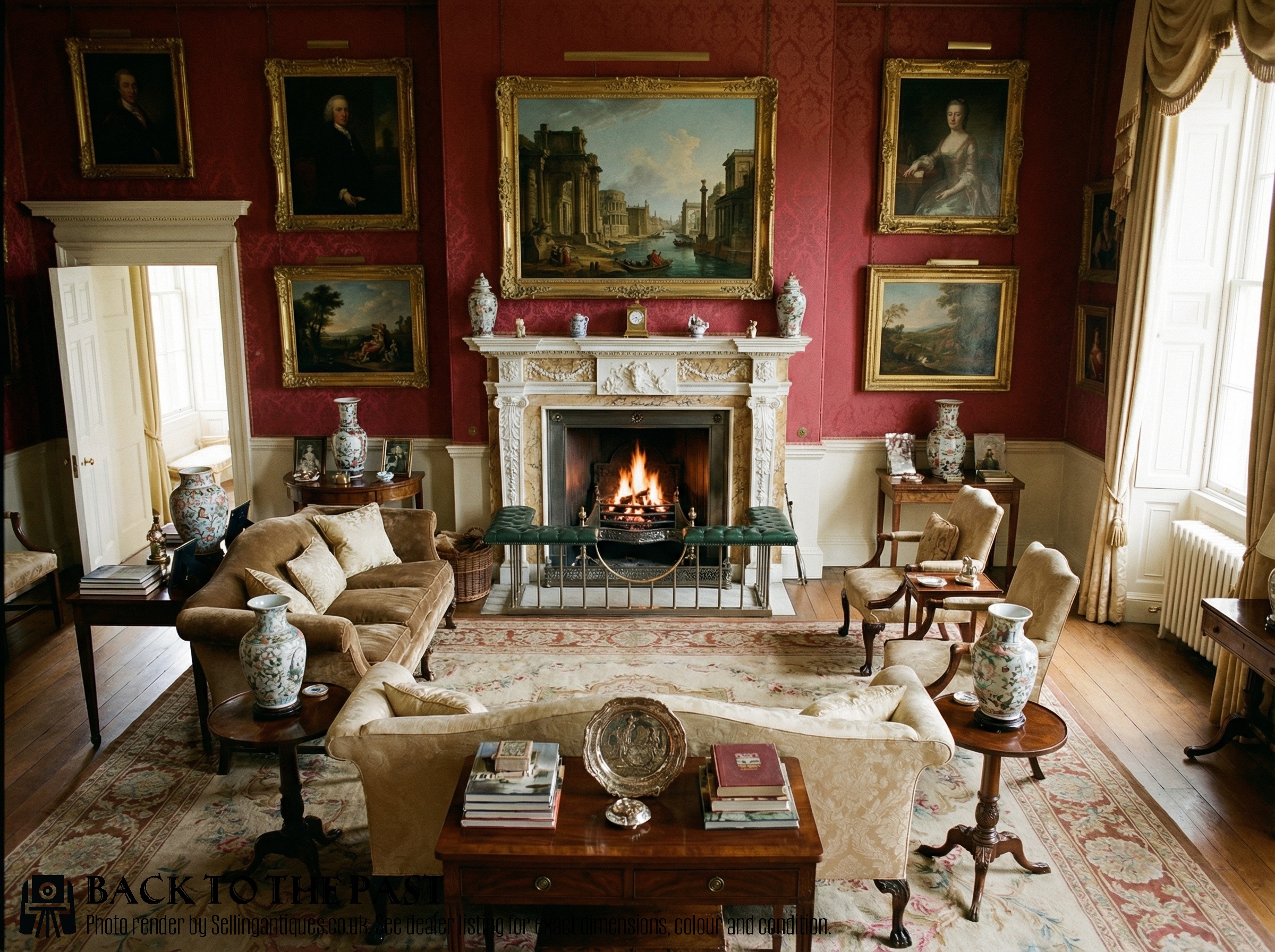
Country House Club Fender with Green Leather, 1940
Priced at £2,200 from A Brookes
Before the Georgian era, most hearths just had a simple stone kerb or nothing at all.
A growing middle class wanted cleaner rooms. These low metal boundaries stopped ash and hot coals ruining expensive rugs.
Look closely at Victorian antique fenders. They grew much taller and often incorporated seating pads.
Central heating made them largely obsolete by the mid-twentieth century.
Changing grate sizes dictated the width of antique fenders over the decades, shrinking as coal baskets became narrower.
Identifying individual makers of antique fenders is rarely straightforward. Most were turned out by anonymous regional foundries across the Midlands.
Coalbrookdale produced many highly detailed cast iron examples during the nineteenth century.
You occasionally find stamped registration numbers. These point back to specific designs registered in Sheffield or Birmingham rather than the craftsman.

Wrought Iron Nursery Fender, 19th Century
Priced at £485 from Baggott & Co.
The 2026 retail price guide for Antique Fenders is drawn from a proprietary archive of over 1.1 million retail prices indexed by Sellingantiques since 2003. This guide relies exclusively on their own internal data; no external sources or auction records are used.
Analysing nearly 25 years of UK antique market history alongside current retail values, the data indicates that typical UK retail prices for Antique Fenders range between £300 and £1,700. Entry-level prices generally fall under £300 and premium examples upwards of £1,700.
Pierced fretwork allows heat to radiate into the room while holding back the messy ash.
Heavy moulded bases stop these structures sliding across the hearthstone when knocked by a broom or a boot.
Look for raised supports at either end. Fire irons drop neatly into these handy tool rests.
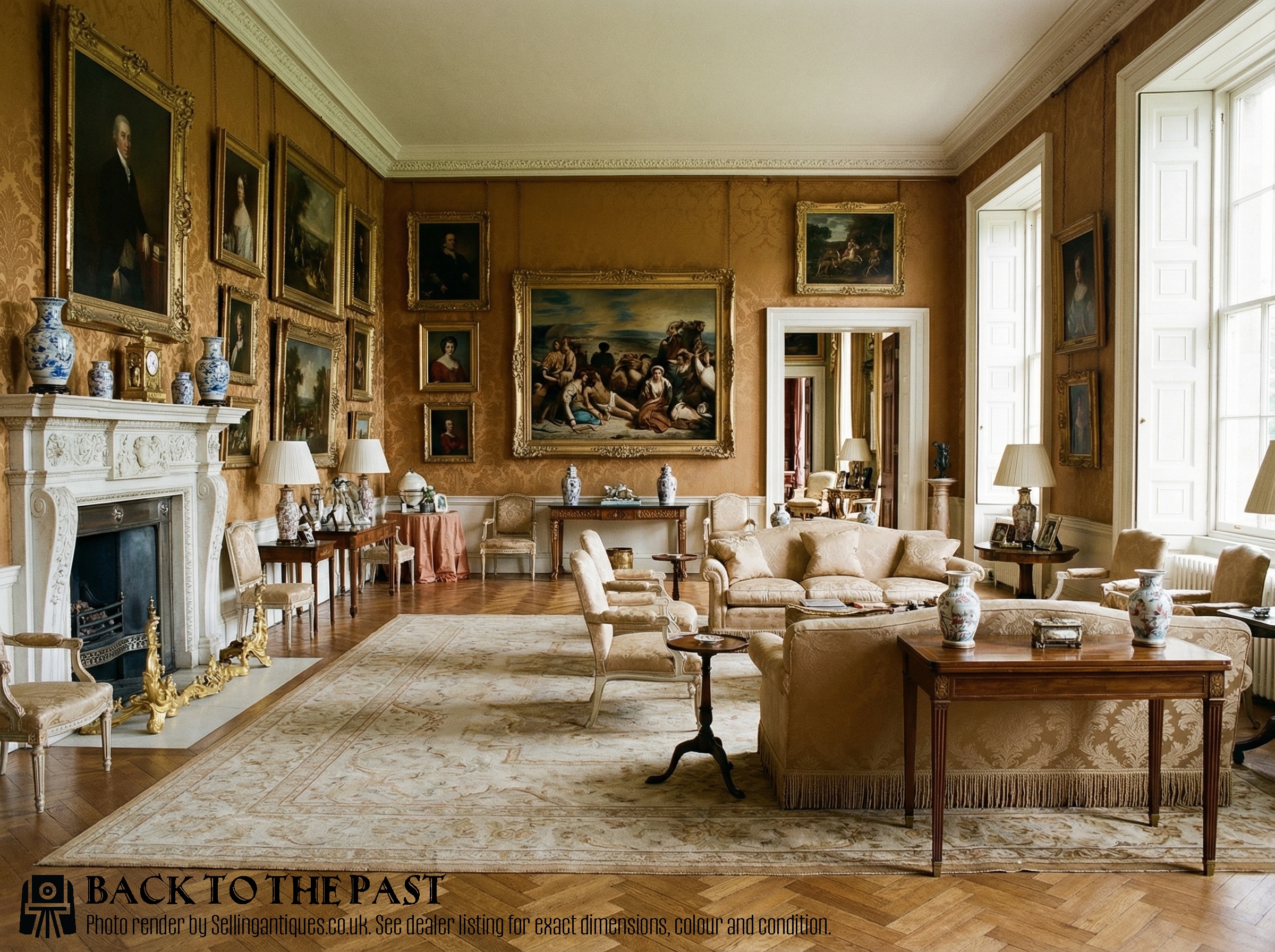
Antique Pair of 19th Century Ormolu Gilt Bronze Rococo Fender
Chenets of Fireside Fire Guard Surround Adjustable Fender Form C.1860, 19th Century
Priced at £750 from CJ Antiques
Early examples rely on heavy rolled sheet brass hammered over an iron core.
Rivets hold the front and sides together on older antique fenders.
Sand casting changed the trade. Foundries poured molten iron into moulds to create those elaborate scrollwork borders.
"Some extendable designs slide open in the middle. They adapt to fit different widths of hearth."
"Polished steel reflects firelight back into a dark room. This added a welcome glow on winter evenings."
"Nursery variations feature a much higher wire mesh screen. They kept crawling toddlers safely away from the flames."
Based on almost 25 years of Sellingantiques UK antique market data, Antique Fenders appeared 2387 times (out of 1,100,000 antiques) which gives it a rarity score of 62/100.
This score measures scarcity within the Sellingantiques archive only and is not a survey of the entire antiques market, so these statistics may not be indicative of the general availability of Antique Fenders elsewhere.
Brasso and a soft cloth work fine for most pieces. Apply a thin coat and let it haze over before buffing it off.
Fine wire wool helps lift stubborn marks. Go gently to avoid scratching the surface.
Cast iron cannot be resized easily. Cutting the metal destroys the structural integrity and ruins the moulded corners.
Sheet brass models offer a bit more flexibility. A skilled metalworker can sometimes shorten the straight middle section and rivet it back together.
It makes more sense to find one that fits. The trade produced antique fenders in endless sizes, so a close match usually turns up.
Dealers call those side sections the returns.
They frame the hearth and angle back to the wall.
Traditional upholsterers handle club fenders all the time. The padded corner seats unscrew from the metal bases.
They rebuild the horsehair stuffing and stretch new leather over the wooden seat boards.
The metal frame stays untouched while the top pads get restored.
Please note: This Antique Fenders guide and its associated pricing data are provided for general informational purposes only. It does not constitute formal financial, investment, or appraisal advice and should not be relied upon as the sole basis for any commercial activity, purchasing, or sales decisions. Sellingantiques.co.uk accepts no liability for any actions taken in reliance on this information. Always consult with a qualified professional or independent appraiser.
