




A 2026 Guide by Sellingantiques
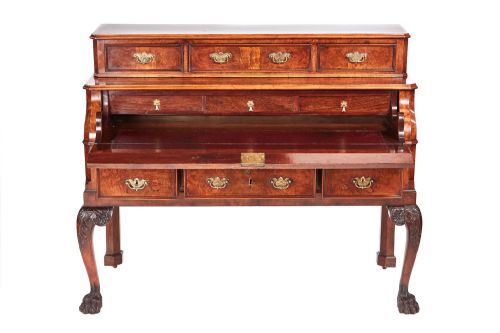
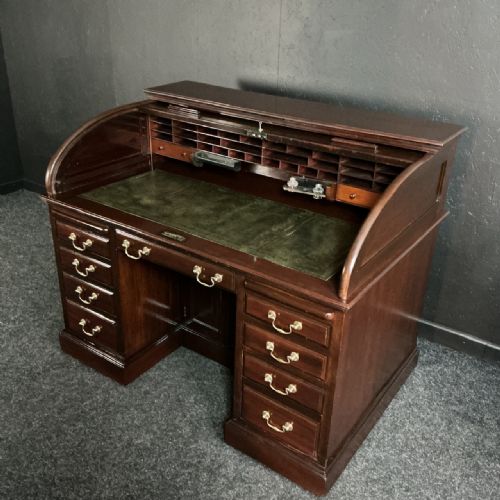
Mahogany Inlaid Cylinder Desk, 1910
Priced at £2,750 from Shackladys Antiques
France pioneered the form during the mid-eighteenth century. Royal commissions drove the early development of these complex mechanisms.
Pulling the writing slide on early antique cylinder desks often triggers the roll to open automatically.
English workshops adopted the shape slightly later. Georgian examples usually feature simpler mechanical linkages than continental pieces.
Look for late nineteenth-century versions scaled down for drawing rooms.
Jean-François Oeben began the famous Bureau du Roi in the 1760s. Jean Henri Riesener finished it.
Roentgen built highly complex antique cylinder desks. They feature sophisticated mechanical compartments.
Look closely at Regency period solid mahogany examples. Gillows of Lancaster produced several variations.
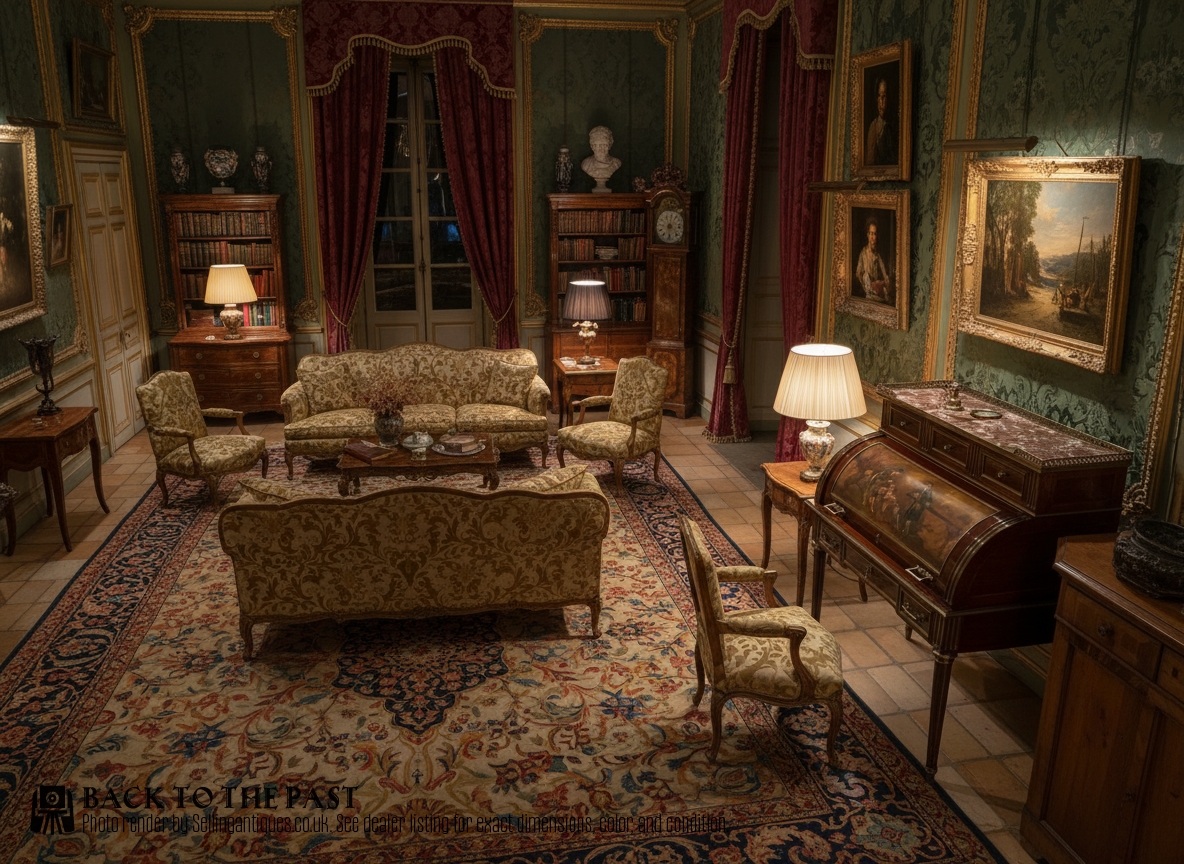
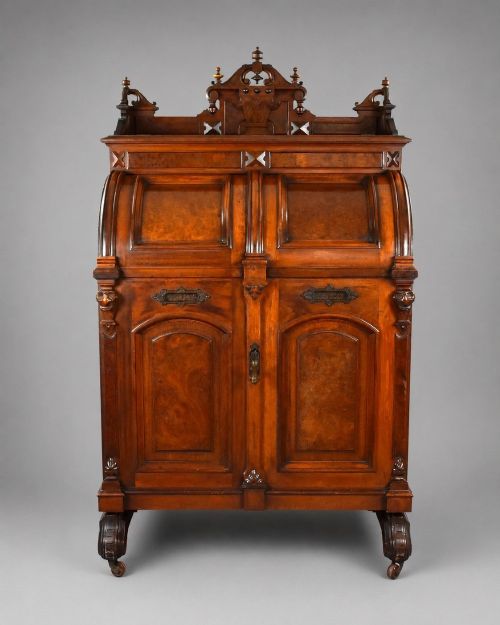
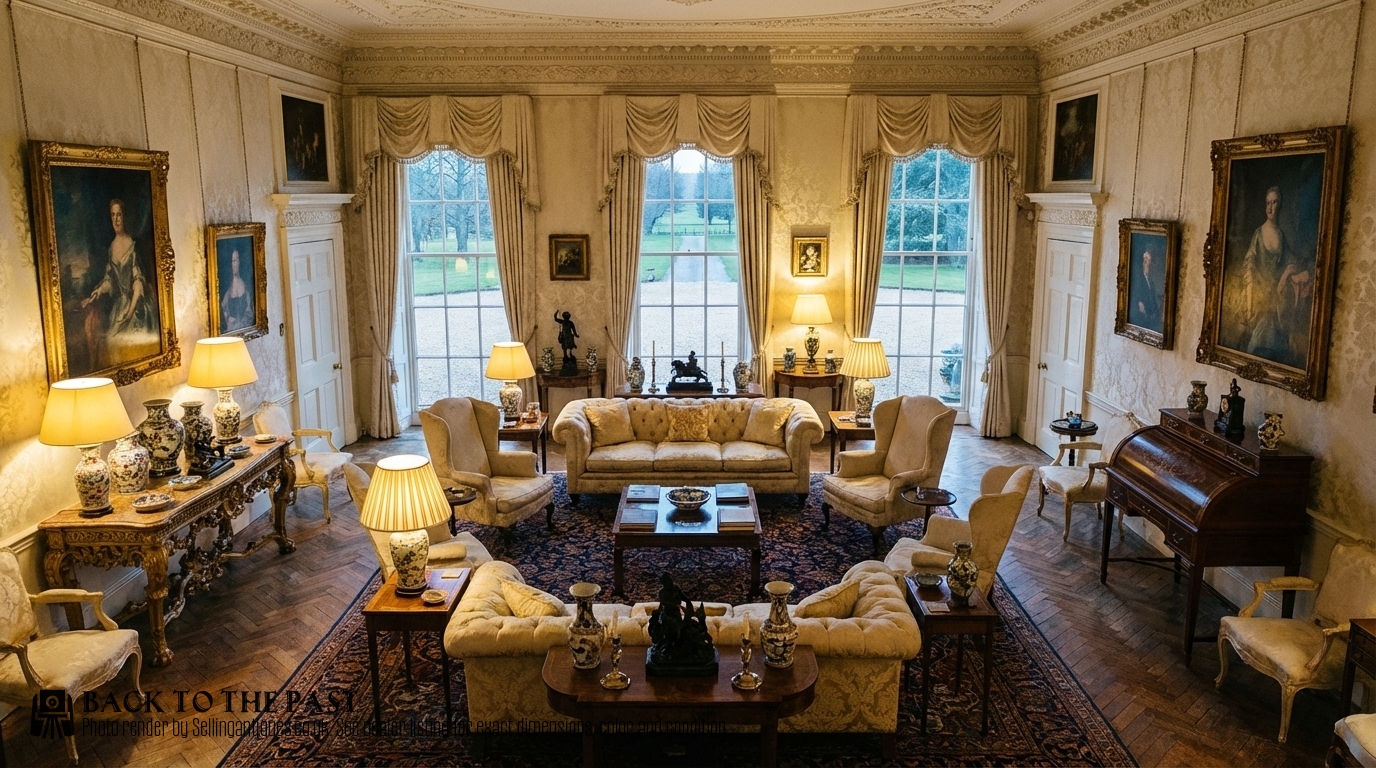
French Louis Xv Style Cylinder Escritoire, 1900
Priced at £795 from Jane Short Antiques
The 2026 retail price guide for Antique Cylinder Desks is drawn from a proprietary archive of over 1.1 million retail prices indexed by Sellingantiques since 2003. This guide relies exclusively on their own internal data; no external sources or auction records are used.
Analysing nearly 25 years of UK antique market history alongside current retail values, the data indicates that typical UK retail prices for Antique Cylinder Desks range between £1,000 and £5,200. Entry-level prices generally fall under £1,000 and premium examples upwards of £5,200.
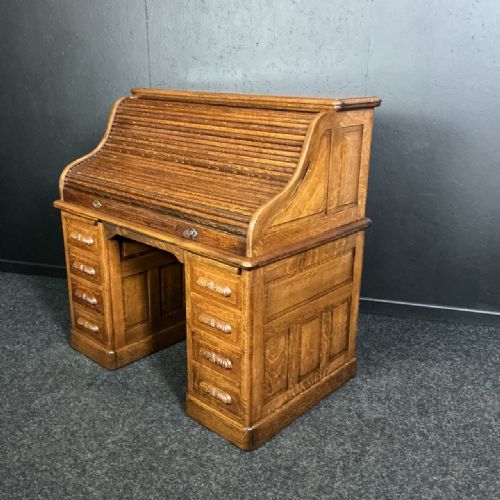
The quarter-round sliding cover defines the form. This employs either solid shaped timber or a flexible slatted tambour.
Expect pull-out writing surfaces. These often come lined with tooled leather or plain green baize.
Banks of small pigeonholes flanked by shallow drawers fill the fitted interior.
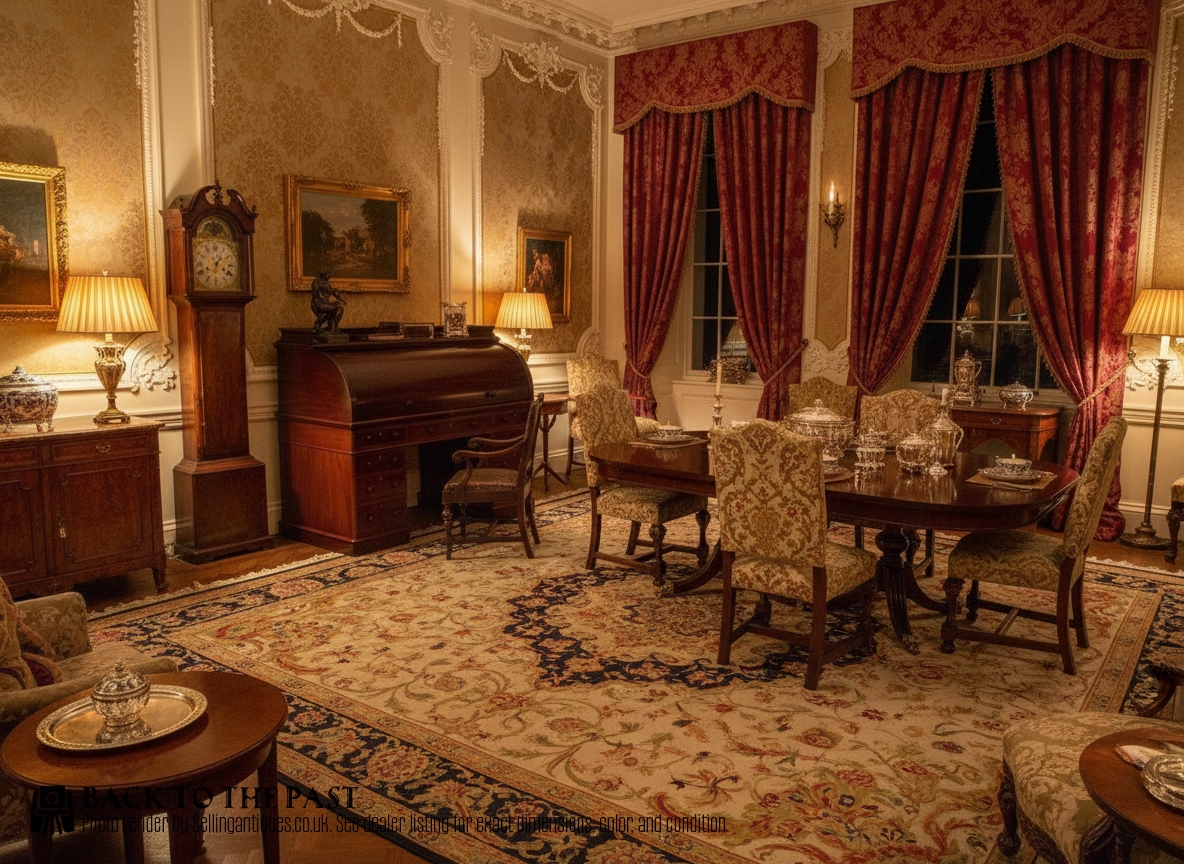
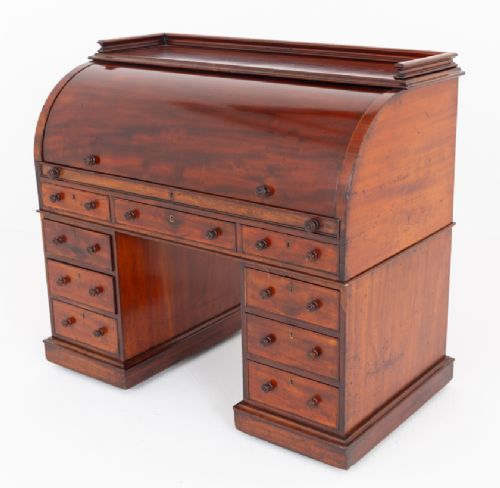
A Very Impressive and Large 19th Century Cylinder Desk, Victorian
Priced at £1,800 from Wickersley Antiques
Shaping a solid timber cylinder requires carving a thick mahogany plank into a precise curve. This prevents jamming in the side tracks.
Tambour rolls demand clamping dozens of identical slats tightly together. Makers apply the canvas layer only after securing the wood.
Check the small interior drawers. Hand-cut dovetails hold the delicate carcases together.
"Some designs include hidden button releases. These spring open secret drawers behind the central compartments."
"The flat top surface often served as a display stand for heavy clocks or bronzes."
"Many sit on polished back panels. They were built as freestanding pieces meant for the centre of a room."
Based on almost 25 years of Sellingantiques UK antique market data, Antique Cylinder Desks appeared 673 times (out of 1,100,000 antiques) which gives it a rarity score of 87/100.
This score measures scarcity within the Sellingantiques archive only and is not a survey of the entire antiques market, so these statistics may not be indicative of the general availability of Antique Cylinder Desks elsewhere.
Dust the slats with a dry cloth.
Avoid liquid cleaners. Moisture weakens the canvas adhesive.
First check the side channels for accumulated dirt or hardened old wax. A wooden cocktail stick helps clear the grooves gently.
Rubbing a simple beeswax block along the running edge of the roll often eases the friction. Never use silicone sprays or modern oil lubricants on wooden antique mechanisms.
Skiver leather remains the traditional choice. It is a thin top grain sheepskin that glides smoothly under a pen.
Tooling the borders in gold leaf or blind stamping adds a finished edge. The thin skin prevents the slide from catching when pushed back into the carcase.
Small interior drawers sometimes warp slightly out of square over decades of use. The tolerances were tight when they were made.
Try removing the adjacent drawers to feel for obstructions behind the carcase. Often a dropped letter or paperclip wedges behind the back panel.
Please note: This Antique Cylinder Desks guide and its associated pricing data are provided for general informational purposes only. It does not constitute formal financial, investment, or appraisal advice and should not be relied upon as the sole basis for any commercial activity, purchasing, or sales decisions. Sellingantiques.co.uk accepts no liability for any actions taken in reliance on this information. Always consult with a qualified professional or independent appraiser.
