

A 2026 Guide by Sellingantiques

Rosewood Inlaid Bureau De Dame, 19th Century
Priced at £2,095 from Shackladys Antiques
Eighteenth-century France saw the initial development of the antique bureau de dame.
Wealthy households required smaller furniture for private apartments rather than grand state rooms.
Letter writing became a daily social requirement for women of status during this period.
Look at the back of early examples, as they were often finished to stand in the centre of a room rather than against a wall.
Production expanded widely across Europe throughout the nineteenth century as the rising middle classes adopted these forms.
Jean-Henri Riesener produced some highly sophisticated examples during the late eighteenth century.
Nineteenth-century Parisian makers like François Linke built high-quality revivals of earlier forms using traditional techniques.
Provincial workshops across France made simpler variations in solid cherry or walnut for local markets.
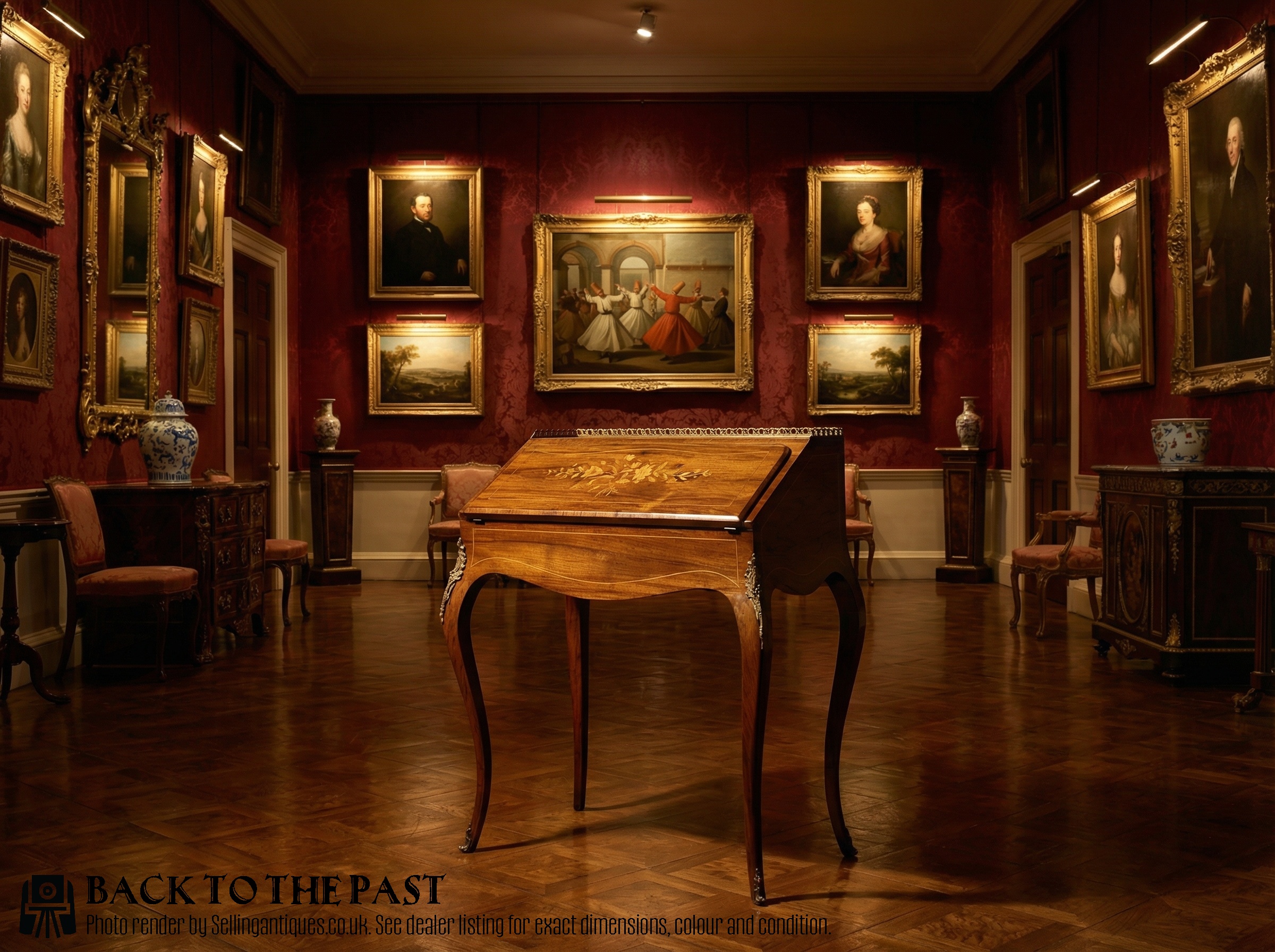
An Antique French Rosewood Bureau De Dame., 1920
Priced at £795 from Long Melford Antiques
The 2026 retail price guide for Antique Bureau De Dame is drawn from a proprietary archive of over 1.1 million retail prices indexed by Sellingantiques since 2003. This guide relies exclusively on their own internal data; no external sources or auction records are used.
Analysing nearly 25 years of UK antique market history alongside current retail values, the data indicates that typical UK retail prices for Antique Bureau De Dame range between £800 and £4,600. Entry-level prices generally fall under £800 and premium examples upwards of £4,600.
The sloping fall-front drops down to create a flat writing surface supported by lopers or internal hinges.
Cabriole legs provide the standard base for most Louis XV style variations.
Fitted interiors contain a specific arrangement of stepped drawers, open pigeonholes and sometimes a concealed well.
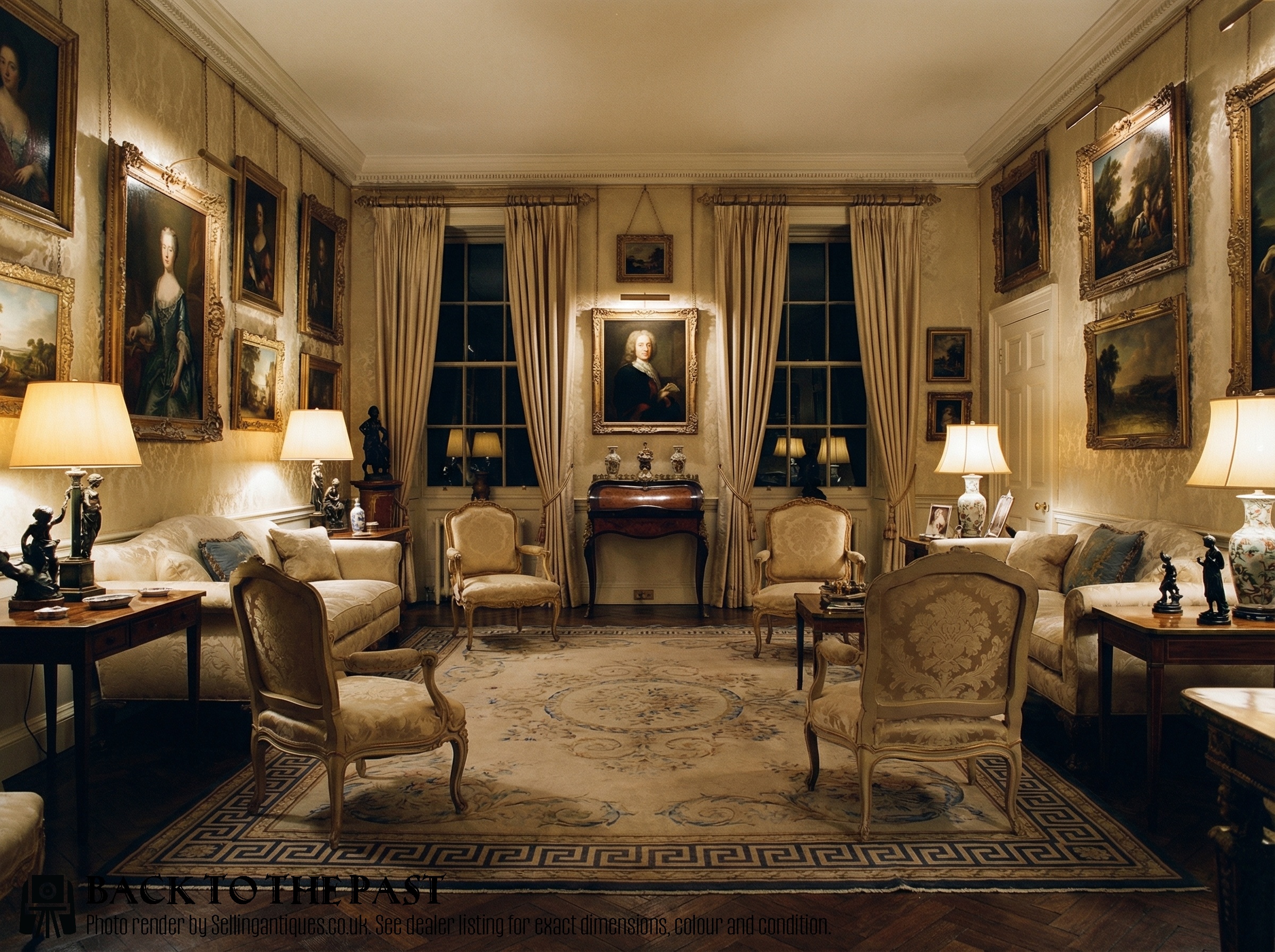
French Louis Xv Style Bureau De Dame with Gilt Metal Mounts, 1920
Priced at £1,250 from Lorna Byskou
Cabinetmakers relied on animal hide glue to secure complex veneer panels to the solid carcase.
Hand-cut dovetail joints secure the drawer sides, often varying in thickness depending on the regional workshop.
Check how the lock mechanisms integrate into the timber, as early craftsmen cut these recesses mostly by hand.
"Many feature hidden compartments behind the visible drawers, designed to hold private letters securely."
"The curved forms were intended to soften the harsh lines of heavily paneled rooms."
"Some incorporate a sliding well cover inside the desk area to provide extra storage without changing the exterior profile."
Based on almost 25 years of Sellingantiques UK antique market data, Antique Bureau De Dame appeared 226 times (out of 1,100,000 antiques) which gives it a rarity score of 96/100.
This score measures scarcity within the Sellingantiques archive only and is not a survey of the entire antiques market, so these statistics may not be indicative of the general availability of Antique Bureau De Dame elsewhere.
Dust them lightly with a soft, dry bristle brush. Metal polishes contain abrasives that strip away original gilding over time.
Leave dark tarnished areas alone. This oxidation builds up naturally and provides depth to the casting details.
A traditional locksmith can cut a new key to fit the existing antique lock. They remove the mechanism from the carcase and file a brass blank to match the internal levers.
It is often worth having this done. An unlocked fall-front can sometimes drop open accidentally if the desk is moved.
This shape is called a cabriole leg. It emerged in the early eighteenth century to give heavy furniture a lighter, more organic appearance.
The curve requires a large block of solid timber. The maker cuts away most of the wood to leave the graceful shape behind.
Wood naturally shrinks and expands with seasonal changes in humidity. The solid oak or pine carcase moves at a different rate to the thin decorative veneer glued on top.
This tension causes the veneer to split along the grain. It is a standard feature of old veneered furniture rather than a sign of active neglect.
Keep the piece away from direct heat sources like radiators to stop the splits widening.
Please note: This Antique Bureau De Dame guide and its associated pricing data are provided for general informational purposes only. It does not constitute formal financial, investment, or appraisal advice and should not be relied upon as the sole basis for any commercial activity, purchasing, or sales decisions. Sellingantiques.co.uk accepts no liability for any actions taken in reliance on this information. Always consult with a qualified professional or independent appraiser.

