


A 2026 Guide by Sellingantiques
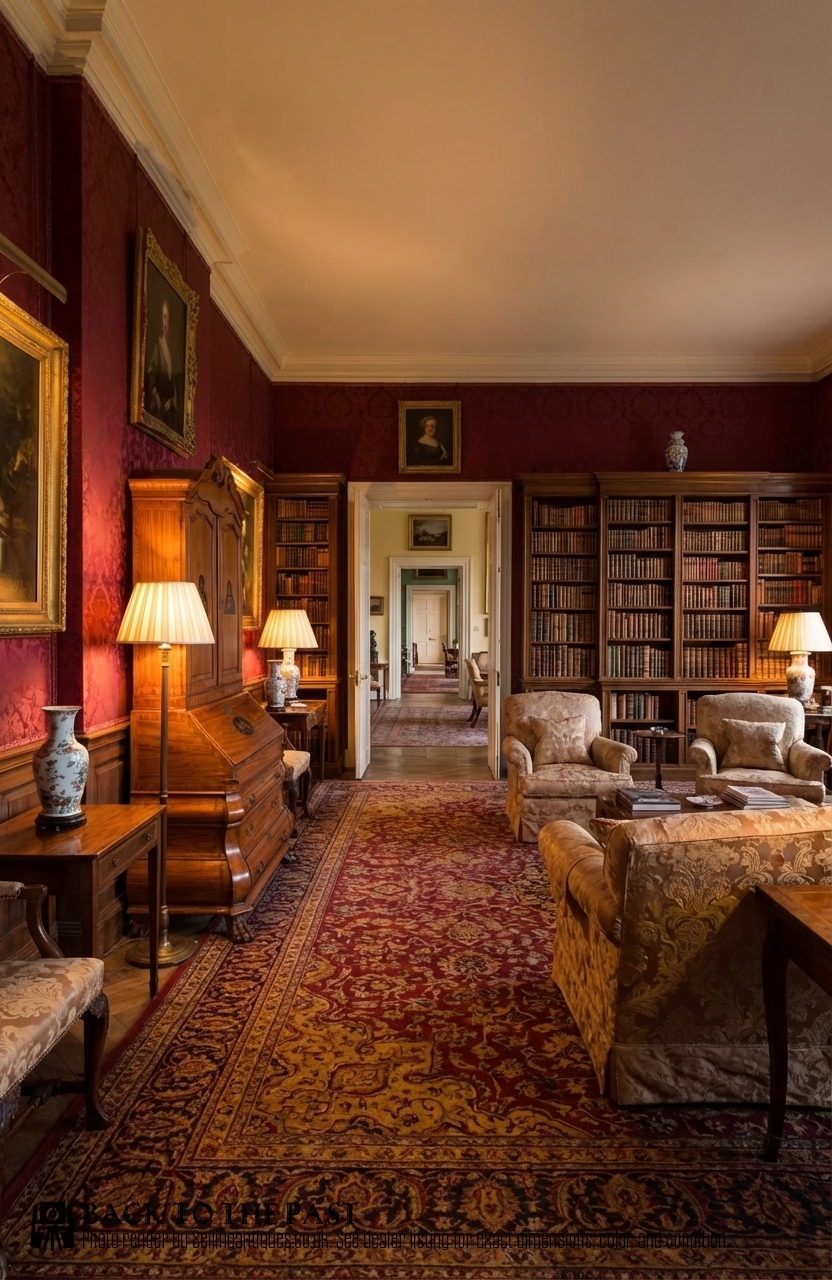
18th-century Dutch Bombe Bureau Bookcase,, 18th Century
Priced at £950 from Sinclairs Antiques and Interiors
Originating in eighteenth-century France and Holland, the bombe shape quickly spread to England and eventually colonial America.
Wealthy merchants favoured these swelling profiles for their reception rooms.
Look for regional variations in the base curve. Dutch examples often bulge much lower down than French ones.
Cabinetmakers adopted the design to show off their ability to bend and veneer wood over complex double curves.
George Hepplewhite included designs for the form in his late eighteenth-century pattern books.
Look to Boston for American versions. Cabinetmakers like John Cogswell produced highly exaggerated shapes there before the Revolution.
Many Dutch and German pieces lack maker stamps entirely. A thriving guild system controlled production rather than individual fame.
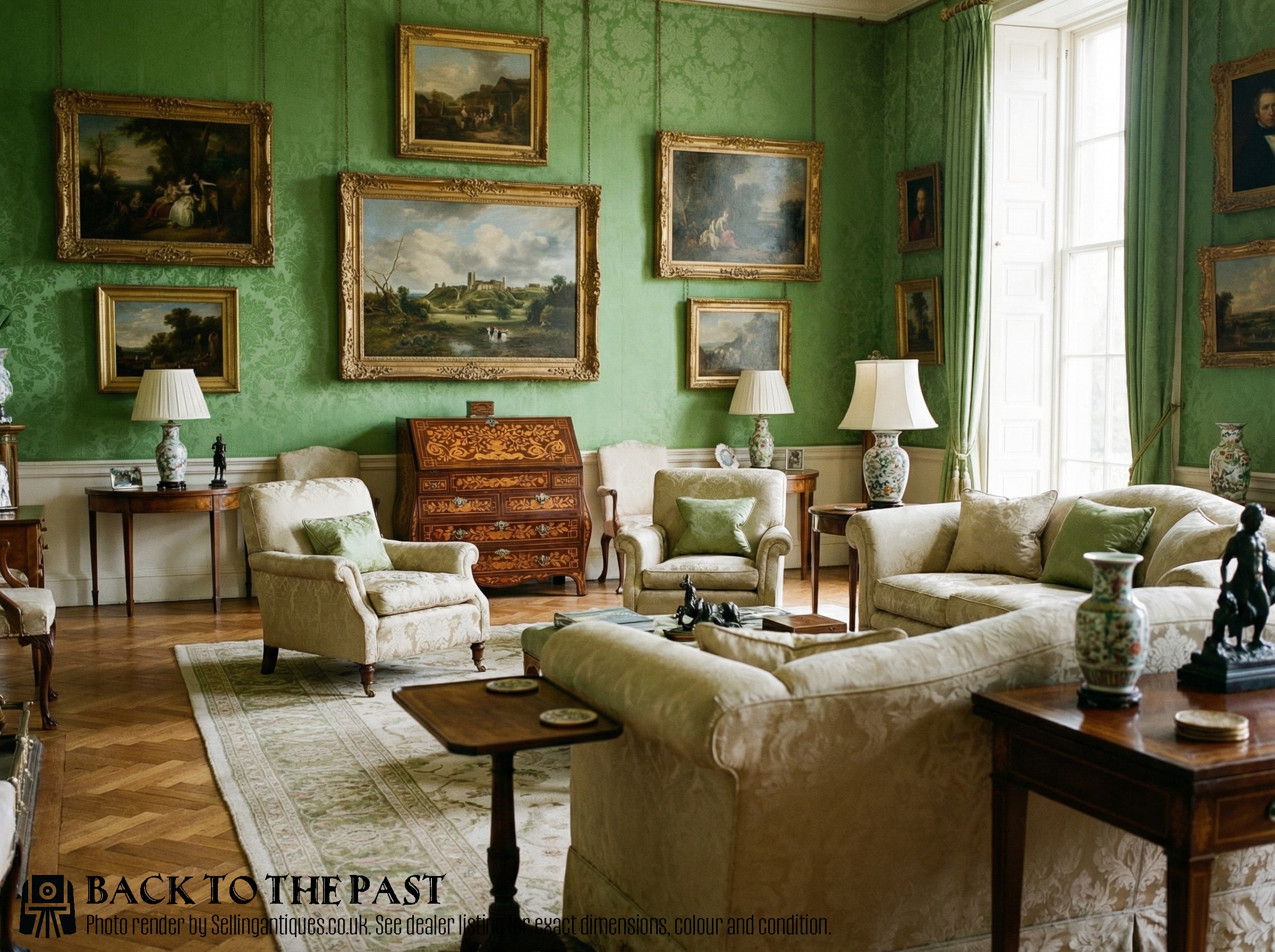
Dutch Marquetry Bombé Bureau, 19th Century, 19th Century
Priced at £4,500 from The Antique Furniture Company
The 2026 retail price guide for Antique Bombe Bureau is drawn from a proprietary archive of over 1.1 million retail prices indexed by Sellingantiques since 2003. This guide relies exclusively on their own internal data; no external sources or auction records are used.
Analysing nearly 25 years of UK antique market history alongside current retail values, the data indicates that typical UK retail prices for Antique Bombe Bureau range between £1,900 and £12,900. Entry-level prices generally fall under £1,900 and premium examples upwards of £12,900.
Swelling lower sides and front define the shape. The curve usually flows seamlessly down into splayed feet.
Drop the fall to reveal a fitted interior. Pigeonholes, small drawers and a central cupboard are standard.
Heavy cast brass handles conform to the convex shape of the lower drawers.
Early examples used solid timber shaped with hand planes. This wasted a vast amount of expensive wood.
Brickwork construction became popular later. Cabinetmakers glued blocks of cheaper pine together before cutting the curve and veneering the surface.
Notice the drawer sides. Makers had to angle them carefully to slide smoothly within the bulging carcase walls.
"Hidden compartments are common behind the central interior cupboard. Makers built false backs to slide out and reveal secret drawers."
"Pulling out the lower drawer on some Dutch examples locks the upper drawers automatically."
"The complex shape required almost double the workshop time of a straight-sided desk."
Based on almost 25 years of Sellingantiques UK antique market data, Antique Bombe Bureau appeared 142 times (out of 1,100,000 antiques) which gives it a rarity score of 97/100.
This score measures scarcity within the Sellingantiques archive only and is not a survey of the entire antiques market, so these statistics may not be indicative of the general availability of Antique Bombe Bureau elsewhere.
The hinges and lopers are usually robust enough for modern devices. You just need to check that the lopers pull out fully and sit level.
If the fall drops below ninety degrees, the hinges take too much strain. Get a restorer to pack the lopers before using it as a daily workspace.
Sticking drawers are common with the curving carcase sides. The runners wear down unevenly over the centuries and cause the drawer to drop and jam against the frame.
Rubbing candle wax on the running surfaces often provides a quick fix. If the runners are badly grooved, a cabinetmaker can glue new timber strips along the bottom edges to raise the drawer back to its proper height.
These desks were built to stand flat against a wall.
Cabinetmakers saved their expensive veneers and polishing time for the surfaces people actually saw. The back panels are just rough pine or oak boards left exactly as they came off the hand saw.
Heavy polishing strips away the historic surface. Old brass develops a mellow patina that sits well against aged wood, and most collectors prefer to leave it alone.
If you must clean them, use a very mild brass wadding. Brush it gently over the high spots rather than trying to dig into the crevices, and wipe away the residue immediately.
Never spray liquid polish near the veneer. The chemicals soak into the grain and dissolve the surrounding finish.
Please note: This Antique Bombe Bureau guide and its associated pricing data are provided for general informational purposes only. It does not constitute formal financial, investment, or appraisal advice and should not be relied upon as the sole basis for any commercial activity, purchasing, or sales decisions. Sellingantiques.co.uk accepts no liability for any actions taken in reliance on this information. Always consult with a qualified professional or independent appraiser.
