
There are no results to show on this page for that combination of filters:
Art Deco Abattants
A 2026 Guide by Sellingantiques
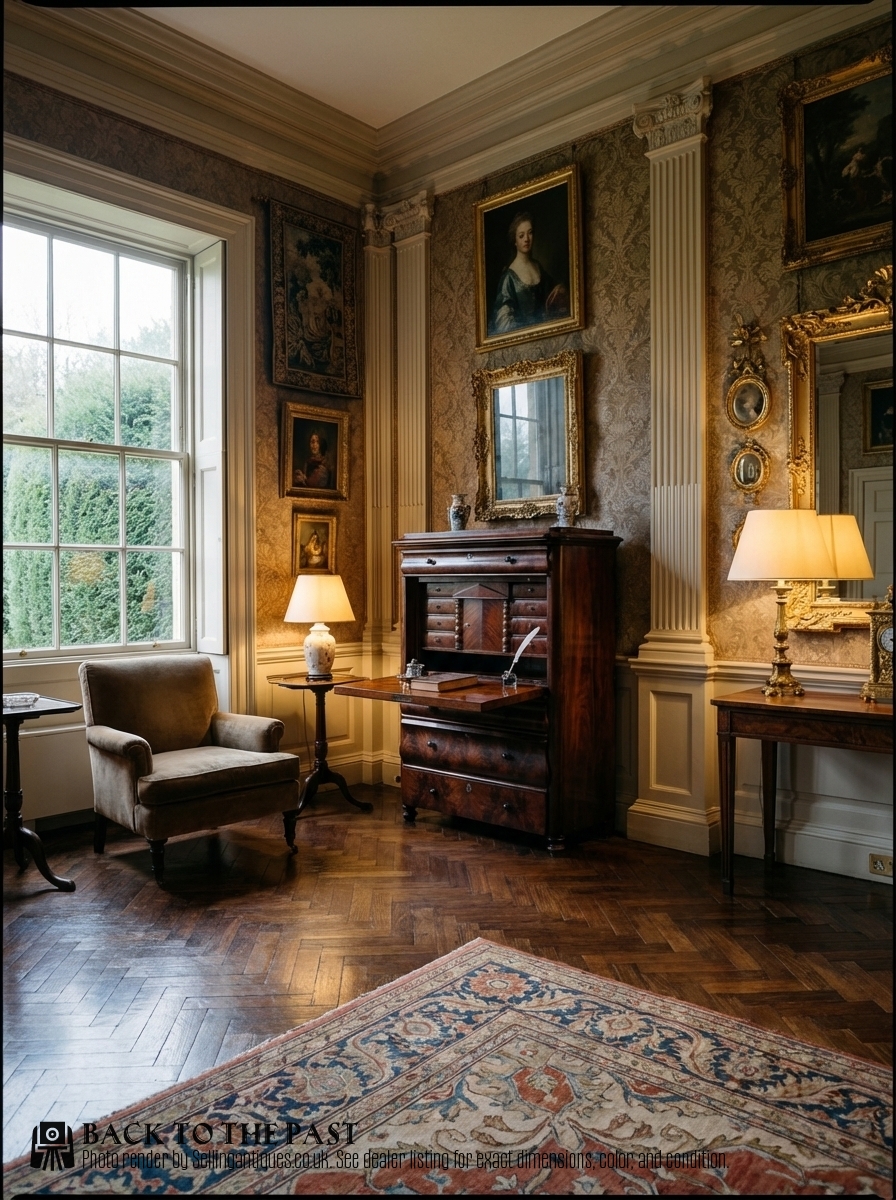
A Quality Antique French Mahogany Secretaire Abattant Desk, 19th Century
Priced at £575 from Antiquus
French cabinetmakers introduced the form in the mid-eighteenth century to save space in smaller Parisian rooms.
Look at Biedermeier examples from Germany and Austria. They adopted the shape but stripped away the heavy gilt mounts.
Production of the antique abattant continued right through the nineteenth century across Europe and America.
Dutch versions often incorporate elaborate floral marquetry over the entire front case.
Jean-Henri Riesener delivered complex marquetry examples to the French royal household during the Louis XVI period.
Adam Weisweiler worked in Paris late in the eighteenth century. He frequently incorporated porcelain plaques into the drop fronts of his pieces.
Regional tradesmen produced countless plain mahogany versions throughout provincial England and France.
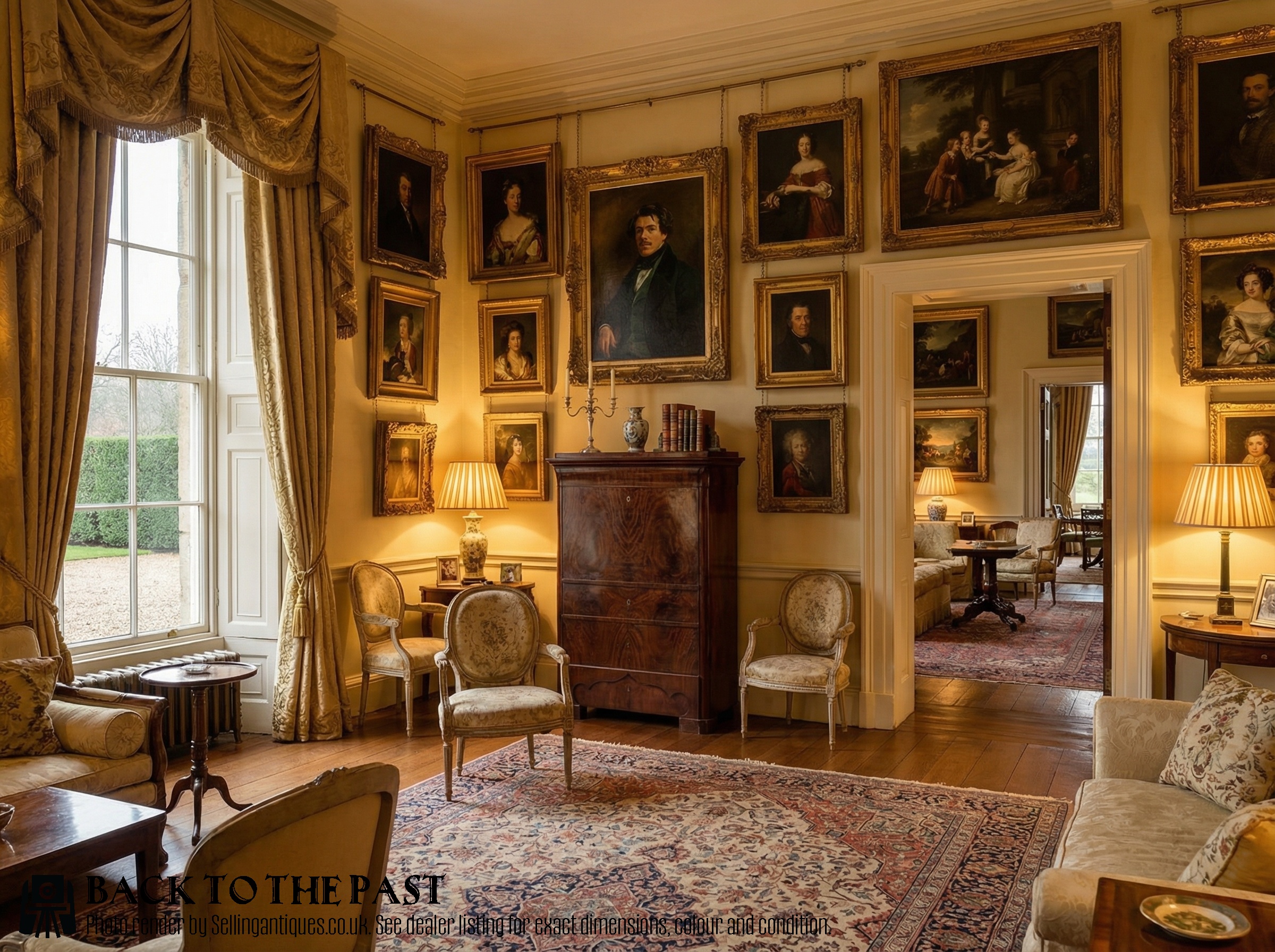
C19th Continental Secretaire Abbattant for Restoration, 19th Century
Priced at £300 from I M Chaney Antique Furniture
The 2026 retail price guide for Antique Abattants is drawn from a proprietary archive of over 1.1 million retail prices indexed by Sellingantiques since 2003. This guide relies exclusively on their own internal data; no external sources or auction records are used.
Analysing nearly 25 years of UK antique market history alongside current retail values, the data indicates that typical UK retail prices for Antique Abattants range between £1,300 and £7,700. Entry-level prices generally fall under £1,300 and premium examples upwards of £7,700.
A heavy vertical fall front defines the classic antique abattant form.
Most have a single frieze drawer sitting just below the top marble or timber surface.
Lower sections vary between a stack of wide drawers or a pair of cupboard doors.
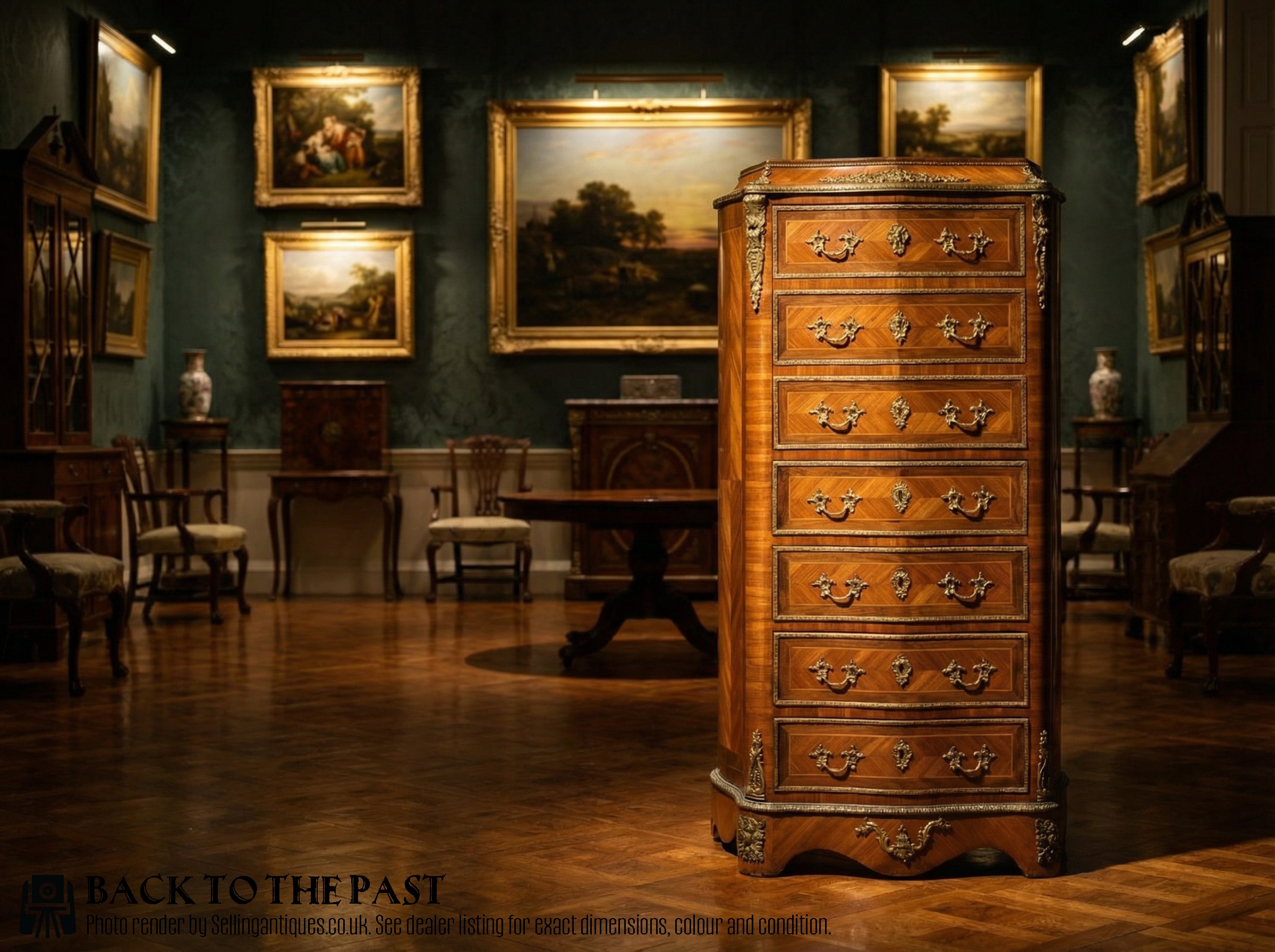
Kingwood Secretaire Abattant, 1900
Priced at £2,295 from Shackladys Antiques
Early makers hid heavy lead counterweights in the sides to help lift the solid timber fall.
Thin veneers laid in contrasting geometric patterns replaced carved solid wood fronts by the late eighteenth century.
Note the internal drawers. They rely on tiny hand-cut dovetails joining thin cuts of oak or ash.
"Secret drawers often slide out from behind the central architectural arches in the interior nest."
"A closed abattant acts as a blank canvas. Cabinetmakers used the large flat front to show off their most complex matching veneers."
"The top drawer sometimes features a spring catch that only releases when you pull out a specific inner pigeonhole."
Based on almost 25 years of Sellingantiques UK antique market data, Antique Abattants appeared 226 times (out of 1,100,000 antiques) which gives it a rarity score of 96/100.
This score measures scarcity within the Sellingantiques archive only and is not a survey of the entire antiques market, so these statistics may not be indicative of the general availability of Antique Abattants elsewhere.
Dust it with a dry cloth first. If the leather is sound and not flaking, wipe it gently with a slightly damp sponge and a mild saddle soap.
Feed the hide occasionally with a clear microcrystalline wax to keep it supple. Never use spray polishes on antique leather as they contain solvents that break down the surface.
Those internal brass stays do not usually have an adjustment mechanism. They rely on friction and the correct geometry of the mounting screws to lower the front smoothly.
If the fall drops too fast, the hinges or stays might be worn. Level the carcase first using small wooden shims under the feet, as a leaning cabinet throws all the pivot points off balance.
Most fitted interiors easily accommodate a closed laptop. You just need to check the clearance between the inner drawer fronts and the folded lid.
Cables are the main problem. You have to route charging leads awkwardly over the front edge.
Not every example started life with a marble slab. French and Continental makers favoured heavy stone tops, but English and provincial craftsmen frequently finished the piece with a polished timber board.
Look at the top edge of the carcase. If there is a raised wooden gallery or a rough unfinished pine surface, it likely held marble originally.
Always check how the top sits against the backboards. Stone tops usually rest loose on wooden dowels, while timber tops are glued and screwed down.
Please note: This Antique Abattants guide and its associated pricing data are provided for general informational purposes only. It does not constitute formal financial, investment, or appraisal advice and should not be relied upon as the sole basis for any commercial activity, purchasing, or sales decisions. Sellingantiques.co.uk accepts no liability for any actions taken in reliance on this information. Always consult with a qualified professional or independent appraiser.
