


Yew Wood Furniture
Yew wood furniture brings rich timber grain and country craftsmanship into a room, offering sturdy seating and storage rooted in English tradition.
What Yew Wood Furniture Is
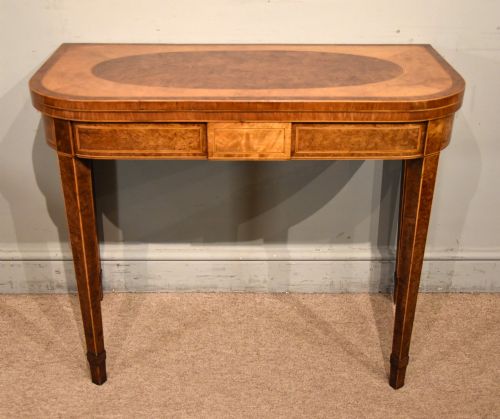
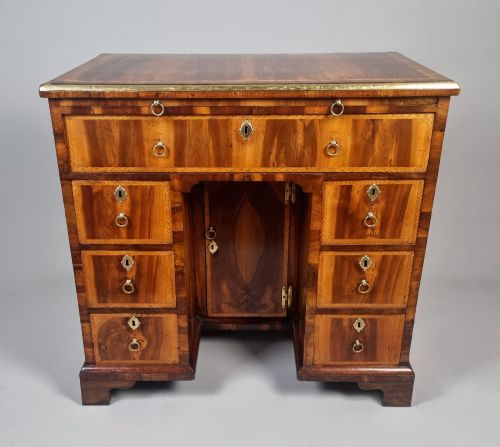
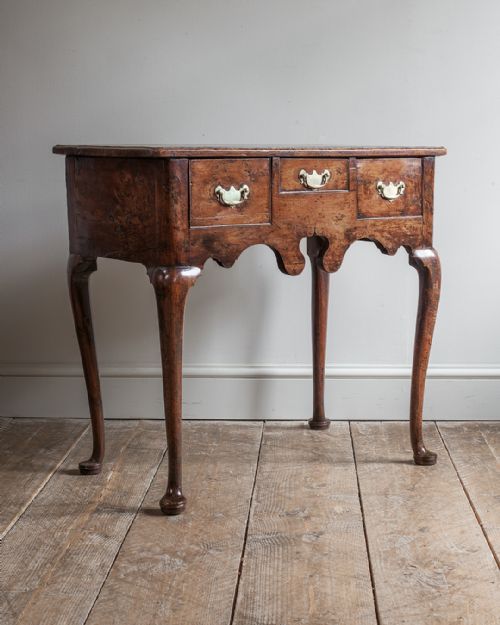
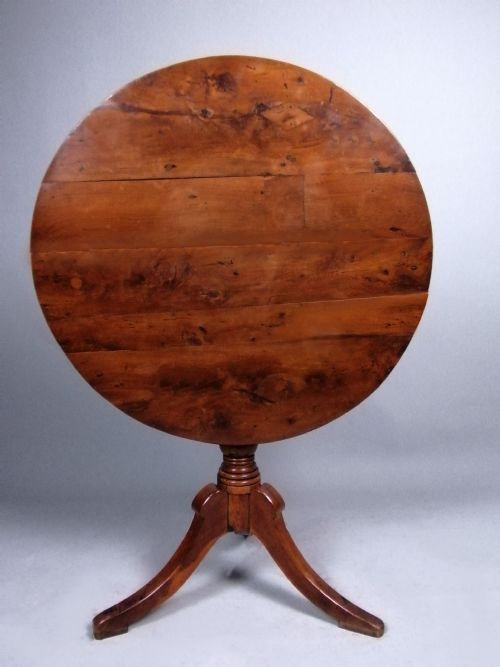
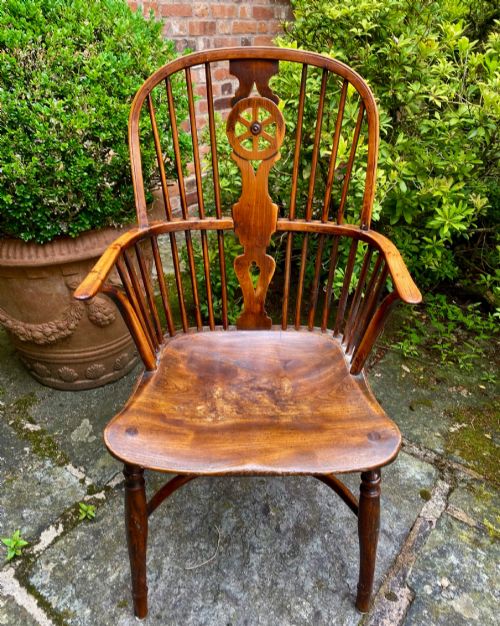
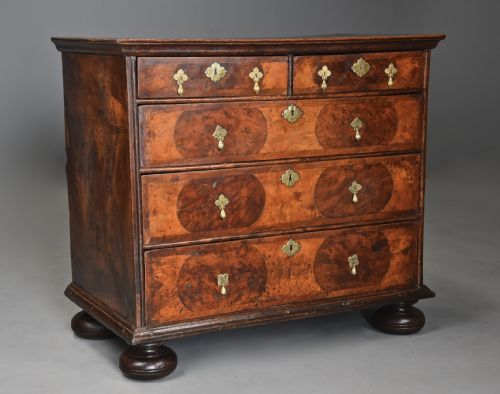
When you search for yew wood furniture, you encounter pieces spanning the eighteenth and nineteenth centuries, including Georgian, Victorian, and Regency examples. These items originate from English vernacular and country workshops, reflecting regional building traditions.
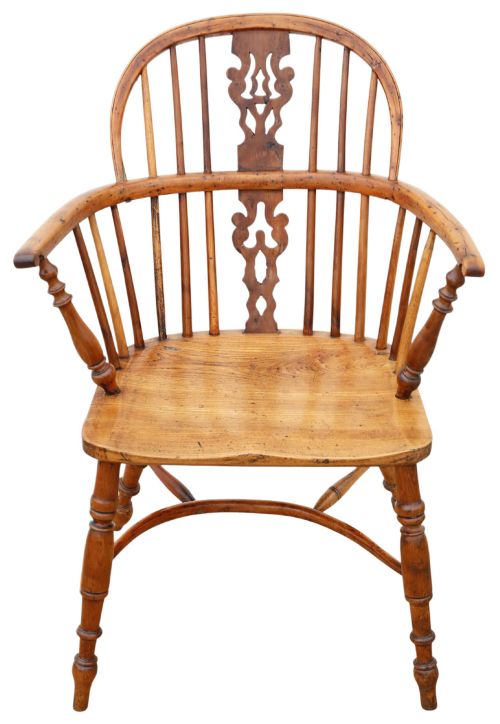
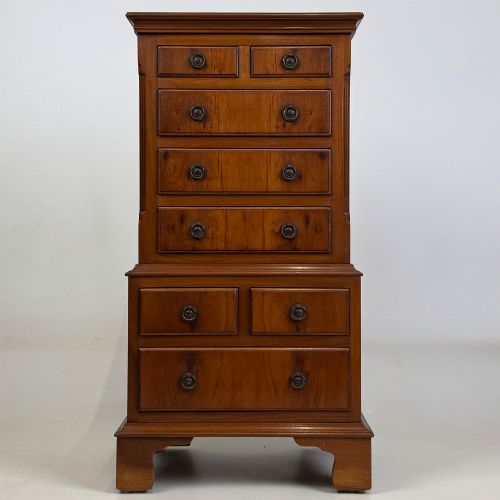
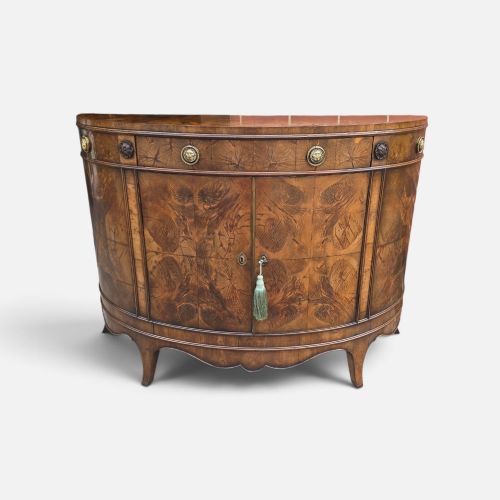
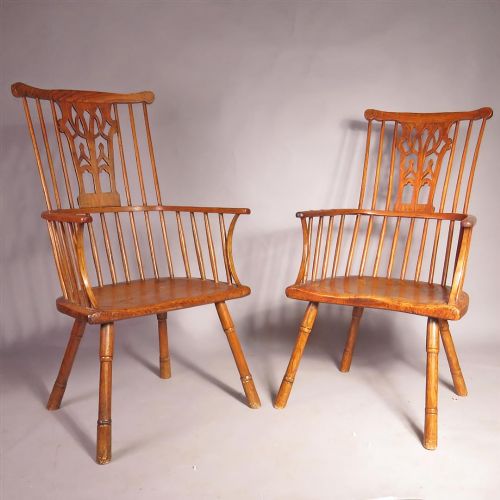
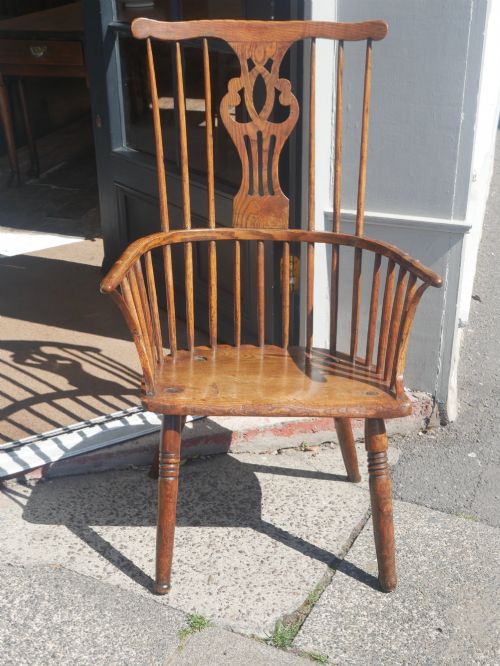
The most common forms you meet on this page are Windsor chairs, ranging from high-back armchairs to broadarm variants, alongside storage pieces like corner cupboards, breakfront cabinets, and chests on stand.
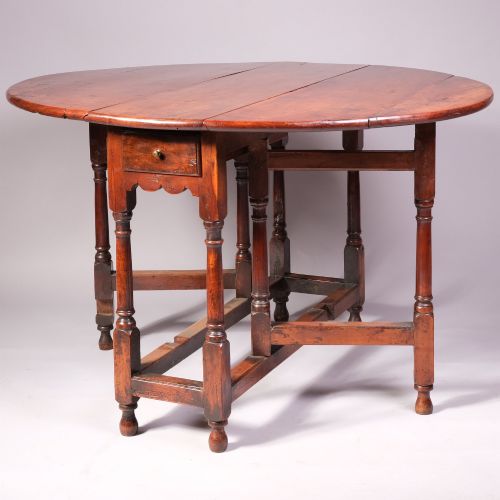
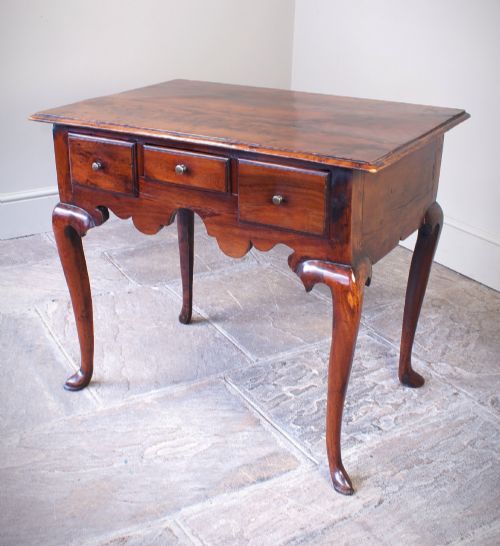
Makers utilised yew alongside elm, fruitwood, and brass hardware, creating domestic seating and cabinetry that balances utility with decorative timber figuring.
How They Were Made
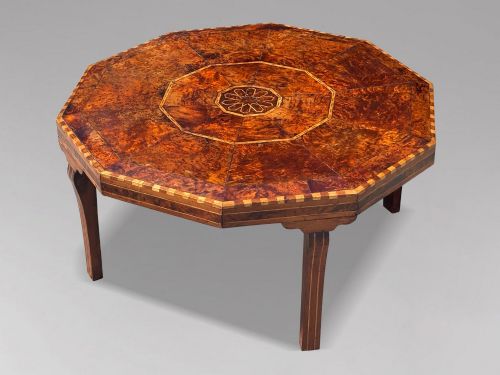
Cabinet makers and bodgers constructed these pieces using solid yew wood, frequently combining it with elm seats and turned elements in fruitwood. Timber selection prioritised rich figuring, sometimes enhanced with ebony inlay or glass panels in glazed doors.
Joinery methods relied on traditional turning, pegged joints, and solid wood construction suited to provincial workshops. Structural durability came from heavy timbers and spindle work designed for daily domestic use.
Retail Price Guide 2026
Typical UK retail prices for yew wood furniture, calculated from the Sellingantiques database of over a million retail prices indexed since 2003. This retail price guide relies exclusively on Sellingantiques data; no external sources or auction records are used, so the figures do not describe the wider market.
One listed chair carries the specific stamp of the Allsop Worksop workshop, marking its journey out of Nottinghamshire timber.
What Varies in Quality
The distinction between standard provincial output and finer workshop production lies in timber selection and the complexity of the turning. Pieces displaying highly figured yew grain paired with contrasting elm or ebony details stand apart from simpler utilitarian items.
Proportion and structural retention also dictate standing, with well-balanced armchairs and refined cabinetry holding greater visual weight than heavier, purely functional counterparts.
Allsop Worksop
The Yew Wood Furniture Glossary
- Windsor chair
- A wooden chair built with a heavy solid seat into which the legs and back spindles are direct-tenoned. These chairs often feature bentwood bow backs and sculptural armrests.
- English vernacular
- Furniture produced outside metropolitan centres using local timbers and traditional regional designs. This style prioritises practical construction and native materials over courtly fashions.
- Chest on stand
- A case piece consisting of an upper chest section elevated on a separate framework with legs. This form lifts storage off the floor and lightens the visual mass of the timber.
- Breakfront
- A cabinet design where the central section projects forward from the flanking wings. This architectural arrangement creates depth and shadow on large storage pieces.
Frequently Asked Questions
What periods do these pieces date from?
The pieces span the eighteenth and nineteenth centuries, taking in the Georgian, Regency, and Victorian eras.
Most items reflect English country workshop traditions from around eighteen hundred onwards.
What woods were used besides yew?
Makers frequently combined yew with elm, particularly for chair seats that required tough, interlocking grain.
Fruitwood and ebony inlay also appear in turned elements and decorative highlights.
How do Windsor chairs differ?
Windsor chairs vary by region, back height, and arm construction, such as the Yorkshire broadarm design.
Turned spindle patterns and the choice of wood species also distinguish individual chairs.
Where were these items made?
These pieces originated in English provincial workshops and country vernacular traditions.
Maker locations include specific regional centres like Worksop.