
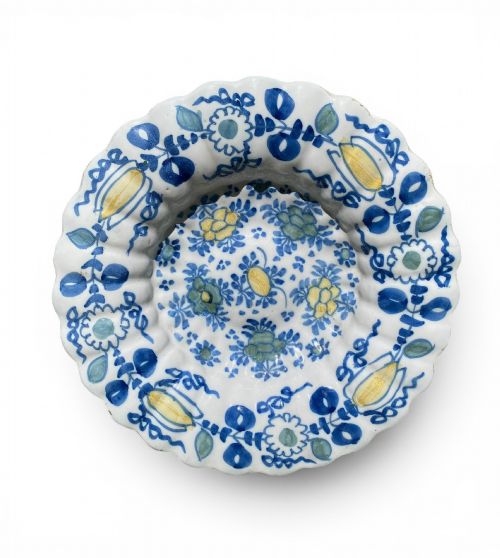
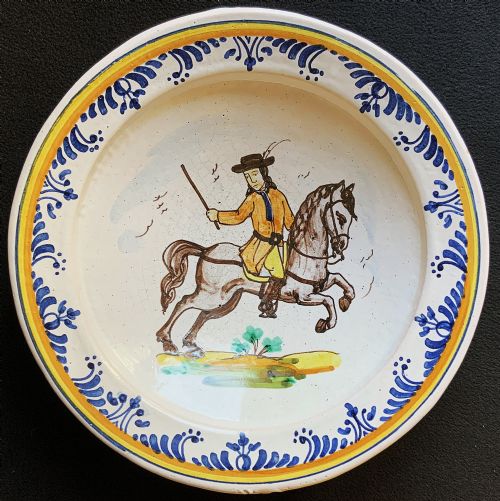


Yellow Tin Glazed Plate
Yellow tin glazed plate pieces bring vibrant tin-glazed earthenware and terracotta into a room, offering rich Dutch Baroque and 18th Century Faience character.
Yellow Tin Glazed Plate
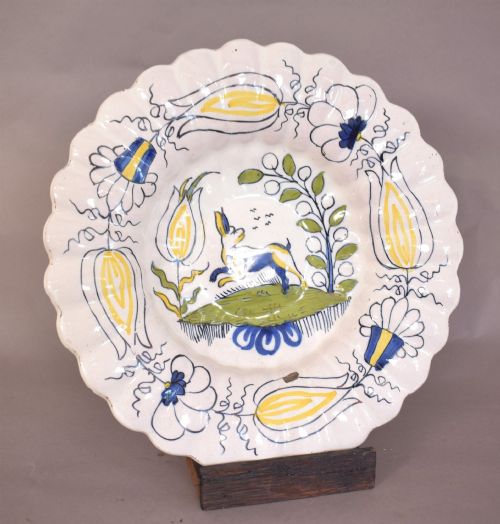
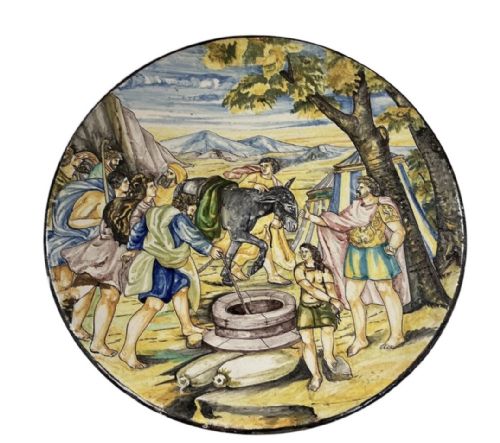
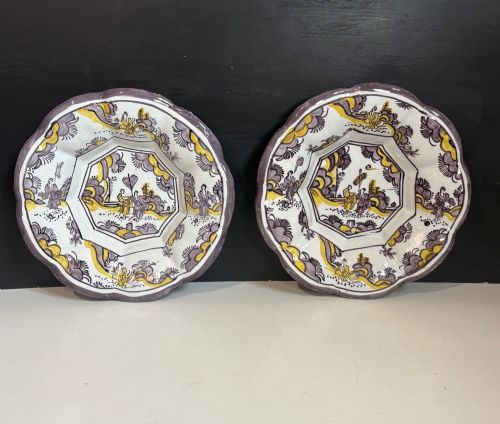
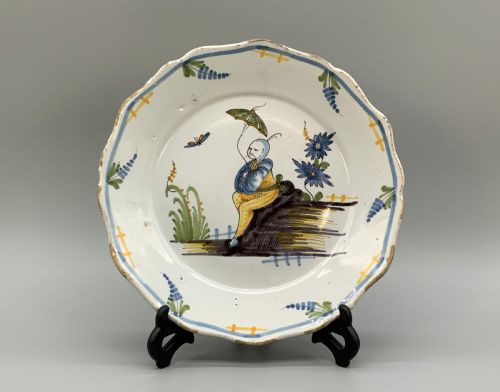
A yellow tin glazed plate search reveals remarkable ceramic chargers and decorative dishes spanning the 17th Century to the 19th Century. Buyers encounter substantial charger plates and lobbed dishes finished in striking polychrome palettes.
The pieces on this page lean heavily towards Dutch Delft, Italian maiolica, and 18th-century French or Spanish faience. Large charger formats dominate the selections, displaying robust Renaissance Revival and Folk Art influences.
Materials and construction methods
Potters built these items using earthenware and terracotta bodies shaped into wide decorative plates and chargers. The raw clay formed a sturdy base before receiving its opaque surface treatment.
Artisans applied tin glaze and pigment to coat the ceramic body, allowing painters to execute intricate polychrome scenes and manganese details directly onto the unfired surface.
Some chargers feature historical scenes so dramatic they might double as sixteenth-century soap operas.
Judging quality and execution
The strength of the painted composition and the clarity of the polychrome pigment application define the upper tier of these ceramics. Historical Dutch Baroque and Italian Istoriato examples showcase superior brushwork compared to simpler folk variations.
Surface preservation of the tin glaze and the crispness of moulded details on lobbed or charger formats distinguish finer workshop production from standard commercial output.
The Yellow Tin Glazed Plate Glossary
- Tin-Glazed Earthenware
- Ceramic pottery coated with a lead glaze made opaque by the addition of tin oxide. This white or tinted surface served as a smooth ground for painted decoration.
- Charger
- A large decorative plate or platter intended for display on a wall or dresser rather than for serving food at the table. These oversized ceramics often feature elaborate historical or floral scenes.
- Maiolica
- Italian tin-glazed earthenware decorated with vibrant metal oxides. The technique flourished during the Renaissance and inspired later revival pieces.
- Polychrome
- Decoration utilising multiple colours rather than a single hue. On these ceramics, artists combined yellow, blue, manganese, and green pigments.
- Faience
- European tin-glazed pottery produced outside Italy, notably in France, Spain, and the Netherlands. The term encompasses various regional styles from the seventeenth and eighteenth centuries.
Yellow Tin Glazed Plate: Frequently Asked Questions
What is a yellow tin glazed plate?
These objects are ceramic dishes and chargers finished with an opaque tin-based glaze incorporating yellow pigments. They range from seventeenth-century Dutch pieces to nineteenth-century revival works.
Potters shaped them primarily for display, utilising earthenware bodies that accepted complex painted surfaces.
How were these decorative chargers used?
Historical interiors utilised large chargers as wall hangings or prominent sideboard displays to showcase wealth and taste. Their generous diameters made them ideal canvases for detailed narrative scenes.
Unlike everyday tableware, they served a purely decorative function within dining halls and formal reception rooms.
How do I care for antique earthenware?
Display these ceramics in stable environments away from direct sunlight and sudden temperature shifts. Dust them gently with a dry, soft cloth without applying liquid cleaners.
Because the tin glaze can be brittle, ensure wall brackets or stands securely support the weight of larger chargers.
How do I tell seventeenth-century pieces apart?
Early examples often display characteristic Dutch Delft or seventeenth-century stylistic markers, including specific tin-glaze formulations and lobbed edges. Pigment depth and glaze thickness shift across different European production centres.
Comparing brushwork execution against documented historical specimens helps clarify the timeline of manufacture.