



Vintage Ceramic Wall Platter
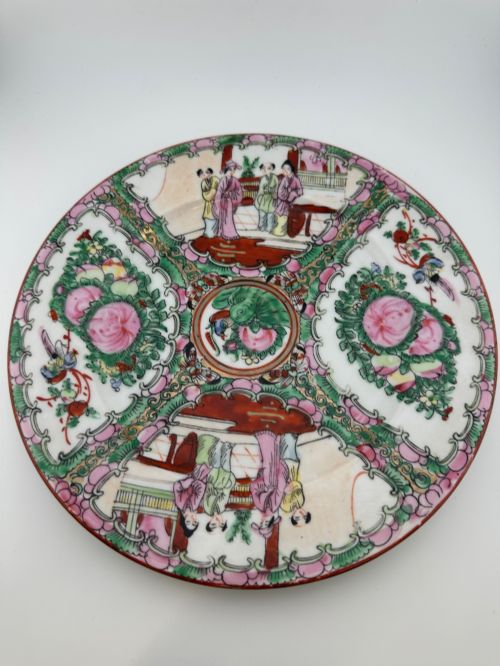
When you search for vintage ceramic wall platter, you enter a world of large display plates and chargers spanning centuries of global craft.
Vintage Ceramic Wall Platter
A vintage ceramic wall platter is a decorative dish or charger intended primarily for display rather than dining. The examples you encounter on this page cross periods from the eighteenth century through to the art deco era, encompassing various international traditions.
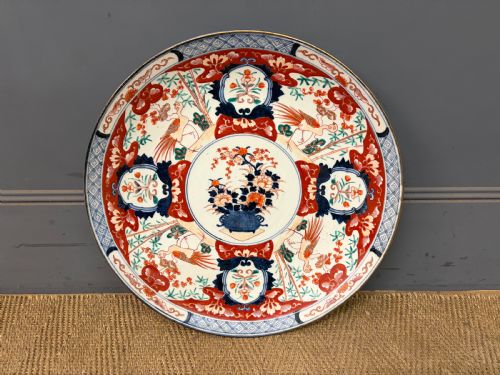
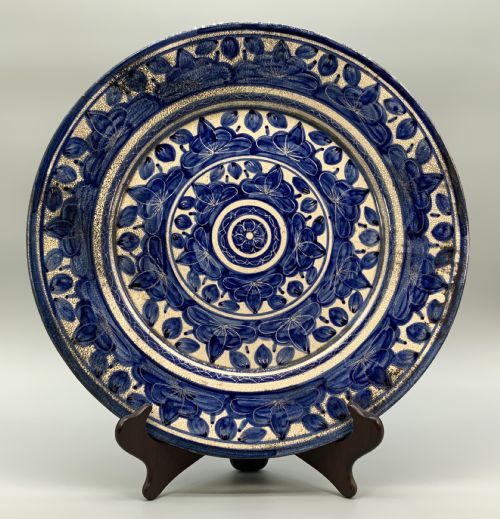
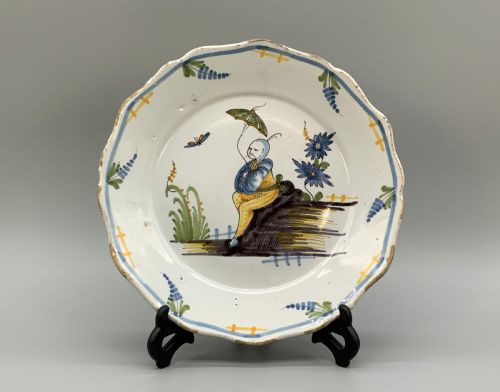
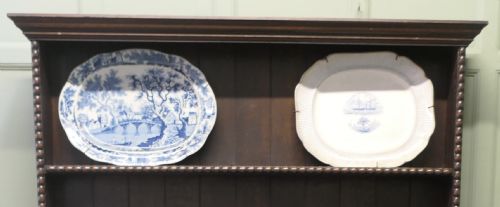
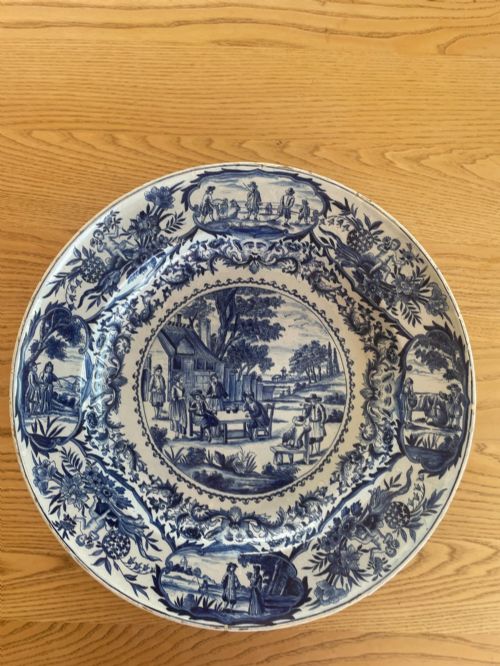
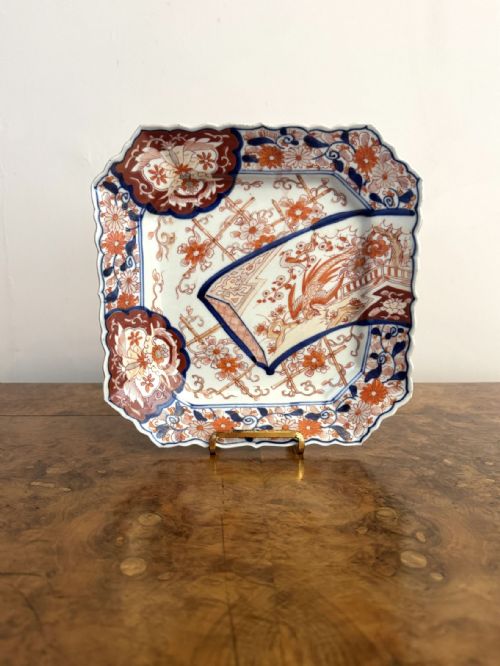
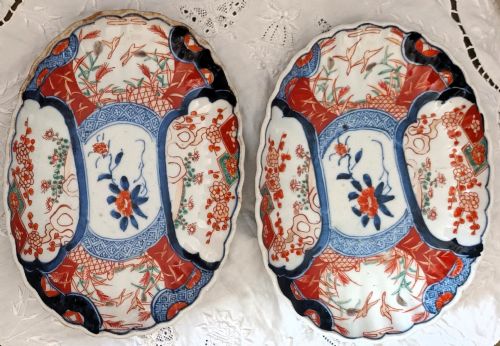
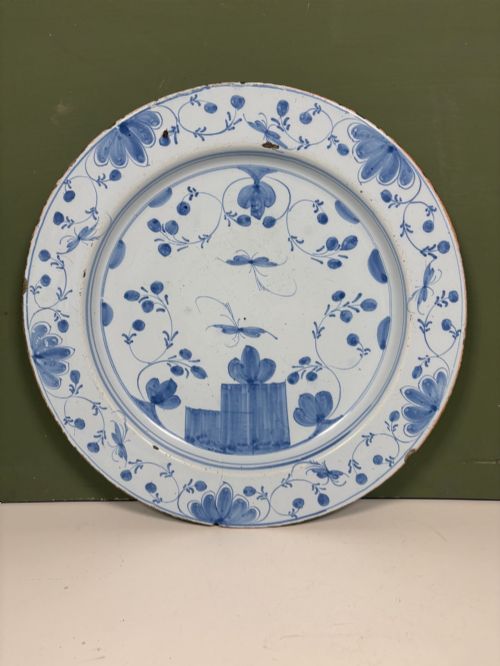
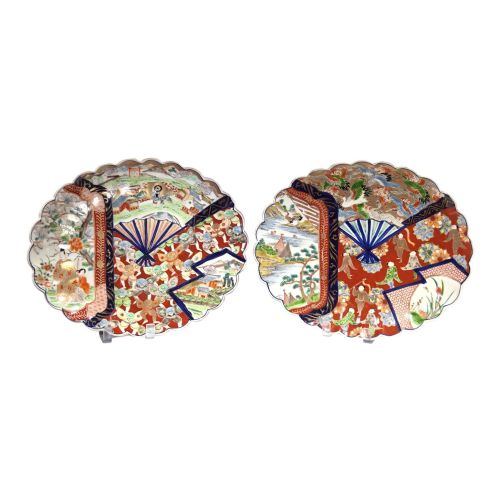
The selections here lean heavily toward Japanese Imari porcelain chargers from the Meiji and surrounding periods, alongside European tin-glazed earthenware and faience dishes from Dutch, French, and English workshops. These items range from circular formats to square and scalloped plates designed with hanging in mind.
How They Were Made
Makers utilised earthenware, porcelain, and ironstone as bodies for these vessels, applying tin glazes or transparent finishes over hand-painted pigments. Techniques such as polychrome painting, blue and white underglaze decoration, and art deco tubelining define the surface work.
Gold leaf and specific enamel colours were added in layers during secondary firings on pieces like Japanese Imari wares and Dutch delft chargers, achieving durable contrasts on the clay body.
Several plates depict the Seven Lucky Gods sharing space with exotic birds and geometric Dutch motifs.
What Varies in Quality
The fineness of hand-painted brushwork dictates much of the distinction between standard and superior examples. Artisans who executed intricate motifs with precision produced plates with sharper visual impact.
The complexity of the glaze chemistry and the richness of the palette, particularly on polychrome and manganese pieces, separate ordinary output from masterworks of the kiln.
Charlotte Rhead Crown Ducal·Bassano pottery works
The Vintage Ceramic Wall Platter Glossary
- Charger
- A large decorative plate or dish traditionally used for formal display or service on a wall or sideboard. These items provide expansive canvases for elaborate painted scenes.
- Imari
- A style of Japanese porcelain featuring a distinct palette of underglaze blue, iron red, and gilt highlights. Originating in Arita, these wares found vast popularity across Europe.
- Delft
- Tin-glazed earthenware produced in the Netherlands and influenced by Chinese blue and white porcelain imports. The technique results in an opaque white surface suitable for painted decoration.
- Tubelining
- A ceramic decorating technique where thin lines of clay are squeezed through a nozzle onto the surface to create raised outlines for enamel colours.
Vintage Ceramic Wall Platter: Frequently Asked Questions
How do I hang a heavy charger?
Heavy ceramic wall platters require specialist spring-loaded brass wall hangers that distribute the weight evenly around the rim without placing stress on the centre of the plate. Ensure the fixture is anchored securely into wall studs or uses appropriate masonry plugs.
Avoid wire fixings attached to old adhesives on the reverse, as the weight of nineteenth-century porcelain can cause sudden failure over time.
Are these plates food safe?
Most antique decorative plates and chargers are intended exclusively for display rather than culinary use. Historic glazes from the eighteenth and nineteenth centuries may contain lead or other substances unsuited for modern food contact.
Furthermore, crazing and microscopic fractures in old earthenware surfaces can harbour bacteria that standard washing will not remove.
How do I clean an antique ceramic charger?
Dust these decorative pieces gently with a dry, soft microfibre cloth or a clean artist brush to remove surface particles. Avoid submerging antique earthenware or pieces with delicate gold leaf in water.
Moisture can penetrate old unglazed foot rings or exacerbate historic cracks within the ceramic body, leading to staining or structural damage.
How do I date a blue and white charger?
Dating relies on examining the foot ring, the characteristics of the blue pigment, and the glaze texture under magnification. Eighteenth-century pieces often show coarser potting and characteristic pooling in the glaze.
Later Victorian and Meiji period alternatives present tighter body structures and more mechanised finishing around the edges of the base.