

White Glazed Ceramic Charger
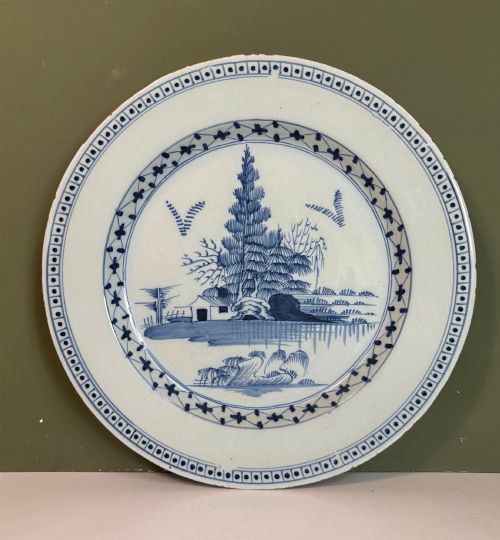
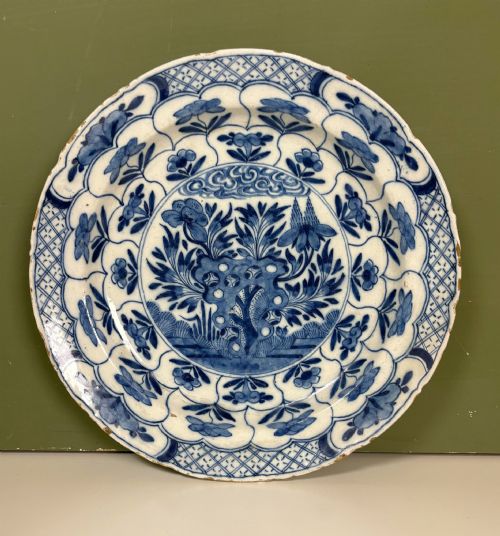
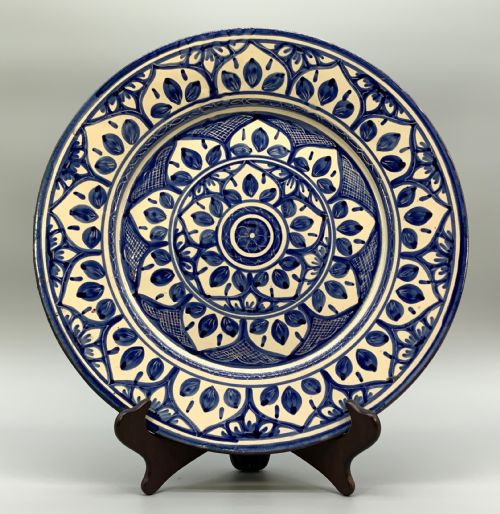
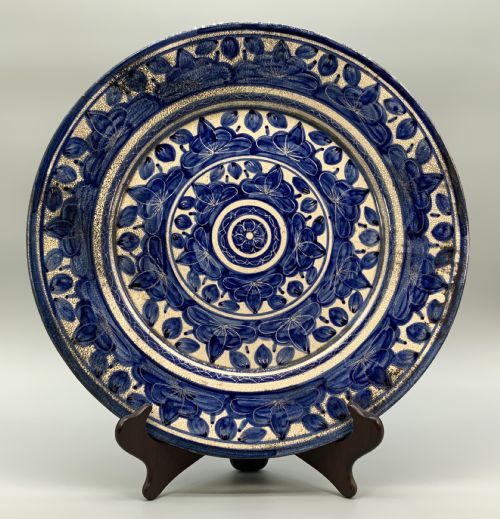
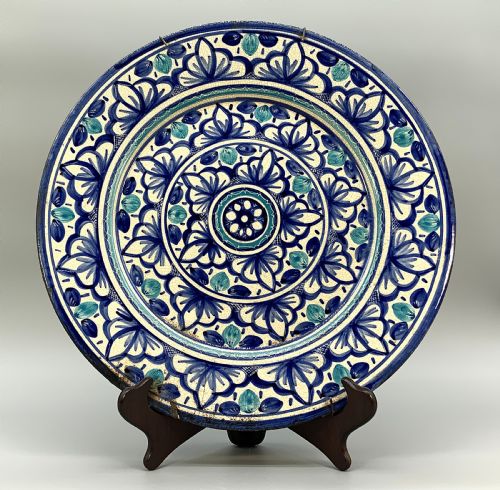
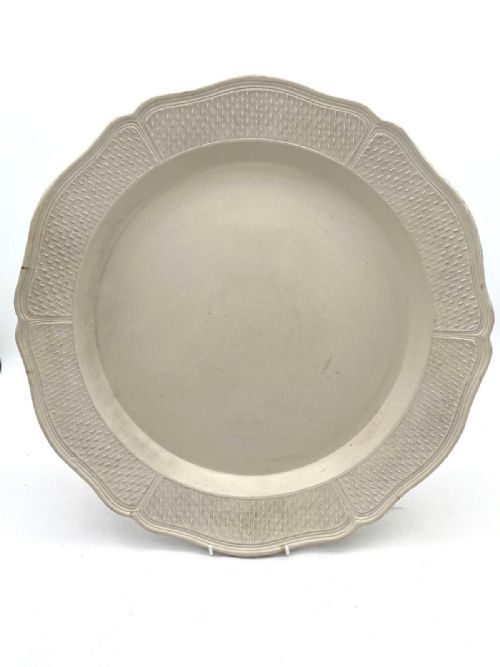
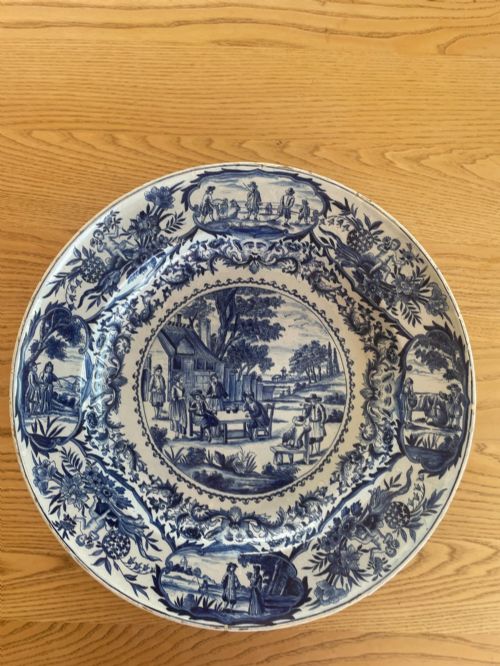
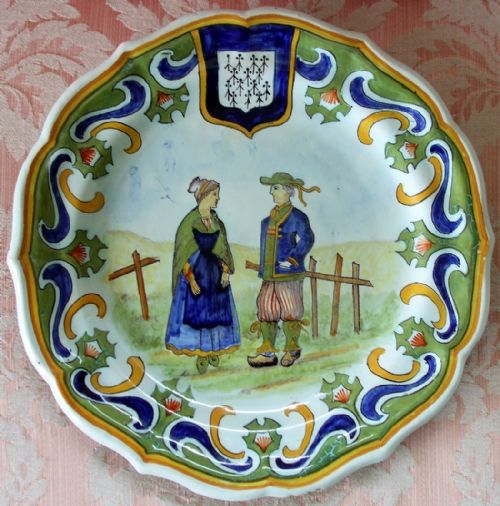
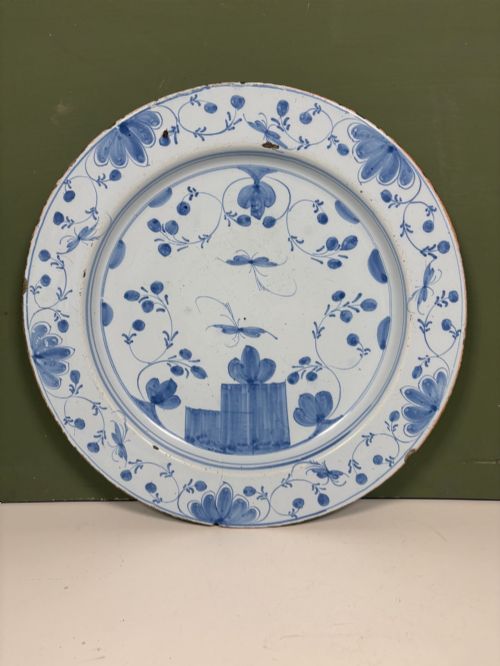
White glazed ceramic charger pieces are substantial earthenware plates carrying tin glaze, offering broad surfaces painted in blue and white or polychrome.
White Glazed Ceramic Charger
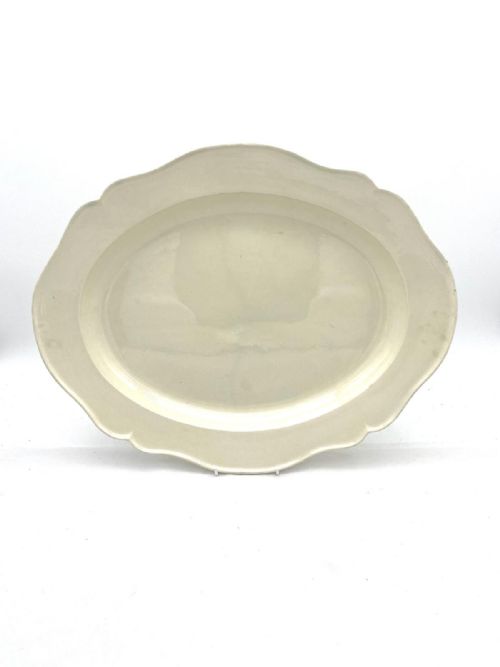
A white glazed ceramic charger provides a wide, shallow display surface rooted primarily in seventeenth and eighteenth century traditions. These large plates appear frequently as Dutch and English delftware, alongside continental faience and creamware variations.
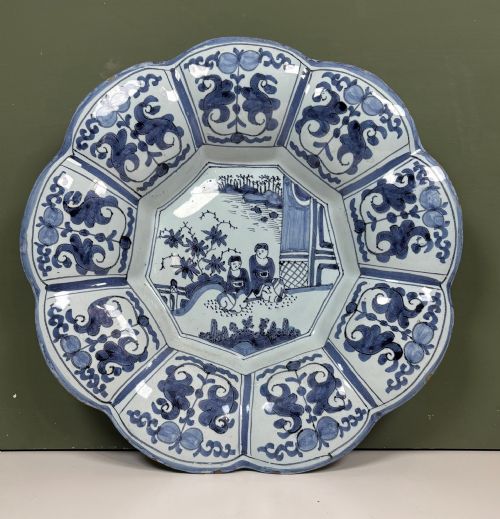
Makers shaped these broad dishes for formal display on walls or sideboards rather than everyday dining use. The forms range from simple circular platters to lobed dishes, barber bowls and marriage plates.
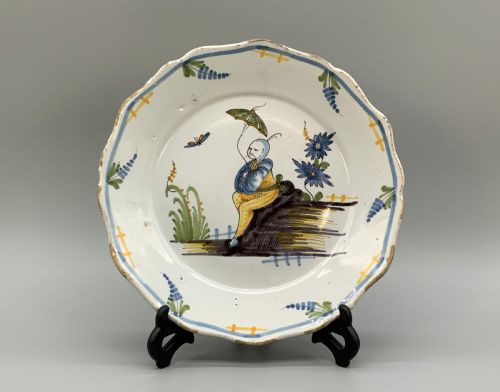
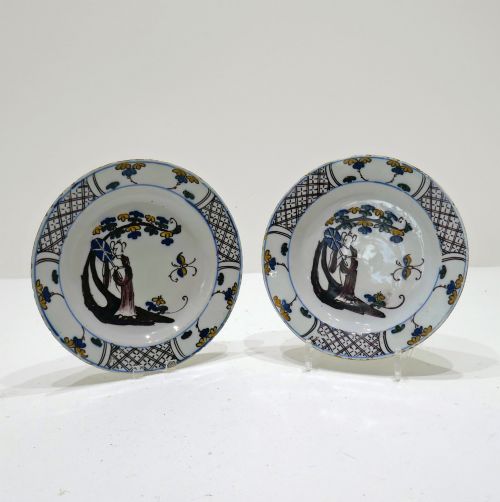
Collectors encounter pieces spanning several centuries, including seventeenth century Kraak style items and later nineteenth century Moorish revival interpretations. Blue and white pigment dominates the surface decoration, supported by occasional manganese, yellow and polychrome palettes.
How They Were Made
Potters formed these items from earthenware bodies before coating them in an opaque tin glaze that provided the characteristic white ground for painting. Artisans applied cobalt pigment and metallic oxides directly onto the porous surface before the final firing.
Techniques varied across European centres, employing lead or tin glazes over buff or cream coloured clay bodies. Firing methods produced distinctive surface textures and edge profiles, including silver shaped rims and octagonal variations.
Materials represented include tin glaze, cobalt pigment, creamware and saltglazed clay bodies.
What Varies in Quality
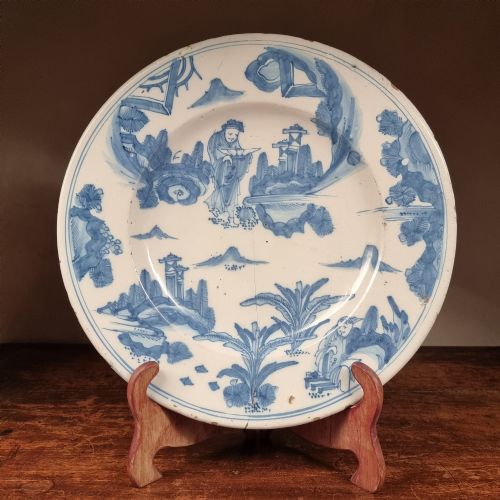
The refinement of the painted brushwork dictates the visual strength of each piece, distinguishing hurried factory production from careful studio execution. Hand painted chinoiserie scenes and complex polychrome details demand superior draughtsmanship compared to repetitive geometric borders.
The smoothness and opacity of the tin glaze layer affect the overall visual harmony of the white ground. Pieces possessing stable glaze surfaces and well controlled firing temperatures maintain their decorative appeal across centuries.
The White Glazed Ceramic Charger Glossary
- Tin Glaze
- A lead glaze made opaque by the addition of tin oxide, creating a white surface suitable for painted decoration. This coating defines the primary appearance of delftware and faience.
- Charger
- A large decorative plate or platter intended for ceremonial use, display or serving substantial portions at feasts. These items measure significantly wider than standard dining plates.
- Chinoiserie
- European artistic styles reflecting Chinese decorative motifs, popular on ceramics during the seventeenth and eighteenth centuries. Painters adapted oriental landscapes and figures onto earthenware surfaces.
- Polychrome
- Decoration employing multiple colours rather than a single pigment like cobalt blue. These palettes often incorporate yellow, green and manganese alongside white glazes.
- Delftware
- Tin glazed earthenware produced in Dutch and English potteries, known for blue and white painting. The tradition encompasses domestic wares and large display chargers.
White Glazed Ceramic Charger: Frequently Asked Questions
What is a charger plate used for?
These large dishes served as decorative centrepieces on dining tables or were hung on walls for display in prosperous households. Their broad surfaces provided ideal canvases for narrative paintings and heraldic designs.
Over time, owners transitioned them entirely from dining functions to purely ornamental wall furniture and cabinet display pieces.
How do I clean an antique tin glazed dish?
Dust these porous earthenware pieces gently with a dry, soft cloth to remove surface particles without moisture damage. Avoid immersion in water or chemical cleaning agents, as the historic glaze and body remain fragile.
Professional conservation advice is recommended if deeper cleaning becomes necessary for stable preservation.
How can I tell English delft from Dutch delft?
English and Dutch potteries shared similar tin glazing techniques, but differences appear in the clay bodies and specific cobalt pigment tones. Local painting styles and potting weights often provide clues to the origin of eighteenth century items.
Comparative study of foot rims and glaze pooling helps distinguish between workshops in Bristol, Lambeth and the Netherlands.
What does Kraak style mean on a charger?
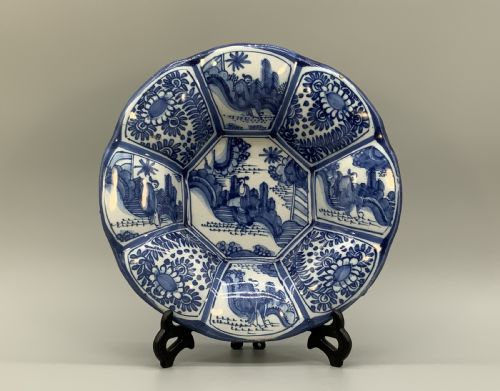
Kraak style refers to sixteenth and seventeenth century Chinese porcelain designs imported by European traders and subsequently copied by delftware potters. These patterns feature segmented panels radiating around a central pictorial motif.
Potters adapted these iconic layouts onto tin glazed earthenware to satisfy European demand for oriental aesthetics.