

Yellow Glaze Ceramic
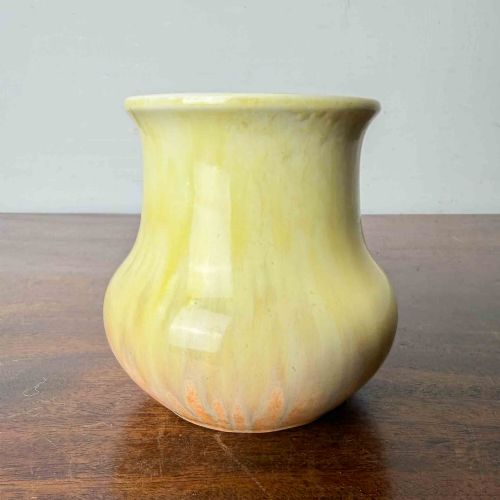
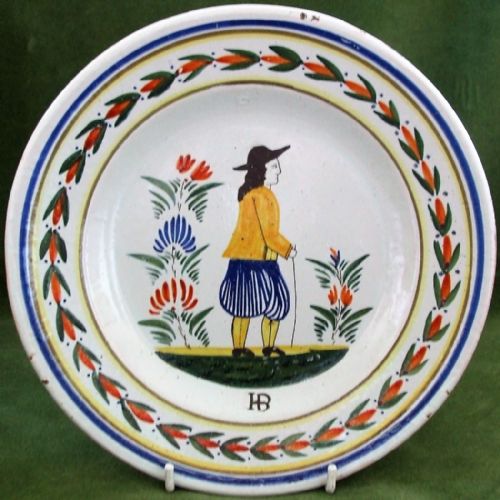
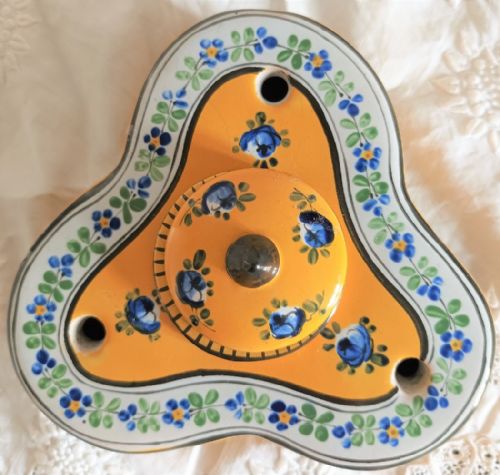
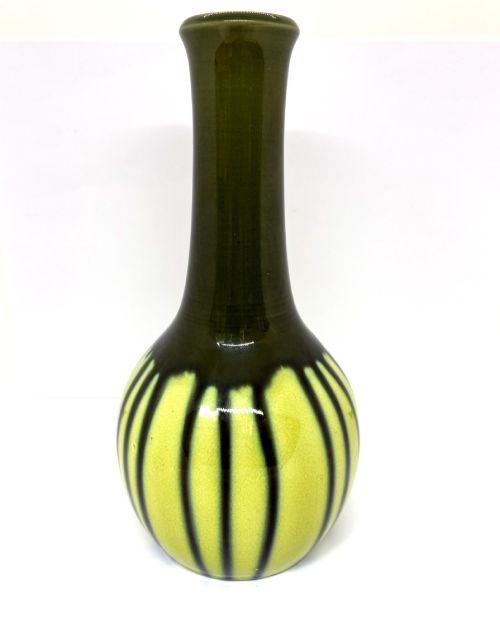
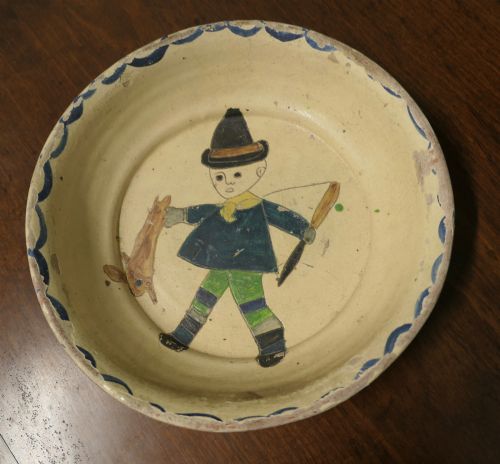
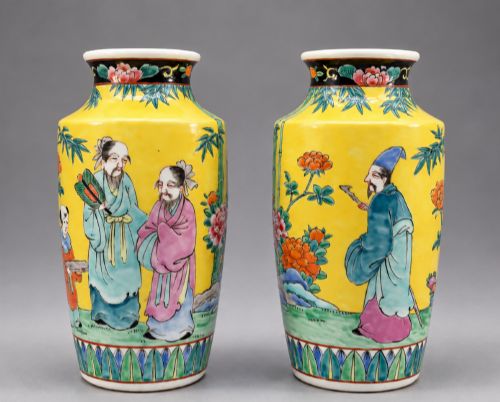
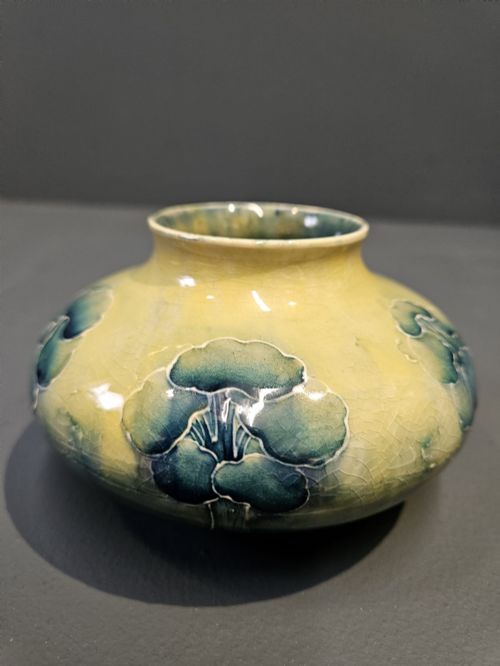
Yellow glaze ceramic pieces bring warm colour and rich historical variety to a room, ranging from vibrant majolica chargers to delicate porcelain vases.
Yellow Glaze Ceramic
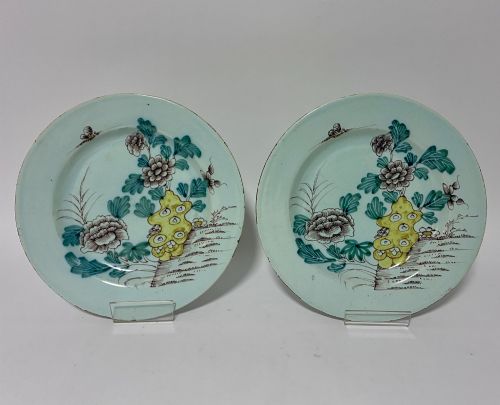
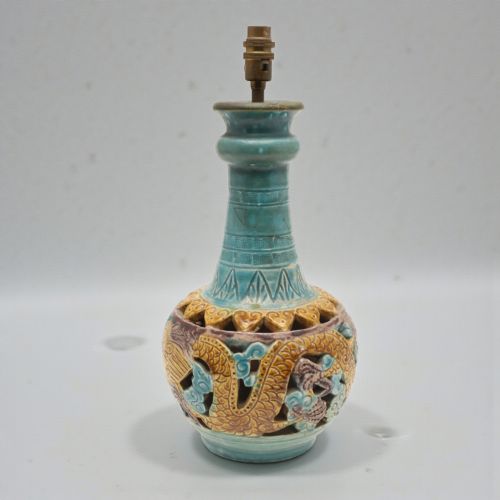
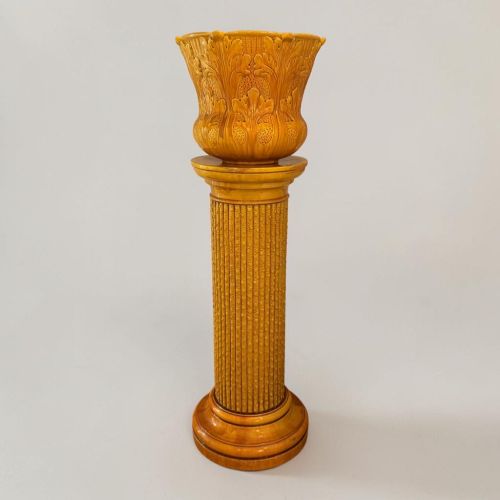
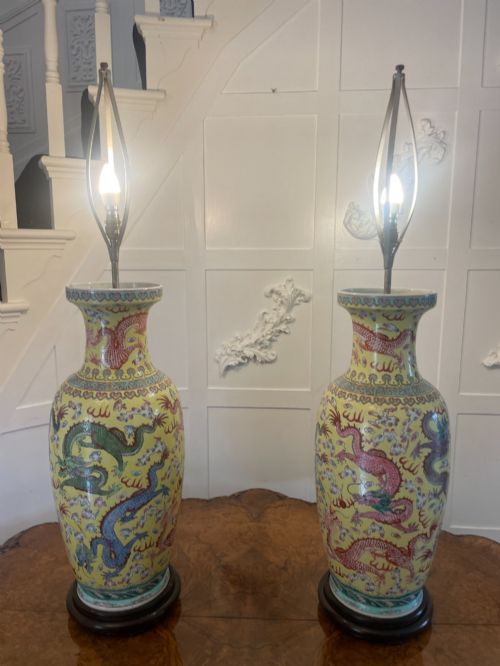
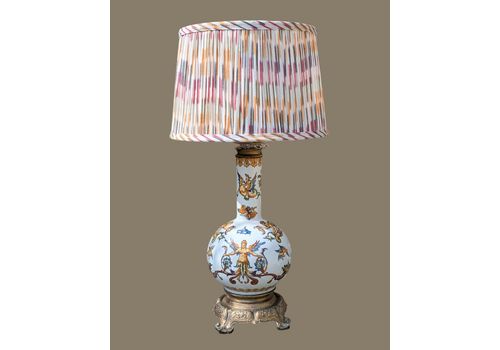
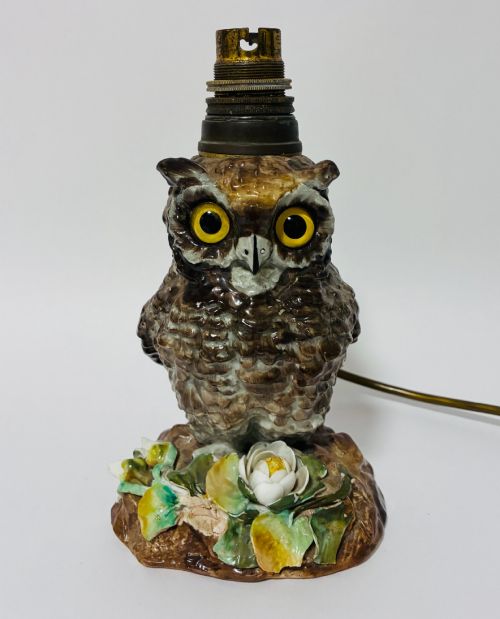
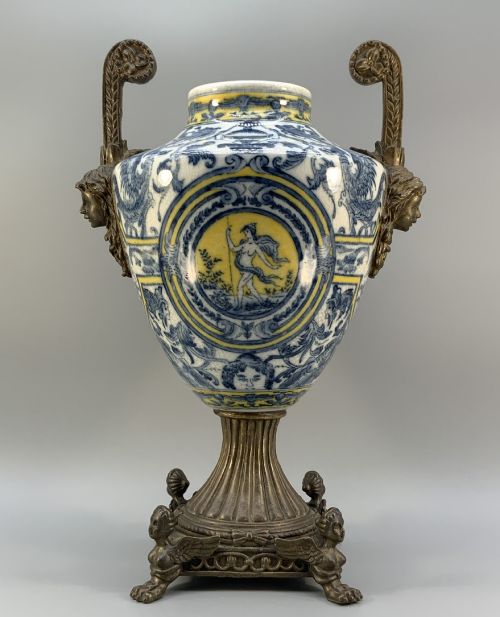
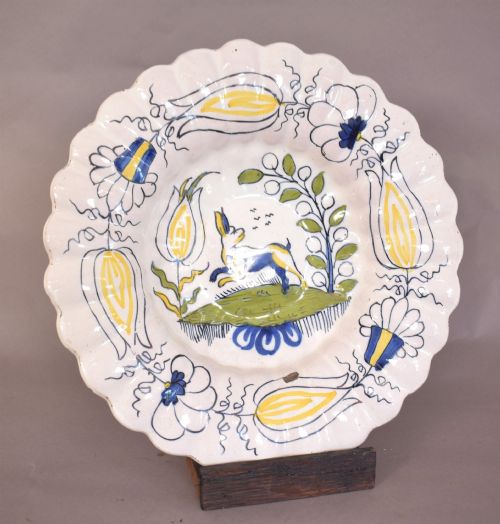
Yellow glaze ceramic items encompass a broad selection of decorative and functional objects, including majolica chargers, pharmacy jars, vases, and table lamps spanning several centuries.
Buyers searching for yellow glaze ceramic typically encounter nineteenth-century revival pieces alongside eighteenth-century tin-glazed dishes and twentieth-century art pottery.
Materials and construction
Potters utilised earthenware, terracotta, and porcelain as foundational bodies, applying specialised metallic glazes to achieve the characteristic yellow surface tones.
Tin glazing and lead-based coloured glazes provided the glossy, opaque finishes seen on many of the chargers, pharmacy jars, and decorative vessels.
Moulding and hand-throwing shaped the clay bodies before firing, often followed by intricate hand-painted polychrome decoration incorporating manganese and yellow pigments.
Yellow Glaze Ceramic Retail Price Guide 2026
Typical asking prices for yellow glaze ceramic among the pieces listed under this phrase on Sellingantiques today, from the lower quarter to the upper quarter. They describe what is for sale here now, not the wider market.
Listings feature items spanning the seventeenth through to the twentieth century, created in earthenware, terracotta, and porcelain.
Assessing quality
The standard of a yellow glaze ceramic piece relies heavily on the precision of the glaze application and the depth of the colour achieved during the firing process.
Artistic execution in hand-painted details, such as complex floral motifs or historical scenes, separates standard production items from exceptional studio works.
Burmantofts Pottery·Théodore Deck·Moorcroft·Minton·Cantagalli·Clarice Cliff·Mason·Chamberlain Worcester
The Yellow Glaze Ceramic Glossary
- Majolica
- Tin-glazed earthenware decorated on an opaque white glaze, often featuring bright colours such as yellow, green, and blue. This technique gained immense popularity during the Renaissance and saw significant revivals in the nineteenth century.
- Faience
- European tin-glazed earthenware, particularly associated with French and Italian traditions. The method involves coating a porous clay body with a metallic oxide glaze to create a smooth painting surface.
- Albarello
- A cylindrical earthenware jar used by apothecaries to store drugs, spices, and ointments. These vessels frequently display painted decoration and regional stylistic markings.
- Chinoiserie
- European artistic style that reflects Chinese decorative influences. Artisans applied these motifs to various ceramic forms, including chargers and vases.
- Sancai
- A tripartite colour glaze scheme traditionally comprising amber-yellow, green, and creamy white. The style originates from ancient Chinese pottery traditions.
Yellow Glaze Ceramic: Frequently Asked Questions
What is yellow glaze ceramic?
Yellow glaze ceramic refers to pottery and porcelain finished with a yellow metallic or tin-based glaze. These pieces span multiple centuries and various global ceramic traditions.
Items range from eighteenth-century Spanish and French chargers to nineteenth-century Italian majolica vases and twentieth-century art pottery.
How do I identify older pieces?
Dating these ceramics involves examining the clay body, glaze characteristics, and any visible maker marks or style indicators. Eighteenth-century pieces often show distinct tin-glazing traits and hand-painted pigments.
Nineteenth-century items frequently draw on Renaissance or regional revival styles, displaying varied manufacturing techniques and specific historical motifs.
Where were these ceramics made?
Production centres were widespread, encompassing European workshops in Italy, France, and Britain alongside traditional kilns in China. Each region developed distinct glaze formulas and decorative styles.
Italian majolica and French faience represent major European traditions, while Chinese kilns produced specialised porcelain and monochrome or polychrome wares.
How should I display them?
Yellow glaze ceramic pieces suit both traditional and contemporary interiors, adding warmth and historical character to a room. Chargers and plaques work well mounted on walls or displayed on plate stands.
Smaller vessels, lamps, and jars function effectively on tables, mantels, and shelves where their glazes catch the light.