
Antique Pottery Vessel
When you search for an antique pottery vessel, you step into a vast history spanning centuries of earthenware, stoneware, and porcelain.
Antique Pottery Vessel
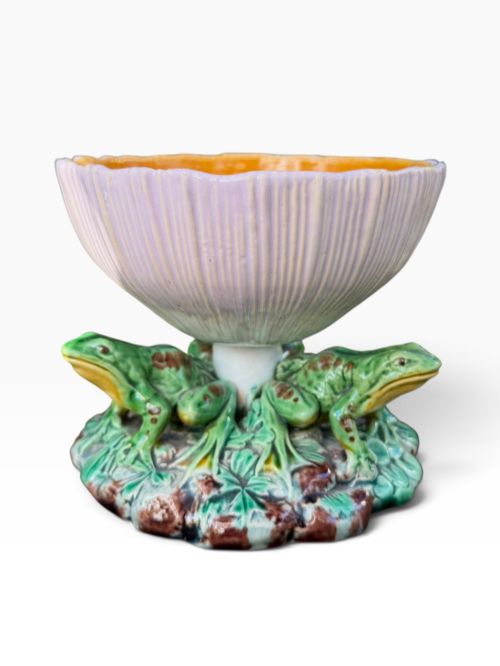
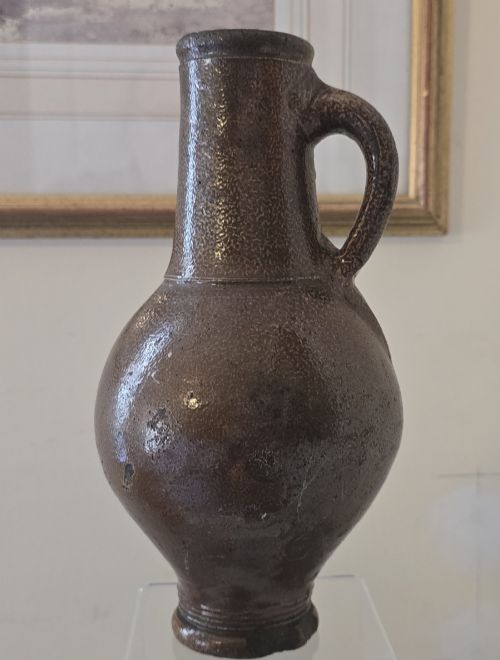
An antique pottery vessel encompasses a wide range of historic objects designed for storage, service, and decoration, appearing in forms such as vases, jugs, pitchers, and apothecary jars. When searching for an antique pottery vessel, buyers encounter utilitarian domestic items alongside highly ornamental pieces created across diverse global traditions.
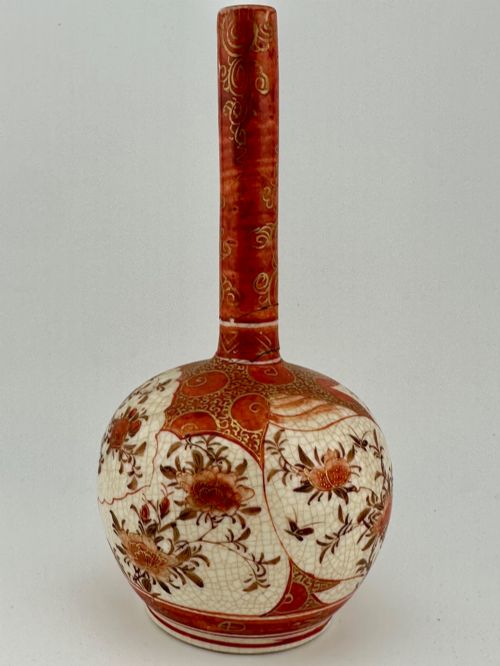
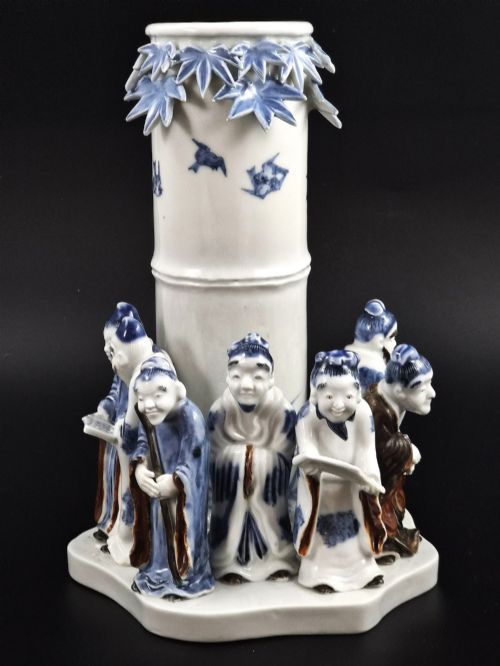
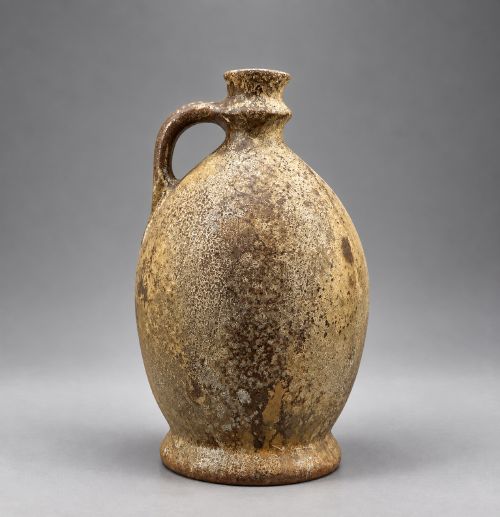
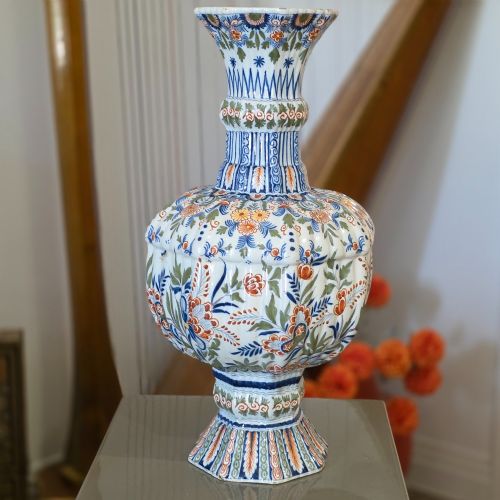
The selections span numerous eras, from pre-Columbian and Chinese dynastic pieces to European delftware, Victorian stonewares, and Art Nouveau designs. On this page, pieces range from large Italian terracotta wine jars and English slipware jugs to intricate Japanese Sumida Gawa pitchers.
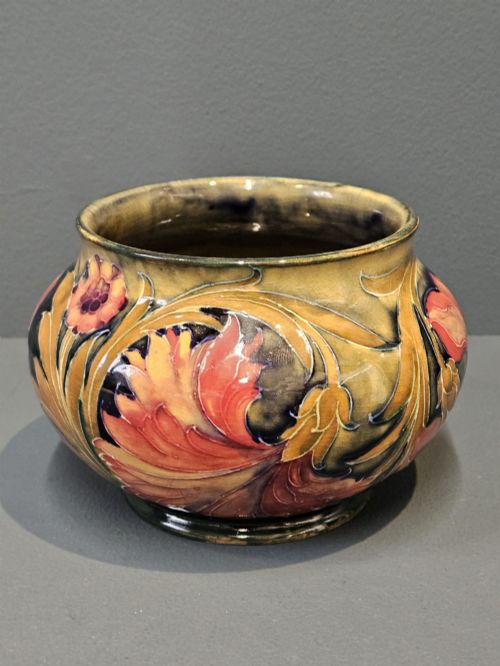
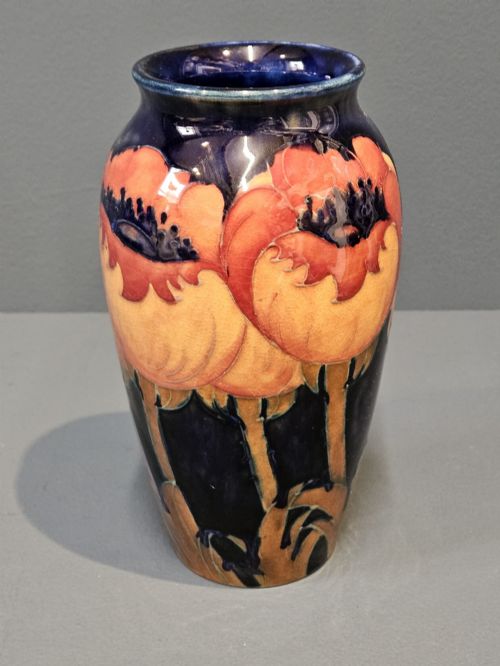
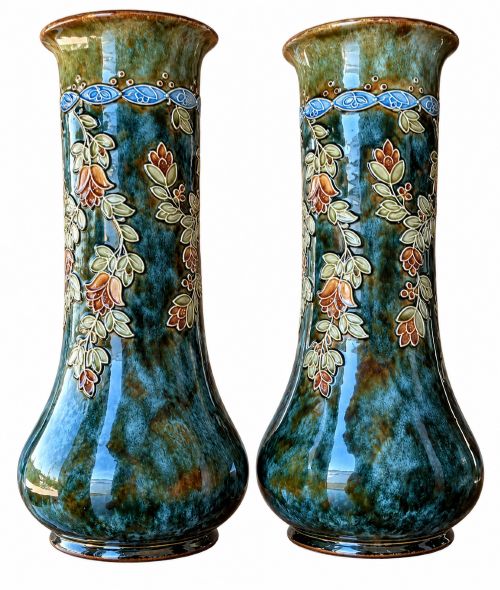
Makers and regional potteries represented include Royal Doulton, Minton, Moorcroft, and various international workshops that shaped ceramic history. Each antique pottery vessel carries the distinct material characteristics and stylistic markers of its period of origin.
How They Were Made
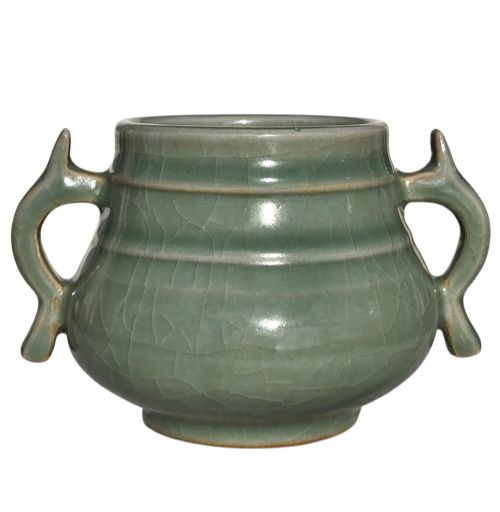
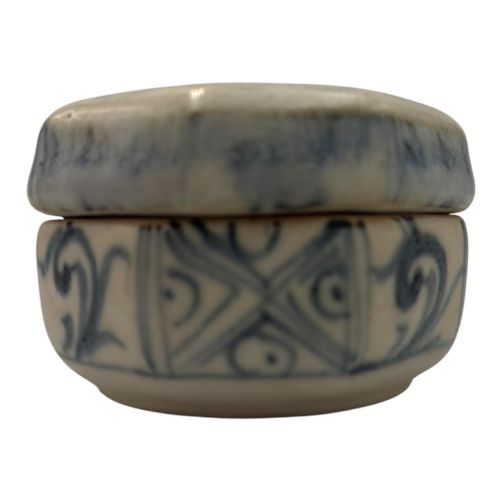
Potters shaped these vessels using fundamental ceramic materials including earthenware, terracotta, stoneware, and porcelain, often finishing them with coloured glazes, enamel, or slip decoration. Techniques varied from hand-coiling ancient terracotta bowls to wheel-throwing European jugs and moulding complex Asian censers.
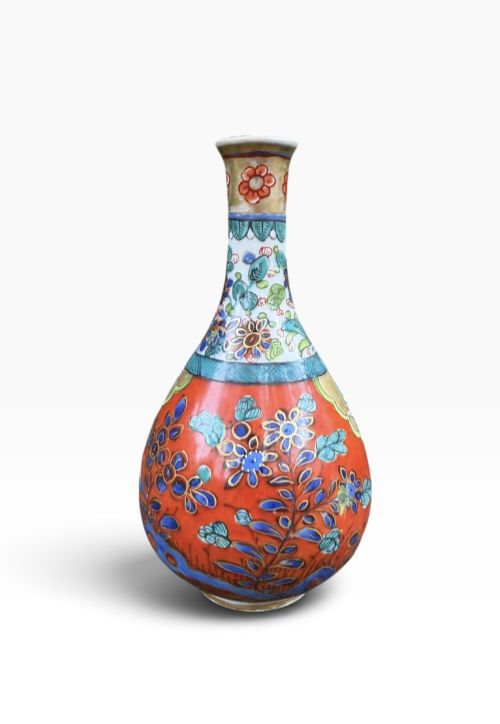
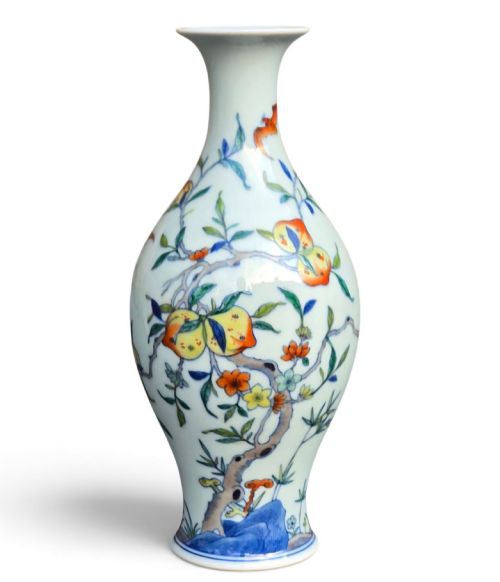
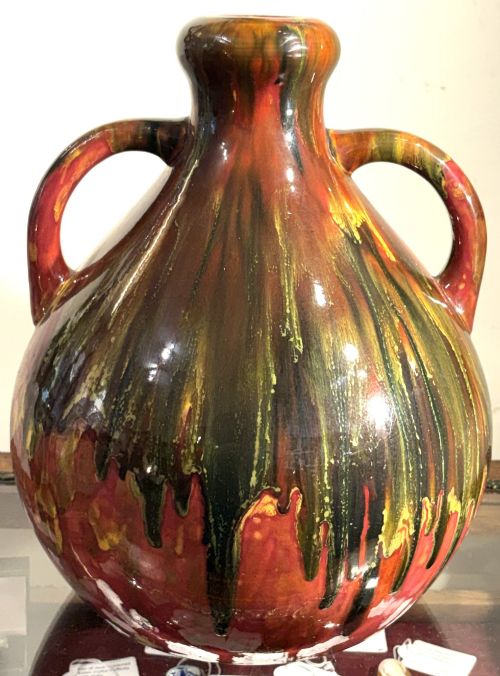
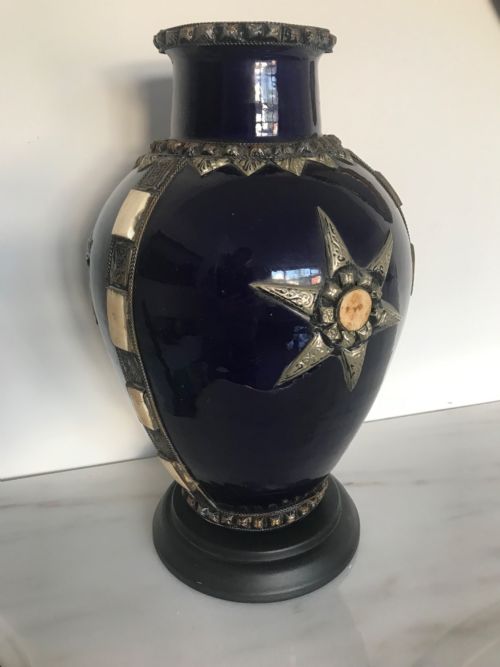
Surface decoration frequently involved tube-lining, hand-painted polychrome pigments, cobalt blue underglazes, and applied metal mounts or cabochons. Firing methods ranged from open wood kilns in ancient eras to industrial kilns capable of high-temperature salt-glazing for dense stonewares.
Early Dutch drinkers baffled guests with puzzle jugs designed to spill wine down careless sleeves unless blocked with a thumb.
What Varies in Quality
The calibre of an antique pottery vessel rests upon the crispness of its moulding or throwing, the control demonstrated in the firing process, and the execution of its glaze or painted decoration. Superior examples display intentional balance in form and meticulous application of surface detail, whether in hand-painted motifs or tube-lined patterns.
Artisanal distinction also emerges from the provenance and reputation of the pottery or studio, alongside the preservation of original mounts, glazes, and pigments over centuries. Pieces that retain their structural integrity while demonstrating sophisticated regional design command greater attention from collectors.
Royal Doulton·Moorcroft·Boch Freres·Davenport
The Antique Pottery Vessel Glossary
- Earthenware
- Porous pottery fired at lower temperatures, typically covered in a glaze to ensure it holds liquids.
- Delftware
- Tin-glazed earthenware originating in the Netherlands, known for its characteristic blue and white painted decoration.
- Stoneware
- Dense, impermeable ceramic fired at high temperatures, often utilised for durable jars, jugs, and utility vessels.
- Slipware
- Pottery decorated with slip, a liquid clay mixture, trailed or brushed onto the body before firing.
- Majolica
- Opaque tin-glazed earthenware featuring colourful polychrome painting, popular across Italian and European traditions.
Antique Pottery Vessel: Frequently Asked Questions
How were antique vessels used?
These vessels served diverse roles ranging from storage for wine, oil, and dry goods to ritual use as incense burners and brush washers. Many domestic examples functioned daily as pitchers, apothecary jars, and tableware.
Over time, numerous decorative forms emerged specifically for display, interior ornamentation, and commemorative purposes. Their utility often dictated their robust material composition, particularly in heavier stonewares and utilitarian jugs.
How can I tell the period?
Dating relies on examining the clay body, glaze characteristics, stylistic markers, and any maker's marks or signatures stamped on the base. Different eras favoured distinct palettes, such as the cobalt blues of early dynasties or the muted tones of Arts and Crafts pieces.
Construction methods also reveal age, as hand-thrown and early moulded techniques differ markedly from later industrial production. Comparing known examples from documented potteries helps narrow down the manufacturing decade.
What is delftware?
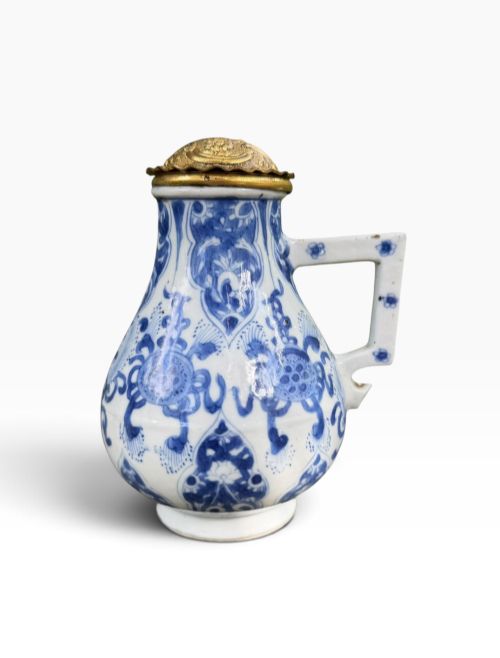
Delftware refers to tin-glazed earthenware produced in workshops across Britain and the Netherlands, frequently decorated in cobalt blue. Potters applied an opaque white glaze over a buff body before painting intricate floral or narrative scenes.
This style drew heavy inspiration from imported Chinese porcelain traded by maritime merchants. It encompasses domestic items like puzzle jugs, apothecary jars, and bough pots.