



Yellow Floral Pottery
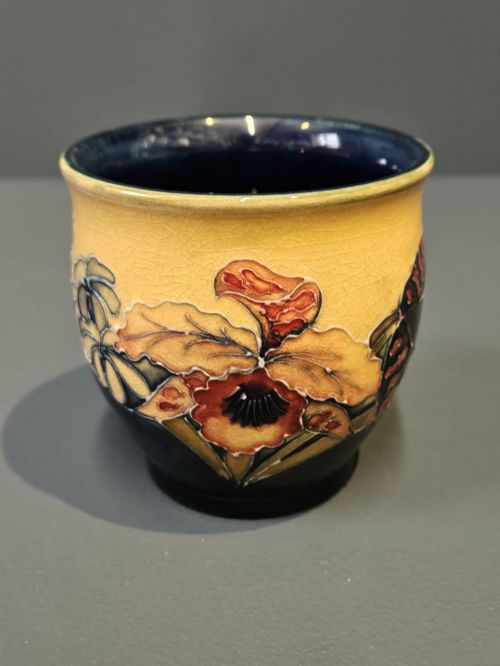
Yellow floral pottery brings bright floral motifs and warm ochre tones into a room, offering a cheerful focal point for any mantelpiece or cabinet.
Yellow Floral Pottery
When you search for yellow floral pottery, you encounter a selection of ceramics united by sunny grounds and botanical painting. The pieces on this page span several distinct eras, bringing together 19th-century works and later 20th-century items.
The assortment includes vases, decorative chargers, architectural tiles, and a tea set. Many examples draw on historical styles such as Arts and Crafts, Art Deco, Art Nouveau, and Chinoiserie.
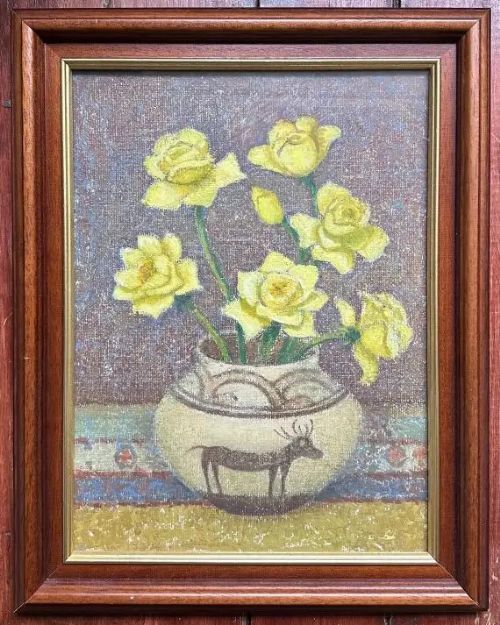
Makers represented in the current selection range from Doulton Lambeth and Royal Doulton to Burmantofts, Mason's Ironstone, and William de Morgan. You will also find paintings depicting floral arrangements in pottery vessels, broadening the visual context of the ceramics.
Materials and construction
Potters relied on earthenware, glazed earthenware, ceramic, ironstone, and porcelain as the primary bodies for these vessels and tiles. These clay bases were shaped on the wheel or moulded before receiving decoration.
Makers applied glazes, enamels, and handpainted pigments to achieve the characteristic yellow grounds and floral details. Firing techniques fixed the colours and created the glossy or matte finishes seen across the items.
Yellow Floral Pottery Retail Price Guide 2026
Typical asking prices for yellow floral pottery among the pieces listed under this phrase on Sellingantiques today, from the lower quarter to the upper quarter. They describe what is for sale here now, not the wider market.
Listings feature earthenware, porcelain, and ironstone objects spanning the nineteenth century and the 1930s, incorporating styles from Art Deco to Chinoiserie.
Judging quality in the range
Quality rests on the precision of the handpainted botanical details and the richness of the yellow ground. Stronger pieces display crisp brushwork and balanced compositions that command attention.
The reputation of the pottery or artist elevates certain works above standard production pieces. Attributions to named designers and signed examples demonstrate superior factory output and artistic ambition.
Emma Fordyce MacRae·Doulton Lambeth·Clarice Cliff·Royal Doulton·Burmantofts Faience·Royal Bonn·Mason s Ironstone·William de Morgan
The Yellow Floral Pottery Glossary
- Faience
- Tin-glazed earthenware decorated with opaque colours before firing. This technique allowed makers to achieve vibrant painted surfaces on pottery bodies.
- Ironstone
- A dense, durable type of ceramic patented in the 19th century as a tough alternative to porcelain. It takes enamel decoration exceptionally well.
- Famille Rose
- A palette of opaque enamels dominated by pink, used extensively in Chinese ceramics. Pieces in this tradition often feature complex floral and oriental motifs.
- Charger
- A large ornamental decorative plate meant for display rather than dining. These pieces typically hang on walls or sit upright on sideboard stands.
- Slaters Patent
- A ceramic decoration technique involving lace pressed into damp clay before glazing and firing. This created a textured background pattern beneath the painted design.
Yellow Floral Pottery: Frequently Asked Questions
How do I display these ceramics at home?
Place vases on windowsills or mantels where natural light can catch the yellow glazes and floral painting. Chargers look best mounted securely on walls or displayed on sturdy plate stands.
Keep ceramics away from high-traffic edges where accidental knocks might occur. Grouping items of varying heights adds visual depth to a display cabinet.
What periods do these pieces come from?
The selection spans from the nineteenth century through to the 1930s. You will find Victorian Arts and Crafts works alongside later Art Deco items.
Earlier examples often feature heavy industrial pottery bodies, while 1930s pieces showcase bolder modernist forms and brighter enamels.
How were these decorative items used?
Vases held cut flowers or stood empty purely as decorative objects in reception rooms. Architectural tiles were built into fireplaces, walls, or furniture schemes.
Chargers and decorative plates served as wall art to add colour to Victorian and Edwardian interiors. Tea sets were utilised for formal afternoon gatherings.
Can I use these vessels for fresh flowers?
Most antique ceramic vases can hold water safely, but check the interior for any historical hairline cracks before filling them. Unglazed areas inside older pieces require extra care.
Hand wash these ceramics gently with lukewarm water rather than placing them in a dishwasher. Sudden temperature changes can stress fragile historical glazes.