



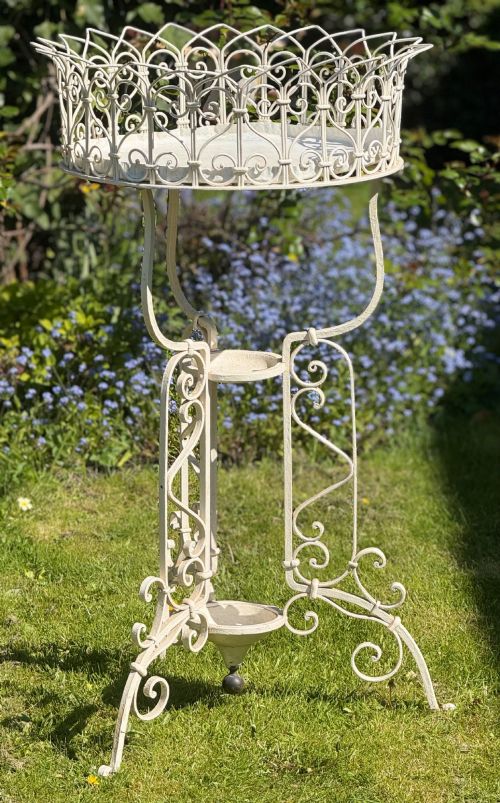


Vintage Flower Holders
Vintage flower holders encompass everything from porcelain posy vases to heavy brass jardinières designed to display stems.
Vintage Flower Holders
When someone searches for vintage flower holders, they encounter a diverse array of vessels intended to display cut stems, potted plants, and garden blooms. These objects range from Victorian silver posy vases and Edwardian spill vases to large copper jardinières and Art Deco chrome vessels.
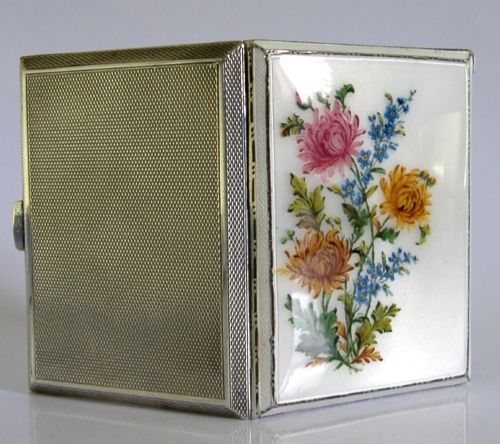
The most common versions on this page are metal planters, porcelain vases, and silver-plated containers dating from the late nineteenth century through the early decades of the twentieth century. Many reflect specific design movements like Art Nouveau and Arts and Crafts, incorporating organic motifs or hand-painted details.
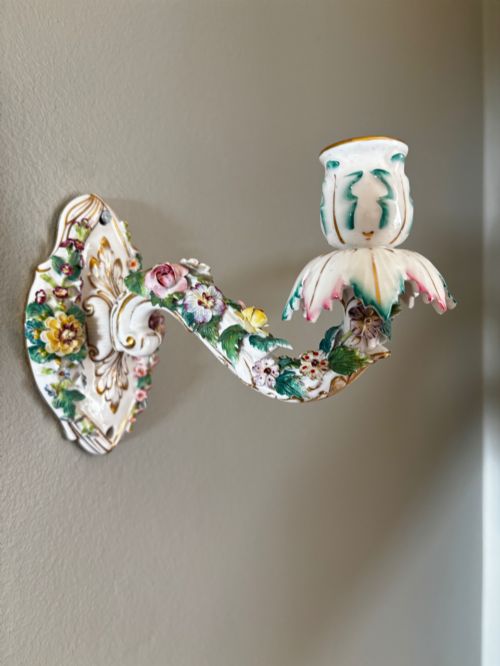
Vessels span functional indoor planters, delicate table centrepieces, and wall-mounted sconces. Buyers select them to bring period character to domestic interiors while fulfilling the practical role of holding floral displays.
Materials and construction
Makers utilised a variety of metals, notably brass, copper, silver plate, and sterling silver, often shaping them through hand-beating, casting, or spinning. Items from the Arts and Crafts period display visible hammered textures and riveted construction, whilst Art Nouveau examples favour flowing, organic contours.
Ceramic pieces rely on earthenware, porcelain, and ironstone bodies, decorated with hand-painted scenes, enamel, or lustres. Famous potteries applied detailed wildlife and botanical artwork to porcelain bodies, sometimes pairing ceramics with metal mounts like ormolu or silver plate.
The selection spans multiple periods, including the Victorian era, the Edwardian years, and the Art Deco movement.
Evaluating quality and execution
The distinction between standard domestic wares and finer pieces rests upon the precision of the craftsmanship and the artistic merit of the decoration. Hand-painted porcelain scenes by named artists command greater attention than simple transfer-printed alternatives, displaying finer brushwork and depth of colour.
In metalwork, the weight of the brass or copper, the crispness of chased details, and the integrity of original stands or liners determine the calibre of the piece. Superior examples retain their original surface patination and structural soundness without heavy alterations or mismatched components.
J Sankey and Sons·Royal Doulton·Beldray Ltd·Karl Palda·Charlotte Rhead
The Vintage Flower Holders Glossary
- Jardinière
- A large decorative pot or stand designed to hold a plant or floral arrangement, usually positioned on the floor or a dedicated base. These vessels appear frequently in brass, copper, and ceramic materials.
- Spill vase
- A narrow vertical container traditionally used to hold wooden spills for lighting fires or candles. They evolved into decorative receptacles for single stems or small posies.
- Posy vase
- A small vessel created specifically to hold a compact bunch of short-stemmed flowers. Victorian and Edwardian examples often feature weighted bases and slender necks.
- Ormolu
- Gilding technique utilising a gold-coloured alloy applied to bronze mounts on decorative objects. This finish frequently adorns nineteenth-century porcelain candelabra and centrepieces.
- Spill
- A thin strip of wood or rolled paper used to transfer a flame from a hearth to a candle or pipe. Spill vases kept these useful items tidy near the fireplace.
Vintage Flower Holders: Frequently Asked Questions
What is a jardinière used for?
A jardinière functions as an ornamental pot to house potted plants or substantial floral displays within a room. These large vessels sit on tables, original stands, or directly on the floor.
Historically, they protected surfaces from moisture while adding a decorative focal point to Victorian and Edwardian interiors. Today, collectors use them for indoor house plants or as standalone decorative objects.
How do I date a silver posy vase?
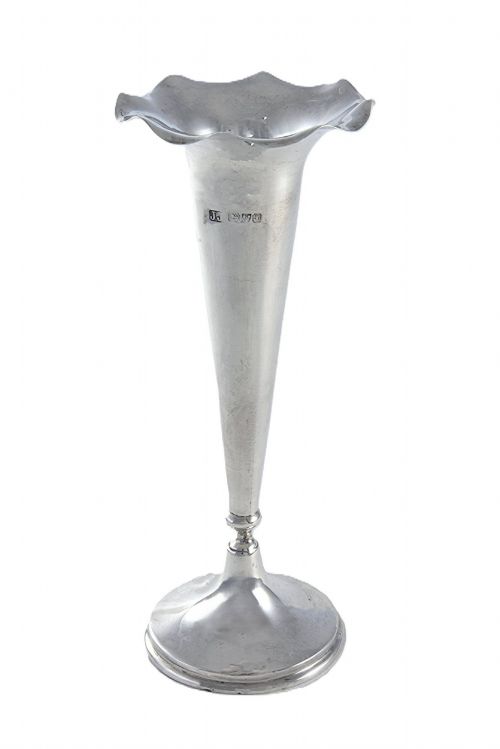
Dating a silver posy vase relies on examining the hallmarks stamped into the metal. These small marks reveal the assay office, the maker's mark, and the specific year of manufacture.
If hallmarks are absent, stylistic cues such as Edwardian proportions or Victorian ornamentation provide a reliable chronological window. Comparing the form against known design periods narrows down the decade of production.
Are these vases suitable for daily use?
Many vintage flower holders remain entirely functional for displaying fresh blooms and arrangements. Metal and glazed ceramic vessels tolerate water well when handled with standard care.
Delicate porcelain pieces or items with delicate enamelling require gentle hand washing rather than immersion. Careful handling preserves the historical surface finish and any hand-painted artwork.
What distinguishes Art Nouveau flower holders?
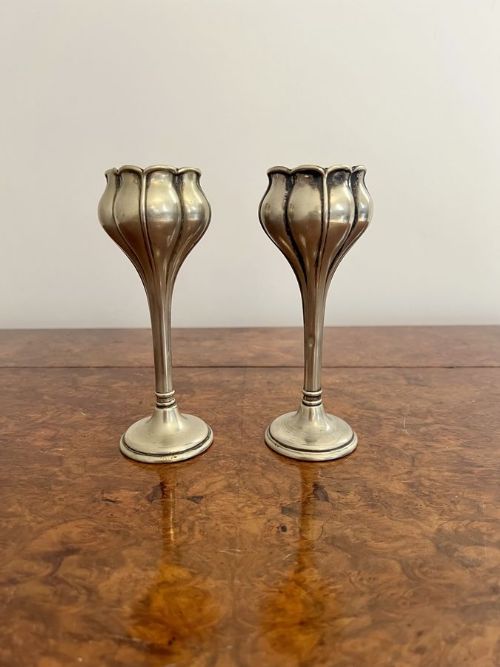
Art Nouveau flower holders feature characteristic asymmetrical lines, whiplash curves, and motifs inspired by natural plant forms. Brass and copper planters from this era often display stylized floral or insect reliefs.
This aesthetic rejected rigid Victorian geometry in favour of flowing, organic silhouettes. Such pieces frequently bear maker marks or attribution to workshops active around nineteen hundred.