
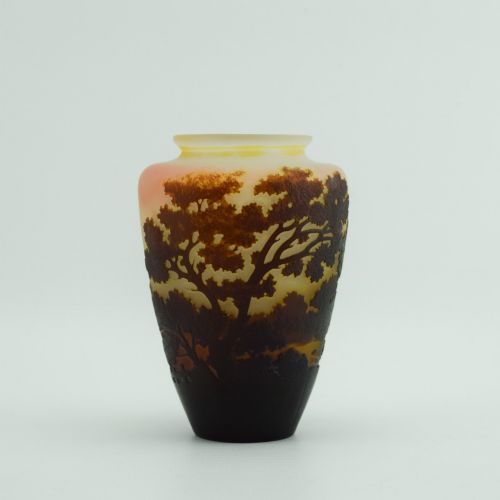


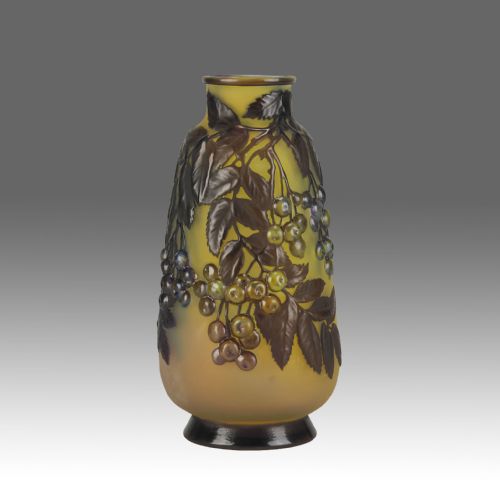


Yellow Art Glass Vase
A yellow art glass vase brings concentrated warmth and exceptional coloration into a room, capturing light through layered techniques.
Yellow Art Glass Vase
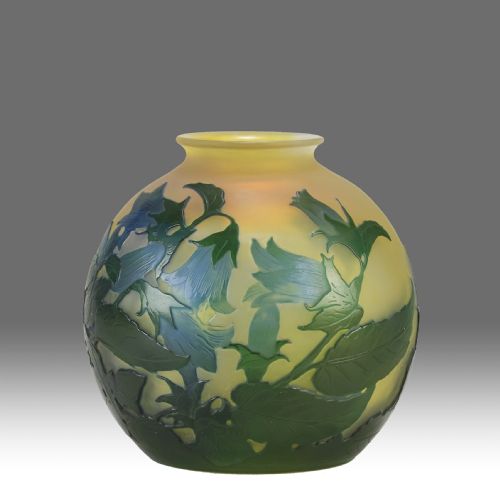
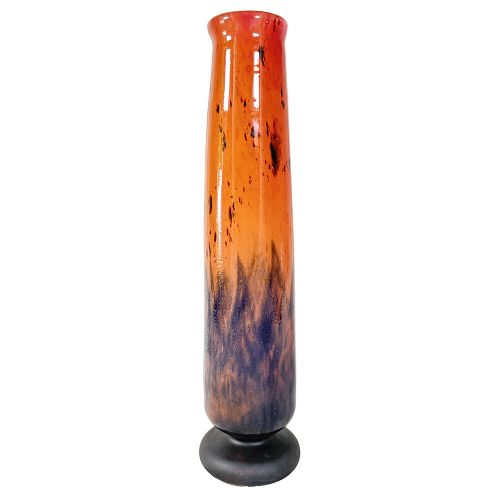
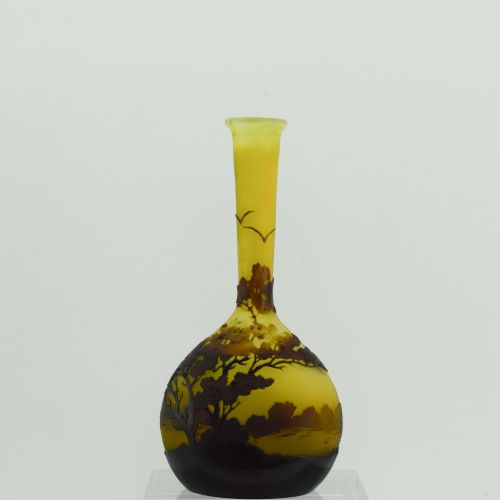
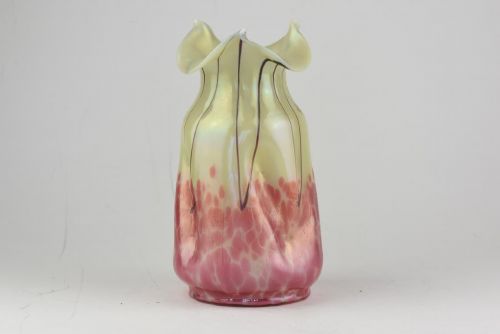
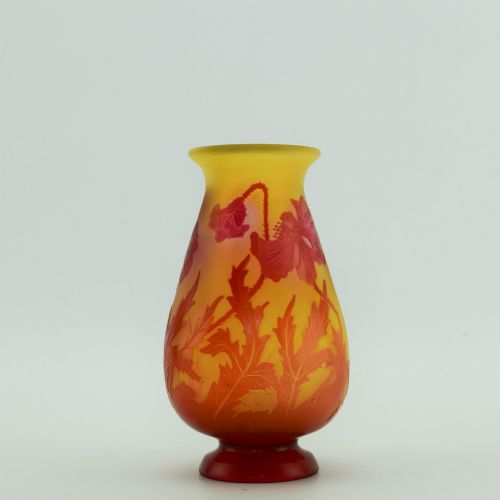
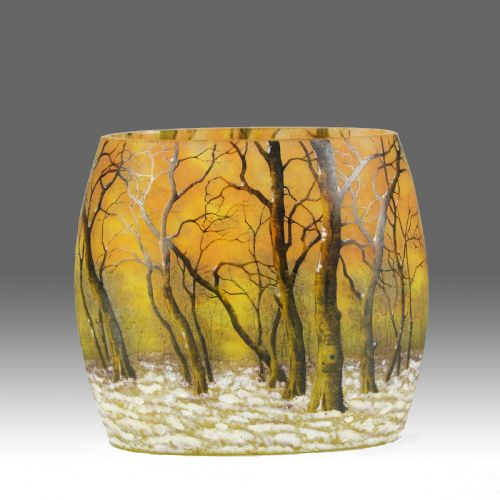
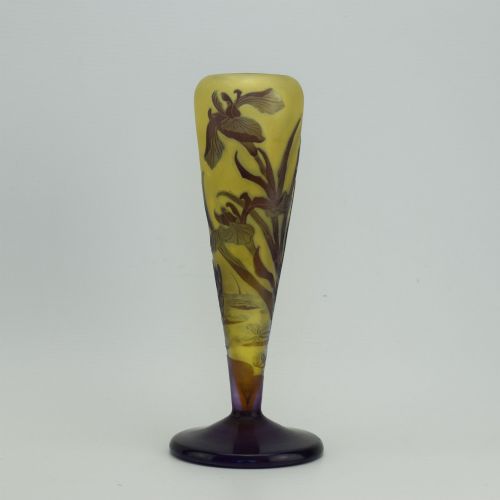
Art Nouveau examples display organic floral motifs including irises, poppies, and cornflowers rendered in cameo glass. Art Deco pieces introduce geometric etching and vibrant tones utilising uranium or enameled glass. Vases range from small cabinet pieces to tall floor-standing vessels created in Bohemia and France.
Distinguishing quality
The precision of the cameo carving and the depth of the acid-cutting separate standard production from masterworks. Crisp delineation between floral motifs and the background field indicates superior technical execution.
Harmony in the colour graduation and the weight of the blown glass establish the caliber of the piece. The finesse of hand-applied enamel work and the clarity of the signature dictate desirability among collectors.
Certain yellow vases contain uranium content that makes them glow an unexpected neon green when exposed to ultraviolet light.
Emile Gallé·Daum Freres·Loetz·Pallme Konig·Karl Palda·Legras·Paul Nicholas·Thomas Webb And Sons·Moser
The Yellow Art Glass Vase Glossary
- Cameo Glass
- Glass vessels formed with multiple distinct layers of different colours, allowing carvers to cut away the exterior layer to create raised designs. This method requires immense skill to maintain uniform depth across the surface.
- Acid-Etched Glass
- Glass exposed to hydrofluoric acid to eat away exposed surfaces and create frosted patterns or textured backgrounds. It replaced manual wheel-cutting for many decorative vessels.
- Iridescent Glass
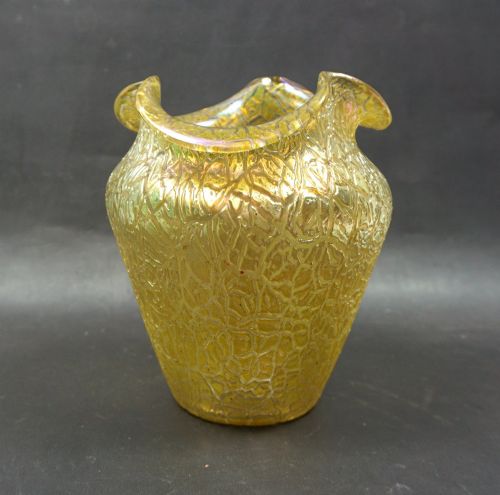
- Glass treated with metallic salts while hot to produce a shimmering, rainbow-like sheen across the surface. This technique mimics ancient weathered glass discovered in archaeological excavations.
- Vaseline Glass
- Glass containing uranium dioxide that glows a bright yellow-green under ultraviolet light. It enjoyed immense popularity during the Victorian and Edwardian eras.
- Enamel
- Opaque glass paste painted onto the surface of a vessel and fired to fuse permanently with the base glass. It adds vibrant secondary colours and raised decorative details.
Yellow Art Glass Vase: Frequently Asked Questions
What periods do these vases come from?
The pieces span from the late nineteenth century through the mid-twentieth century, capturing distinct design movements.
Art Nouveau and Victorian examples sit alongside Art Deco and mid-century modern works.
Where were these pieces manufactured?
Production centres were concentrated primarily in France and Bohemia during the height of the art glass movements.
Master workshops in Nancy and Prague produced the majority of signed cameo and enameled vessels.
How should I display art glass?
Place vases near natural light sources to illuminate the layered colours and internal textures of the glass.
Ensure stable surfaces away from direct edges to protect delicate blown and cameo vessels.