

Writing Cabinet with Drawers
A writing cabinet with drawers offers practical storage alongside a dedicated workspace, appearing across Georgian, Victorian and Edwardian periods in mahogany, oak and walnut.
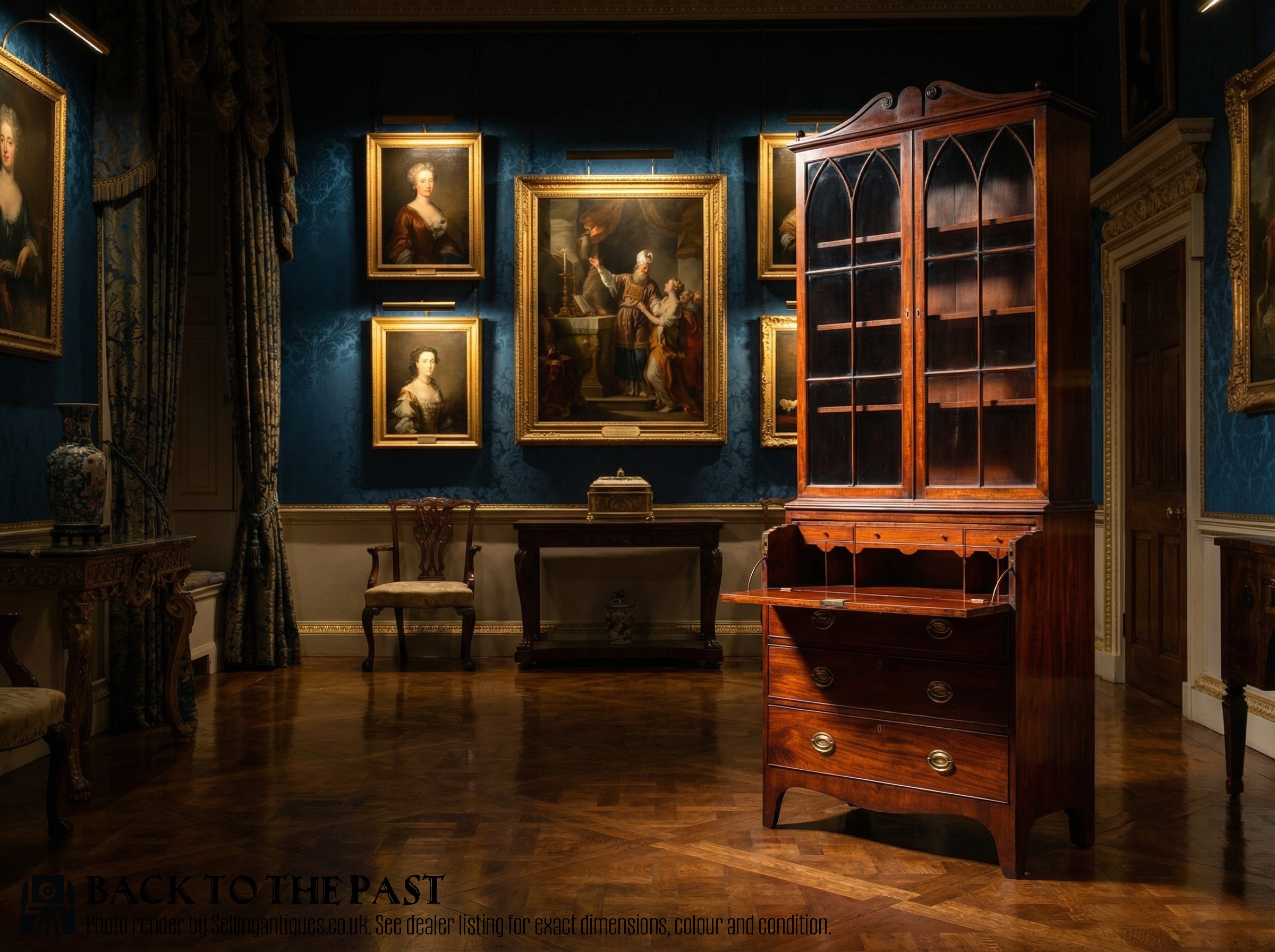
Writing Cabinet with Drawers
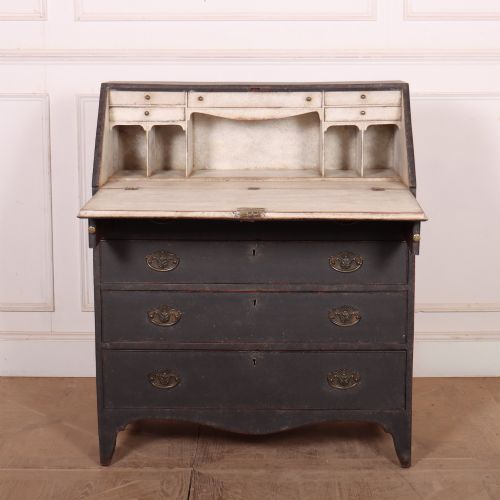
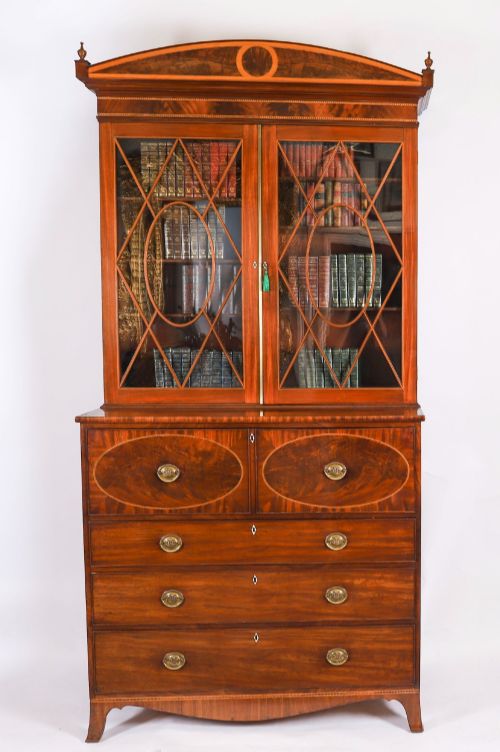
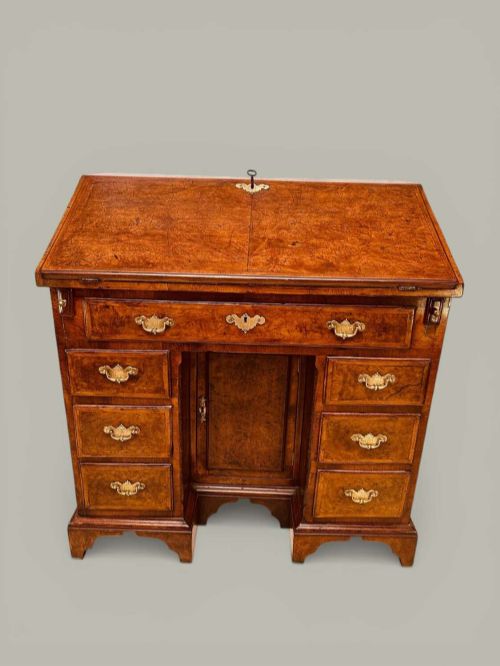
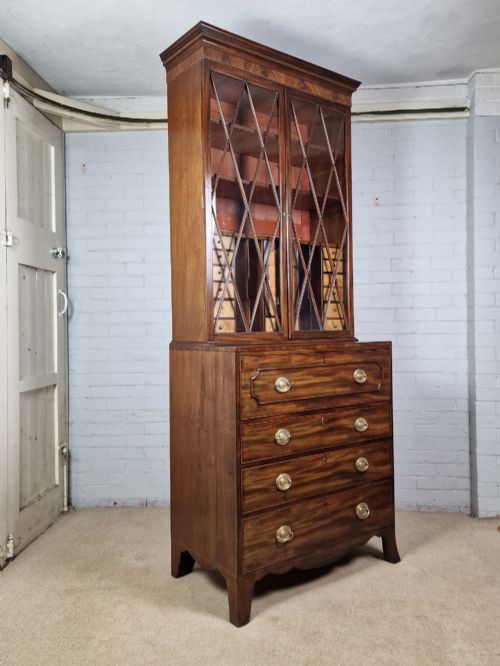
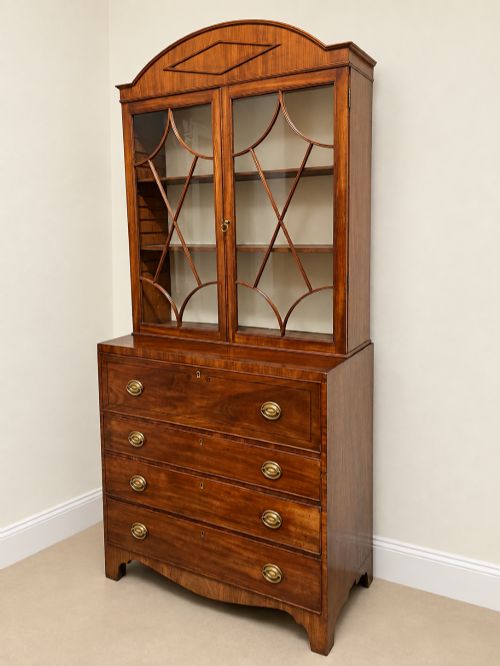
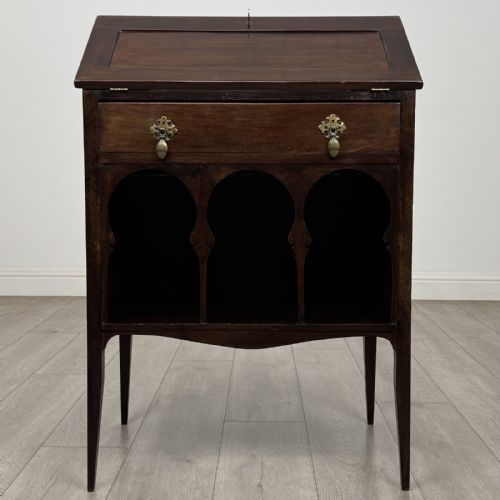
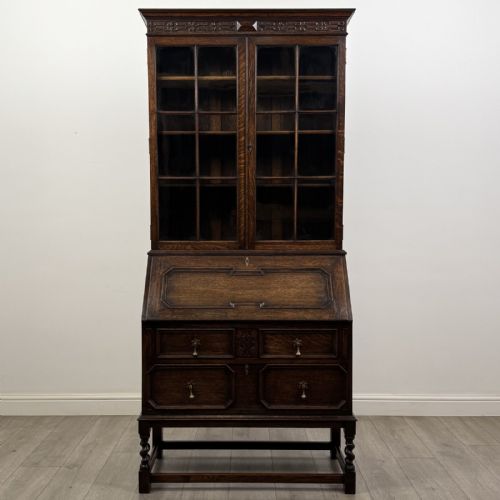
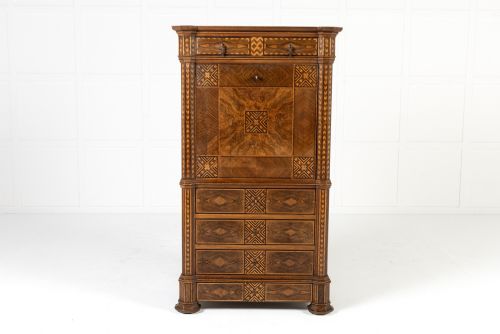
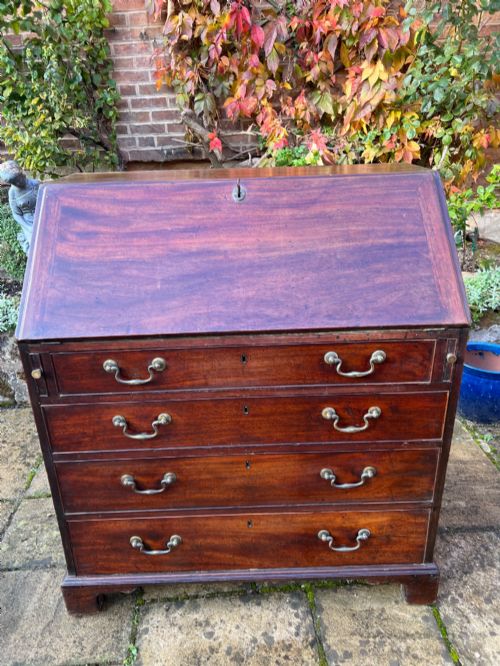
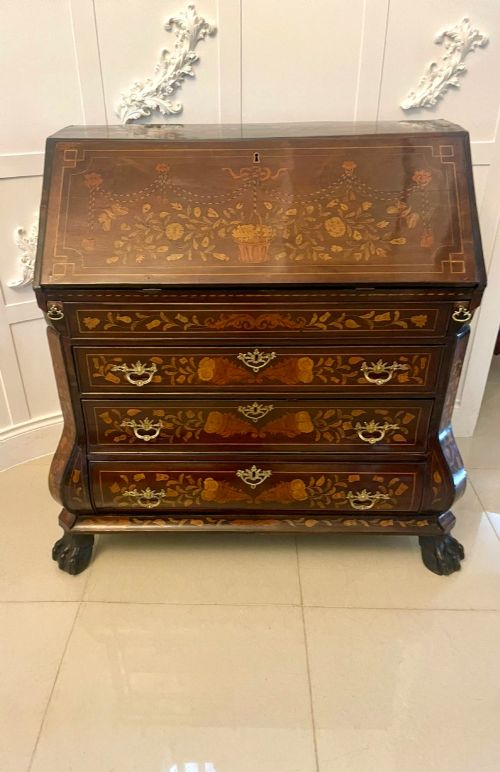
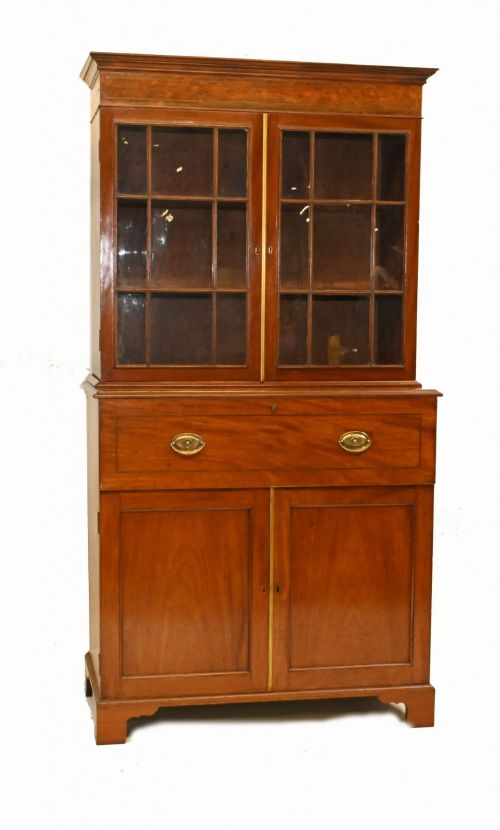
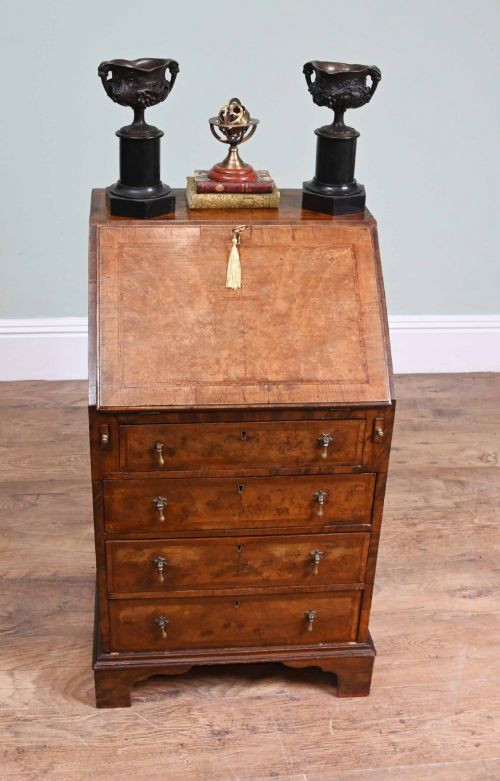
A writing cabinet with drawers combines compartmentalised storage with a surface for correspondence, drawing heavily on eighteenth and nineteenth-century forms. The selection here leans towards traditional bureaux, fall-front desks and bureau bookcases.
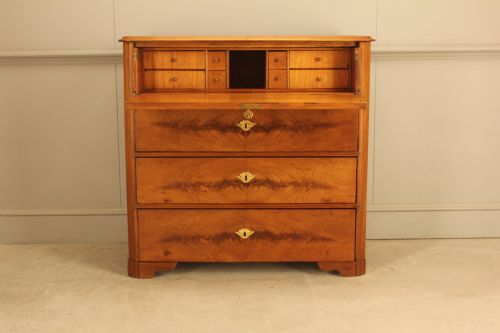
Makers utilised various formats, from compact George III mahogany examples to larger Victorian and Edwardian oak interpretations. Buyers frequently encounter fall-front configurations that conceal internal pigeonholes and small drawers.
The objects serve dual functions as display furniture and working desks, incorporating glazed bookcases or lower drawer stacks. Walnut, mahogany and oak dominate the visible inventory across Georgian and later eras.
Materials and construction methods
Cabinetmakers constructed these pieces primarily in solid timber and veneers, selecting figured mahogany, burr walnut and quarter-sawn oak for external surfaces. Secondary woods internal to the drawer construction typically include oak or pine.
Surface enhancement involved decorative inlay work using satinwood or boxwood stringing, alongside brass drop handles and escutcheons. Fall-front writing slopes frequently incorporated inset panels of tooled leather for writing comfort.
Writing Cabinet with Drawers Retail Price Guide 2026
Typical asking prices for writing cabinet with drawers among the pieces listed under this phrase on Sellingantiques today, from the lower quarter to the upper quarter. They describe what is for sale here now, not the wider market.
Distinctions in craftsmanship
Quality rests in the selection of timber veneers, such as flame mahogany or figured walnut, matched symmetrically across the fall front and drawer faces. Superior pieces display precise dovetail joinery within the drawer interiors and original brass hardware.
The refinement of internal stationery compartments, secret drawers and secondary pigeonholes indicates the standard of workshop production. Integration of delicate satinwood stringing and secondary inlay distinguishes higher-tier cabinet work from plain utilitarian examples.
Gillows·Gillow and Co·J A Mein
The Writing Cabinet with Drawers Glossary
- Bureau
- A desk featuring a sloping fall-front that opens to reveal internal compartments and small drawers. This form remains central to antique writing furniture.
- Fall-front
- A hinged writing flap that drops into a horizontal position for use. It conceals the working interior when closed.
- Secretaire
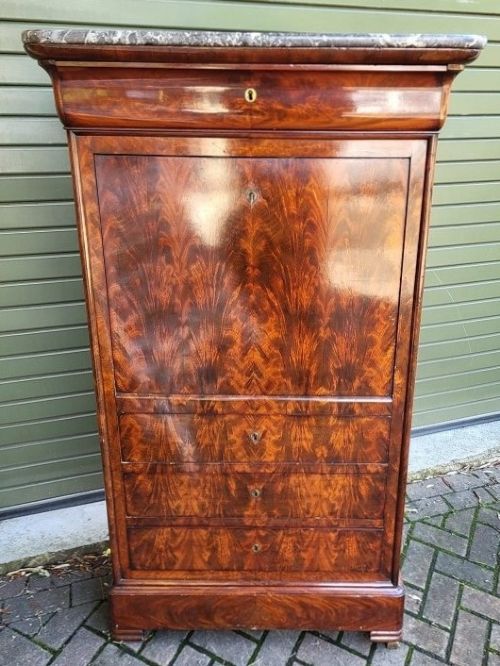
- A cabinet or bookcase incorporating a pull-out or drop-down writing drawer. It merges storage with a concealed desk space.
- Davenport
- A compact desk featuring a sloping top and a bank of drawers to one side. These pieces emerged during the Regency period.
- Escritoire
- A tall writing cabinet equipped with a drop writing surface and numerous internal drawers. The term applies frequently to earlier walnut pieces.
Writing Cabinet with Drawers: Frequently Asked Questions
What is a writing cabinet with drawers?
A writing cabinet with drawers is a traditional piece of furniture designed for correspondence and storage. It typically combines a sloping desk surface or fall-front with functional drawers beneath.
These pieces range from compact Georgian mahogany bureaux to larger Victorian and Edwardian bookcase combinations. They provide enclosed work spaces alongside shelving or lower drawer storage.
How do you use a fall-front desk?
The hinged front panel drops down to create a horizontal writing surface supported by internal arms or brackets. This reveals an arrangement of small pigeonholes and letter drawers.
When writing is finished, the panel lifts vertically and locks shut to conceal papers and stationery. This keeps the room tidy while protecting the interior contents.
How do I identify a Georgian bureau?
Georgian bureaux usually feature solid mahogany or walnut construction with hand-cut dovetails on the drawer linings. The proportions tend to be robust, supported by bracket feet or ogee feet.
Interior compartments often feature secret sliding compartments or shaped pigeonholes. Brass handle hardware on early examples is typically cast rather than stamped.
Where should I place a bureau in my home?
Bureaux function effectively in living rooms, studies or bedrooms as working desks and display surfaces. Their enclosed fronts conceal working clutter when not in use.
Position the piece away from direct sunlight and heat sources to protect timber veneers and leather writing surfaces. Ensure adequate clearance in front for the fall-front flap to open fully.