






Woven Wool Runner Rug
A woven wool runner rug brings traditional texture to long corridors, carrying centuries of design from Persian and Caucasian workshops.
Woven Wool Runner Rug
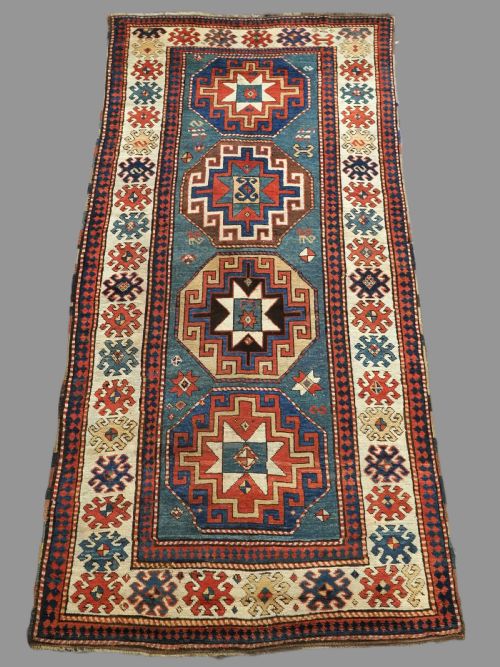
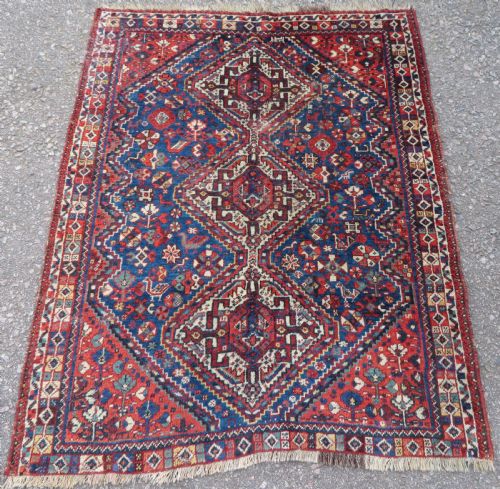
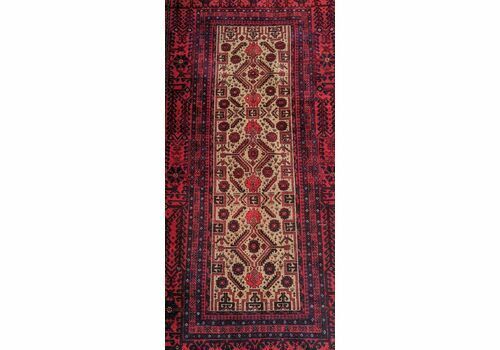
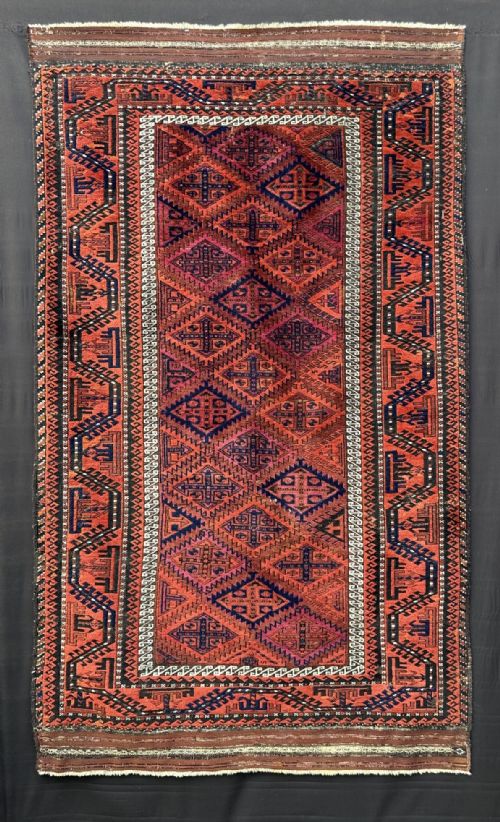
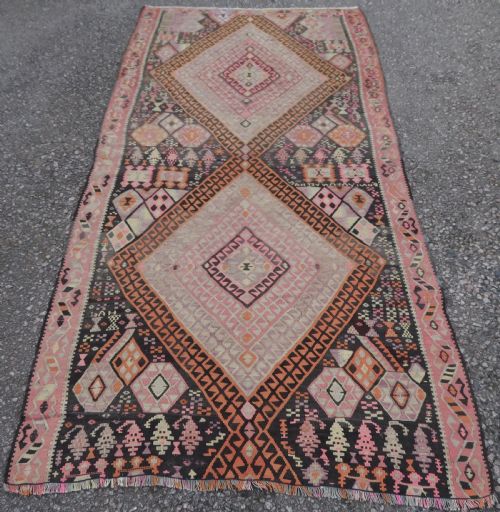
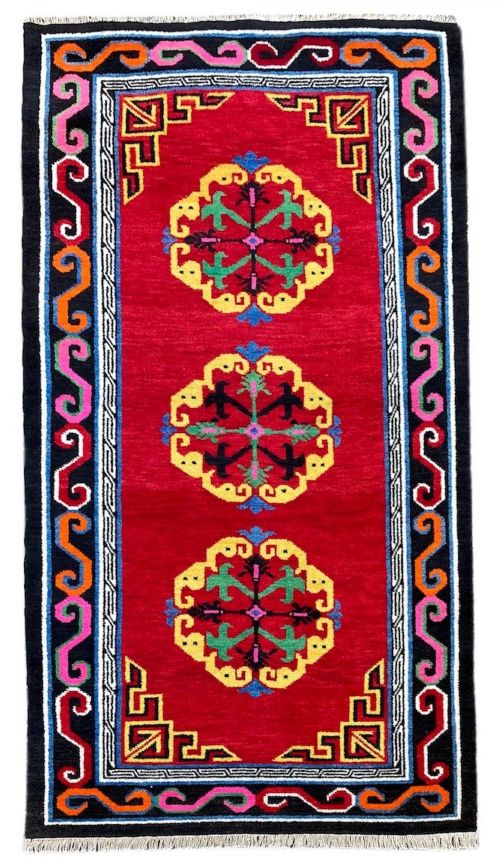
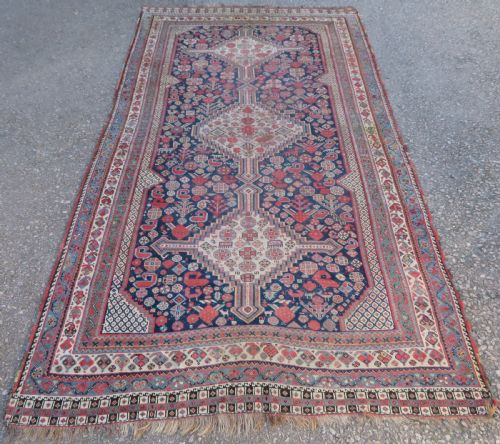
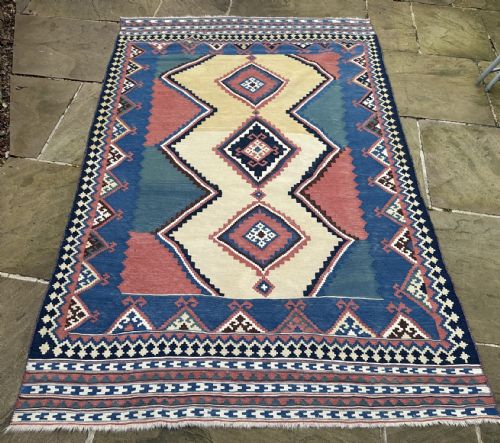
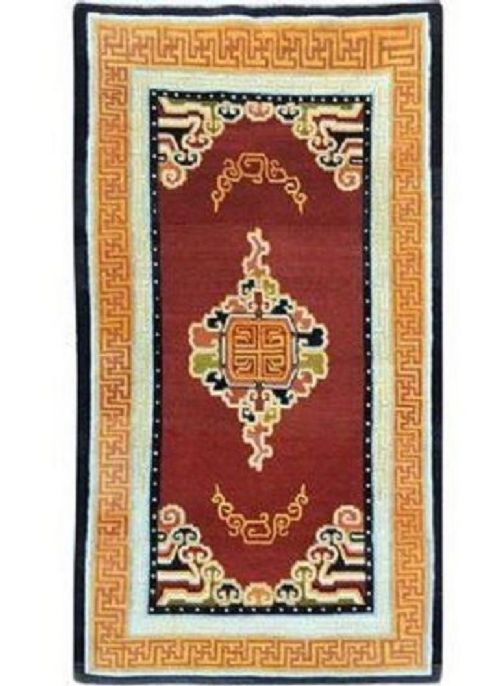
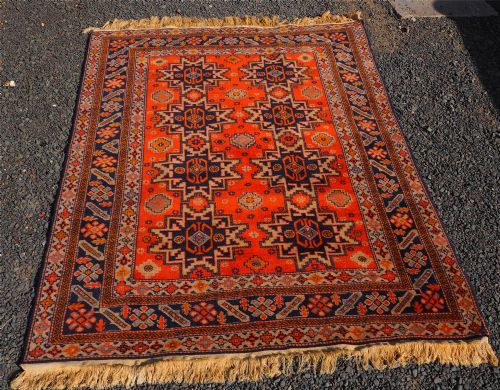
A woven wool runner rug provides narrow, elongated flooring designed specifically for corridors, hallways, and long rooms. These textiles emerge from diverse traditions, including Persian, Caucasian, Kurdish, and Tibetan weaving communities.
The selections span from the mid-nineteenth century through the 1930s, displaying traditional tribal patterns alongside village motifs. Buyers encounter pieces created for domestic utility that now function as decorative hallway runners and gallery carpets.
Regional origins shape the visual character, from geometric Caucasian Kazak designs to curving floral Persian styles. Each runner reflects the specific heritage of the weavers who knotted wool by hand in village homes and nomadic camps.
How they were made
Craftspeople constructed these textiles using hand-spun wool for the pile and cotton or wool for the foundational warp and weft threads. Artisans sourced natural dyes to colour the fibres, producing rich tones that age with distinct character over decades.
Weavers knotted the wool by hand onto upright looms, securing each row with horizontal weft threads to build dense, durable floor coverings. Flat-woven varieties like kelims utilised interlocking or slit-tapestry techniques without a raised pile.
Listings span multiple decades from 1850 through the 1930s, featuring wool and cotton materials across Persian, Caucasian, and Tibetan regional styles.
What varies in quality
Knot density and structural tightness determine the foundational integrity of each runner, influencing how firmly the wool pile holds its shape under foot traffic. Finer knotting permits sharper geometric outlines and more detailed figurative motifs.
The purity and saturation of natural dye colours separate exceptional pieces from standard examples, as certain vegetable dyes achieve deep, complex patination over time. The consistency of the hand-spun wool and the precision of the tribal border work further distinguish finer regional carpets.
The Woven Wool Runner Rug Glossary
- Pile
- The upright yarn loops or cut ends that form the soft surface of a knotted rug. This layer absorbs daily friction in corridors.
- Warp
- The vertical threads stretched tightly on the loom that carry the structural weight of the rug. Weavers tie the individual wool knots around these foundational cords.
- Weft
- The horizontal strands passed through the warp threads between rows of knots to lock the pile in place. Proper tension here ensures the runner remains straight along its narrow length.
- Kilim
- A flat-woven textile produced without a raised pile, utilising coloured weft threads wrapped around the warp. These lighter pieces serve diverse floor and wall hanging purposes.
- Natural Dyes
- Colourants extracted from plants, insects, and minerals rather than synthetic chemical laboratories. These traditional substances yield nuanced, varied tones across the wool surface.
Woven Wool Runner Rug: Frequently Asked Questions
Where should I place a runner rug?
These narrow textiles suit hallways, corridors, staircases, and galley kitchens where length outweighs width. They protect wooden flooring while adding historic pattern to transitional spaces.
Position the runner centrally in the passageway, ensuring adequate clearance on all sides for doors to swing freely and foot traffic to pass comfortably.
How do I care for antique wool runners?
Vacuum the rug gently on a low setting without a rotating brush bar to prevent snagging the hand-spun wool pile. Professional cleaning removes embedded grit that can cut internal fibres over time.
Protect the piece from direct sunlight to prevent natural dye fading, and rotate the runner periodically to ensure even wear across high-traffic areas.
Are these rugs suitable for heavy traffic?
Hand-knotted wool possesses natural resilience and lanolin oils that resist dirt and withstand daily footsteps in busy home environments. Tightly packed knots provide a durable surface for corridors and entryways.
Place a quality underlay beneath the runner to prevent slipping and absorb impact, which significantly extends the working life of the vintage textile.
How do I identify regional rug styles?
Caucasian pieces typically feature bold geometric medallions, stark primary colours, and sharp angular borders. Persian and Kurdish varieties often incorporate curvilinear floral motifs, all-over boteh patterns, and intricate multi-layered guard stripes.
Examine the weave structure, fringe construction, and wool characteristics to determine whether the textile originated in nomadic tribal camps or established village workshops.